Choosing the Right LiFePO4 Electricity Storage Solutions

5,000+ units ready stock, 1–5 days fast global delivery

application/electricity-storage, application/electricity-storage, 
Inquiry
Inquiry

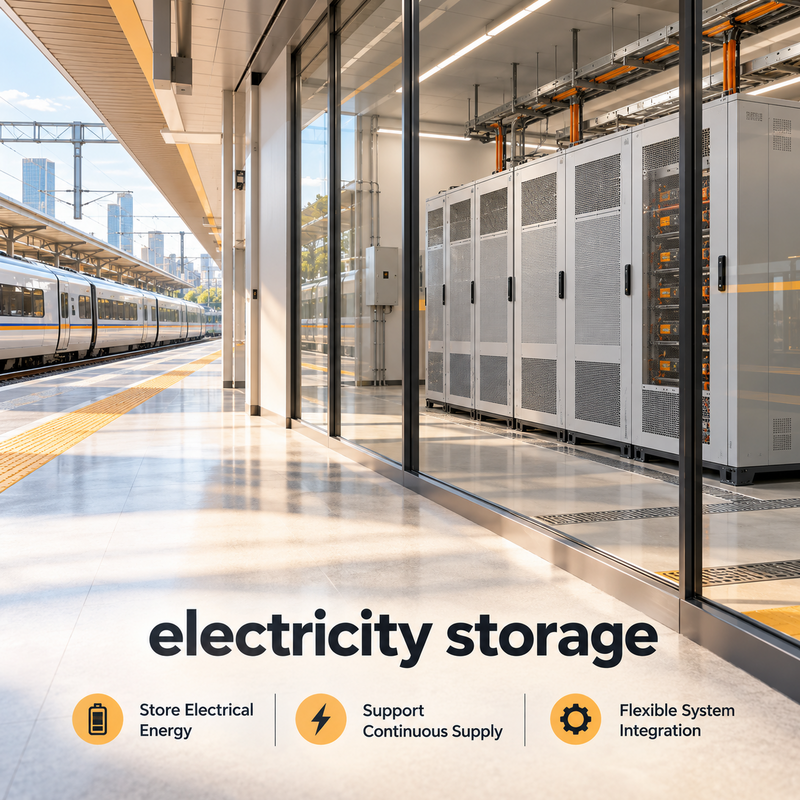
electricity storage

Electricity  storage technology,  particularly LiFePO4 energy storage systems, has  gained prominence in various sectors, including solar,  RV, UPS, and marine  applications. As  purchasing managers,  distributors,  and engineers  seek efficient solutions to meet energy demands, understanding the nuances of electricity  storage  becomes crucial.  This  article will guide  you  through the essentials  of selecting  and purchasing LiFePO4  electricity storage systems, addressing common  challenges and providing practical solutions  tailored to your specific needs.

Cost Factors to Consider When Purchasing Electricity Storage in Bulk

Cost Factors to Consider When Purchasing Electricity Storage in Bulk

Bulk purchasing of LiFePO4 energy storage systems can yield significant cost savings, but various factors influence  pricing. Here are important cost considerations:

Volume Discounts: Suppliers often provide tiered pricing based on order volume. Higher quantities can lead to lower per-unit costs.


Customization Requirements: If  you need tailored solutions (e.g., specific  dimensions or additional features), this could impact pricing. Clarify your requirements upfront to get  accurate quotes.

Shipping and  Handling Fees: Evaluate the shipping costs associated with bulk  orders. These can vary significantly  based on  location and shipping method.

Lead Times: Longer  lead times can affect your overall project timeline and,  consequently, costs. Be sure to discuss expected lead  times with suppliers to plan accordingly.

Warranty and Support: Consider  the warranty period and after-sale support. A longer  warranty may  increase initial  costs but can  save money  in the long run through reduced maintenance and  replacement needs.

By  understanding these cost factors, you can make informed decisions that align with your budget and project timeline. For example, investing in a High Performance 50Ah LiFePO4 Lithium Ion Battery Pack can enhance your energy storage capabilities.

Installation Guidance for LiFePO4 Energy Storage Systems in Various Applications

Proper installation of LiFePO4 energy storage systems is vital for optimal performance. Here are some installation guidelines tailored for different applications:

Residential Storage: Ensure that the installation site is  dry, well-ventilated, and  away from direct sunlight. Install the battery system close to the inverter and electrical panel to minimize cable losses. Follow local electrical codes and regulations.


RV  Applications: Consider the  weight distribution  and secure  mounting of the battery within  the vehicle. Use appropriately rated cables and connectors to handle the  load demands of the RV appliances.

UPS Systems: Integrate the battery system with the UPS  to enable automatic charging and discharging. Regularly test  the system to ensure it  meets backup power requirements  during outages.

Marine Applications: Ensure that the  battery  is secured in  a vibration-resistant housing to withstand marine conditions. Use marine-grade connectors and ensure proper waterproofing.

Safety Precautions: Always adhere to safety regulations during installation. This includes wearing appropriate personal protective equipment (PPE) and ensuring proper grounding of the battery system.

By following these guidelines, you  can ensure that  your LiFePO4  energy  storage system is installed correctly and operates efficiently.

Common Problems with Electricity Storage and Effective Solutions

Even  high-quality LiFePO4 electricity storage systems can encounter issues. Here are some common problems  and their solutions:

Capacity Loss: Over time,  batteries may experience  a  decrease in capacity  due to various  factors,  including improper charging practices. Regularly monitor the battery’s state of charge and avoid deep discharges to prolong lifespan.


Overheating: Excessive heat can damage battery cells. Ensure proper ventilation during operation, and if temperatures rise excessively, consider installing cooling systems or adjusting load requirements.

Connection Issues: Poor connections can lead to energy losses and  even system failures. Regularly inspect all connections and terminals for corrosion and ensure they are secure.

Monitoring and Maintenance: Implementing a battery management system  (BMS) can  help monitor health and performance. Routine maintenance  checks can identify issues early and prevent costly repairs.

Environmental Conditions:  Batteries should  be installed in environments that do not  exceed temperature specifications. If necessary, consider insulation or climate control  solutions.

By proactively addressing  these common  issues, you can  enhance the reliability and efficiency of your electricity storage systems.

Wholesale Purchasing Tips for LiFePO4 Batteries and Storage Systems

When engaging in wholesale purchasing of  LiFePO4 batteries and storage systems, effective strategies can streamline the process:


Request Detailed Quotations: Provide potential suppliers with comprehensive information on your needs, including quantities, specifications,  and any customization requirements. This will enable them to offer tailored pricing and lead times.

Evaluate Supplier  Experience: Choose suppliers with proven expertise in LiFePO4 technology. Look for company certifications and a solid  track record in the industry.

Review Samples: Before finalizing bulk orders, request  samples  to evaluate quality and performance. Testing samples under operational conditions is critical to ensure suitability.


Understand  Payment Terms: Clarify  payment terms  upfront, including any deposit requirements and payment methods accepted. Flexible  payment terms can facilitate smoother transactions.

Post-Purchase Support: Inquire about post-purchase support options, including  warranty coverage, technical support, and replacement  parts availability  to  ensure long-term satisfaction. Choosing an Energy Storage System can provide comprehensive support.

By following these  tips, you can navigate the wholesale purchasing process more  effectively, ensuring  a successful acquisition of LiFePO4 electricity storage systems.

Choosing the Right LiFePO4 Electricity Storage Solutions for Your Needs

When selecting a  LiFePO4 electricity storage solution, consider your  specific application and energy requirements. LiFePO4 batteries are known for their  safety, thermal stability, and longevity compared  to other lithium-ion chemistries. Factors to evaluate include:


Capacity Requirements: Determine the total energy storage capacity you need, measured in kilowatt-hours (kWh).  This will depend on your peak energy demands and usage patterns.


Depth of Discharge (DoD): LiFePO4 batteries  typically allow a higher DoD (up to 90% or more)  without significantly affecting their lifespan. This is advantageous for applications requiring frequent cycling.

Charge/Discharge Rates: Assess the required charge  and discharge rates based on your application. Rapid  charging and discharging capabilities can be critical for applications like UPS systems.

Size and Weight: The physical dimensions and weight of the battery system should fit  within your installation space while considering transportability if needed (e.g.,  for RV or marine applications).

Certification and Compliance:  Ensure that the  systems comply with relevant safety standards  and certifications, such as UN38.3 and CE, which encompass rigorous testing for  transportation and operational safety.

By aligning these considerations  with your application’s specific demands, you can  effectively choose the  right LiFePO4 electricity storage solution.

Get a Free Quote

Our representative will contact you soon.
0/1000