Choosing Energy Storage Systems for Solar Power

5,000+ units ready stock, 1–5 days fast global delivery

application/energy-storage-systems-for-solar-power, application/energy-storage-systems-for-solar-power, 
Inquiry
application/energy-storage-systems-for-solar-power, application/energy-storage-systems-for-solar-power, 
Inquiry

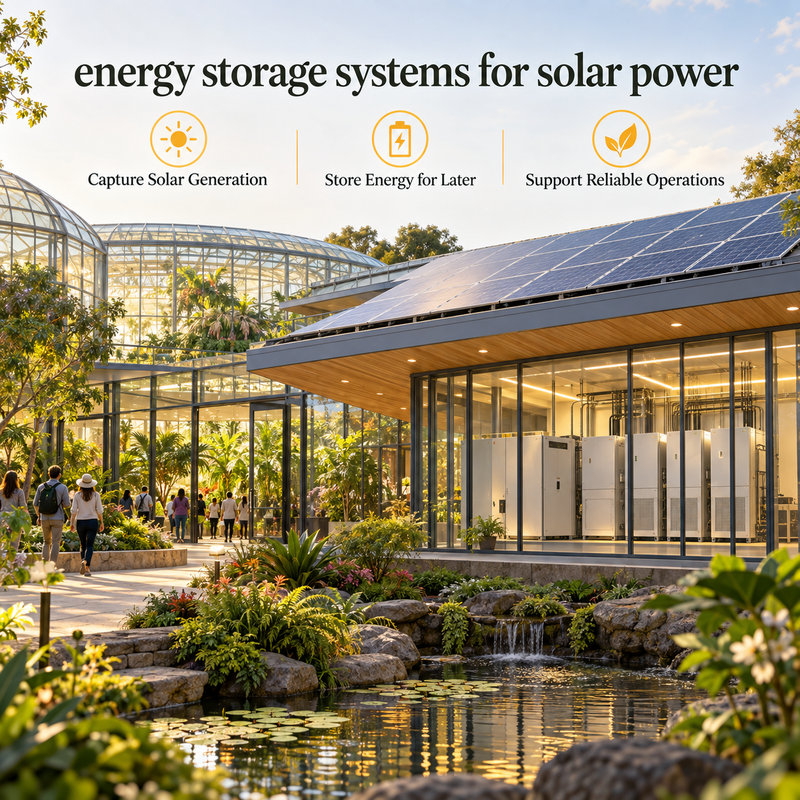
energy storage systems for solar power

Energy storage systems for  solar power are essential components  for maximizing  the  efficiency and reliability of solar energy  installations. As  businesses and homeowners look to  harness  renewable energy, understanding how to select and integrate these  systems is crucial. Purchasing managers and engineers  often face  concerns related  to costs, specifications, and the operational  reliability of  these systems. This  article aims  to provide insights  into  choosing the right energy storage  systems, the associated cost factors, common issues, and their various applications  in solar energy projects.

Cost Factors to Consider When Purchasing Energy Storage Systems

Cost Factors to Consider When Purchasing Energy Storage Systems

The cost of energy storage systems can vary widely based on several factors. First, the type of battery technology plays a significant role. Lithium-based batteries, such as LiFePO4, tend to be more expensive upfront compared to lead-acid options but offer longer lifespans and better  performance, which can lead to  lower  total costs over time.

Additionally, the size  and capacity of the energy storage system will  impact the price. Larger systems capable of storing more energy will generally  be more expensive. Buyers should also  factor in installation costs, which can vary based on the complexity of the setup and local labor rates.

Another cost consideration is  the warranty  and  after-sales  support. A system with a longer warranty  may have  a higher initial cost  but can provide peace of mind and long-term savings on potential replacements or repairs.


Finally, buyers should be  aware  of any  additional costs related to monitoring systems, inverters, and other equipment  needed to optimize the performance of the energy  storage system.

A Complete Overview

Energy storage systems  for solar  power typically consist of batteries paired  with a battery management system (BMS). The BMS  is crucial  for ensuring the safety and efficiency of battery operation, managing charge cycles, and preventing overcharging or deep discharging.

LiFePO4 batteries are a popular choice in  this category due  to their enhanced safety features, thermal stability, and environmental friendliness.  They are often equipped with independent BMS technology  that  ensures optimal  performance and compliance with safety standards, such as UN38.3 and CE certifications.

When  considering  energy storage  systems, it’s  also vital to look at the charging  method.  Systems can be charged through various sources, including  solar panels, grid power, and generators, making them versatile for different applications, such as  residential energy storage, RV power supply, and  marine usage.

Common Problems with Energy Storage Systems and Their Solutions

Despite their advantages, energy storage  systems can encounter several  common problems. One frequent issue is battery degradation over time,  which can lead to reduced  capacity and efficiency. Regular monitoring and maintenance can help identify early  signs of degradation. It’s  advisable to implement a monitoring system to track performance metrics  and schedule  maintenance  as needed.

Another problem  is compatibility with existing  solar systems. Ensuring that all components, such  as inverters and control  systems, are compatible  with the energy  storage system  is crucial. Buyers should  consult  with their suppliers to confirm compatibility before purchase.

Charging inefficiencies can also arise, particularly if the system is not optimally configured. To mitigate this, buyers should ensure that their  system is designed to accommodate the specific energy production capabilities of their solar panels and the energy consumption  patterns of their facilities.

Exploring Applications of Energy Storage Systems in Solar Energy Projects

Energy  storage systems for solar power have diverse applications across various sectors.  In residential settings, they allow homeowners to store excess solar energy generated during the day for  use during  the night or during power outages. This capability can lead to significant savings on  electricity  bills  and increased energy independence.

For commercial  applications, energy storage systems can  help businesses manage  peak demand charges by discharging stored energy during high-demand periods. This not only  saves costs but also contributes to grid stability.  For effective commercial solutions, consider the Energy Storage Systems 3.6KW 5.5KW 24V 48V On/Off Grid Solar Inverter Pure Sine Wave Inverter MPPT Hybrid Inverters.

In the RV and  marine sectors, energy storage systems enhance the usability of solar  installations by providing a reliable power source for appliances and systems away from the grid. The compact and  efficient design of LiFePO4 batteries makes them an ideal choice for these applications, where space and weight are critical considerations.

Overall, energy storage systems are integral to optimizing solar energy utilization, ensuring that businesses and individuals can maximize their investment in renewable energy. By  understanding the factors that influence product selection, cost,  and  applications,  buyers can make informed decisions that  best suit their  energy needs.

How to Choose the Right Energy Storage System for Solar Power

Selecting the appropriate energy storage system for solar power involves evaluating several key factors. First, consider  the capacity of the system,  which should align with your energy  consumption patterns and the output  of your solar panels. Capacity is typically measured in kilowatt-hours (kWh), indicating how much energy the system can store and supply.

Another  critical  aspect is the depth of discharge (DoD), which  refers to how  much of the battery’s capacity can  be  used without  damaging it. For instance, a lithium iron  phosphate  (LiFePO4) battery, like those produced by Shenzhen Yanshuosheng Technology Co., Ltd., often allows for a higher DoD compared to traditional  lead-acid batteries, thus offering greater usable energy. For a high-efficiency solution, consider the High Performance 50Ah LiFePO4 Lithium Ion Battery Pack Deep Cycle 12V High Efficiency Lithium Iron.

It's also essential to assess the battery's cycle  life, which determines how many charge-discharge cycles the battery can undergo before its capacity significantly degrades. LiFePO4  batteries  typically have a longer cycle life, making them a reliable choice for long-term energy storage  needs.

Lastly, consider compatibility with your solar energy system and any associated devices, such  as inverters and monitoring systems. Ensuring that all components work seamlessly  together will enhance overall system efficiency.

Get a Free Quote

Our representative will contact you soon.
0/1000