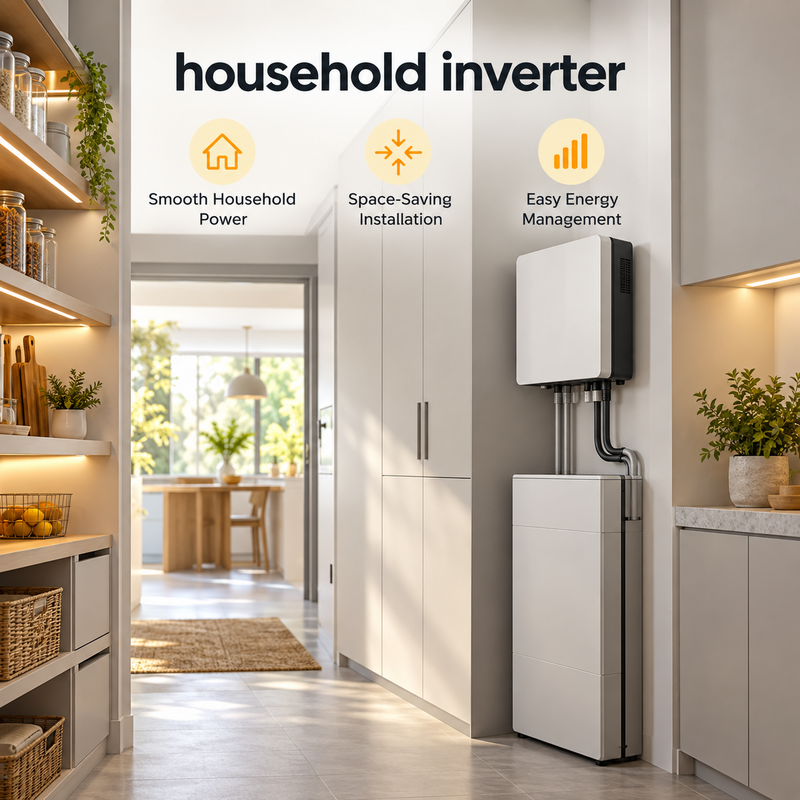
Evaluating Quality Standards in Household Inverter Manufacturing
When selecting a household inverter, several key specifications should be prioritized to ensure optimal performance and compatibility with your energy storage system.
Power Output: The inverter’s power output, typically measured in watts (W), should match or exceed the total wattage of the appliances it will power. It's essential to consider both continuous and peak power ratings, as some devices require higher power during startup.
Efficiency Rating: This indicates how well the inverter converts DC to AC power, expressed as a percentage. Higher efficiency ratings (above 90%) minimize energy loss and enhance overall system performance.
Input Voltage: Ensure the inverter's input voltage aligns with your battery system, such as 12V, 24V, or 48V configurations. Mismatched voltages can lead to performance issues or damage.
Waveform Type: Inverters typically produce either modified sine wave or pure sine wave output. Pure sine wave inverters provide cleaner power, making them suitable for sensitive electronics, while modified sine wave inverters are often less expensive and sufficient for simple devices.
Safety Features: Look for inverters with built-in protections against overload, short circuits, and over-temperature conditions. These features enhance the safety and longevity of both the inverter and connected devices.
Size and Weight: Consider the physical dimensions and weight of the inverter, especially if space is limited or if portability is a factor.
Understanding these specifications will enable you to select an inverter that meets your operational requirements and ensures reliable energy delivery. Additionally, consider options like the High Performance 50Ah LiFePO4 Lithium Ion Battery Pack for enhanced energy management.
 EN