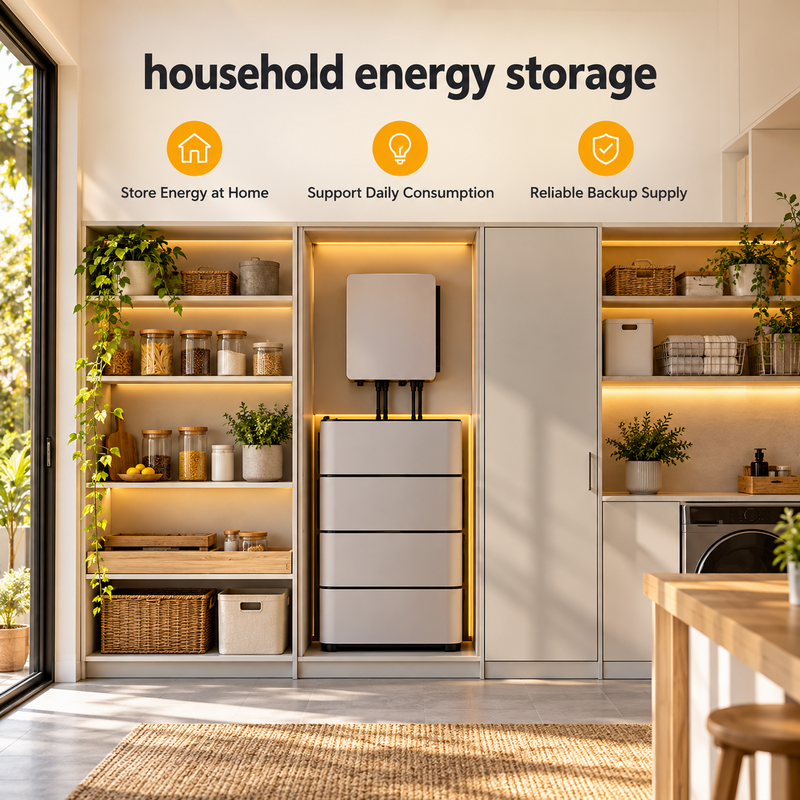
Key Specifications for High-Quality Energy Storage Solutions
When evaluating household energy storage systems, several specifications are critical to ensuring you choose a high-quality product.
Battery Chemistry: The most common types of batteries for home energy storage are lithium-ion, specifically LiFePO4 (Lithium Iron Phosphate). This chemistry is favored for its safety, thermal stability, long cycle life, and lower degradation over time.
Certification: Look for systems with certifications such as UN38.3 and CE, which indicate compliance with safety and quality standards. These certifications are essential for ensuring that the products meet international safety requirements.
Battery Management System (BMS): A robust BMS is vital for monitoring the health of the battery, ensuring safety, and optimizing performance. The BMS prevents overcharging, deep discharging, and overheating, extending the battery's lifespan.
Warranty and Lifecycle: A longer warranty period generally indicates a manufacturer’s confidence in the product. Warranties of 10 years or more are common and can provide peace of mind. Additionally, inquire about the expected cycle life, which indicates how many charge/discharge cycles the battery can withstand before its capacity significantly decreases.
Dimensions and Weight: The physical size and weight of the storage system matter, particularly for residential installations where space may be limited. Ensure that the unit can fit in your intended installation area without compromising accessibility.
 EN