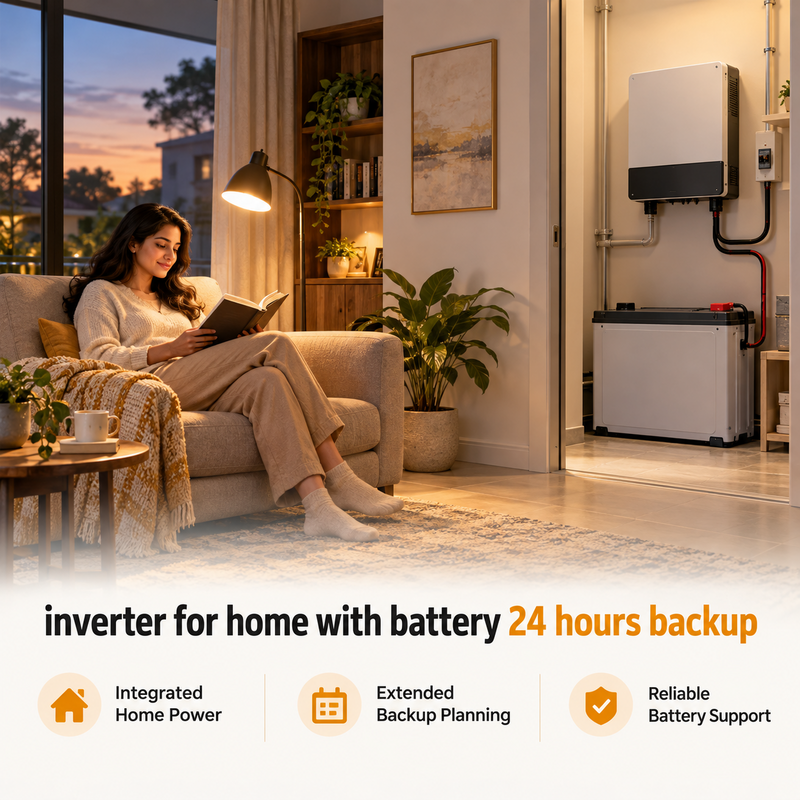
Key Specifications of Inverters for Home Energy Storage Solutions
When evaluating inverters for home energy storage, several specifications are critical:
Output Power: Measured in watts, this indicates the maximum load the inverter can handle. Ensure that this rating aligns with your energy consumption requirements.
Input Voltage: This specification dictates the compatibility with your battery bank. Common values are 12V, 24V, or 48V, and the choice depends on your battery configuration.
Efficiency Rating: This shows how effectively the inverter converts DC power from the battery to AC power for your appliances. Higher efficiency means less energy loss, which is vital for optimal performance.
Transfer Time: This is the time it takes for the inverter to switch from grid power to battery power during an outage. A shorter transfer time minimizes downtime for critical applications.
Safety Features: Look for built-in protections like over-voltage, over-temperature, and short-circuit protection to ensure safe operation. Certifications such as CE and UN38.3 can also signify adherence to safety standards.
Understanding these specifications helps buyers make informed decisions and ensures compatibility with their energy storage systems.
 EN