Choosing Residential Solar Energy Storage Solutions

5,000+ units ready stock, 1–5 days fast global delivery

application/residential-solar-energy-storage, application/residential-solar-energy-storage, 
Inquiry
Inquiry

Residential solar energy storage

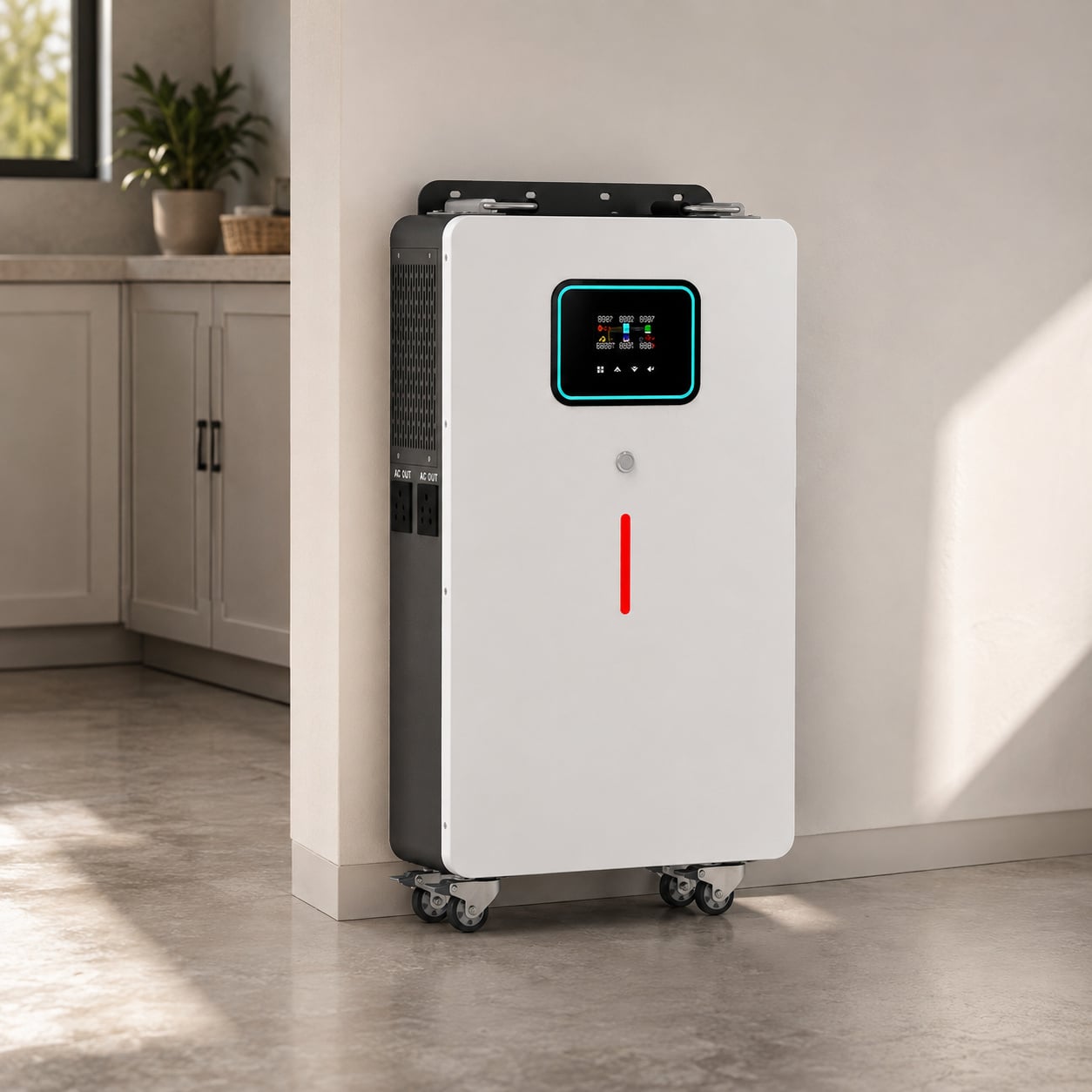
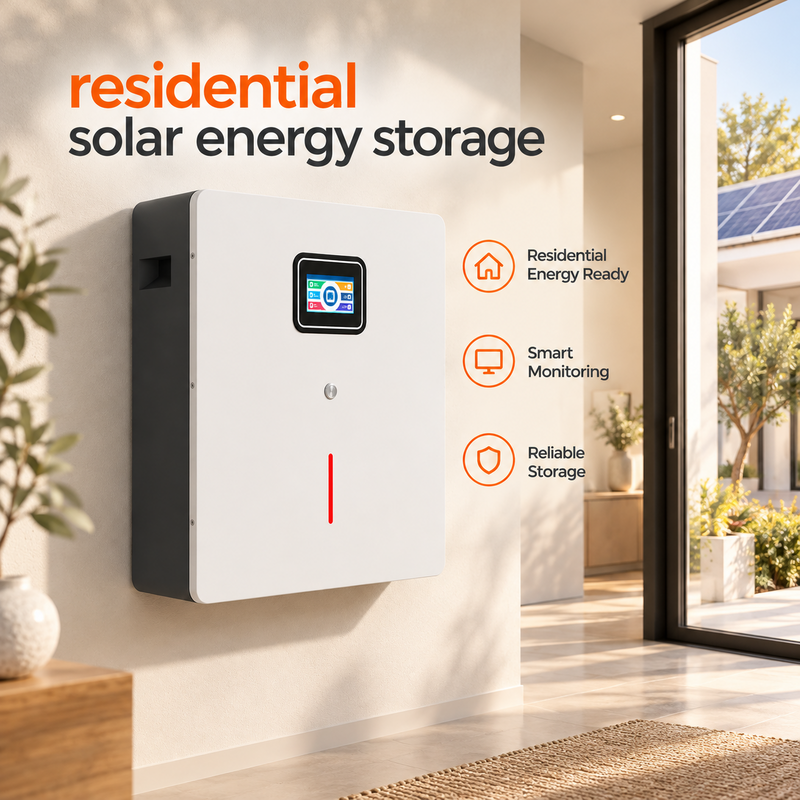
Residential solar energy storage solutions are essential for homeowners looking to optimize their solar energy systems. These systems allow users to store excess energy generated during peak sunlight hours for use during the night or cloudy days. As a B2B buyer, you may be concerned about product specifications, compatibility with existing systems, costs, and long-term reliability. This article will guide you through important considerations when selecting residential solar energy storage solutions, provide insights into LiFePO4 batteries, and address common challenges and applications. 

Comparing Specifications of LiFePO4 Solar Energy Storage Batteries

Comparing Specifications of LiFePO4 Solar Energy Storage Batteries

When comparing LiFePO4 solar energy storage batteries, it is essential to examine specific technical specifications that can impact performance and suitability for your application. 

Cycle Life: This refers to the number of charge and discharge cycles the battery can undergo before its capacity significantly diminishes. LiFePO4 batteries typically offer a cycle life of 2,000 to 5,000 cycles, which is higher than other lithium-ion options, translating to longer usability and lower replacement costs. 

Depth of Discharge (DoD): This specification indicates how much of the battery’s capacity can be utilized without adversely affecting its lifespan. LiFePO4 batteries often support a DoD of up to 80-90%, allowing users more flexibility in energy usage. 

Efficiency: Energy efficiency is crucial in maximizing stored energy. Look for home power storage system with high round-trip efficiency, typically over 90% for LiFePO4 batteries, which means that most of the energy stored can be used effectively. 

Temperature Range: The operational temperature range affects battery performance and longevity. LiFePO4 batteries typically operate effectively in a temperature range of -20°C to 60°C, making them suitable for various climates. 

Physical Dimensions and Weight: Assess the physical space available for installation and the weight of the battery. LiFePO4 batteries tend to be more compact and lighter than lead-acid options, facilitating easier installation and integration into residential settings. 

Cost Factors for Bulk Orders of Residential Solar Energy Storage

Understanding the cost factors associated with bulk orders of residential solar energy storage systems can help you make informed purchasing decisions. 

Volume Discounts: Purchasing in bulk typically results in lower per-unit costs. Manufacturers often offer tiered pricing based on order quantities, which can significantly reduce overall expenses. 

Shipping and Handling: Consider the logistics involved in transporting large quantities of batteries. Costs associated with shipping, handling, and insurance can vary based on destination and order size, impacting the total cost. 

Customization Needs: If your projects require specific configurations or customizations, this can affect pricing. Custom solutions may incur additional design and manufacturing costs, so it's essential to discuss these requirements upfront with your supplier. 

Installation Costs: While the battery price is a primary consideration, don't overlook installation costs. Ensure you factor in any additional expenses for qualified technicians or special equipment needed for proper setup. 

Market Fluctuations: Keep an eye on market trends for raw materials and components, as price fluctuations can impact the overall cost of batteries. Being aware of these trends can help you time your orders effectively. 

Common Problems with Residential Solar Energy Storage and Solutions

Residential solar energy storage systems can present a range of challenges. Understanding these common issues and their solutions is crucial for effective management. 

Battery Degradation: Over time, all batteries experience degradation. To mitigate this, ensure that the system is not regularly overcharged or discharged below recommended levels. Regular monitoring of battery health can help identify potential issues early. 

Incompatibility Issues: Sometimes, the chosen battery may not integrate seamlessly with existing systems. To avoid this, conduct thorough compatibility checks with inverters and other system components before purchase. 

Thermal Management: Excessive heat can significantly shorten battery life. Ensure proper ventilation and consider systems with active thermal management features to maintain optimal operating temperatures. 

Firmware and Software Updates: Many modern systems rely on software for monitoring and management. Regular updates from the manufacturer can enhance performance and address bugs. Stay informed about available updates to ensure your system operates efficiently. 

Maintenance Requirements: While LiFePO4 batteries require less maintenance than traditional options, periodic checks on connections, and battery health, and cleaning can enhance performance. Establish a maintenance schedule to ensure long-term reliability. 

Applications of Residential Solar Energy Storage in Various Settings

The applications of residential solar energy storage systems are diverse, making them valuable in various contexts. 

Energy Independence: Homeowners can achieve greater energy independence by storing excess solar energy for use during peak demand periods or outages, which is particularly valuable in areas with unreliable grid power.  

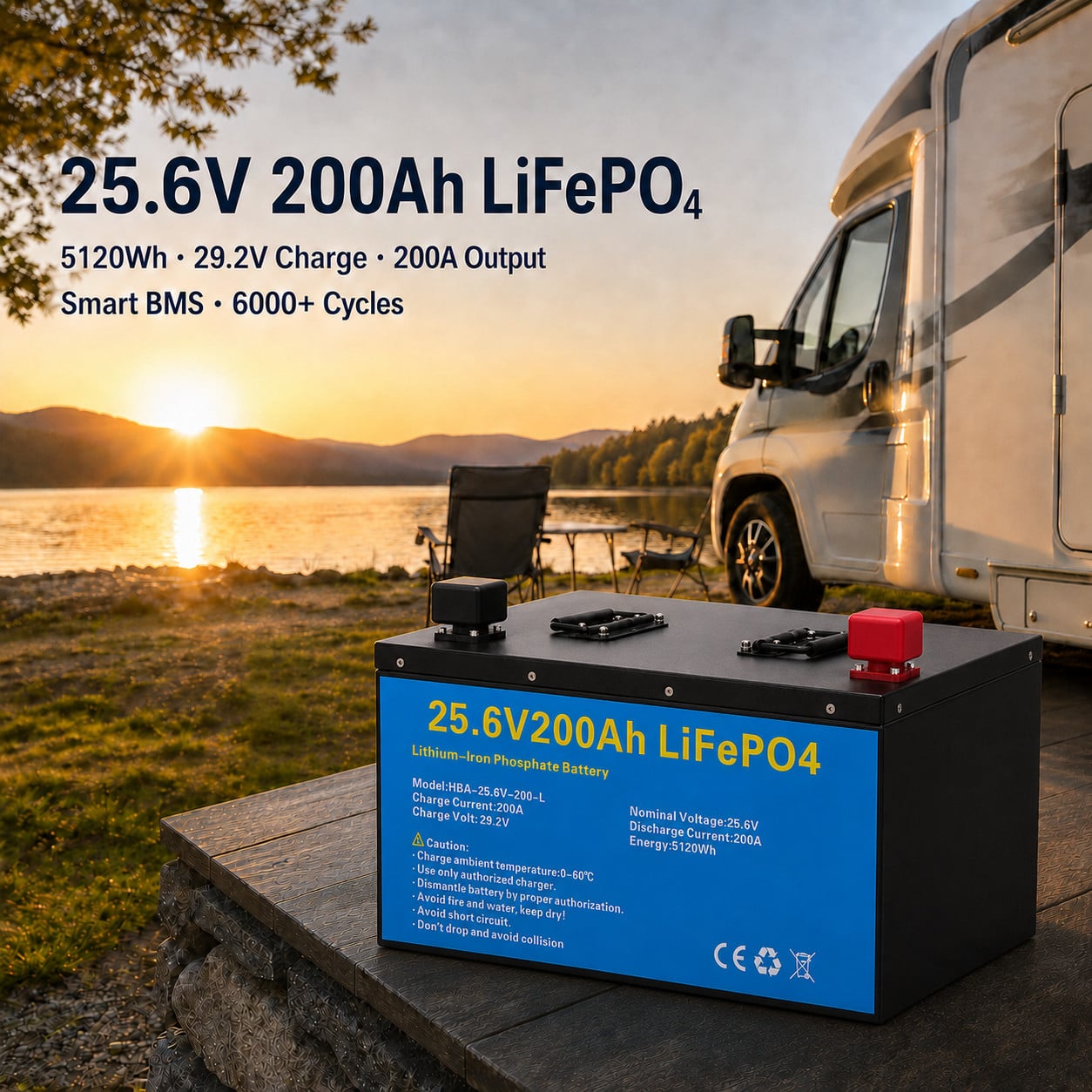
Off-Grid Applications: For remote homes without access to the grid, residential solar energy storage solutions enable a sustainable power supply. This is especially beneficial for RVs and marine applications where space and weight constraints are critical.  

Backup Power Systems: In regions prone to natural disasters or power outages, residential solar energy storage systems provide reliable backup power. This ensures essential appliances and solar energy storage solutions can operate during grid failures.  

Demand Charge Management: Homeowners can utilize stored energy during peak pricing periods to reduce electricity costs. This capability is particularly relevant for businesses operating in time-of-use pricing structures.  

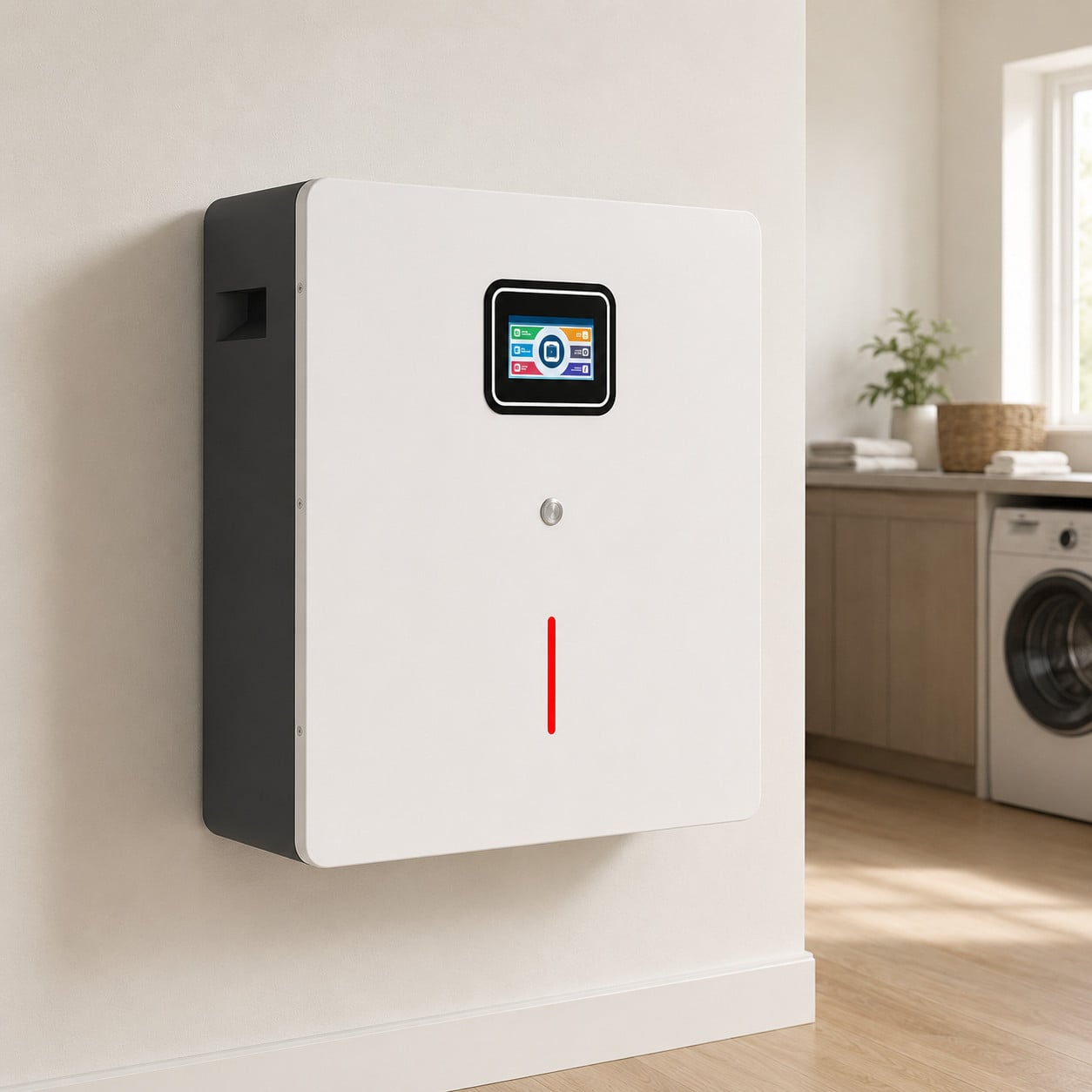
Integration with Smart Home Systems: Many residential storage systems can integrate with smart home technologies, allowing for automated energy management and optimization based on usage patterns and energy costs.  

By understanding these factors, specifications, and applications, B2B buyers can make informed decisions when selecting residential solar energy storage solutions that meet their specific needs and requirements.  

What to Consider When Choosing Residential Solar Energy Storage Solutions

When selecting residential solar energy storage solutions, several factors should be evaluated to ensure optimal performance and compatibility with your solar system. 

Capacity and Power Output: Assess the energy demands of the household. The energy storage batteries capacity, measured in kilowatt-hours (kWh), indicates how much energy the system can store. Power output, indicated in kilowatts (kW), shows how much energy can be used at once. Matching these specifications with your household needs is critical to avoid energy shortages. 

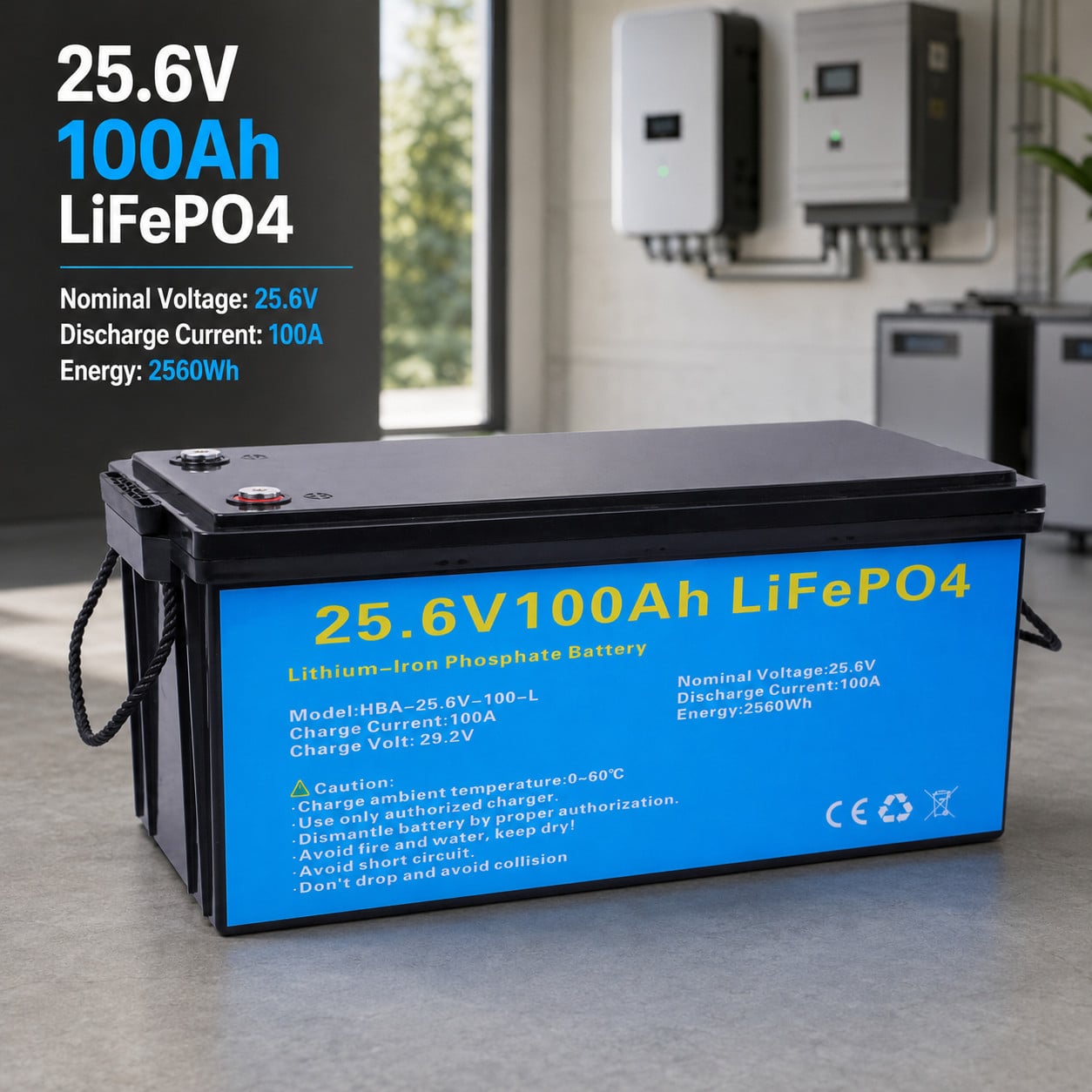
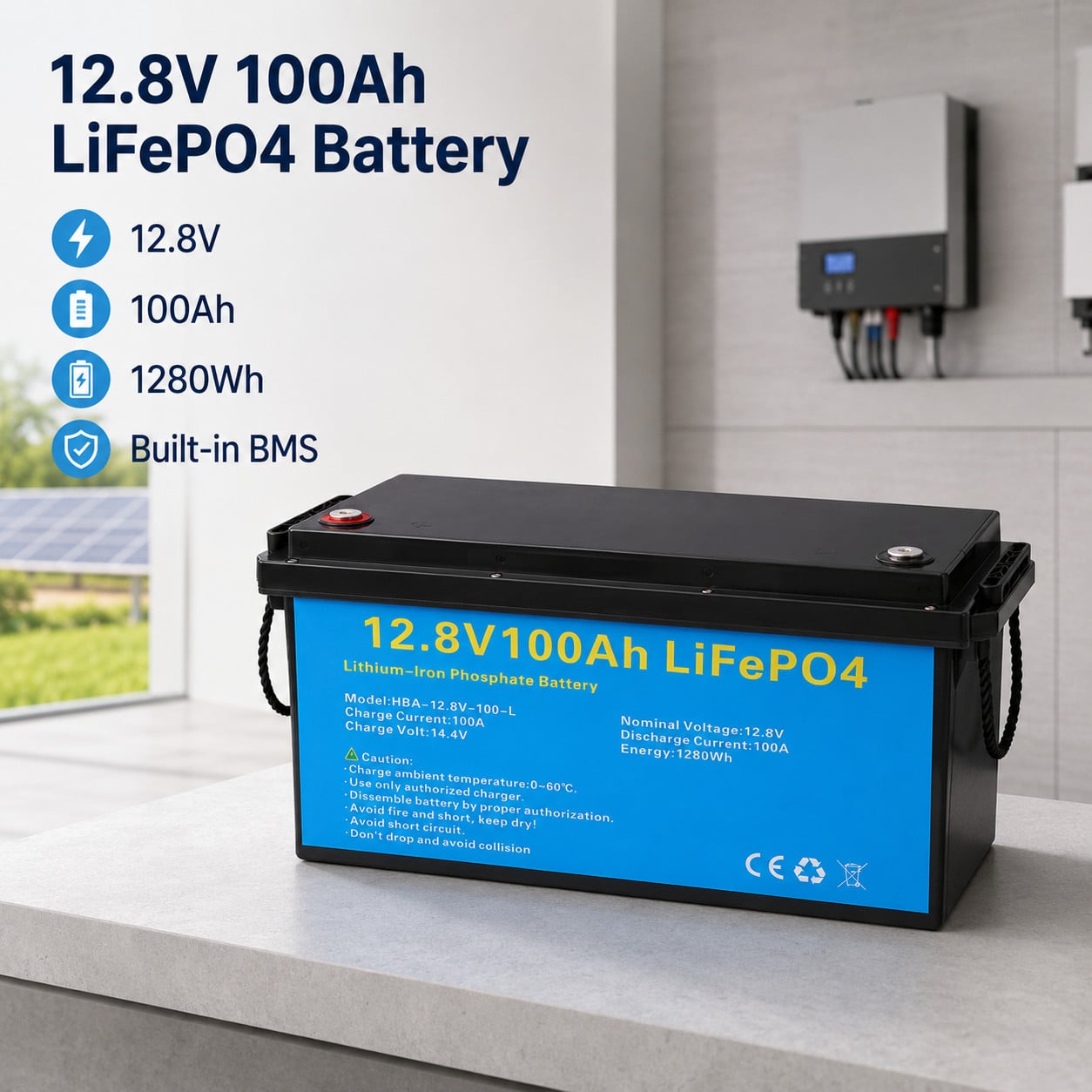
Battery Chemistry: Lithium Iron Phosphate (LiFePO4) is widely recognized for its stability, safety, and longevity compared to other lithium-ion chemistries. This chemistry significantly affects the lifespan, depth of discharge, and thermal stability of the storage solution, making it a preferred choice for residential applications. 

System Integration: Ensure that your chosen storage solution is compatible with your existing solar power system and inverter. Some systems may require specific inverter models or communication protocols to function correctly, impacting the overall efficiency of your setup. 

Certifications: Look for products with relevant certifications, such as UN38.3 or CE, which indicate compliance with safety and quality standards. These certifications can be crucial in ensuring reliability and safety, especially in residential applications. 

Warranty and Support: Evaluate the warranty period offered by the manufacturer. A longer warranty often indicates confidence in the product's durability and performance. Additionally, consider the level of technical support available for installation and troubleshooting. 

Get a Free Quote

Our representative will contact you soon.
0/1000