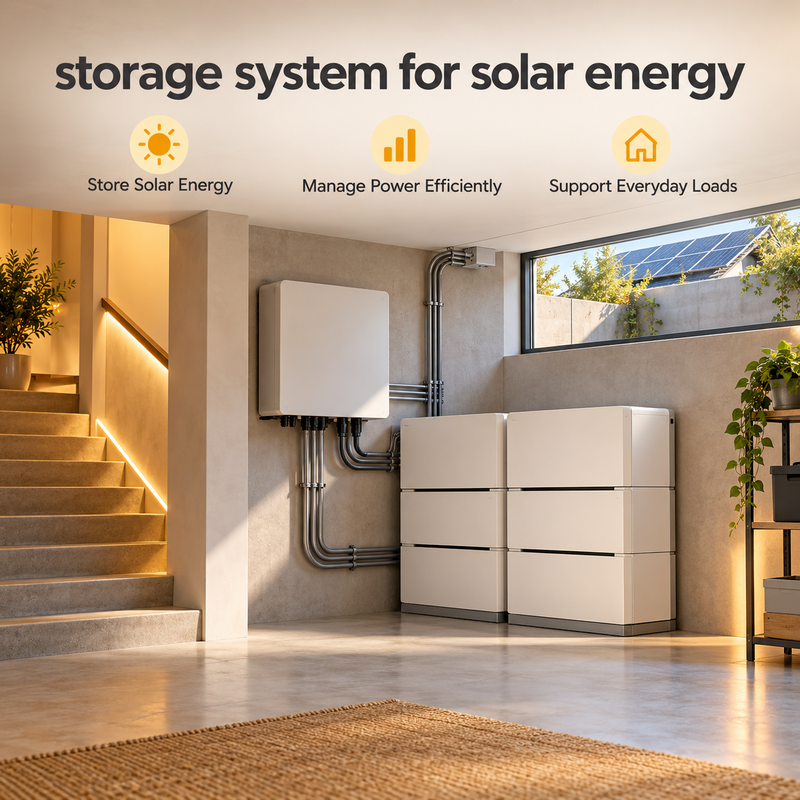
Material Advantages of LiFePO4 in Solar Energy Storage Systems
The material composition of LiFePO4 batteries contributes significantly to their performance characteristics. LiFePO4 (Lithium Iron Phosphate) is known for its high thermal stability and safety, making it less likely to fail under extreme conditions compared to other lithium formulations.
Moreover, this material provides a more environmentally friendly option, as it contains no toxic heavy metals. This aligns with the growing emphasis on sustainable practices within the energy sector. When sourcing LiFePO4 systems, buyers can feel confident that they are investing in a cleaner energy solution.
Additionally, the manufacturing process for LiFePO4 batteries often involves advanced quality control measures to ensure consistency and reliability. Understanding these processes can help buyers assess potential suppliers, as manufacturers who prioritize quality will typically provide better-performing and longer-lasting products.
In summary, when evaluating storage systems for solar energy, buyers should focus on the specifications, applications, and material advantages of LiFePO4 technology. By understanding these factors, purchasing managers can make informed decisions that align with their operational needs and sustainability goals.
 EN