Choosing the Right Solar Energy Storage Solutions

5,000+ units ready stock, 1–5 days fast global delivery

application/solar-energy-storage-solutions, application/solar-energy-storage-solutions, 
Inquiry
Inquiry

Solar energy storage solutions

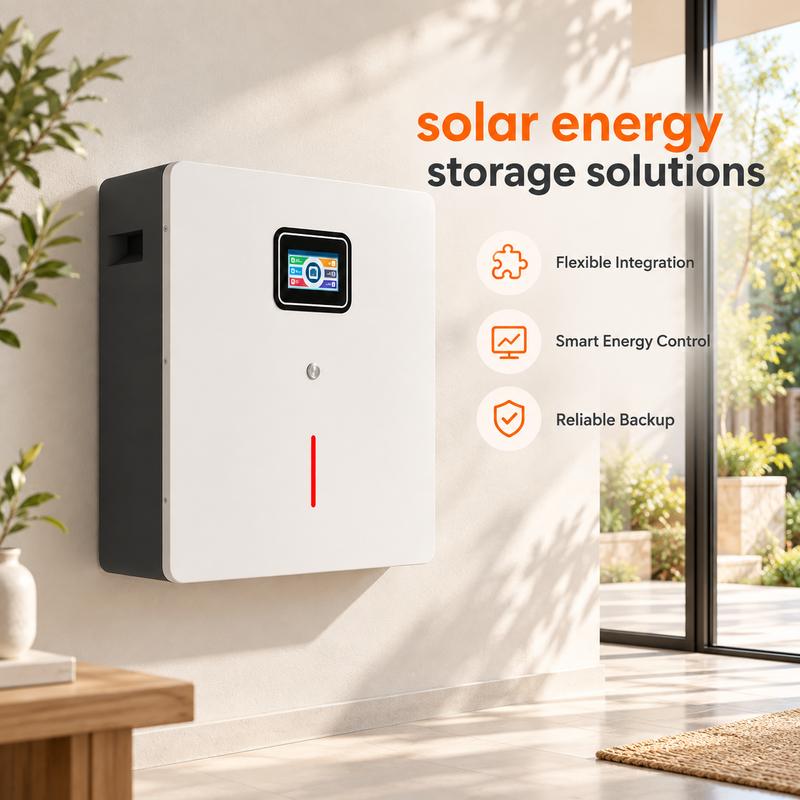
As businesses increasingly turn to renewable energy sources, understanding solar energy storage solutions becomes essential for effective energy management. Solar energy storage systems, particularly LiFePO4 batteries, play a critical role in harnessing and utilizing solar power efficiently. This article addresses key considerations for B2B buyers, including specifications, quality evaluation, installation guidance, and application insights, ensuring informed purchasing decisions for  YANSHUO energy storage system. This article will help you to understand the product more, so keep on reading it all. 

Key Specifications to Consider in Solar Energy Storage Systems

Key Specifications to Consider in Solar Energy Storage Systems

When evaluating  YANSHUO solar energy storage systems, several specifications are paramount: 

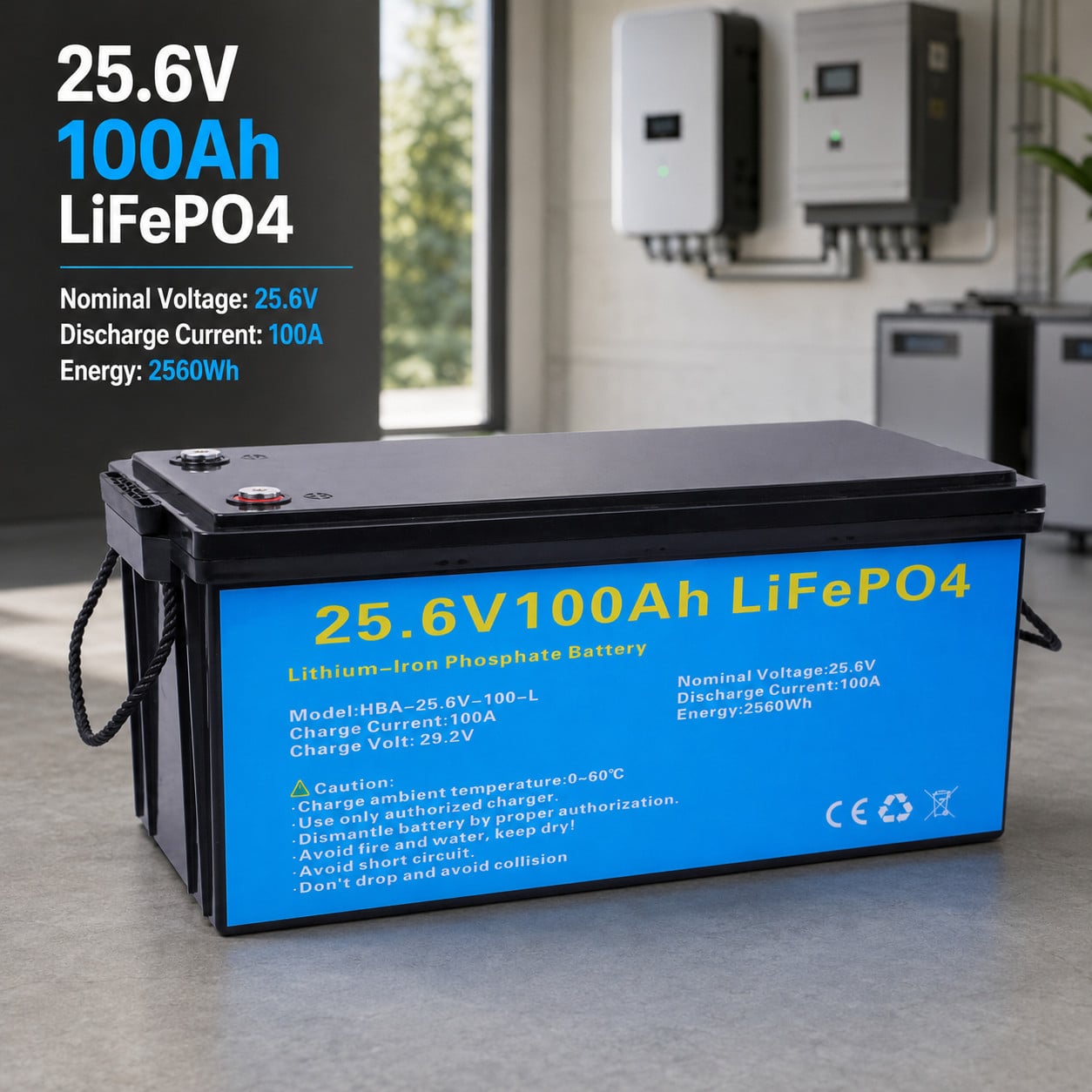
Capacity (Ah or kWh): This indicates how much energy the system can store and deliver. Higher capacities are necessary for larger applications or commercial use. 

Depth of Discharge (DoD): This specification informs you how much of the battery's capacity can be used without damaging it. A higher DoD allows for more usable energy, enhancing efficiency. 

Cycle Life: This refers to the number of charge and discharge cycles a battery can undergo before its capacity significantly diminishes. A longer cycle life means reduced replacement frequency and lower total costs. 

Round-trip Efficiency: This rating shows how much energy can be used versus how much is lost during the charging and discharging processes. Higher efficiency translates to better overall performance. 

Safety Certifications: Look for systems with certifications such as UL, CE, or UN38.3, which indicate that the systems meet safety and performance standards. 

These specifications are vital in ensuring that the chosen systems meet your operational requirements and provide reliable performance over time.

How to Evaluate the Quality of Solar Energy Storage Batteries

Assessing the quality of solar energy storage batteries is crucial for long-term performance and reliability. Start by examining the manufacturer’s reputation and track record in the industry. Look for reviews or case studies that illustrate the performance of their batteries in similar applications. 

Next, consider the materials used in the battery construction. LiFePO4 batteries, known for their safety and stability, should have high-quality cells and components. Inspect the manufacturing processes as well; reputable manufacturers will have stringent quality control measures in place, including testing at various stages of production. 

Additionally, inquire about warranty offerings. A longer warranty can indicate the manufacturer’s confidence in their product's durability and performance, providing peace of mind for your investment.

Installation Guidance for Solar Energy Storage Systems

Proper installation is essential for maximizing the efficiency and lifespan of solar energy storage systems. Engage with a qualified technician who has experience with the specific systems you are considering. You will never ever regret of using this kind of product. Installation should adhere to local regulations and guidelines to ensure safety and compliance. 

Before installation, evaluate the site conditions, including temperature and humidity levels, as these can affect battery performance. Ensure that the installation area is well-ventilated and protected from direct sunlight and moisture. 

It's also advisable to conduct a thorough pre-installation checklist, including verifying all components are included and undamaged, reviewing electrical connections, and ensuring that the system is compatible with your existing infrastructure.  Proper installation not only enhances performance but also reduces the likelihood of operational issues down the line.

Exploring Applications of Solar Energy Storage in Various Industries

Solar energy storage solutions have diverse applications across multiple industries. In the manufacturing sector, businesses can utilize these systems to manage energy costs and reduce reliance on grid power, especially during peak pricing hours. 

In the marine industry,  YANSHUO solar energy storage systems provide reliable power for onboard equipment, minimizing the need for traditional fuel sources and enhancing sustainability. 

Residential applications also benefit significantly from solar energy storage, allowing homeowners to store excess solar energy for use during non-sunny hours, thereby reducing electricity bills and increasing energy independence. 

Additionally, in RV and mobile applications, compact and lightweight solar energy storage systems enable off-grid travel, providing a sustainable energy source for various devices without compromising space or weight. 

Each application requires a tailored approach to system selection, emphasizing the importance of understanding the specific energy demands and operational contexts involved. 

By addressing these critical factors, businesses can make informed decisions regarding energy grid storage solution at not only meet their current needs but also support future growth. Understanding specifications, quality assessment, installation requirements, and application suitability will ultimately lead to improved energy management and sustainability in a competitive market. You will really love this kind of product because of its quality and performance. 

Choosing the Right Solar Energy Storage Solutions for Your Business

Selecting the appropriate solar energy storage solution involves assessing your specific energy needs and application. Key considerations include the capacity of the battery system, which should align with your energy consumption patterns. Choosing the right product is so easy if you trust on our brand. We offer high-quality products to ensure that our customers will satisfy in our services. For instance, if you aim to power an entire facility during peak hours, consider systems with higher home energy storage capacities. 

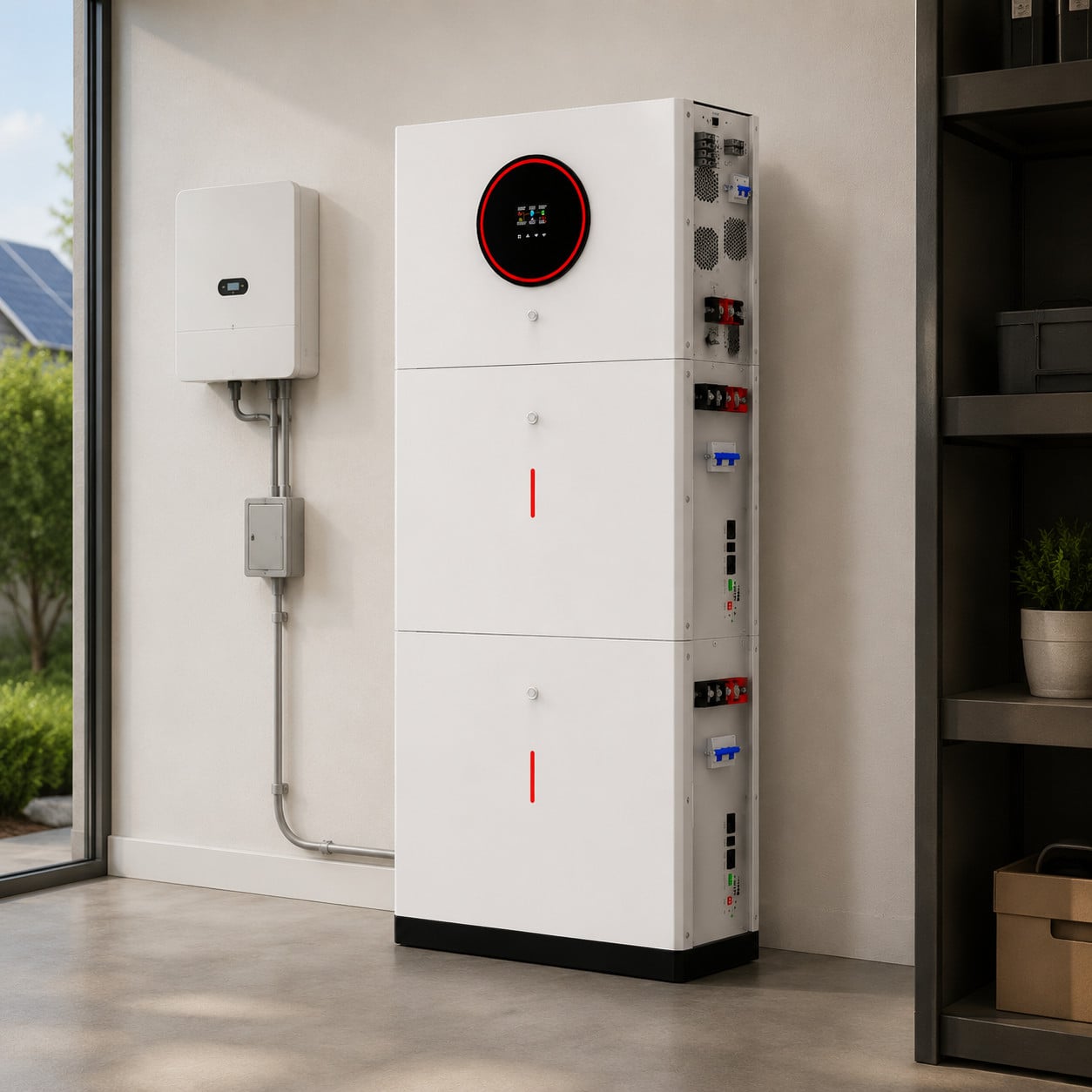
Look for systems that offer modular designs, which allow for scalability as your energy demands grow. Additionally, compatibility with existing solar systems is critical; ensure that the inverter and battery management systems (BMS) work seamlessly together. Finally, consider the geographical and environmental conditions that may impact solar energy generation and storage, as this will influence your choice of system.

Get a Free Quote

Our representative will contact you soon.
0/1000