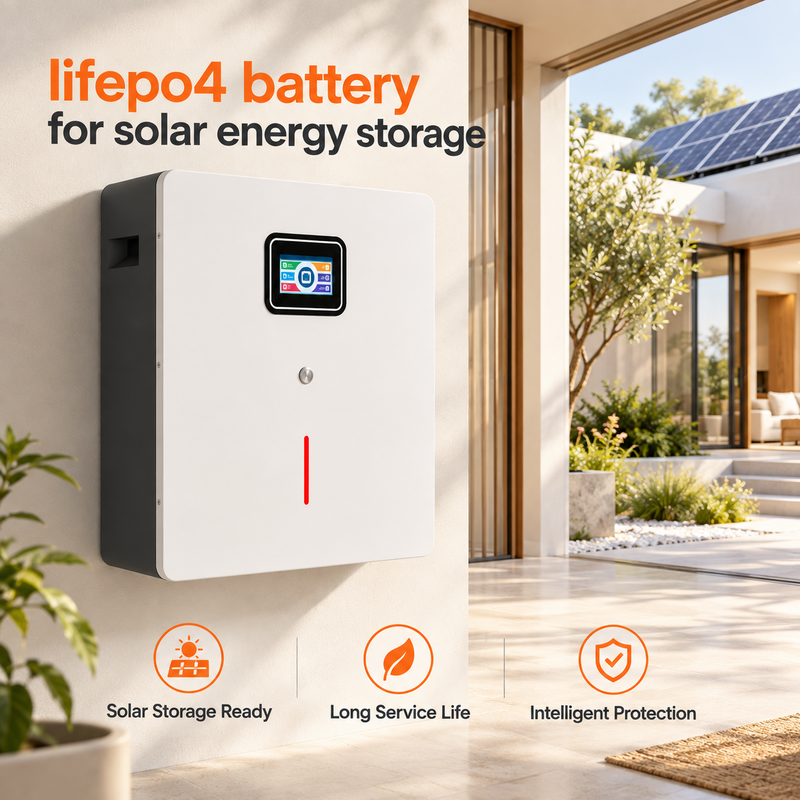
LiFePO4 Battery for Solar Energy Storage Solutions

5,000+ units ready stock, 1–5 days fast global delivery

application/lifepo4-battery-for-solar-energy-storage, application/lifepo4-battery-for-solar-energy-storage, 
Inquiry
application/lifepo4-battery-for-solar-energy-storage, application/lifepo4-battery-for-solar-energy-storage, 
Inquiry

Lifepo4 battery for solar energy storage

LiFePO4 batteries are becoming increasingly popular for solar energy storage due to their safety, efficiency, and longevity. As a purchasing manager or engineer, understanding the specifications, sourcing methods, installation, common issues, and applications of LiFePO4 batteries is crucial for optimizing your solar energy projects. This article aims to provide practical insights into these aspects, helping you make informed decisions.

Sourcing LiFePO4 Batteries for Your Business

Sourcing LiFePO4 Batteries for Your Business

Sourcing high-quality LiFePO4 batteries involves several key considerations: 

Supplier Reputation: Look for manufacturers with a proven track record in the industry. Certifications like UN38.3 and CE are important indicators of quality and safety compliance. 

Minimum Order Quantity (MOQ): Understand the MOQ for the batteries you're interested in. This will affect your initial investment and inventory management. 

Customization Options: Assess whether the supplier offers customization capabilities for specific applications.  Customization might include variations in capacity, voltage, or form factor to better suit your solar panel energy storage needs. 

Pricing Factors: Pricing can vary based on capacity, technology, and market conditions. It’s advisable to gather multiple quotes and consider total cost of ownership, including potential savings from longer battery life and lower maintenance requirements. 

Lead Times: Confirm delivery timelines to ensure that your project schedules are met. Long lead times can impact project timelines, so choose suppliers with reliable production capabilities. 

Conduct thorough due diligence on potential suppliers to ensure they can meet your specific requirements.

Installation Guidance for LiFePO4 Battery Systems in Solar Projects

Proper installation of LiFePO4 batteries is critical for optimal performance. Here are some key considerations: 

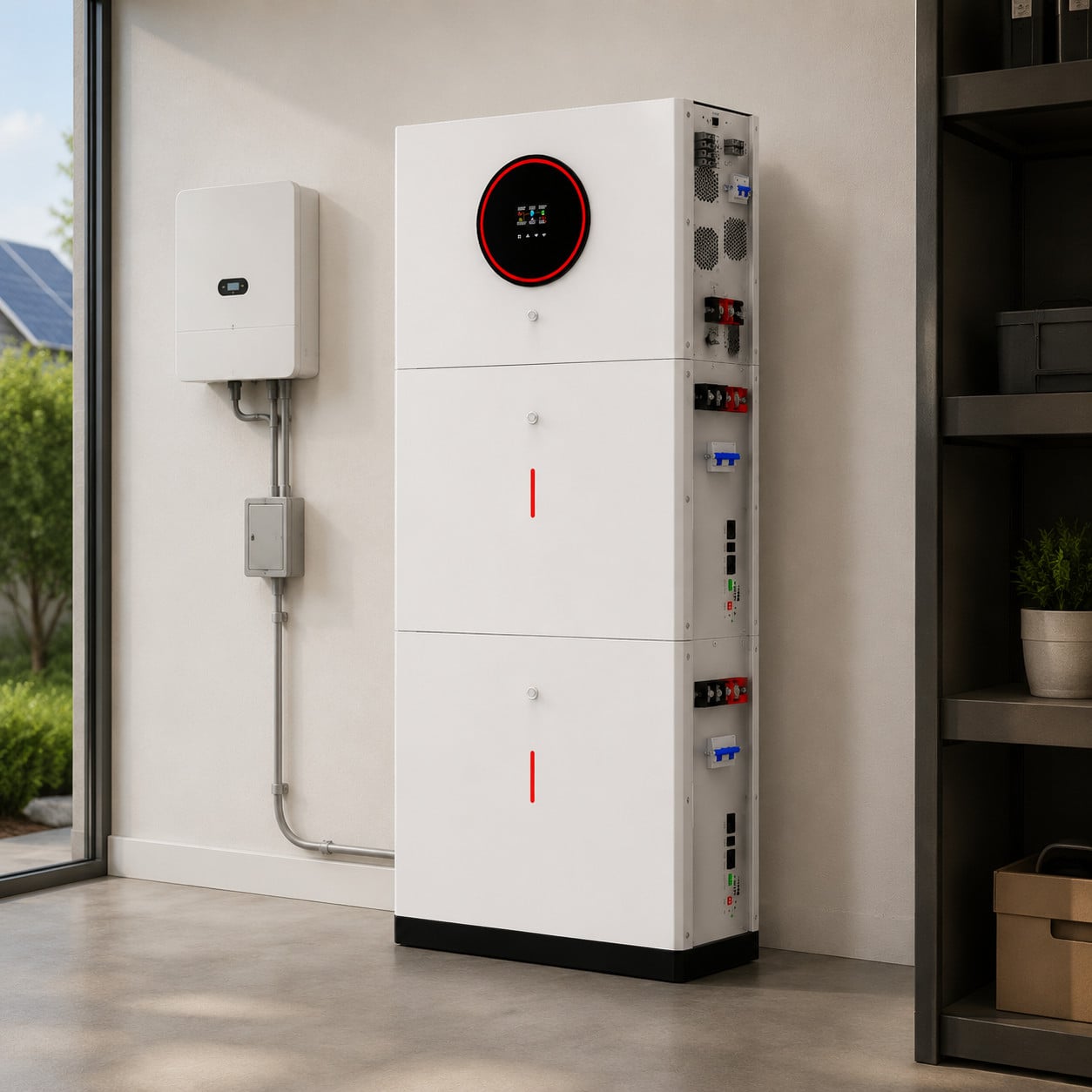
Layout and Configuration: Plan the layout of your energy storage system carefully. Ensure that batteries are arranged for optimal airflow and ease of maintenance. 

Wiring and Connections: Use appropriately rated cables and connectors to handle the expected current. Poor connections can lead to energy loss and potential safety hazards. 

BMS Integration: The Battery Management System (BMS) plays a crucial role in monitoring and managing battery health.  Ensure that the BMS is properly integrated to manage charging, discharging, and overall battery performance. 

Safety Precautions: Follow all safety guidelines during installation. Ensure that the installation site is well-ventilated and away from flammable materials. 

Testing After Installation: Once installed, conduct thorough testing to confirm system functionality. This includes checking voltage levels, discharge rates, and BMS operation. 

By following these guidelines, you can ensure a successful installation that maximizes the benefits of your LiFePO4 battery system.

Common Problems with LiFePO4 Batteries and Their Solutions

While YANSHUO LiFePO4 batteries are known for their reliability, some common issues may arise: 

Overcharging: This can lead to reduced battery life and potential safety hazards. Ensure your BMS is configured to prevent overcharging. 

Temperature Sensitivity: Although LiFePO4 batteries have better thermal stability, extreme temperatures can still affect performance. Monitor operating temperatures and implement adequate thermal management strategies. 

Self-discharge Rates: Over time, LiFePO4 batteries may experience self-discharge. Regularly check battery voltage levels to ensure they remain within acceptable limits. 

Connection Issues: Loose or corroded connections can impede performance. Regular maintenance checks should include inspecting all wiring and connections. 

Addressing these common issues proactively will help maintain the efficiency and longevity of your battery systems.

Applications of LiFePO4 Batteries in Solar Energy Storage Systems

LiFePO4 batteries have a wide range of applications in YANSHUO solar energy storage, making them suitable for various sectors: 

Residential Solar Systems: Homeowners are increasingly adopting LiFePO4 batteries for household energy storage to maximize solar energy use and provide backup power during outages. 

Commercial Applications: Businesses utilize these batteries to manage energy costs and provide backup power, enhancing operational resilience. 

Electric Vehicles (EVs): LiFePO4 batteries are commonly used in electric vehicles due to their high discharge rates and safety profile. 

Marine and RV Applications: The lightweight and compact design of LiFePO4 batteries makes them ideal for marine and recreational vehicle applications, where space and weight are critical. 

Uninterruptible Power Supplies (UPS): They are also employed in UPS systems, ensuring reliable power during interruptions. 

In each of these applications, understanding the specific energy demands and installation requirements is crucial for selecting the right battery configuration. 

By leveraging the unique characteristics of LiFePO4 batteries, businesses can enhance their energy efficiency and reliability across a variety of applications.

Understanding LiFePO4 Battery Specifications for Solar Energy Storage

LiFePO4 (Lithium Iron Phosphate) batteries offer specific advantages in solar energy storage applications. Key specifications to consider include: 

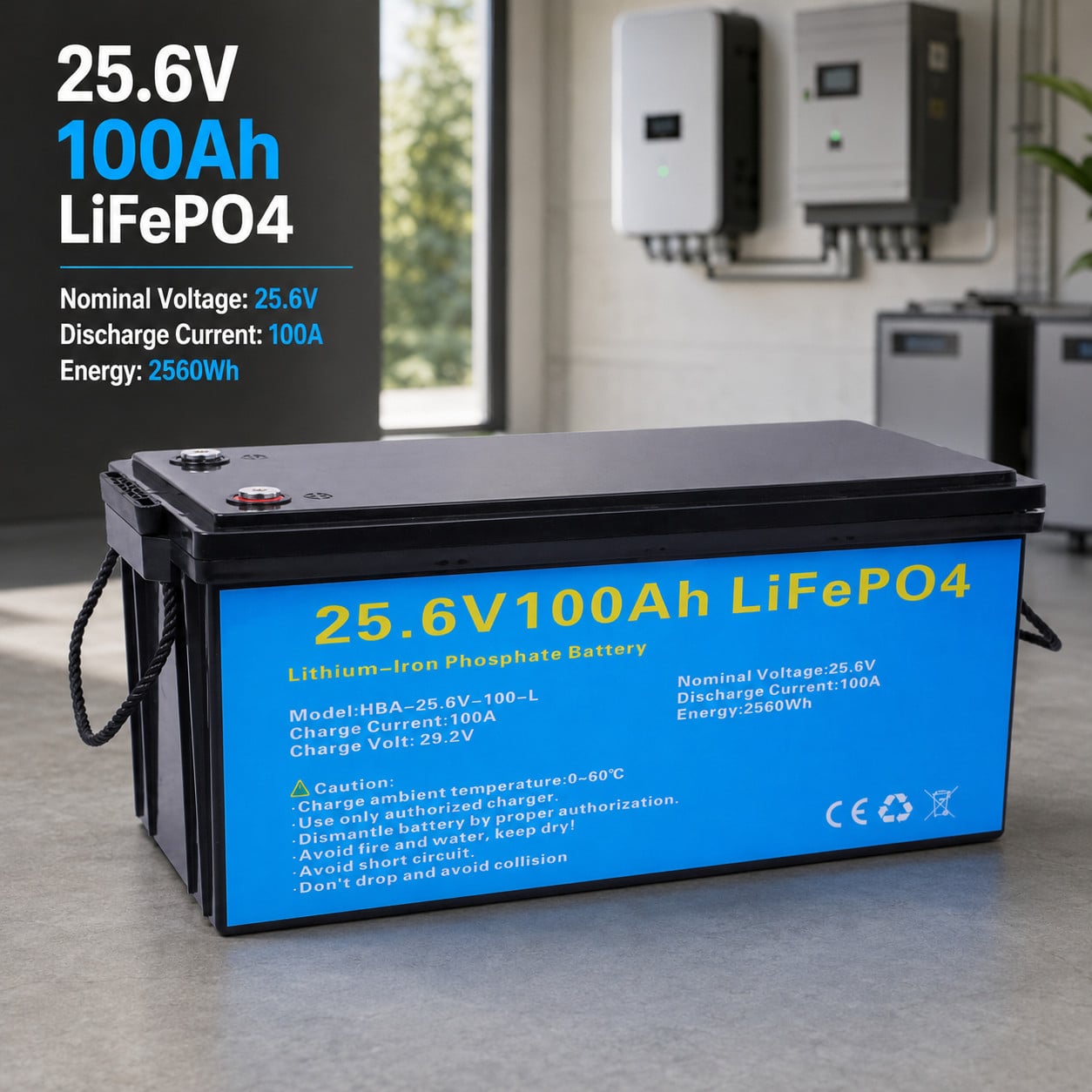
Capacity (Ah): This indicates the total charge the battery can deliver over a specified period. For solar applications, matching the capacity to your energy needs is essential to ensure reliability during peak usage times. 

Voltage (V): Common configurations include 12V, 24V, and 48V systems. The choice of voltage should align with the inverter and solar panel specifications to ensure compatibility and maximize efficiency. 

Cycle Life: YANSHUO LiFePO4 batteries typically offer a cycle life of 2000 to 5000 cycles, depending on the depth of discharge (DoD). A higher cycle life translates to lower long-term costs and improved sustainability. 

Thermal Management: Effective thermal management is crucial for performance and safety. LiFePO4 batteries have a higher thermal stability compared to other lithium-ion batteries, reducing the risk of overheating during operation. 

Discharge Rate: This is the rate at which the battery can deliver energy. Higher discharge rates are beneficial for applications with sudden power demands, such as starting generators or running heavy machinery. 

When evaluating these specifications, consider how they align with your project's energy requirements and operational conditions.

Get a Free Quote

Our representative will contact you soon.
0/1000