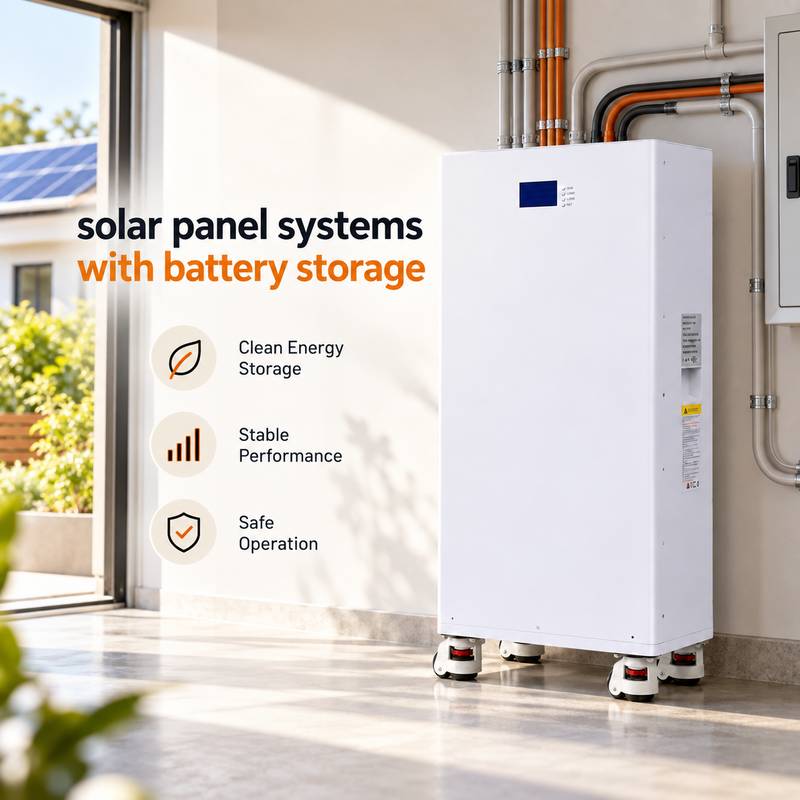
Choosing Solar Panel Systems with Battery Storage

5,000+ units ready stock, 1–5 days fast global delivery

application/solar-panel-systems-with-battery-storage, application/solar-panel-systems-with-battery-storage, 
Inquiry
application/solar-panel-systems-with-battery-storage, application/solar-panel-systems-with-battery-storage, 
Inquiry

solar panel systems with battery storage

Solar panel systems with battery  storage have become a  critical  component in  the  energy landscape,  allowing for efficient  energy utilization  and  enhanced reliability.  For B2B buyers, particularly purchasing managers,  engineers, and product  managers, understanding the nuances  of these systems is vital. This  article addresses key  considerations, supplier sourcing, cost  benefits, common  issues, and  industry applications, facilitating informed decision-making for those looking to  integrate solar energy  solutions.

Where to Source Reliable Suppliers for Solar Panel Battery Systems

Where to Source Reliable Suppliers for Solar Panel Battery Systems

Finding trustworthy  suppliers for solar panel battery systems is essential for ensuring quality and reliability.  Here are  some strategies:

Industry Trade Shows:  Attending industry-specific trade shows and exhibitions can provide  direct access to manufacturers and  suppliers. It  allows for  firsthand assessment of products and  establishing relationships with key players in the industry.


Online Marketplaces and Directories: Utilize platforms like Alibaba, ThomasNet, and industry-specific directories to find manufacturers. Look for suppliers with positive  reviews, verified certifications, and those who have a proven track record  in the solar energy sector. For instance, you might explore Energy Storage Systems 3.6KW 5.5KW 24V 48V On/Off Grid Solar Inverter options.

Networking  with Industry Professionals: Engaging with industry forums, LinkedIn groups, and other networking platforms can  lead to recommendations for reliable suppliers. Connecting with other professionals can provide insights into the  suppliers’  reputations and product quality.

Requesting Samples: Before committing to large  orders, request samples to evaluate product quality and compatibility with your  specific needs. This step is crucial in  assessing the supplier's commitment to  quality.

Cost Benefits for Solar Panel Systems with Storage

Investing in solar panel systems with battery  storage presents several cost benefits, which can significantly  impact the  overall budget and financial planning.

Reduced Energy Costs: By utilizing  stored energy during peak demand times, businesses can reduce reliance on grid power, thereby lowering electricity bills. This is particularly beneficial in regions with high energy  tariffs.


Government Incentives: Many governments  offer incentives and  rebates for adopting renewable energy solutions, including solar systems with battery storage. Understanding  the available financial incentives can help offset initial  costs.

Long-Term Savings: Although the upfront investment may be substantial, the longevity of high-quality LiFePO4 batteries results in lower replacement costs over time. Additionally, the ability to  store  energy for use  during outages  enhances system value.

Increased Property  Value: Implementing  solar energy solutions can increase property value, making it a strategic  investment  for commercial properties. Potential buyers often view such systems as  an asset due to their  energy-saving capabilities.

Common Problems with Solar Panel Systems and Effective Solutions

While  solar panel systems with battery storage offer numerous advantages, they  can also  present certain challenges. Here are common issues and  their solutions:

Battery Degradation: Over time, battery performance can decrease due to factors  such as cycling and temperature  fluctuations. To mitigate this, opt  for high-quality batteries  with a longer life cycle, and ensure proper installation  in temperature-controlled environments.

Inefficient Energy Management: Poor energy management can lead to wasted energy or insufficient  power during high demand. Implementing a robust battery management  system (BMS) can optimize energy usage and  prolong battery life.

Installation Challenges: Improper installation  can  lead  to system inefficiencies. It's crucial to work with  certified installers who understand the specific requirements of solar panel systems  and can ensure proper integration and  setup.

Maintenance Requirements: Regular maintenance is necessary to ensure optimal performance. Establish a routine check-up schedule to inspect  battery health, connections,  and overall system functionality.

Applications of Solar Panel Systems with Battery Storage in Various Industries

Solar panel systems with  battery storage can be  utilized across multiple industries, enhancing operational  efficiency and sustainability. Key applications include:

Residential Use: Homeowners benefit from reduced electricity bills and backup power during  outages. The scalability of these systems allows  customization based on energy needs.

Commercial Facilities: Businesses,  particularly those with high energy demands, utilize solar  storage systems to stabilize energy costs and enhance energy independence.  Industries such as retail and manufacturing can significantly reduce  operational costs with effective energy management.

Marine Applications: In the marine sector, solar battery systems are used to provide power for navigation, lighting, and appliances on board boats and  yachts, offering a sustainable energy solution.

Recreational Vehicles (RVs): RV  owners increasingly rely on solar panel systems with battery storage to power appliances and devices while  on the road, reducing reliance on traditional fuel  sources  and  enhancing off-grid capabilities.


Emergency Backup: Businesses and facilities can implement these systems as a  backup  power source during grid outages, ensuring continuous operation and reducing downtime.

By considering these factors, businesses can make informed  decisions when evaluating solar panel systems with battery storage. Understanding specifications, sourcing reliable suppliers, recognizing cost benefits, addressing common issues, and exploring various applications can lead  to successful integration and utilization of renewable energy solutions.

What to Consider When Choosing Solar Panel Systems with Battery Storage

When  selecting solar panel systems with battery storage, several critical factors should be assessed to  ensure compatibility with specific applications.

Battery Chemistry: The choice of battery chemistry, such as LiFePO4 (Lithium Iron Phosphate), is crucial. LiFePO4  batteries provide enhanced safety, longer life  cycles, and greater thermal stability compared  to other lithium-ion batteries, making them suitable for  residential and commercial applications. For high-performance options, consider the High Performance 50Ah LiFePO4 Lithium Ion Battery Pack Deep Cycle 12V High Efficiency Lithium Iron.

Capacity and Power Rating: Determine the energy requirements of your application. The battery's capacity (measured in kilowatt-hours, kWh) should be sufficient to meet  your  peak energy  needs, while the power rating (measured in  kilowatts, kW) must align with the energy consumption patterns during the  day and night.


Integration with Existing Systems: Compatibility with existing solar panels and inverters is essential. Ensure that  the system can be seamlessly integrated into your  current setup without requiring significant  modifications.

Certification Standards: Look for systems with recognized certifications, such as UN38.3 and CE, which indicate compliance with safety and performance standards. This is  especially important for ensuring  reliability and  safety in various applications, including RVs and marine use.

Quality Control Processes: Investigate the  manufacturer’s quality control measures. A robust quality assurance process ensures that the products meet specified standards, which minimizes  the risk of failures.

Get a Free Quote

Our representative will contact you soon.
0/1000