Key Specifications for Solar PV Battery Storage Systems

5,000+ units ready stock, 1–5 days fast global delivery

application/solar-pv-and-battery-storage, application/solar-pv-and-battery-storage, 
Inquiry
Inquiry

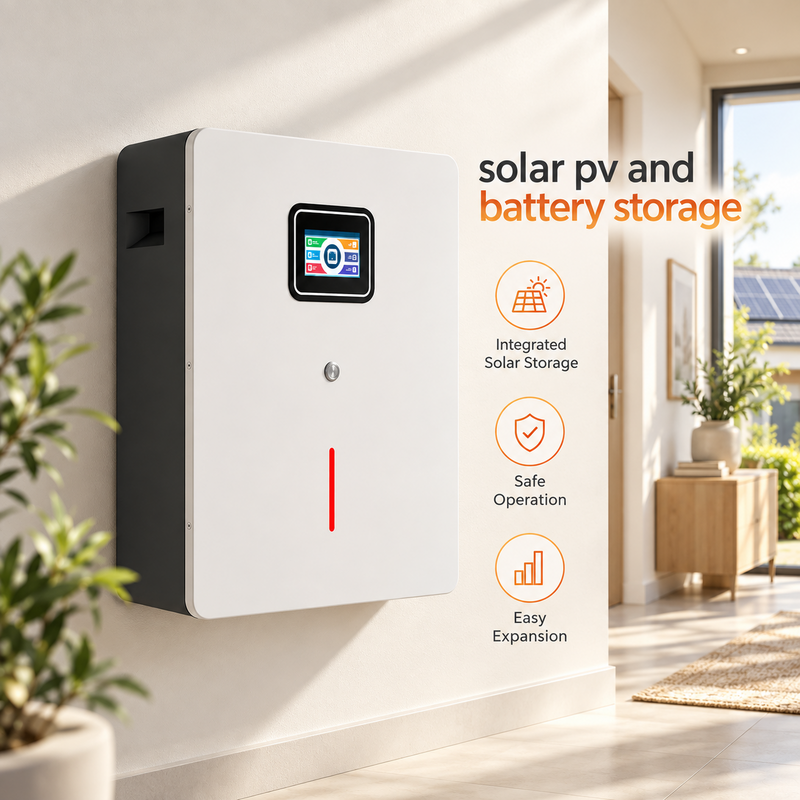
solar pv and battery storage

As the  global demand for renewable energy  sources increases, solar  PV and battery storage solutions  have become more critical  for businesses  aiming to reduce energy costs and enhance  sustainability.  This article explores essential aspects  of solar PV and  battery  storage systems, focusing on key  specifications, purchasing  guidelines, installation,  common  issues, and how to evaluate  quality. By understanding these  factors,  purchasing managers and distributors can make informed decisions that align  with  their operational needs and sustainability goals.

Wholesale Purchasing Guidelines for Solar PV and Energy Storage Products

Wholesale Purchasing Guidelines for Solar PV and Energy Storage Products

When purchasing solar PV and battery storage systems in bulk, several guidelines can  help streamline the  process and ensure a  satisfactory outcome:

Understand Your Requirements: Clearly define your project needs, including energy capacity, application (e.g.,  residential, commercial, or industrial), and any specific performance criteria. This will help suppliers provide tailored  solutions.

Request Detailed Quotations: When soliciting quotes from manufacturers like Shenzhen Yanshuosheng Technology  Co., Ltd., ensure they include information on pricing, lead times, and  any minimum order quantities (MOQ). This transparency  can assist in comparing different suppliers effectively.

Check for Customization Options: Many manufacturers offer customization for battery systems to better fit specific applications. Discuss your needs upfront to explore available options that may  enhance performance or compatibility, such as the All-in-One Energy Storage System 5.5KW / 7.5KW for large homes.

Evaluate  Supplier Reputation: Look for manufacturers with a proven  track record in the industry. Reviews, certifications, and case studies can provide insight  into their reliability and the quality of  their products.

Negotiate  Terms: Don't hesitate to  negotiate pricing and terms, especially for larger orders. Consider discussing payment terms and delivery schedules that  align  with your  project timeline.

By following these guidelines, buyers can  navigate the procurement  process more efficiently, leading to better purchasing decisions.

Installation Guidance for Efficient Solar PV and Battery Systems

Proper installation of solar  PV and  battery storage systems is crucial for achieving optimal performance and longevity. Here are essential considerations for efficient installation:

Site Assessment:  Conduct  a thorough site assessment to determine the best location for solar panels and battery installation.  Factors such as sunlight exposure, shading, and local regulations should be evaluated.

Professional Installation: Engage qualified installers familiar with solar  PV  and battery systems.  Their expertise can help ensure compliance with  safety standards and local  regulations, reducing the risk  of installation errors.

System Integration: Ensure that the solar PV system is correctly integrated  with the battery storage unit. This  includes proper connections, monitoring systems, and software for energy management to optimize the performance  of the  entire system.

Regular  Maintenance: After  installation, implement a maintenance schedule to monitor the performance of both the solar panels and battery system.  Regular checks can identify  issues early and extend the lifespan of the equipment.

By following these installation guidelines, businesses can maximize the efficiency and reliability of their solar PV and  battery storage systems.

Common Problems with Solar PV and Battery Storage and Their Solutions

While  solar PV and  battery  systems are generally  reliable, issues  can arise. Here are some common problems and their  solutions:

Battery Degradation: Over time, battery performance may  decrease due to factors like extreme temperatures or improper charging cycles. To mitigate this, ensure that the battery management  system (BMS) is functioning correctly and follow  manufacturer guidelines for charging  and discharging.


Incompatibility Issues: Sometimes, batteries may not integrate well with existing solar systems. To avoid this, confirm compatibility  with your current solar inverter and other  components before purchasing.

Underperformance: If  the system is not producing expected energy levels, check for issues such as shading on solar panels, dirt accumulation, or faulty connections. Regular maintenance and cleaning can help maintain optimal performance.


Safety Hazards: Overcharging  or overheating can pose safety risks. Ensure that your system includes robust safety features, such  as thermal protection and automatic  shutdown mechanisms.

By proactively  addressing these common issues,  businesses can enhance the reliability of their solar PV and battery storage systems.

Evaluating Quality in Solar PV and Battery Storage Products for Buyers

To ensure a  successful procurement process, buyers must evaluate the quality of solar PV and battery storage products carefully. Here are key aspects to consider:

Material Quality: High-quality materials contribute to better performance and longevity. Assess the specifications of the materials used in battery production, such as  the robustness of the casing and the quality of internal components, especially for products like the LiFePO4 Battery 25.6V 48V.


Manufacturing Processes: Understanding the manufacturer's production capabilities can  provide insight into  product quality. Investigate whether  the manufacturer employs advanced manufacturing techniques and quality  control processes to minimize  defects.


Third-Party Testing: Look for products that have undergone  third-party testing and certification. This can validate claims made by the  manufacturer and provide assurance regarding product performance and safety.

Customer Feedback: Gather reviews and testimonials from  other customers who have used the  products. Positive feedback can indicate reliability and performance, while consistent complaints may signal potential issues.

Warranty and Support:  Evaluate the warranty terms offered  by  the manufacturer. A strong warranty can indicate confidence in the product's quality and provide  peace of mind for buyers.

By focusing on these  quality evaluation criteria, purchasing managers can ensure they select  dependable solar PV and  battery storage systems that meet their business needs.

Key Specifications for High-Quality Solar PV Battery Storage Systems

When  evaluating solar PV and  battery storage systems, several key specifications should be considered to ensure  optimal performance and compatibility with energy needs.

Battery  Chemistry: Lithium Iron Phosphate (LiFePO4) is a common choice due to its thermal stability, safety, and long  cycle life. Buyers should ensure  the chosen battery chemistry aligns with their specific energy storage requirements and application. For example, the High Performance 50Ah LiFePO4 Lithium Ion Battery Pack is an excellent option for those looking for reliable battery storage.


Capacity and Depth of Discharge (DoD): The capacity of  the battery, measured in kilowatt-hours (kWh), indicates how much energy it can store. The DoD indicates  how much of the battery's capacity can be used without affecting its lifespan. A higher DoD provides more usable energy  but may affect battery longevity.

Efficiency: This measures how much energy is stored and retrieved from the battery. Higher efficiency rates (above 90%) mean less energy is lost during charging and discharging,  which is crucial for maximizing performance.

Cycle Life: This specification indicates how many times a battery can be charged  and discharged before its capacity significantly diminishes. Look for batteries with a cycle life of 3000 cycles or  more for long-term  reliability.

Safety Certifications: Ensure the product has relevant certifications such as UN38.3 and CE, which indicate compliance with international safety standards. This is particularly important for commercial  applications to mitigate  risks  associated with battery failures.

By focusing on these specifications,  buyers can  choose a solar PV battery storage system that meets their operational demands  while ensuring safety and efficiency.

Get a Free Quote

Our representative will contact you soon.
0/1000