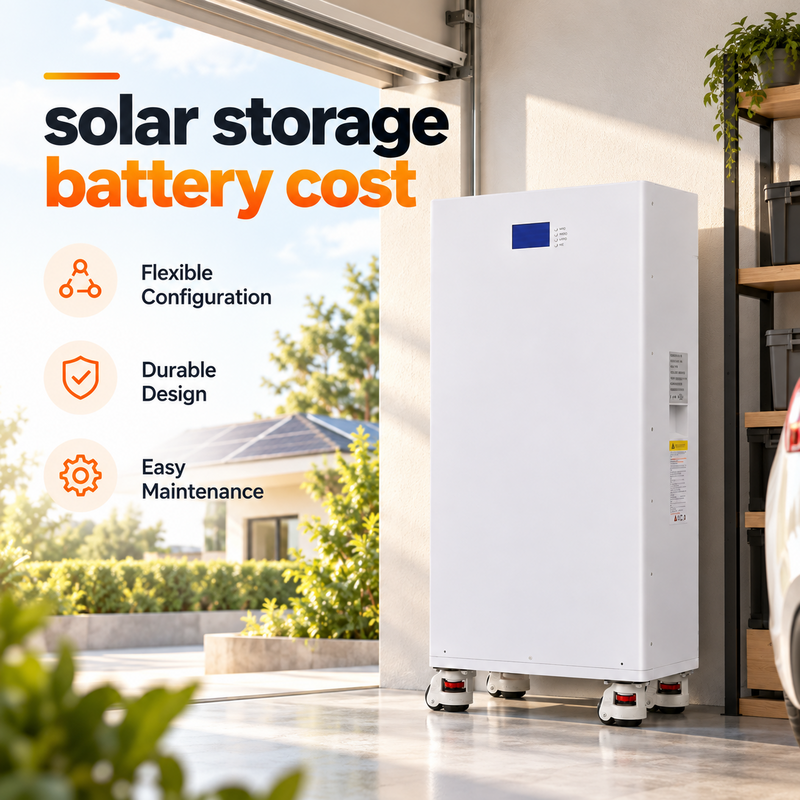
Understanding Solar Storage Battery Cost for Distributors

5,000+ units ready stock, 1–5 days fast global delivery

application/solar-storage-battery-cost, application/solar-storage-battery-cost, 
Inquiry
Inquiry

solar storage battery cost

The  cost of solar storage batteries  is a critical consideration for businesses looking to invest  in renewable  energy  solutions. As industries  move  towards sustainable energy  practices, understanding the factors influencing solar  storage battery cost becomes paramount for purchasing  managers, engineers, and distributors.  This article will explore essential aspects such as  key features, quality evaluation, common  issues, and strategies to  ensure optimal performance,  all  while providing  practical insights that  will aid in making  informed  purchasing decisions.

Key Features of Solar Storage Batteries

Key Features of Solar Storage Batteries

When evaluating solar storage batteries, focus on  key features that  influence performance and cost:

Capacity: Measured in amp-hours (Ah), capacity  indicates how much energy a battery can store. Choose a capacity that meets your application’s energy requirements  to avoid underperformance.


Cycle Life: This refers to the number of charge and discharge cycles a battery can undergo before its capacity significantly decreases. Lithium Iron Phosphate batteries typically offer a higher cycle life,  making  them  a cost-effective choice in the long run.


Efficiency:  Battery efficiency affects how much energy  is retained after charging. Higher efficiency translates  to lower energy waste,  impacting overall operational costs.

Temperature Tolerance: Different applications may expose batteries to varying temperature ranges.  Ensure  the chosen battery  can operate  effectively in the specific environmental conditions of its  intended use.

Safety Features: Look for batteries equipped with  advanced Battery Management Systems (BMS)  that prevent overcharging, deep discharging, and thermal runaway, enhancing safety during operation.

Evaluating Quality in Solar Storage Batteries for Wholesale Purchases

Quality evaluation is crucial  when considering wholesale purchases  of  solar storage batteries. Implement the following strategies:

Sample Approval: Always  request samples before finalizing bulk orders. This allows for physical  inspection of the battery's construction, weight, and overall quality, which cannot be  assessed  through specifications alone.

Material Verification: Understand the materials used, especially in LiFePO4 batteries. High-quality materials will ensure  durability and enhanced  performance, particularly in  demanding  applications.

Quality Control Processes: Inquire about  the manufacturer’s quality assurance measures. Established manufacturers, like Shenzhen Yanshuosheng Technology Co., Ltd., often  have rigorous quality control systems in place, ensuring consistency and reliability in production.

Testing  Standards: Confirm what testing procedures are employed to validate battery performance and safety. Proper testing protocols should align with international standards to ensure the product’s  reliability.

Customer  Reviews: Seek testimonials or case studies from other distributors who have  previously purchased the  products.  This can provide insight into the battery's real-world performance and the  supplier's reliability.

Common Problems with Solar Storage Batteries and Effective Solutions

Despite  advancements in technology, solar storage batteries can present common challenges. Here are some issues and their solutions:

Capacity Fade: Over time,  batteries  may lose their ability to hold charge. To mitigate this,  ensure proper charging practices  are  followed and  avoid deep discharging.

Temperature Sensitivity: Batteries may underperform in extreme temperatures. Investing in thermal management  solutions or selecting batteries with a wider operational temperature range can help.

Compatibility Issues: Ensure  that the  chosen battery is  compatible with the existing solar inverter and  other  system components. Verify specifications and  seek guidance from the supplier if necessary.

BMS Failures: A malfunction in the Battery  Management System can lead to safety risks. Regularly inspect the system for updates and ensure the BMS has robust protection  features.

Long Lead Times: Occasionally, suppliers may struggle with  timely deliveries. Establishing  strong  communication and contingency plans can alleviate potential disruptions.


Ensuring Optimal Performance

Maintaining optimal performance in solar storage batteries involves several best practices:

Regular Maintenance: Schedule routine inspections to ensure all connections are secure and that the battery is functioning  as expected. This includes checking for corrosion or wear in terminals.

Proper  Installation: Follow  manufacturer guidelines for  installation to  avoid improper use, which  can lead to performance issues or safety hazards.

Monitoring Systems: Implement  monitoring solutions to track battery performance  metrics.  This data can provide insights into efficiency, usage patterns,  and potential issues before they escalate.

Educating End Users: Provide training for end users on optimal usage practices and signs of battery  distress. This can enhance the longevity and reliability of the battery systems.

Supplier Collaboration: Maintain open lines of communication with your supplier for ongoing support and updates regarding  new technology or product enhancements that can improve performance.

By understanding solar storage battery costs and the  factors that influence  them, B2B buyers can make informed decisions that align with their operational  needs and  budget constraints. This article  aims to empower  purchasing managers, engineers, and distributors with practical  insights to  facilitate successful investments in solar energy solutions.

A Guide for Distributors

Distributors play a vital role in  the supply chain of solar storage batteries. When selecting a  supplier, consider  the following factors:

Product Range: Ensure the supplier  offers a  variety  of battery types, such as LiFePO4 (Lithium  Iron Phosphate) batteries, which are renowned for their safety, longevity, and thermal stability. This versatility allows you to cater to different application needs, whether for residential storage, RVs, marine, or  UPS systems.

Certifications: Look for manufacturers with essential certifications, such  as UN38.3 and CE, which indicate compliance  with international safety standards. This not only assures quality but also facilitates smoother  import processes across  different markets.

Pricing Structure: Understand the pricing  model, including factors like  Minimum Order Quantity (MOQ) and volume discounts. This knowledge can enhance your negotiation leverage and overall profitability.

Lead Times: Confirm production and delivery timelines to ensure they align with your inventory  management strategies.  A reliable  supplier like Shenzhen Yanshuosheng Technology Co., Ltd. can provide clarity on lead  times based on production capacity.

Technical Support: Evaluate the level  of technical assistance offered. A knowledgeable supplier can provide valuable insights into product specifications  and suitability for specific applications.

Get a Free Quote

Our representative will contact you soon.
0/1000