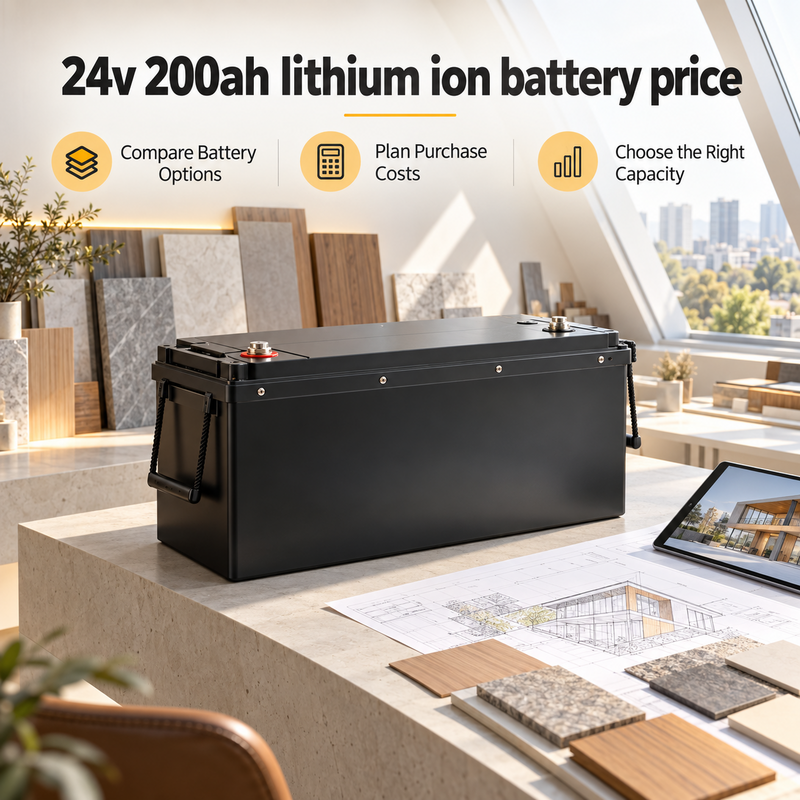
24V 200Ah Lithium Ion Battery Specifications & Price

5,000+ units ready stock, 1–5 days fast global delivery

application/24v-200ah-lithium-ion-battery-price, application/24v-200ah-lithium-ion-battery-price, 
Inquiry
Inquiry

24v 200ah lithium ion battery price

A 24V 200Ah lithium-ion battery is a powerful energy storage solution designed for various applications, including solar energy systems, RVs, UPS systems, and marine uses. As organizations increasingly focus on sustainability and energy efficiency, understanding the 24V 200Ah lithium ion battery price and its associated specifications becomes critical for purchasing managers, engineers, and procurement professionals. This article aims to provide insights into evaluating these batteries, assessing quality, addressing common issues, exploring bulk order advantages for 24V 200Ah lithium ion battery benefits, and identifying reliable suppliers for 24V 200Ah lithium ion batteries. 

How to Assess the Quality of 24V 200Ah Lithium Ion Batteries

How to Assess the Quality of 24V 200Ah Lithium Ion Batteries

Assessing the quality of lithium-ion batteries involves several steps: 

Certifications: Verify that the battery has relevant certifications such as UN38.3 and CE. These certifications indicate compliance with international safety and transport standards, ensuring the battery meets quality of 24V 200Ah lithium ion batteries benchmarks. 

Manufacturer Reputation: Research the manufacturer's background. Companies like Shenzhen Yanshuosheng Technology Co., Ltd. that specialize in LiFePO4 systems have a proven track record in energy storage solutions and can offer insights into their production practices. 

Testing Procedures: Inquire about the quality control processes in place. Manufacturers should conduct rigorous testing on their batteries, including performance under various environmental conditions and stress tests. 

Customer Reviews and Case Studies: Look for feedback from other buyers who have used the battery in similar applications. Case studies can provide practical insights into the battery's performance and reliability. 

Sample Approval: Request samples to evaluate the product firsthand. Assess lithium ion battery 24v 200ah performance under actual use conditions, which can reveal potential issues not apparent from specifications alone. 

Common Problems with 24V 200Ah Lithium Ion Batteries and Solutions

While 24V 200Ah lithium-ion batteries are robust, they can encounter specific issues: 

Capacity Fade: Over time, batteries may experience capacity fade due to repeated cycles. To mitigate this, ensure proper charging practices are followed, and avoid deep discharges that can strain the battery. 

Temperature Sensitivity: Lithium-ion batteries can be sensitive to extreme temperatures. Using thermal management systems can help maintain optimal operating conditions, enhancing performance and lifespan. 

Self-Discharge: If left unused for extended periods, batteries may self-discharge. Implement a regular maintenance schedule that includes periodic charging to maintain capacity. 

Compatibility Issues: Not all batteries are suitable for every application. Ensure the lithium ion battery for solar system specifications match your system's requirements, particularly regarding voltage, current capacity, and discharge rates. 

Bulk Order Advantages for 24V 200Ah Lithium Ion Battery Purchases

Purchasing 24V 200Ah lithium-ion batteries in bulk can offer several advantages for businesses: 

Cost Savings: Bulk orders often come with discounts, reducing the overall unit price. This is particularly beneficial for large-scale projects or ongoing needs. 

Customization Options: When ordering in bulk, manufacturers may provide customization options that cater to specific application needs, such as modified dimensions or integrated features. 

Consistent Supply: Establishing a bulk purchase agreement can ensure a consistent supply of batteries, reducing the risk of interruptions in your operations. 

Streamlined Logistics: Ordering in larger quantities can simplify logistics and reduce shipping costs per unit, making it easier to manage inventory levels. 

Where to Find Reliable Suppliers for 24V 200Ah Lithium Ion Batteries

Identifying reliable suppliers is crucial for securing quality 24V 200Ah lithium-ion batteries. Here are some strategies: 

Industry Trade Shows and Expos: Attend industry-specific events where manufacturers showcase their products. This is an excellent opportunity to meet suppliers, view their offerings, and ask questions directly. 

Online Research: Use online platforms to find suppliers with a strong presence in the lithium-ion battery market. Look for companies that provide detailed product information and customer support. 

Networking: Leverage industry contacts and professional networks to gain recommendations for reputable suppliers. First-hand accounts from other businesses can provide valuable insights. 

Supplier Evaluations: Conduct thorough evaluations of potential suppliers. This includes reviewing their manufacturing capabilities, certifications, and customer service practices. 

By understanding the specifications, assessing quality, addressing potential issues, exploring bulk order benefits, and identifying reliable suppliers, purchasing managers and other professionals can make informed decisions when considering 24V 200Ah lithium ion battery price and suitability for their applications. 

Key Specifications for 24V 200Ah Lithium Ion Battery Evaluations

When evaluating a 24V 200Ah lithium-ion battery, several specifications should be prioritized. Key among these are: 

Voltage and Capacity: The nominal voltage of 24V and capacity of 200Ah indicate the battery can deliver a maximum of 4800 watt-hours of energy. Understanding your energy requirements will help determine if this capacity meets your application's needs.  

Cycle Life: The cycle life, typically measured in charge/discharge cycles, indicates how long the lithium ion battery for solar storage can last before its capacity diminishes significantly. Batteries with a higher cycle life may have a higher upfront cost but offer better long-term value. 

Discharge Rate: This specification informs how quickly the battery can release its energy. A higher discharge rate may be necessary for applications requiring quick bursts of power, such as in an RV or during power outages. 

Weight and Dimensions: The physical size and weight of the battery can impact installation and handling. Ensure compatibility with your device or setup, especially in space-constrained environments. 

Safety Features: Look for batteries with integrated Battery Management Systems (BMS) that protect against overcharging, short circuits, and overheating, which are vital for both safety and longevity. 

Get a Free Quote

Our representative will contact you soon.
0/1000