Choosing Lithium-Ion Batteries for Solar Systems

5,000+ units ready stock, 1–5 days fast global delivery

application/lithium-ion-battery-for-solar-system, application/lithium-ion-battery-for-solar-system, 
Inquiry
application/lithium-ion-battery-for-solar-system, application/lithium-ion-battery-for-solar-system, 
Inquiry

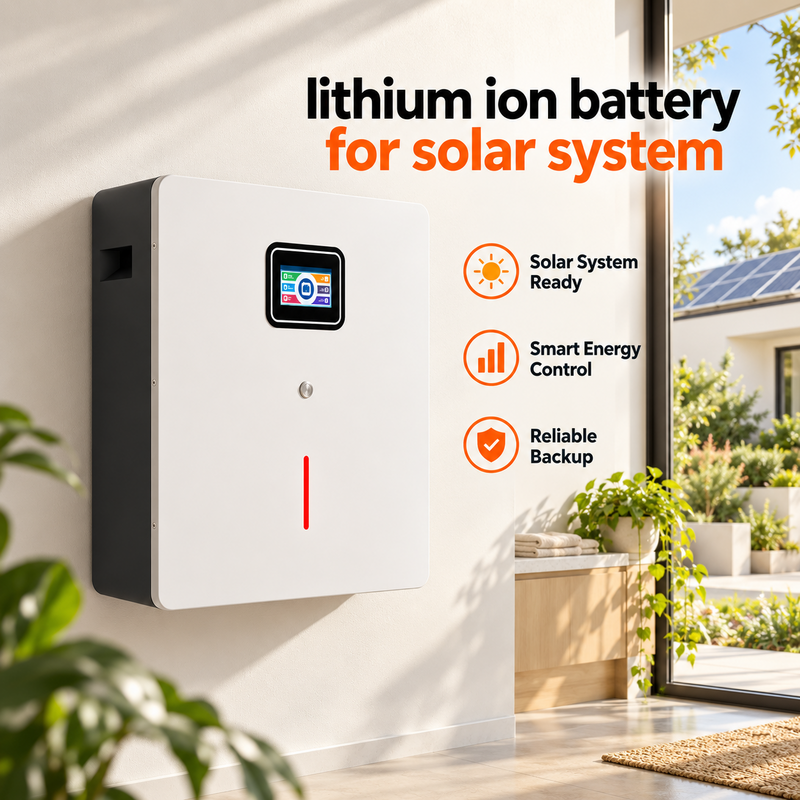
Lithium ion battery for solar system

Lithium-ion batteries are increasingly becoming the backbone of solar systems, offering efficient energy storage solutions for various applications, including residential storage, RVs, UPS, and marine uses. When selecting a lithium-ion battery for a solar system, B2B buyers often have specific concerns such as performance specifications, compatibility with existing systems, and overall reliability. This article will guide you through critical factors to consider when choosing lithium-ion batteries for solar applications, helping you make informed purchasing decisions.

Key Specifications for Lithium-Ion Batteries in Solar Applications

Key Specifications for Lithium-Ion Batteries in Solar Applications

The key specifications of lithium-ion batteries can significantly affect their performance in solar applications. Here are some vital specifications to consider: 

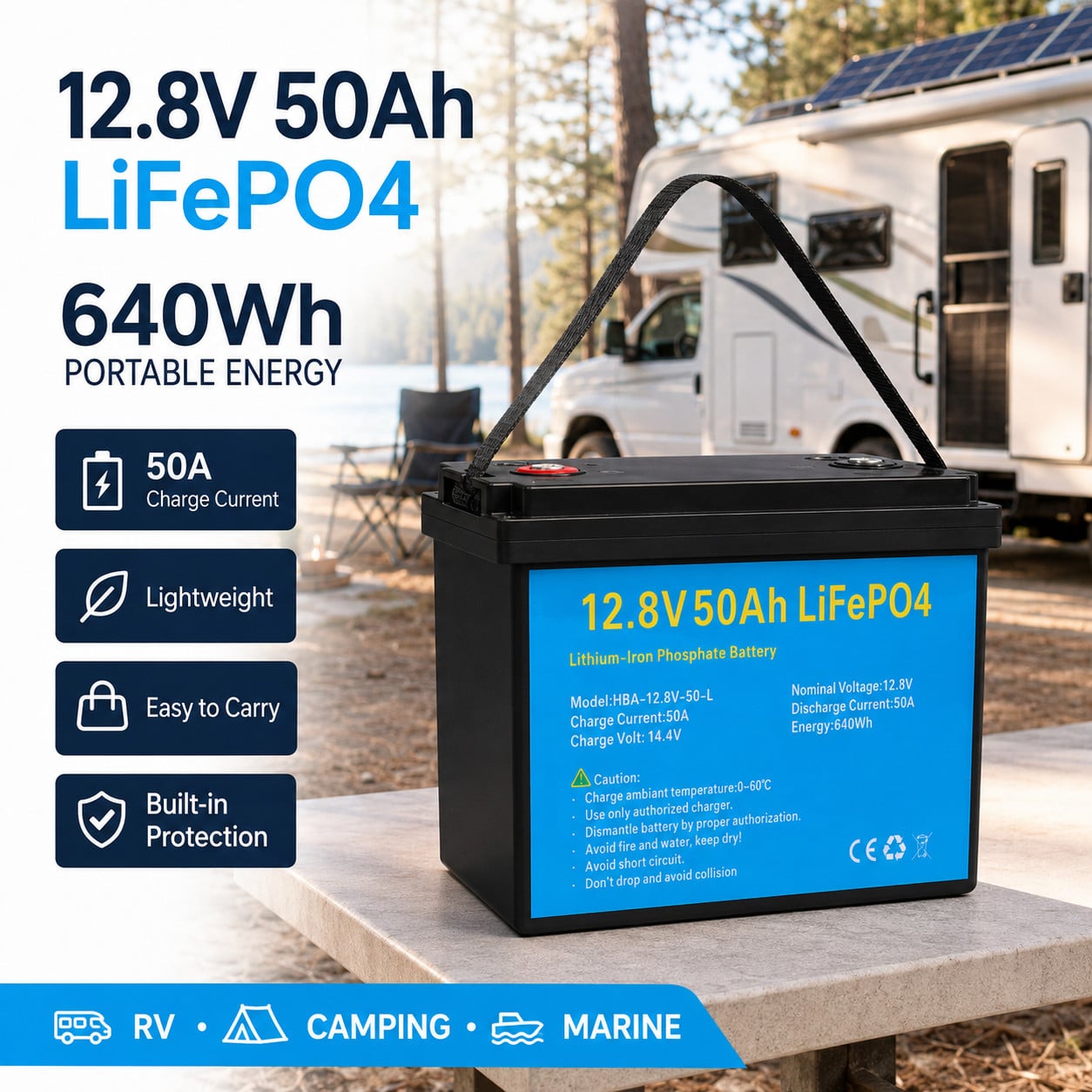
Voltage Rating: Lithium-ion batteries typically operate at 12V, 24V, or 48V. The voltage rating should be compatible with the solar inverter and the overall system design to ensure efficient energy transfer. 

Energy Density: Measured in watt-hours per kilogram (Wh/kg), energy density indicates how much energy the battery can store relative to its weight. Higher energy density translates to lighter batteries, which can be advantageous in applications with weight constraints. 

Charge/Discharge Efficiency: This specification shows how effectively the battery can convert stored energy into usable power. A higher efficiency rate means less energy is wasted during the conversion process, optimizing the overall performance of the solar system. 

Operating Temperature Range: Lithium-ion batteries can experience performance issues outside of their optimal temperature range. Understanding the operating temperature limits ensures that the battery will function effectively in various environmental conditions. 

BMS Integration: A Battery Management System (BMS) is crucial for monitoring the battery's health, managing charge cycles, and ensuring safety. An independent BMS can enhance performance and reliability by preventing overcharging and deep discharging. 

How to Compare Wholesale Suppliers of Lithium-Ion Batteries

When sourcing lithium-ion batteries for solar systems, comparing wholesale suppliers is essential to ensure quality, reliability, and cost-effectiveness. Here are several criteria to consider: 

Product Range: Evaluate the supplier's product offerings, including various 12v lithium deep cycle battery sizes, capacities, and chemistries. A supplier with a diverse range can better meet specific project needs and facilitate customization. 

Certifications and Compliance: Ensure that the supplier’s products meet relevant safety and performance standards, such as UN38.3 and CE certifications. This compliance indicates a commitment to quality and safety. 

Quality Control Processes: Inquire about the supplier’s quality assurance practices. A reliable supplier should have established quality control measures in place, including testing and inspection protocols during production. 

Customer Support and Service: Assess the supplier's customer service capabilities. A responsive supplier can address inquiries, provide technical support, and assist with installation guidance, which can be invaluable post-purchase. 

Pricing and Minimum Order Quantity (MOQ): Compare pricing structures among suppliers while considering the MOQ. Understand the factors affecting pricing, such as customization, packaging, and shipping, to ensure the best value for your investment. 

Installation Guidance for Lithium-Ion Batteries in Solar Systems

Proper installation of lithium-ion batteries is crucial for optimal performance and safety in solar systems. Here are key installation considerations: 

Location: Install batteries in a dry, cool, and well-ventilated area. Avoid direct sunlight and extreme temperatures to prevent overheating and degradation of battery performance. 

Electrical Connections: Ensure that all electrical connections are secure and compatible with the system's specifications. Use appropriate gauge wiring and follow manufacturer guidelines to prevent voltage drops and overheating. 

Safety Measures: Implement safety measures during installation, such as utilizing circuit breakers and fuses to protect against overcurrent situations. Ensure that the installation complies with local electrical codes and regulations. 

BMS Configuration: If the battery includes a BMS, configure it according to the specific application requirements. Proper BMS setup will enhance battery lifespan and performance by managing charge cycles effectively. 

Testing: After installation, conduct thorough testing to verify that the battery and solar system are functioning correctly. Monitor performance metrics to ensure everything operates within expected parameters. 

Common Problems with Lithium-Ion Batteries and Their Solutions

Lithium-ion batteries can encounter several common issues, but understanding these problems can help mitigate risks and ensure longevity. Here’s a look at some frequent challenges: 

Overcharging: Overcharging can lead to battery failure or safety hazards. To prevent this, ensure that the BMS is properly configured to limit charge voltage and prevent over-discharge, which can also damage the battery. 

Temperature Sensitivity: Extreme temperatures can affect battery performance and lifespan. Implement thermal management solutions, such as ventilation or temperature monitoring systems, to keep the battery within its specified operating range. 

Self-Discharge: Lithium-ion battery storage system can experience self-discharge over time, which can lead to reduced capacity if not addressed. Regularly monitor the charge level and perform maintenance charging if the battery is not in regular use. 

Capacity Loss: Over time, lithium-ion batteries may lose capacity due to repeated charge cycles. To extend battery life, avoid deep discharges and maximize the use of the battery within its recommended DoD. 

Compatibility Issues: Ensure that the battery is compatible with the solar inverter and other system components. Misalignment can lead to performance inefficiencies. Consult with manufacturers or suppliers for compatibility checks before installation. 

By understanding these aspects, B2B buyers can make informed decisions when selecting lithium-ion batteries for solar systems, ensuring they meet their operational needs while maximizing efficiency and safety. 

What to Consider When Choosing Lithium-Ion Batteries for Solar Systems

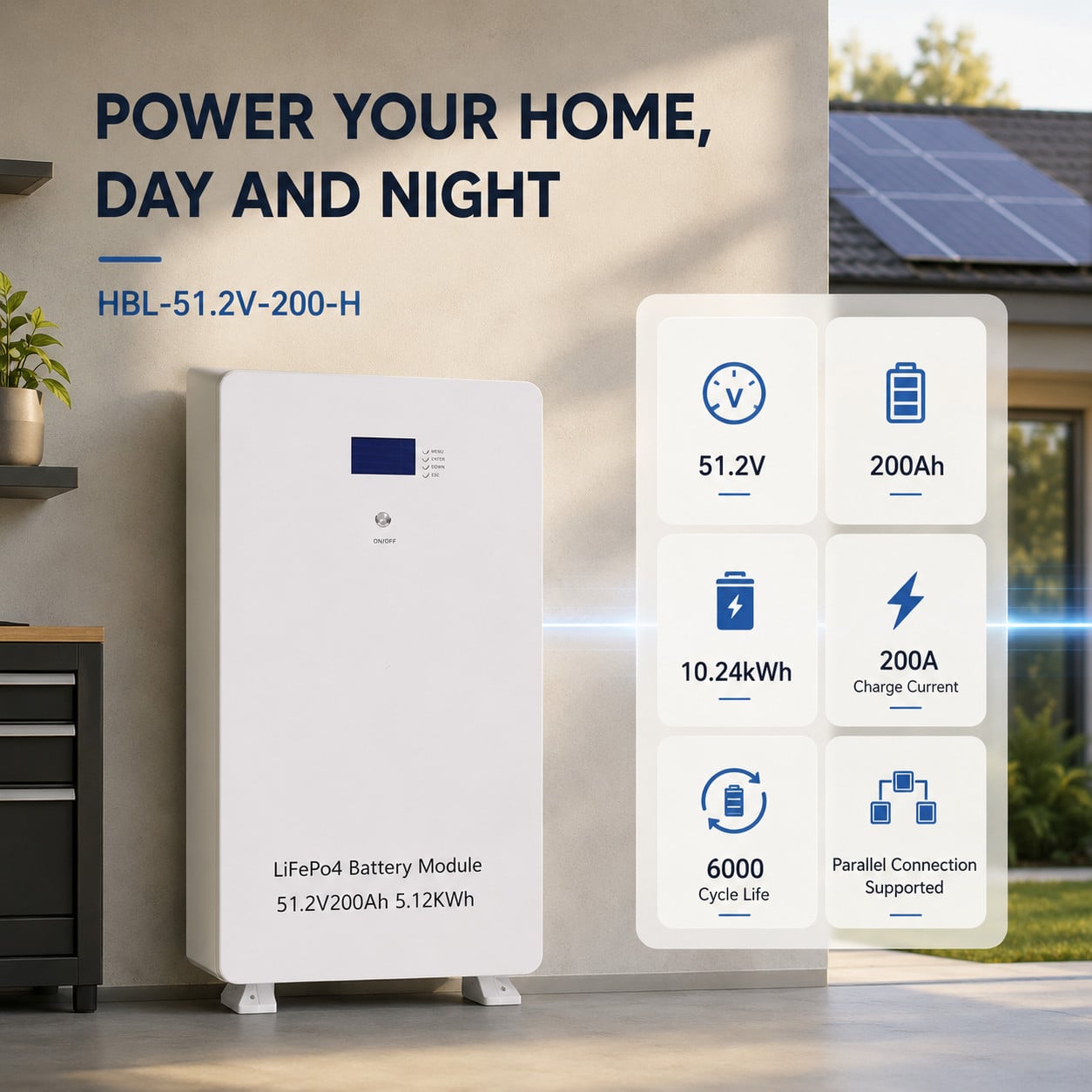
When evaluating lithium-ion batteries for solar systems, several factors play a crucial role in ensuring optimal performance and longevity. One primary consideration is the battery chemistry; lithium iron phosphate (LiFePO4) batteries are widely recognized for their thermal stability and enhanced safety features, making them a popular choice for solar applications. 

Another key factor is the battery capacity, measured in amp-hours (Ah). This specification indicates how much energy the battery can store and deliver. For solar systems, it’s vital to match the battery capacity with the expected energy consumption and generation capacity of the solar panels to avoid underperformance. 

Buyers should also consider the battery’s depth of discharge (DoD), which refers to the percentage of the lithium ion battery pack 48v that can be safely used. A higher DoD allows more usable energy while enhancing the battery's lifespan. Additionally, the battery's cycle life the number of charge and discharge cycles it can undergo before capacity diminishes significantly should align with the expected usage patterns in your solar system. 

Lastly, check for certifications such as UN38.3 and CE, which ensure the battery meets international safety and performance standards. These certifications are crucial for ensuring reliability and compliance in various markets. 

Frequently Asked Questions

What applications suit this lithium ion battery?

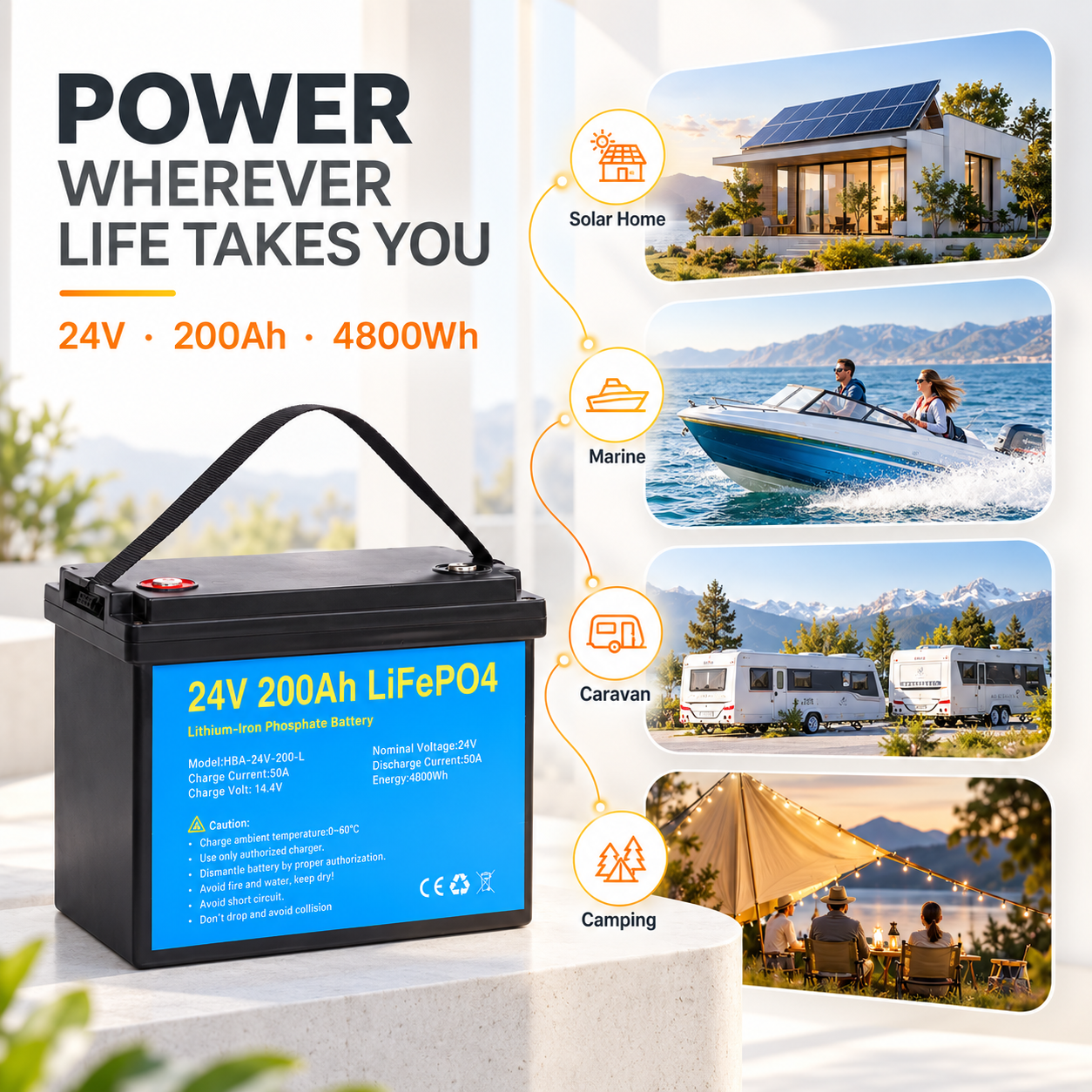
Designed for solar energy storage, residential backup, RV, UPS and marine use, offering reliable deep-cycle performance for off-grid and hybrid systems.
Our product uses LiFePO4 chemistry with independent BMS and UN38.3 and CE certifications for transport, safety and compliance.
LiFePO4 cells provide long cycle life—typically thousands of cycles. Warranty terms vary; contact us for specific model warranty details.
Yes. They support common solar inverters and charge controllers; our team provides compatibility guidance and BMS integration details for smooth installation.
We ship to over 50 countries with compliant packaging and documentation. Technical support and installation guidance are available for international customers.

Get a Free Quote

Our representative will contact you soon.
0/1000