Choosing the Right 48 Volt Li-Ion Battery Charger

5,000+ units ready stock, 1–5 days fast global delivery

application/48-volt-li-ion-battery-charger, application/48-volt-li-ion-battery-charger, 
Inquiry
Inquiry

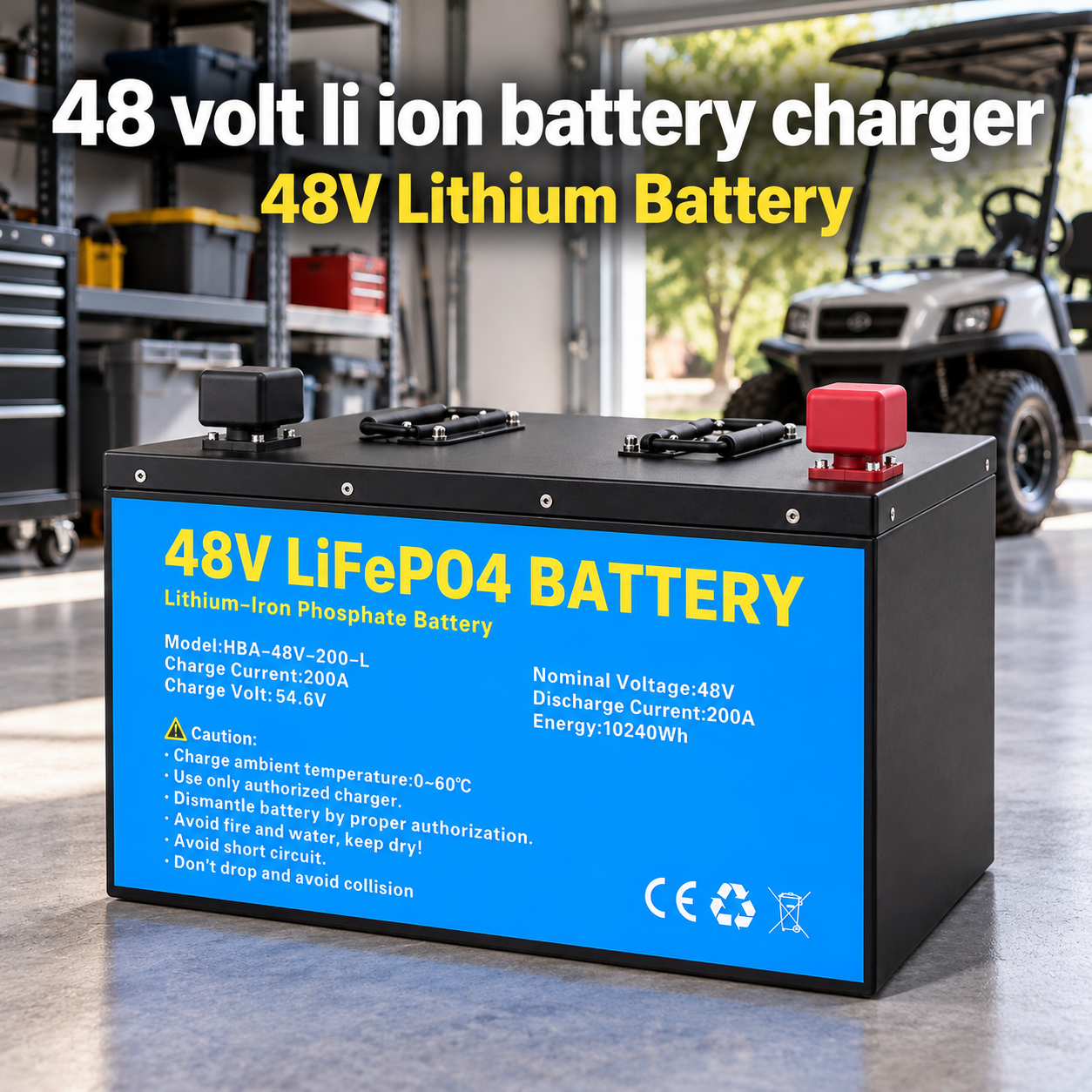
48 volt li ion battery charger

When it  comes to powering  your equipment with efficiency  and reliability, a 48  volt Li-Ion battery charger is essential.  This technology  is widely used  in various applications, including renewable energy systems, RVs,  UPS systems, and marine  environments. B2B buyers  often  have concerns regarding compatibility, efficiency, quality, and supplier reliability. This  article will guide you through choosing the right  charger, finding  dependable suppliers, exploring bulk order options, understanding  applications  across industries, and dissecting  essential features to look  for in a 48 volt Li-Ion battery  charger.

 
Where to Find Reliable Suppliers for 48 Volt Li-Ion Battery Chargers

Where to Find Reliable Suppliers for 48 Volt Li-Ion Battery Chargers

Finding a dependable supplier requires careful evaluation of potential candidates. Start by researching manufacturers with a solid reputation in the industry. Look for companies that have relevant certifications, such as UN38.3 and CE, which indicate compliance  with safety and quality standards.

Online platforms, trade shows,  and  industry  directories can also serve as valuable resources for identifying  suppliers. Engaging in forums or groups dedicated to battery technology can provide insights and recommendations from industry  peers. 

Another critical aspect is to review the supplier's experience in  your specific application  area—be it  solar, RV,  UPS, or marine. Companies like Shenzhen Yanshuosheng Technology Co., Ltd., with  a  focus on LiFePO4 energy  storage systems, can  offer specialized knowledge and  products tailored  to your needs. For those interested in solar applications, consider exploring Energy Storage Systems 3.6KW 5.5KW 24V 48V On/Off Grid Solar Inverter Pure Sine Wave Inverter MPPT Hybrid Inverters.

Once you have a list of potential suppliers, request samples  and specifications to assess product quality. Additionally, inquire about lead  times, minimum order quantities (MOQ), and customization capabilities to ensure they align with your purchasing strategy.


48 Volt Li-Ion Battery Chargers for Bulk Orders

For businesses  looking  to order  48 volt Li-Ion battery chargers in bulk, understanding  pricing structures and production capabilities  is vital. Most manufacturers offer tiered pricing  based on order volume, so it’s beneficial to assess your needs carefully before placing a bulk order.

Inquire about  the MOQ, as  this can vary significantly between suppliers. Some may require higher quantities, while others may offer flexibility for smaller  businesses.

Additionally, confirm production lead times  for bulk orders, as these can affect your operations. Suppliers with established manufacturing  processes and  capacity—such as Shenzhen Yanshuosheng—are often better positioned to meet  large  order demands without sacrificing quality.

When  evaluating bulk orders, also consider shipping logistics. Discuss shipping  options and costs  with potential suppliers to avoid unexpected expenses  that  could impact  your overall budget.

Applications of 48 Volt Li-Ion Battery Chargers in Various Industries

The versatility of 48 volt Li-Ion battery chargers makes them suitable for a range of applications  across multiple industries. In renewable energy systems,  for example, these chargers are crucial for efficiently storing  power generated from solar panels. They facilitate seamless integration with solar  inverters, ensuring that energy is readily available for use.

In the RV and marine sectors, these chargers power essential electronics,  ensuring reliable performance for  navigation, communication systems, and appliances. They are favored for their compact size  and  lightweight, making them  ideal for mobile applications where weight and space are critical  considerations.


Additionally, in uninterruptible power supply (UPS) systems,  48  volt chargers play  a  vital role in maintaining  critical systems during outages.  Their ability to deliver high discharge rates ensures  that backup power is available when needed most.

Understanding the  specific requirements  of your industry application helps in selecting the right charger and ensures optimal performance and safety.

Understanding 48 Volt Li-Ion Battery Charger Features

When evaluating 48 volt Li-Ion battery chargers, several key  features should be prioritized to  ensure effective  performance. Look for chargers equipped with an intelligent battery management system (BMS),  which  can monitor battery health, charge  cycles, and temperature  to  maximize the lifespan of your battery.

Another important feature is the charger’s protection mechanisms, such as over-voltage, over-current, and short-circuit protection. These safeguards are essential for preventing damage to  both the charger and  the  battery, particularly in high-demand  applications.

Additionally, consider the physical design of the charger.  Compact, portable models  may be advantageous  for applications in mobile environments, while static installations may benefit from more robust designs that can withstand environmental factors.

Lastly, user-friendly interfaces that provide real-time  monitoring  and diagnostics can help in managing the charging process effectively. Such features enhance operational efficiency and can alert users to potential issues before they escalate.

By  understanding these features and their implications, buyers  can make informed decisions that align with their  operational needs and safety standards.

How to Choose the Right 48 Volt Li-Ion Battery Charger for Your Needs

Selecting the appropriate 48  volt Li-Ion battery charger depends on several key specifications and considerations. First, assess the output current  required for your specific application. Chargers come in various output ratings, and selecting one that matches your battery's  charging requirements ensures optimal  performance and longevity.


Next, consider the charging method. Common  options include constant current/constant voltage (CC/CV) and pulse  charging. The CC/CV method gradually  increases voltage while  maintaining a  constant current until the battery reaches full charge, which is standard for most lithium-ion batteries.  On the other hand, pulse charging can enhance battery life by reducing heat  generation during the process.

Additionally, pay attention to the charger’s efficiency rating,  which can significantly impact operational  costs, especially for large-scale applications. A high efficiency rating minimizes energy loss during charging, leading to lower electricity bills over time. For optimal efficiency, consider using a High Performance 50Ah LiFePO4 Lithium Ion Battery Pack Deep Cycle 12V High Efficiency Lithium Iron.

Lastly, ensure the charger is compatible  with the specific battery chemistry you're  using,  such as Lithium Iron Phosphate (LiFePO4), which is known for its safety  and  thermal stability. Choosing a charger that suits your battery type is crucial in avoiding performance issues and  potential hazards.

Get a Free Quote

Our representative will contact you soon.
0/1000