Choosing the Right 48V Li-Ion Charger for Your Needs

5,000+ units ready stock, 1–5 days fast global delivery

application/48v-li-ion-charger, application/48v-li-ion-charger, 
Inquiry
Inquiry

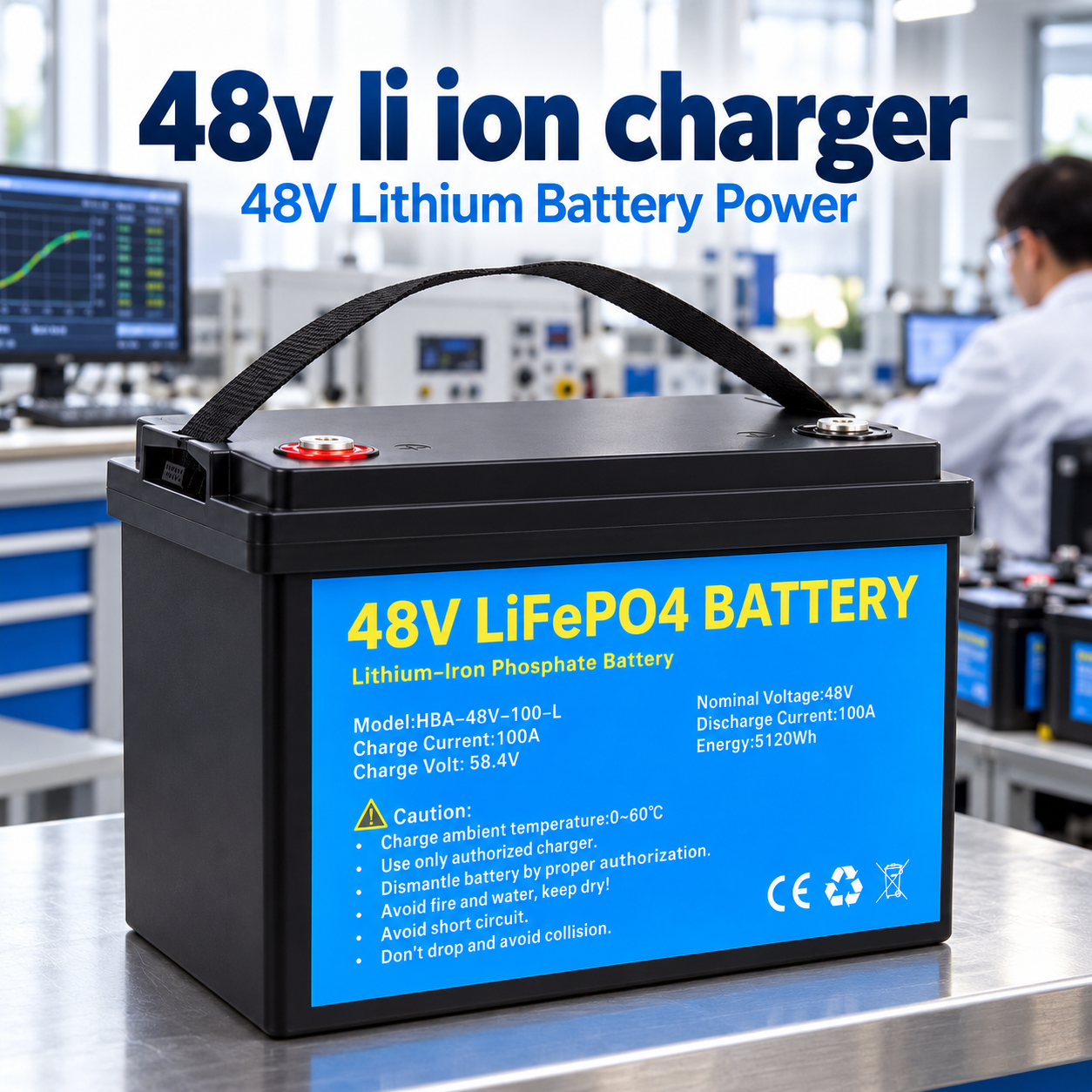
48v li ion charger

In the  realm of  energy solutions, the 48V  Li-Ion charger stands out as a  crucial  component for  powering various applications, including solar energy systems, RVs, uninterruptible power supplies (UPS), and marine operations.  For purchasing managers  and  engineers,  understanding the  nuances  of these chargers is essential for ensuring compatibility and efficiency in  their projects. This  article  will  delve into  key considerations, installation issues, cost  factors,  and supplier insights to aid in making informed purchasing decisions.

 
Common Installation Issues with 48V Li-Ion Chargers and Solutions

Common Installation Issues with 48V Li-Ion Chargers and Solutions

Installation  of 48V Li-Ion chargers can present several challenges, often leading to operational inefficiencies if not addressed correctly.  Common issues include:


Incompatible Connectors: Ensure that the charger's connectors match those of the battery or the system  it will serve.  Using adapters can lead to increased resistance and overheating.

Solution:  Always confirm connector types and consider custom solutions if needed  to guarantee a secure fit.

Improper  Mounting: Chargers must be installed in  a well-ventilated  area to prevent overheating. Inadequate airflow can lead to reduced efficiency and potential safety hazards.


Solution: Follow the manufacturer's guidelines for installation locations and consider the use  of ventilation fans if necessary.

Wiring Errors: Incorrect wiring can damage both the charger and the batteries. It's essential  to adhere to the wiring diagrams provided by the  manufacturer.

Solution: Utilize qualified personnel for  installation and conduct thorough inspections to ensure all connections are correct before  powering on the system.


Lack of Monitoring Systems: Without a monitoring system in place, it can be  challenging to track the performance  of the charger and battery.

Solution: Consider chargers that offer integrated monitoring capabilities to provide real-time data on charging status, battery  health, and performance metrics.

By proactively addressing these common installation issues, users can enhance the reliability and longevity of their 48V Li-Ion charging systems.

Understanding the Cost Factors of 48V Li-Ion Chargers for Wholesale

Cost considerations are vital  when sourcing 48V Li-Ion chargers, particularly for wholesale transactions.  Several factors influence pricing:

Volume of Purchase: Bulk orders typically  come with discounts. Suppliers often offer tiered pricing based on order quantities, encouraging larger purchases.

Quality of Components: Chargers made with high-quality components may have  a higher upfront  cost but can lead to lower maintenance and replacement costs  over time.

Customization Needs: Custom chargers designed for specific applications or branding may incur  additional development  costs. It's essential to clarify these needs upfront to avoid unexpected expenses.

Shipping and Import  Duties: Depending on the destination, shipping costs and import  duties can significantly  affect  the total expenditure. Ensure to factor these into the  overall budget.

Supplier Reliability: Established  suppliers with proven track records may command higher prices  due to their quality assurance processes and customer service. However,  they can also  provide peace of mind regarding product reliability.

Understanding these cost factors  will help purchasing managers negotiate better  terms and  make informed decisions when sourcing 48V Li-Ion chargers. For example, considering the High Performance 50Ah LiFePO4 Lithium Ion Battery Pack can also influence the overall cost-effectiveness of the project.

What Makes Our 48V Li-Ion Chargers Ideal for Diverse Applications?

Shenzhen Yanshuosheng  Technology Co., Ltd.  offers 48V Li-Ion chargers that are  well-suited for a variety of applications, including  renewable energy systems,  RVs, UPS, and marine  environments. Key advantages include:


Independent Battery Management System (BMS):  Our chargers integrate an advanced BMS, which optimizes battery performance,  prolongs lifespan, and enhances safety by monitoring and regulating charging parameters.

Certification Compliance: Our  products hold UN38.3 and CE certifications, ensuring  they meet rigorous international safety  and performance standards. This is crucial for buyers concerned  about reliability and compliance in various markets.

Versatile Compatibility: Designed to  work seamlessly with our LiFePO4 energy storage systems, our chargers are adaptable for various battery  configurations, making them ideal for diverse applications.


High Efficiency  and Fast Charging: Our chargers utilize cutting-edge technology to achieve high efficiency rates, enabling faster charging times and reduced energy costs, essential for commercial and residential energy solutions.

Robust Design: Built to withstand challenging environments, our chargers are durable and reliable, ensuring consistent performance in marine and outdoor applications.


These features make our 48V Li-Ion chargers  a valuable  investment for businesses seeking reliable power solutions across multiple applications.

Where to Find Trusted Suppliers for 48V Li-Ion Chargers Worldwide

Finding a reliable supplier for 48V Li-Ion chargers is  vital for ensuring consistent  quality and service. Here are some strategies to identify  trustworthy suppliers:

Industry Directories and  Trade  Shows: Participating  in industry trade shows and utilizing online directories can help connect buyers with reputable  manufacturers and suppliers.

Certifications and References: Verify that potential suppliers hold relevant certifications and  ask  for references from previous clients to gauge their reliability and quality of service.


Supplier Audits: Conducting audits or site visits can provide insight into a supplier's manufacturing practices and quality  control processes, offering  reassurance regarding their capabilities.

Online Marketplaces: Platforms such as Alibaba or Global Sources can help locate suppliers, but it's crucial to perform due diligence by checking reviews and  ratings.


Networking within  the Industry: Leverage professional networks and forums to  gather recommendations on trusted suppliers, as personal experiences can offer invaluable insights into supplier reliability.

By implementing these strategies, purchasing managers can establish  partnerships with suppliers  that ensure quality and reliability  in their  procurement of 48V Li-Ion chargers.

How to Compare 48V Li-Ion Chargers for Your Project Needs

When evaluating 48V Li-Ion chargers, buyers should consider several critical specifications that directly impact performance and suitability  for specific applications. Key factors include:

Output Current and Voltage: Ensure the charger matches the  battery specifications. Chargers typically output between  10A to 30A, but for larger  applications, higher  output may  be required.

Charging Algorithm: Different chargers use various charging methods such as constant  current/constant voltage (CC/CV) and pulse charging. Understanding how each method affects battery  life  and performance is crucial.

Safety Features: Look for chargers equipped with over-voltage, short-circuit, and thermal protection features. These ensure  the safety of both  the charger and the battery, reducing the risk of damage during  operation.

Efficiency  Ratings: Higher efficiency ratings mean  less energy loss during  the charging process,  which can lead to cost savings over  time. Aim for chargers  with at least  85% efficiency.

Certifications: Verify that the charger has relevant certifications such as CE or UL, ensuring compliance with international safety and performance standards.

By comparing these specifications across various suppliers, purchasing managers can identify the most suitable charger for their specific project  requirements. For instance, products like the Energy Storage Systems 3.6KW 5.5KW 24V 48V On/Off Grid Solar Inverter can provide excellent compatibility and performance.

Get a Free Quote

Our representative will contact you soon.
0/1000