Wholesale 48 Volt Lithium Ion Batteries for B2B Buyers

5,000+ units ready stock, 1–5 days fast global delivery

application/48-volt-lithium-ion-battery, application/48-volt-lithium-ion-battery, 
Inquiry
Inquiry

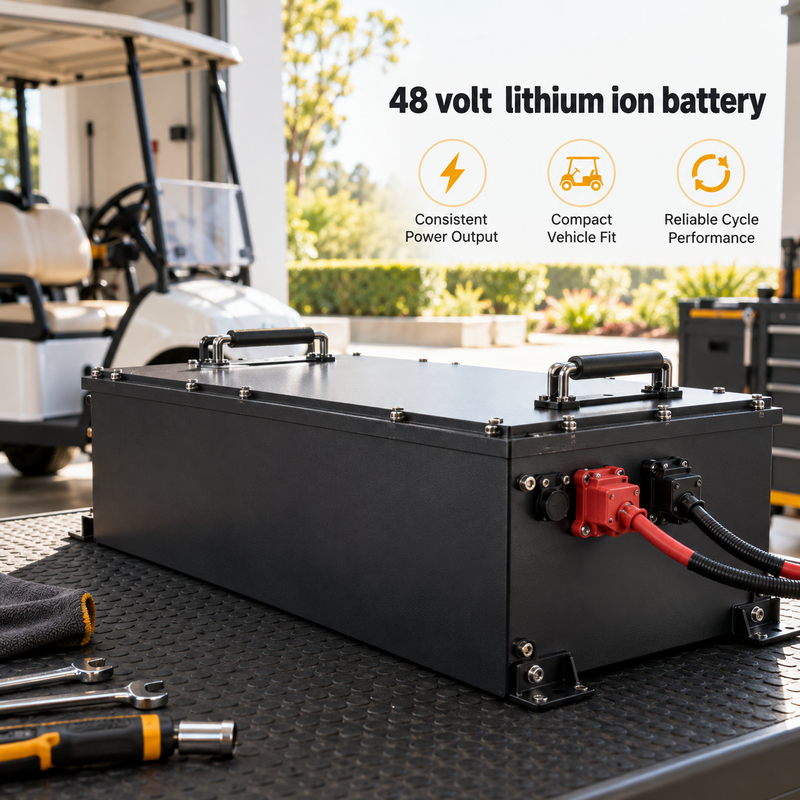
48 volt lithium ion battery

48 volt  lithium  ion batteries are  becoming increasingly essential in various  applications, particularly in  renewable  energy storage, electric vehicles,  and backup power systems.  Buyers, such as purchasing  managers and engineers, often have concerns about specifications,  installation  challenges, and overall cost. This article  aims to provide a comprehensive  understanding of 48 volt  lithium ion batteries,  including wholesale pricing  options, key specifications, installation challenges,  cost factors,  and  their  applications in different industries.

Key Specifications of 48 Volt Lithium Ion Batteries You Should Know

Key Specifications of 48 Volt Lithium Ion Batteries You Should Know

Understanding the key specifications of 48 volt lithium ion batteries is  critical for ensuring they meet application requirements. Some essential specifications include:

Capacity (Ah): This determines how long the battery can provide power at a specified discharge rate. Buyers  should assess their energy needs to select a capacity  that aligns with their application.

Cycle Life: This refers  to the number of complete charge-discharge cycles a battery can undergo  before its capacity significantly diminishes. A higher cycle life is preferable, particularly for  applications that require frequent cycling, such  as renewable energy  systems and  electric vehicles.


Discharge  Rate: This specification indicates how quickly energy  can be drawn from the battery. It's  vital for applications that demand high power output in short periods, such as  starting motors in marine applications.


Temperature Range: Lithium-ion batteries perform optimally within  specific temperature limits. Buyers should consider  the operating environment, as extreme temperatures can affect performance and safety.

Certifications:  Look for batteries that have relevant certifications,  such as UN38.3 and CE, which indicate compliance with international safety standards.

Evaluating these specifications can help buyers make informed decisions and ensure the batteries are suitable for their  intended use.

Common Installation Challenges with 48 Volt Lithium Ion Batteries

Installing 48 volt lithium ion batteries can pose several challenges, particularly for those unfamiliar  with the technology.  One  common  issue is  ensuring proper ventilation. Lithium-ion batteries  generate heat during operation,  and insufficient  airflow can lead to overheating, reducing efficiency and lifespan. 


Another challenge is compatibility  with existing systems. Buyers should evaluate the  electrical  specifications of their current systems to ensure the new batteries can integrate seamlessly.  This includes  checking voltage compatibility, connector types, and overall system design.

Additionally, proper mounting and securing of the batteries  are crucial  to prevent movement that can cause damage or connection issues.  It’s advisable to consult with a qualified technician or the battery manufacturer for installation  guidelines to  avoid common pitfalls.

Cost Factors to Consider When Sourcing 48 Volt Lithium Ion Batteries

Several cost factors come into play  when  sourcing  48 volt  lithium  ion batteries. Beyond the initial purchase price, buyers should consider:


Shipping  Costs: These can  vary based on the battery size, weight, and destination. International shipping  may involve additional customs duties or  tariffs.

Installation Expenses: Depending on the complexity of the installation, hiring qualified personnel can add to the  total cost. It's wise to factor in these expenses when budgeting.

Maintenance and Replacement: While lithium-ion batteries typically have lower maintenance needs  than other battery types, periodic checks and eventual  replacements  should be considered in the  long-term  cost analysis.

Warranty and Support: Investing in batteries from reputable manufacturers may  come with warranties and after-sales support, which can save costs in case of defects or issues.


Understanding these cost  factors allows buyers  to make more accurate budget forecasts and avoid unexpected expenses.

Applications of 48 Volt Lithium Ion Batteries in Various Industries

48 volt lithium ion batteries are versatile and find applications  across multiple  industries:

Renewable  Energy: These batteries are commonly used in solar energy systems to store excess energy for later use. Their high cycle life and efficiency make them ideal for residential and commercial applications.

Electric Vehicles (EVs): The  automotive industry utilizes 48 volt  lithium ion batteries in hybrid and electric vehicles, providing reliable power for propulsion systems and auxiliary functions.

Marine Applications: In the marine  sector, these batteries power electric  motors and other onboard systems. Their lightweight design  and ability to handle deep discharges  make them suitable for  this harsh environment.

Uninterruptible Power Supplies  (UPS): Businesses rely on 48 volt lithium ion batteries for backup power solutions, ensuring critical systems remain operational during power outages.

Recreational Vehicles (RVs): These batteries provide energy for various RV systems, from lighting  to  appliances, enabling a comfortable experience during travel.

By understanding the diverse applications  of 48 volt lithium ion batteries, buyers can better identify solutions that  meet  their specific industry demands.

In summary, when considering 48 volt lithium ion batteries, B2B  buyers should carefully evaluate pricing options, specifications, installation  challenges, cost factors, and application scenarios. This comprehensive approach will ensure  that they make  informed purchasing decisions that align with their operational needs.

Wholesale Pricing Options for 48 Volt Lithium Ion Batteries

When sourcing 48 volt  lithium ion batteries, understanding  wholesale pricing is crucial for B2B buyers. Pricing  can vary based on several factors, including order quantity, battery specifications, and the  supplier's  production capabilities. Many manufacturers, like Shenzhen Yanshuosheng Technology Co., Ltd.,  offer bulk pricing  discounts for larger orders, which can  significantly reduce the per-unit  cost. 

Additionally,  buyers should consider  the Minimum  Order Quantity (MOQ)  requirements, which can differ between suppliers. Customization options, such  as capacity variations and integrated Battery Management Systems (BMS), may also impact pricing. It’s  essential to  request detailed quotes that specify not only  the unit  price but also shipping  costs, lead times, and any potential tariffs or taxes that might apply to international orders.

Get a Free Quote

Our representative will contact you soon.
0/1000