Understanding the Quality Control Process for Lithium Ion Batteries
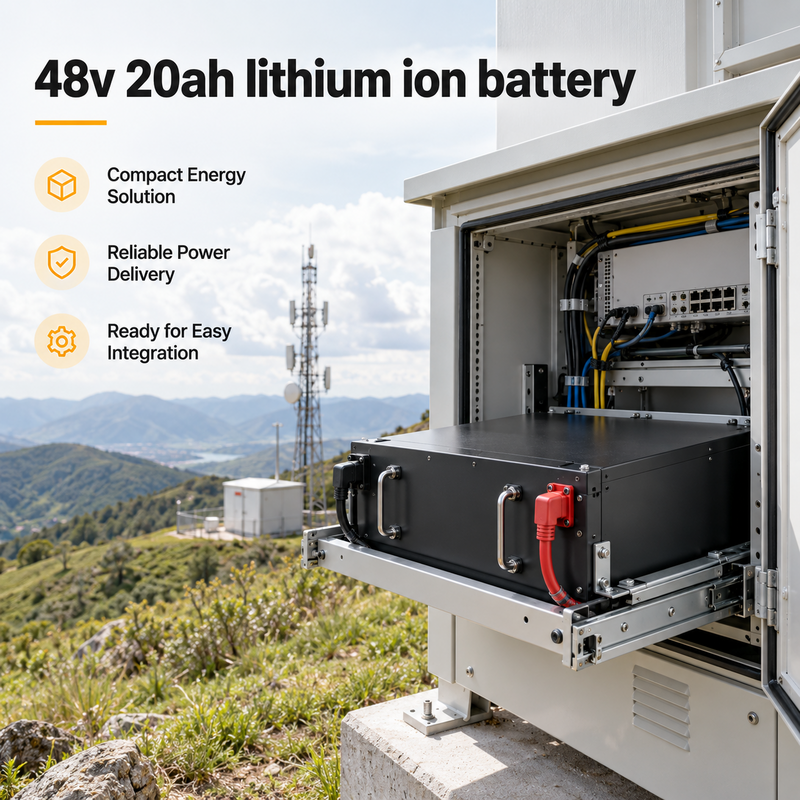
Quality control is paramount in the production of 48V 20Ah lithium ion batteries to ensure safety, reliability, and performance. Here are key aspects of the quality control process:
Material Inspection: High-quality raw materials are critical for battery performance. Suppliers should implement stringent checks on the quality of materials used in production, such as lithium iron phosphate and electrolyte components.
Production Monitoring: Continuous monitoring during the manufacturing process is essential. This includes tracking temperature, humidity, and other environmental factors that can affect battery quality.
Testing Protocols: Comprehensive testing protocols should be in place, including performance tests for capacity, discharge rates, and cycle life. These tests verify that the batteries meet industry standards and specifications.
Safety Testing: Safety is a top priority for lithium ion batteries. Suppliers should conduct safety tests to identify potential risks, such as short circuits or thermal runaway, ensuring that the batteries are safe for use in various applications.
Final Inspection: A final inspection before shipping ensures that the batteries meet all required specifications and quality standards. This step often includes visual inspections and functional tests.
By understanding the quality control process, buyers can better evaluate suppliers and ensure they are sourcing reliable, high-quality batteries.
 EN