48V 50Ah Lithium Ion Battery for B2B Applications

5,000+ units ready stock, 1–5 days fast global delivery

application/48v-50ah-lithium-ion-battery, application/48v-50ah-lithium-ion-battery, 
Inquiry
Inquiry

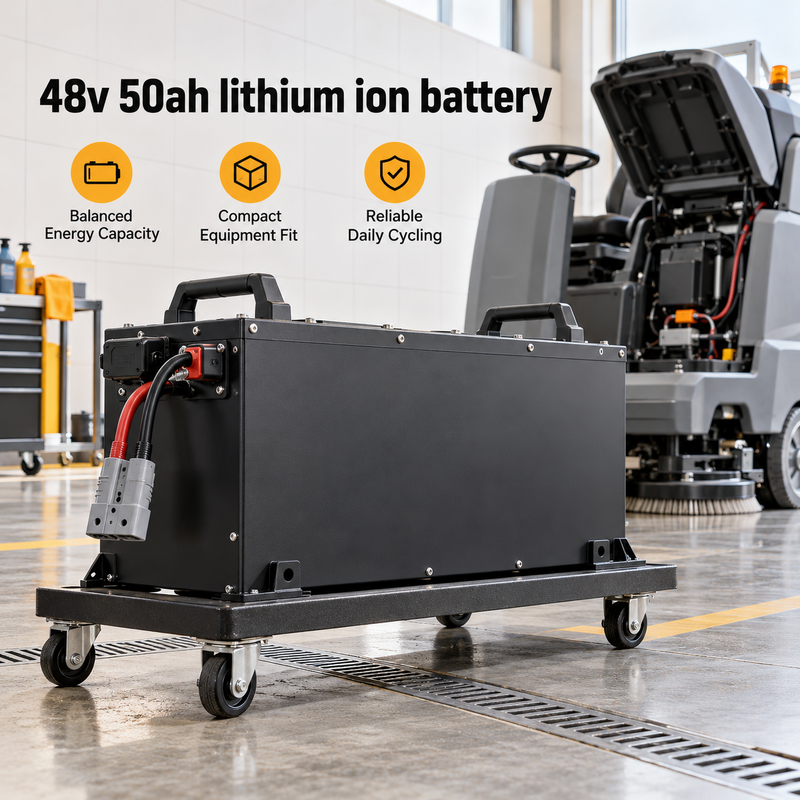
48v 50ah lithium ion battery

When  considering the purchase of  a  48V  50Ah lithium-ion battery, it’s crucial to understand the specific requirements  and applications of this technology. This type of battery is  designed for various industries, including solar energy storage, recreational  vehicles (RVs),  uninterruptible power supplies  (UPS), and marine applications. B2B  buyers,  such as purchasing  managers and engineers, need clarity  on performance,  compatibility, and installation aspects to make informed  decisions. This article will provide insights into  the key  considerations when selecting a 48V 50Ah lithium-ion  battery, comparisons for wholesale purchasing, common applications, installation guidance, and  solutions  for common problems.

Comparing 48V 50Ah Lithium Ion Batteries for Wholesale Purchase

Comparing 48V 50Ah Lithium Ion Batteries for Wholesale Purchase

When  comparing 48V 50Ah  lithium-ion batteries for wholesale purchase, focus on several comparison points. Start with the manufacturer's reputation  and product certifications, as these are indicators of reliability and  quality. Additionally, consider the battery’s cycle life and warranty offered, as these aspects reflect the manufacturer’s  confidence in their product.

Customization is another vital factor. Some manufacturers may provide options for tailored battery management systems  (BMS), which can enhance performance and safety. Inquiry into minimum order quantities (MOQ) and lead times is essential because these factors can significantly impact  your procurement strategy.

Price comparison should also factor in the  total cost of ownership, which includes initial  purchase price,  expected lifespan, and  maintenance costs. While a lower initial  cost may seem appealing, a  battery with a longer  lifespan and better performance may offer more value over time.

Lastly, if possible, request samples for  testing under your actual operating conditions. This step  helps verify that the  battery meets performance expectations  before  committing to a  larger order.

Common Applications for 48V 50Ah Lithium Ion Batteries in Industry

The 48V 50Ah lithium-ion battery is versatile, finding applications  in several industries. One of the most significant uses is in renewable energy storage  systems, particularly for solar power. These  batteries  store excess energy  generated during the day, making it available during non-productive hours. This capability  is crucial for  optimizing energy  use and reducing  reliance on grid power.

In recreational vehicles (RVs),  these batteries provide reliable power for  appliances,  lighting, and other electrical systems,  enhancing the overall user experience. Their lightweight nature compared to traditional lead-acid batteries makes them particularly advantageous in mobile applications.


UPS systems  benefit from the rapid discharge capabilities  of these batteries, ensuring that critical equipment remains powered during outages. In the  marine industry,  48V 50Ah batteries are ideal for powering electric motors and onboard systems, providing the  necessary energy without the weight and maintenance issues associated with conventional  batteries.

Installation Guidance for 48V 50Ah Lithium Ion Battery Systems

Proper installation of 48V 50Ah lithium-ion battery systems is vital for safety and performance. First,  ensure  that the installation area is  well-ventilated and protected from  extreme temperatures. Lithium  batteries should not be exposed to  high heat or moisture, as  these conditions can  adversely affect performance and  safety.

When connecting multiple  batteries in series or parallel, use appropriately rated cables to handle  expected loads  and minimize voltage drop. It’s essential to follow the manufacturer’s guidelines for wiring configurations  to avoid potential damage or safety hazards.

Additionally, integrating  a quality BMS is crucial. This system manages battery health, monitors  voltage and temperature, and provides overcharge and over-discharge protection. A properly configured BMS can extend battery life and enhance safety.

Finally, consider employing  a qualified technician for installation, especially in complex systems or where multiple batteries are utilized. This  ensures compliance with safety standards and optimal  performance of the battery  system.


Solutions for Common Problems with 48V 50Ah Lithium Ion Batteries

While 48V 50Ah  lithium-ion batteries are known for their reliability, buyers should  be  aware of common issues that may arise. One frequent concern is battery  degradation over time, which can affect performance and capacity. Regular monitoring of battery health through a BMS can help identify potential issues early, allowing for timely intervention.

Another common problem is improper charging, which can lead to  overcharging or undercharging. Always use a compatible charger designed for lithium-ion  batteries, and  ensure that charging times are adequately managed according to the manufacturer's instructions.

If a battery fails to hold  a charge, it may indicate a fault in the BMS or physical  damage to the cells. In such cases,  it’s advisable to  consult with the manufacturer or a qualified technician for diagnosis and possible  replacement.


Lastly, environmental factors such as temperature  fluctuations can impact battery performance. Maintaining an optimal  operating environment and storing batteries  properly when not in  use can help mitigate these issues.

By understanding  these aspects and preparing accordingly, B2B buyers can make informed decisions regarding  the use of 48V 50Ah lithium-ion batteries in their  respective applications.

What to Consider When Choosing a 48V 50Ah Lithium Ion Battery

When selecting a 48V 50Ah  lithium-ion battery, several  factors warrant attention. Key specifications include the battery's chemistry, capacity, discharge rate,  and  cycle life. Lithium iron phosphate (LiFePO4) is a common choice for its thermal stability and safety compared to other  lithium chemistries.

Capacity, measured in amp-hours (Ah), indicates how much energy  the battery can  store. A  50Ah rating means it can deliver 50  amps for one hour or 25 amps for two hours, which is critical for applications  requiring sustained power. 

Discharge rate is another crucial specification. It’s usually expressed as a C-rate; for example,  a 1C  rating means the battery can be discharged in one hour. Understanding these specifications helps buyers align the battery's performance with their  operational needs. 

Additionally, ensure that the battery has proper certifications, such as UN38.3 and CE, which validate  safety  and compliance with international shipping standards. This  is particularly  important for B2B buyers who must adhere to regulations in  their specific industries.

Get a Free Quote

Our representative will contact you soon.
0/1000