Understanding the Cost Factors of Solar Panels with Battery Storage
The cost of solar panels with battery storage is influenced by various factors that buyers should understand for informed decision-making. Key elements include:
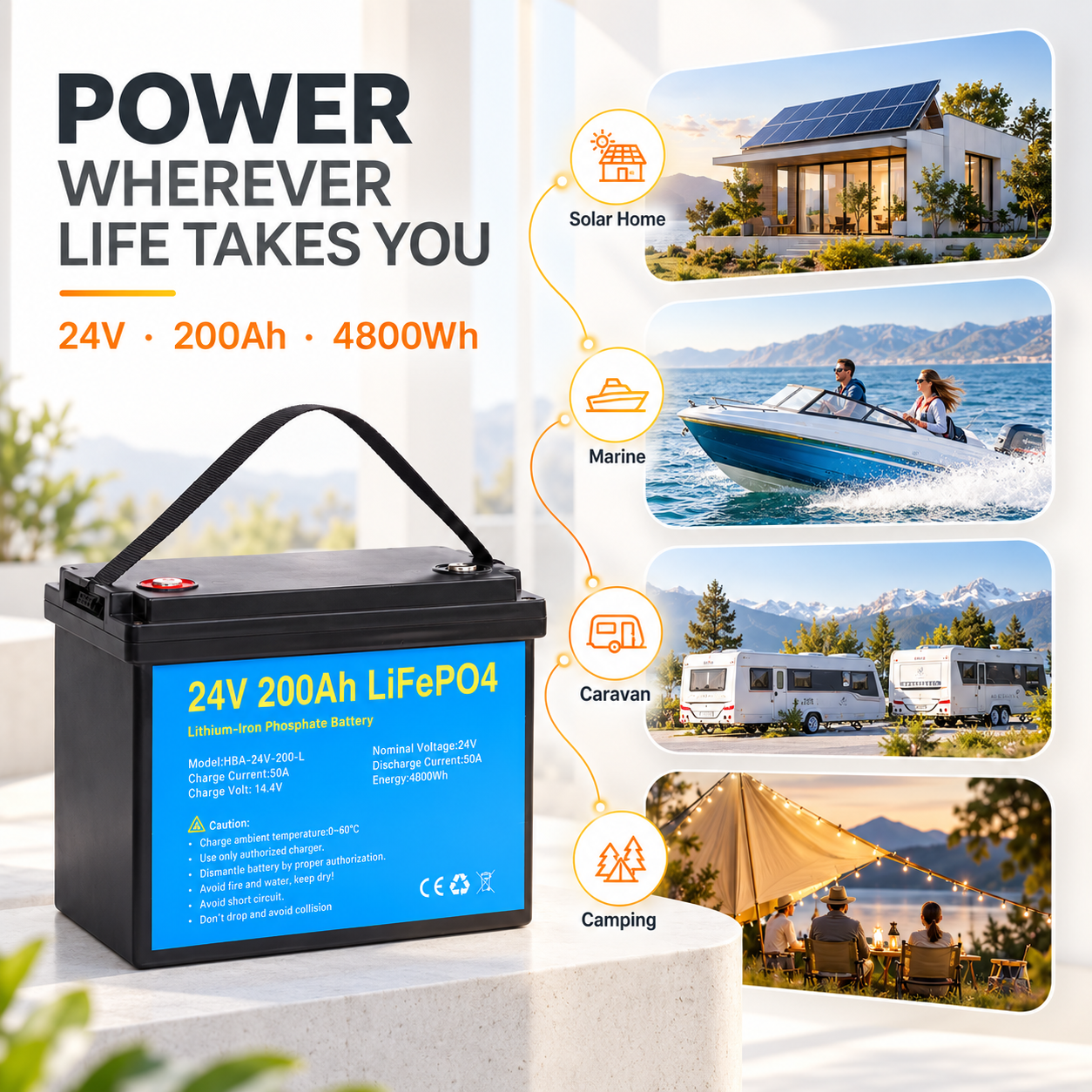
Technology Type: The choice between different solar panel technologies (monocrystalline, polycrystalline, thin-film) and battery technologies (LiFePO4, lead-acid, etc.) will significantly affect costs.
Capacity and Size: The required energy storage capacity (measured in kWh) directly impacts pricing. Larger systems typically have higher upfront costs but can offer better economies of scale.
Installation Complexity: The complexity of the installation process can vary based on site conditions, which may necessitate additional labor and equipment.
Regulatory Compliance: Systems must meet local codes and regulations, which can also influence pricing. Compliance with certifications such as CE and UN38.3, especially for battery systems, is essential for ensuring safety and reliability.
Market Conditions: Prices can fluctuate based on market demand, supply chain issues, and material costs. Staying informed about market trends can help buyers negotiate better prices.
understanding the multifaceted costs associated with microinverters for solar panels is essential for making sound purchasing decisions. By considering technology types, installation requirements, and potential challenges, buyers can optimize their investments in energy solutions.
 EN