The materials used in portable solar panels with battery storage
The materials used in portable solar panels with battery storage play a significant role in their performance and longevity. For instance, solar panels made from monocrystalline silicon are known for their higher efficiency and space-saving design. They perform better in low-light conditions compared to polycrystalline panels, making them ideal for a variety of commercial applications.
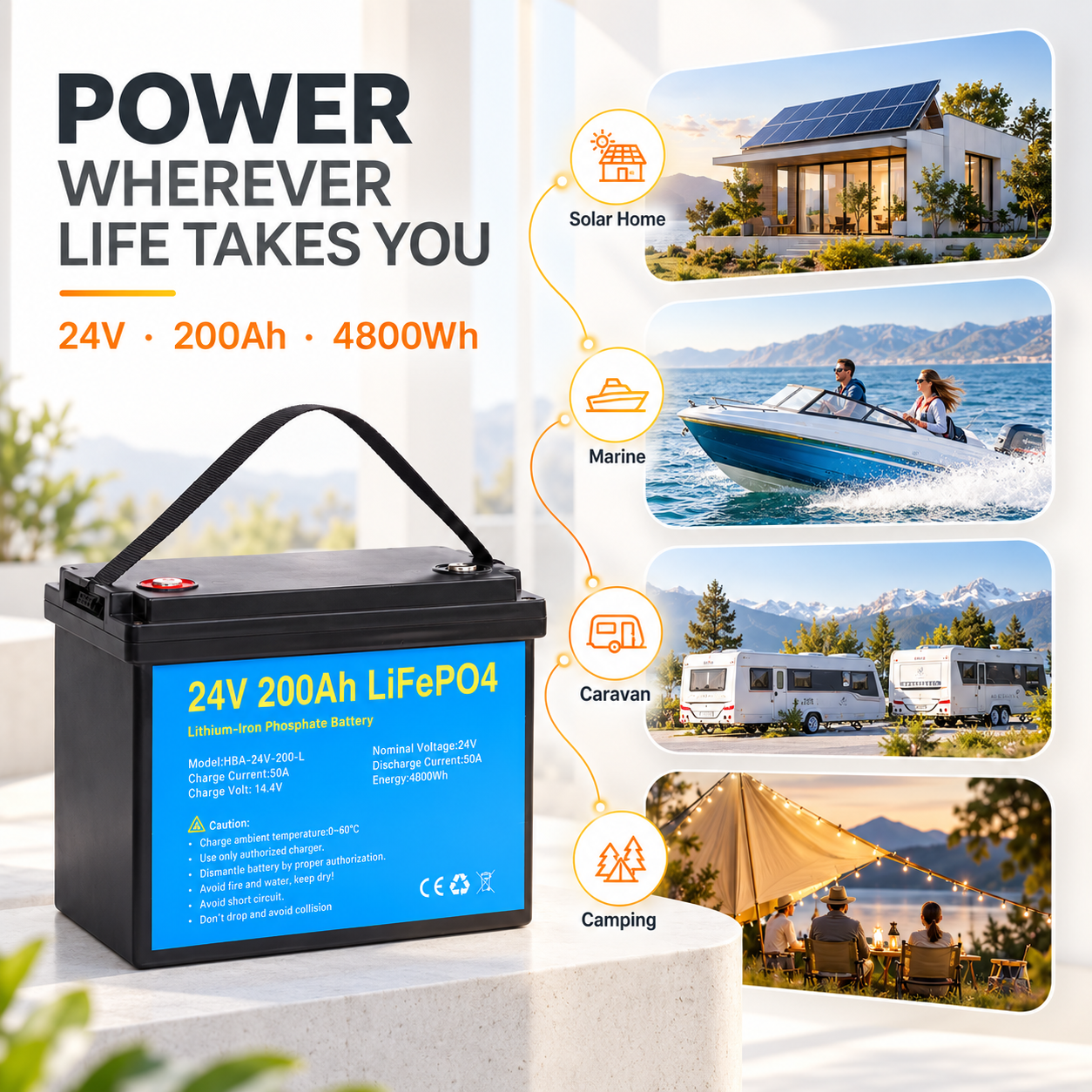
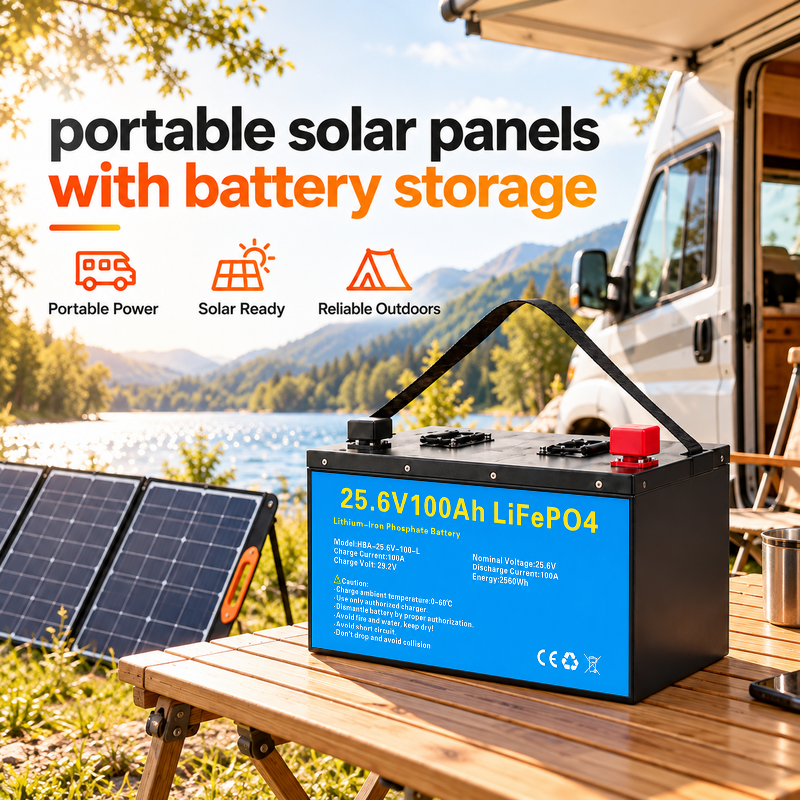
In terms of battery technology, LiFePO4 batteries offer numerous advantages, including improved thermal stability and safety. Unlike traditional lithium-ion batteries, LiFePO4 batteries are less prone to overheating, which enhances their reliability for long-term use. These batteries also have a longer cycle life, allowing for more charge and discharge cycles over their lifetime, which is an essential consideration in commercial settings.
Additionally, the choice of materials affects the overall weight and portability of the solar panels. Lightweight designs are beneficial for applications that require frequent transport, such as in RV or marine environments. Therefore, evaluating material specifications can provide insights into the expected performance and suitability for your specific needs.
In summary, understanding the various aspects of portable solar panels with battery storage can empower B2B buyers to make informed purchasing decisions. By assessing energy requirements, evaluating technical specifications, and considering cost factors, you can select a solution that meets your business's needs effectively.
 EN