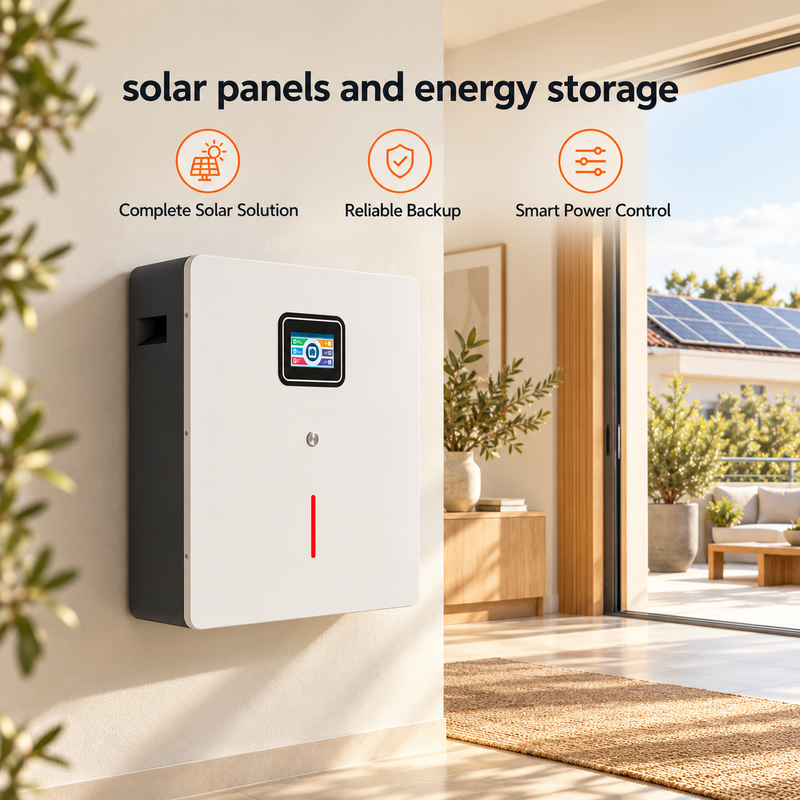
Key Insights on Solar Panels and Energy Storage Systems

5,000+ units ready stock, 1–5 days fast global delivery

application/solar-panels-and-energy-storage, application/solar-panels-and-energy-storage, 
Inquiry
Inquiry

Solar panels and energy storage

Incorporating solar panels and energy storage systems is essential for businesses looking to enhance energy efficiency, reduce operational costs, and promote sustainability. This article will explore key specifications, supplier considerations, benefits of bulk purchasing, installation guidance, and common challenges associated with energy storage system. Understanding these aspects will help purchasing managers and engineers make informed decisions, ensuring that they select the right products for their applications.

Where to Find Reliable Suppliers for Energy Storage Solutions

Where to Find Reliable Suppliers for Energy Storage Solutions

Finding a reliable supplier for solar panels and energy storage solutions is critical to ensuring product quality and timely delivery. Here are some steps to identify trustworthy suppliers: 

Industry Research: Start by researching manufacturers with a proven track record in the energy storage systems for solar power market. Evaluate their experience, product range, and customer reviews. 

Trade Shows and Exhibitions: Attending industry trade shows can provide firsthand insights into suppliers' offerings, enabling you to discuss products and certifications directly with representatives. 

Online Marketplaces and Directories: Utilize platforms that specialize in B2B transactions, such as Alibaba or ThomasNet, where you can filter suppliers based on ratings, certifications, and product categories. 

Network and Recommendations: Leverage your industry network for recommendations. Colleagues who have dealt with suppliers can provide valuable insights regarding their reliability and product quality. 

Request Samples: Before committing to a large order, request samples to evaluate product quality and performance. This step is crucial to ensure that the products meet your specifications and expectations.

Benefits of Bulk Orders for Solar Products

Purchasing solar panels and energy storage systems in bulk can lead to significant advantages for B2B buyers: 

Cost Savings: Bulk orders typically result in lower per-unit prices due to economies of scale. Suppliers are often willing to offer discounts for larger purchases, reducing overall project costs. 

Consistent Supply: Ordering in bulk ensures that you have a consistent supply of products, which is particularly beneficial for projects requiring multiple installations or ongoing maintenance. 

Streamlined Logistics: Coordinating a single large shipment can simplify logistics, reducing shipping costs and minimizing the risk of delays associated with multiple smaller orders. 

Negotiable Terms: Suppliers may offer more favorable payment and delivery terms for larger orders, giving businesses greater flexibility in managing cash flow. 

Inventory Management: Maintaining a stock of solar products can help companies respond quickly to market demands and unforeseen maintenance needs, ensuring uninterrupted operations.

Installation Guidance for Solar Panels and LiFePO4 Battery Systems

Proper installation is critical for the performance and longevity of YANSHUO solar panels and energy storage systems. Here are some essential guidelines: 

Site Assessment: Before installation, conduct a thorough site assessment to determine the optimal location for solar panels. Factors such as sun exposure, roof orientation, and shading from trees or buildings should be considered. 

Professional Installation: While some businesses may consider DIY installation, hiring a professional installer ensures compliance with safety standards and local regulations. Certified installers can also optimize the system's configuration for maximum efficiency. 

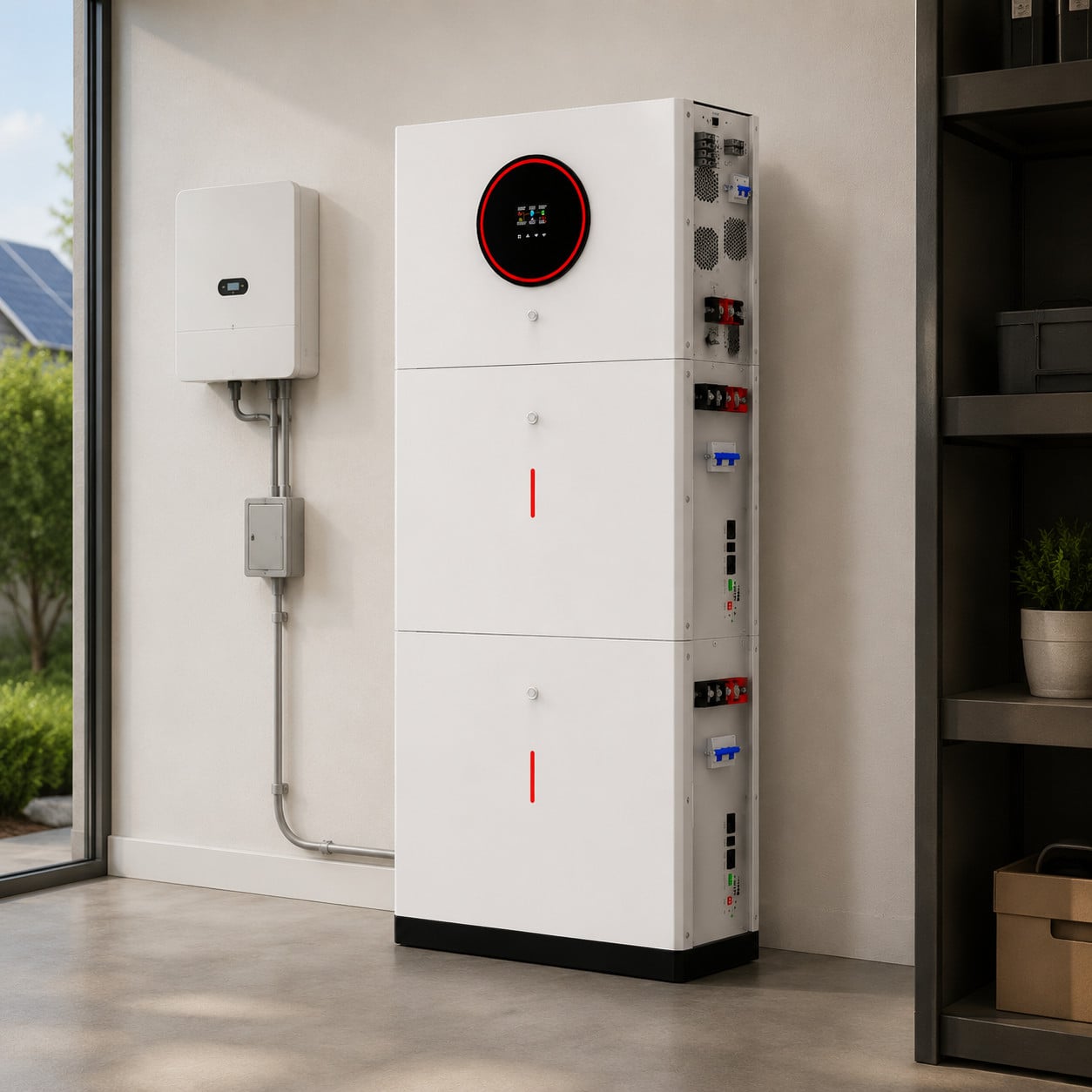
Electrical Compatibility: Ensure that the home energy storage is compatible with existing electrical systems. This includes verifying voltage levels and ensuring that the battery management system (BMS) can integrate seamlessly with other components. 

Monitoring Systems: Implementing monitoring systems can help track performance metrics and identify issues early. This is especially useful for large installations where timely interventions can prevent costly downtime. 

Safety Precautions: Follow all safety protocols during installation, especially when dealing with electrical components. Proper grounding and protective equipment are essential to minimize risks.

Common Problems with Solar Energy Systems and Their Solutions

Even with careful selection and installation, YANSHUO solar energy systems may encounter challenges. Being aware of common problems and their solutions can help mitigate issues: 

Underperformance: If solar panels are not generating expected energy levels, check for dirt, debris, or shading that may be obstructing sunlight. Regular cleaning and maintenance can help maintain optimal performance. 

Battery Degradation: Over time, batteries may lose capacity. To extend battery life, avoid deep discharging (beyond the recommended DoD) and maintain them within specified temperature ranges. 

Connection Issues: Loose or corroded connections can lead to system failures. Regular inspections and maintenance can help identify these issues and ensure reliable operation. 

Inverter Failures: Inverters are crucial for converting DC power from solar panels to AC power for use in homes or businesses. Monitor inverter performance and have a plan for quick replacement or repair to minimize downtime. 

Warranty Claims: Familiarize yourself with warranty terms for solar products. If issues arise, understanding the warranty process can expedite repairs or replacements, ensuring that your investment is protected. 

By considering these aspects of solar panels and energy storage systems, businesses can make informed decisions that enhance energy efficiency, reduce costs, and promote sustainable practices.

Key Specifications to Consider

When selecting solar panels and energy storage systems, several key specifications should be evaluated to ensure optimal performance and suitability for the intended application. 

Energy Capacity: Measured in kilowatt-hours (kWh), this indicates how much energy the storage system can hold. The capacity should match your energy consumption needs. 

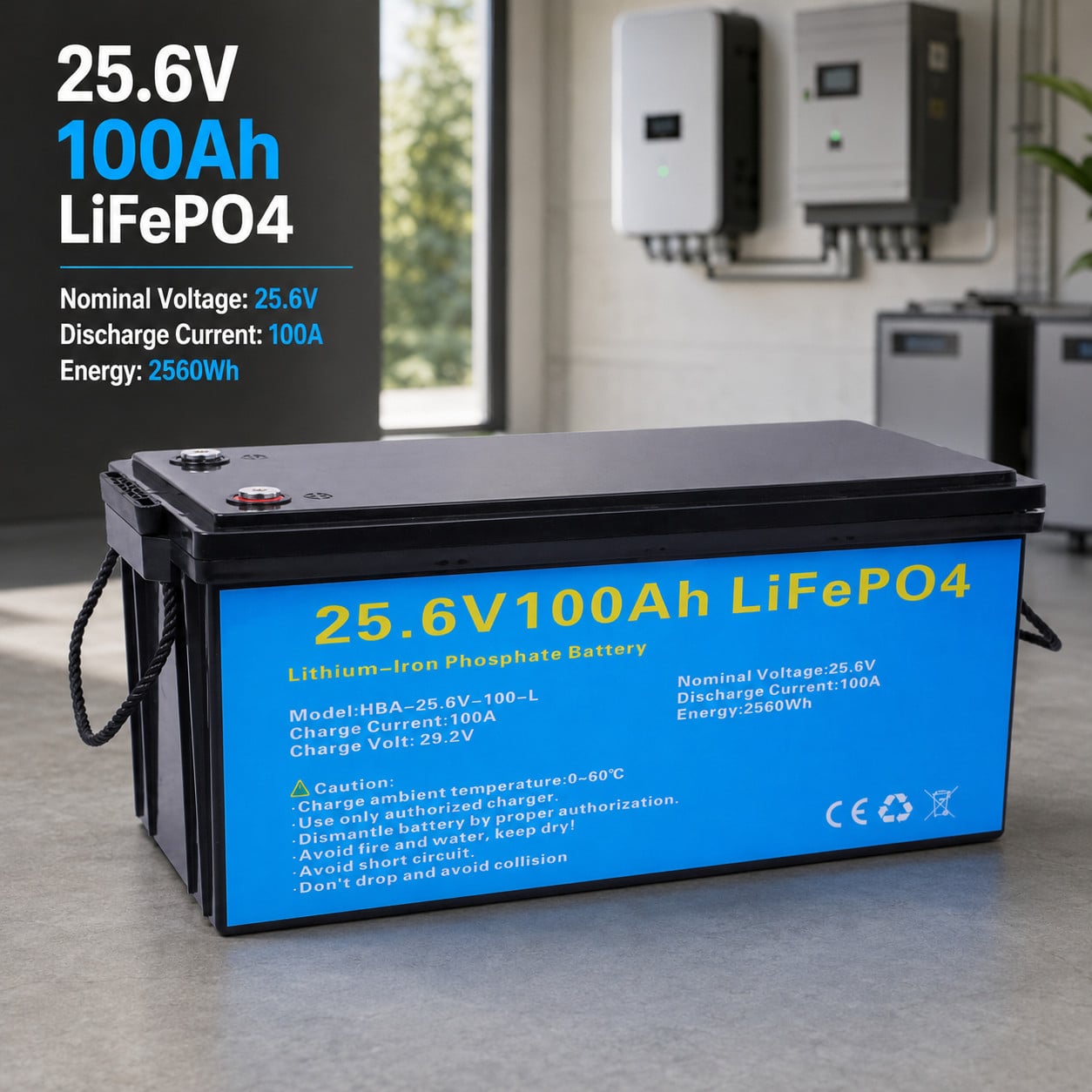
Depth of Discharge (DoD): This metric represents the percentage of the battery's capacity that can be used without harming its lifespan. For LiFePO4 batteries, which Shenzhen Yanshuosheng Technology specializes in, a DoD of around 80-90% is common, allowing for efficient usage while maintaining battery health. 

Cycle Life: Referring to the number of complete charge and discharge cycles a battery can undergo before its capacity significantly degrades, LiFePO4 batteries typically offer a longer cycle life compared to traditional lead-acid options, making them a more economical choice in the long run. 

Temperature Range: Evaluate the operating temperature range of both solar panels and batteries. Most systems are designed to function optimally within specific temperature limits, and performance may decline outside those ranges. 

Certification Standards: Look for products that have relevant certifications such as UN38.3 and CE. These ensure that the products meet safety and quality standards, which is particularly important when sourcing from international suppliers.

Get a Free Quote

Our representative will contact you soon.
0/1000