Reliable Deep Cycle Battery Power Inverters

5,000+ units ready stock, 1–5 days fast global delivery

application/deep-cycle-battery-power-inverter, application/deep-cycle-battery-power-inverter, 
Inquiry
Inquiry

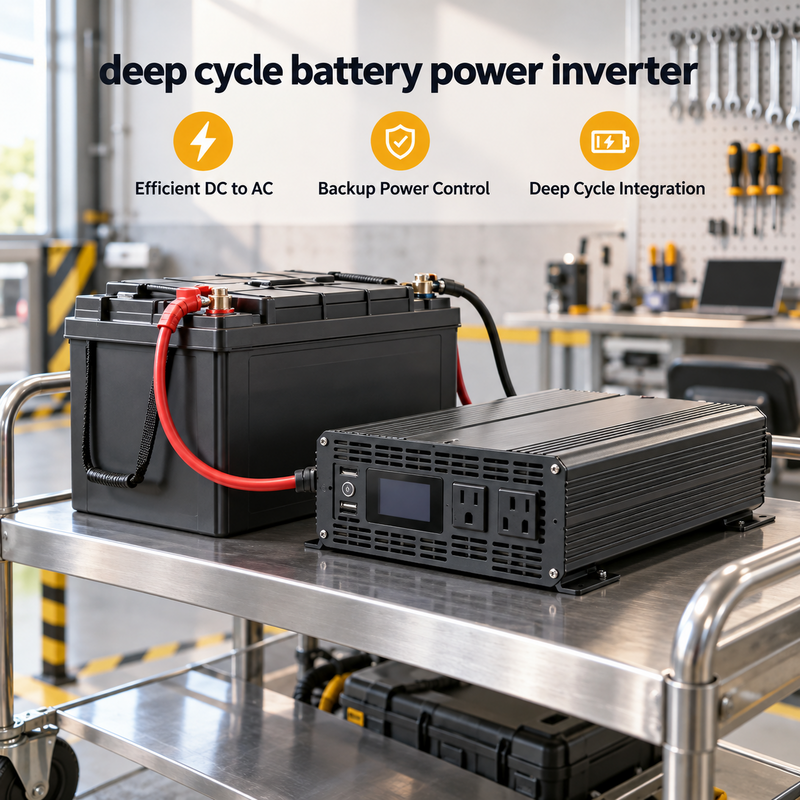
deep cycle battery power inverter

Deep cycle battery power  inverters  are  critical components in energy storage  systems, offering reliable power conversion for  various applications.  Purchasing managers and engineers  often face concerns regarding  product  specifications, compatibility,  and  overall performance. This article will  provide essential insights into selecting,  installing,  and  troubleshooting  deep  cycle battery power  inverters, helping B2B buyers  make  informed decisions.

Cost Factors to Consider When Purchasing Deep Cycle Battery Inverters

Cost Factors to Consider When Purchasing Deep Cycle Battery Inverters

Cost is a significant factor in purchasing decisions. Buyers must consider various  components that contribute to the  overall price of  deep cycle battery power inverters, including:

Specifications: Higher capacity and  efficiency ratings typically command higher prices. Buyers  should assess their energy needs to select the appropriate specifications without overspending.

Materials: The choice of materials, such as the  type  of batteries used (LiFePO4 versus lead-acid),  affects both performance and cost. LiFePO4 batteries offer longer life cycles and better energy density, making them  a more cost-effective option in the long run. For instance, the High Performance 50Ah LiFePO4 Lithium Ion Battery Pack is an excellent choice for energy efficiency.

Customization: Custom features, such as integrated BMS or specific connectivity options, may increase the cost.  However, these features can enhance system performance  and reliability.

Volume Discounts: Purchasing in larger  quantities often leads to  reduced per-unit costs.  Buyers should consider their  projected needs to  negotiate better pricing with suppliers.

Shipping and Handling: Costs associated with  shipping  and handling should also be factored in, particularly when importing  products from overseas manufacturers.

Understanding these factors helps buyers develop a comprehensive budget that aligns with their operational needs and financial constraints.


Installation Guidance for Deep Cycle Battery Power Inverter Systems

Proper installation of  deep  cycle battery power  inverter systems is crucial for optimal performance and safety. Here are key considerations for a successful installation:

Site Assessment: Evaluate the installation environment, ensuring adequate ventilation and protection from moisture  or extreme  temperatures. The inverter's location should also allow easy access  for maintenance.

Electrical Compatibility: Confirm that the inverter's voltage and power  ratings match the electrical system's requirements.  Mismatched specifications can result in equipment failure or safety hazards.

Wiring and Connections: Use  high-quality, appropriately sized cables to connect the inverter to the battery and  load. Poor  connections  can lead to  energy loss and potential overheating.

System Configuration: Depending on the application, configure the inverter settings to optimize performance. This might include adjusting  charge settings  or programming operational  modes for specific requirements.

Testing: After  installation, conduct thorough testing to ensure that the inverter operates as intended. Monitoring performance during initial operation  can help identify potential issues early.

By  following these guidelines, buyers can enhance the longevity and reliability of  their deep cycle battery power inverter systems.

Common Problems with Deep Cycle Battery Inverters and Their Solutions

Despite their  robust design,  deep cycle  battery inverters can encounter several common  issues. Being aware of these problems and their solutions can save time and resources:

Overheating: This can occur if the inverter is overloaded  or poorly ventilated. Ensure that the inverter is appropriately rated for the load and that  there is  sufficient  airflow around the unit. Installing additional cooling mechanisms may also be necessary.

Battery Communication Errors: If the  inverter fails to communicate  with the battery  management system, check all connections  and ensure that the BMS is functioning correctly. Regular firmware updates can  also prevent  compatibility issues.

Low Output  Voltage: This can happen due to  insufficient battery charge  or connection  issues. Verify the battery state and inspect all wiring for loose  connections or damage.

System Shutdowns: Frequent shutdowns may indicate an incorrect setting or an issue with the battery. Review the inverter's configuration settings and check the battery health to ensure it meets the  operating requirements.

Inverter Fault Codes: Many inverters display fault codes when issues arise. Refer to the manufacturer's manual to diagnose and resolve the specific fault indicated.

By proactively addressing these common problems, buyers can maintain system integrity and prolong the inverter’s lifespan.

Exploring Applications for Deep Cycle Battery Power Inverters in Industry

Deep cycle battery  power inverters  are versatile components used across various industries. Here are some key applications:

Solar Energy Systems: In  solar applications, deep cycle inverters convert stored solar energy into usable AC power for residential  and commercial use. Their ability  to efficiently manage energy flow makes them essential for solar energy storage.

Recreational  Vehicles (RVs): Many RVs rely on deep cycle battery power inverters for a reliable power supply during travel or off-grid camping. These inverters ensure that essential appliances, such as refrigerators and lighting, operate smoothly.

Uninterruptible Power Supplies (UPS): In critical applications, deep cycle inverters provide backup power during outages, ensuring  uninterrupted  operation of essential equipment in hospitals, data  centers, and telecommunications.

Marine Applications: Boats and marine vessels utilize  deep  cycle  inverters to power onboard electronics and  appliances, enhancing comfort and functionality while at  sea.

Electric Vehicles: With the rise of electric vehicles,  deep cycle inverters play a  crucial role  in converting  stored battery power  to drive electric motors, contributing to the efficiency and performance of EV systems.

Understanding these applications  helps buyers select the right deep cycle battery power inverter for their specific needs, ensuring optimal performance and reliability in diverse settings.

Reliable Suppliers of Deep Cycle Battery Power Inverters

When sourcing  deep cycle battery  power inverters, it is vital to evaluate suppliers based on  experience, product quality, and certifications. Shenzhen Yanshuosheng Technology  Co., Ltd. specializes  in  LiFePO4  energy storage systems and has established a reputation for delivering reliable inverters backed by independent Battery Management Systems (BMS) and essential certifications such as UN38.3 and CE. These certifications ensure compliance  with international  safety and quality  standards, which is crucial for buyers  operating in regulated markets. For more advanced energy solutions, consider exploring the Energy Storage Systems offered by leading suppliers.

Buyers  should also consider the supplier's production  capabilities  and export experience. A supplier with a  proven track  record in multiple countries, particularly in sectors like solar energy, RVs, UPS systems, and marine  applications, can  provide insights into the latest technology trends and market demands. Engaging with  suppliers that offer  customization options can also be beneficial, as this can tailor products to meet specific operational requirements.

Get a Free Quote

Our representative will contact you soon.
0/1000