Choosing the Right Deep Cycle Battery for Applications

5,000+ units ready stock, 1–5 days fast global delivery

application/deep-cycle-battery-and-inverter, application/deep-cycle-battery-and-inverter, 
Inquiry
Inquiry

Deep cycle battery and inverter

Understanding  deep cycle batteries and inverters  is crucial  for businesses looking to optimize  energy storage solutions in  applications such as solar power, RVs, UPS systems, and  marine uses.  Selecting the  right deep  cycle battery  not only impacts performance but also  influences operational costs and system  longevity. This article will  guide  purchasing managers and engineers through essential  considerations for sourcing deep cycle  batteries, including  specifications, testing standards,  installation  guidance, and supplier evaluation, ensuring informed decision-making for energy storage needs. For example, utilizing a High Performance 50Ah LiFePO4 Lithium Ion Battery Pack can significantly enhance energy efficiency

Specifications to Consider When Sourcing Deep Cycle Batteries

Specifications to Consider When Sourcing Deep Cycle Batteries

Key specifications to consider  when sourcing deep  cycle batteries include capacity (measured in Ah),  voltage,  cycle life, and discharge rates

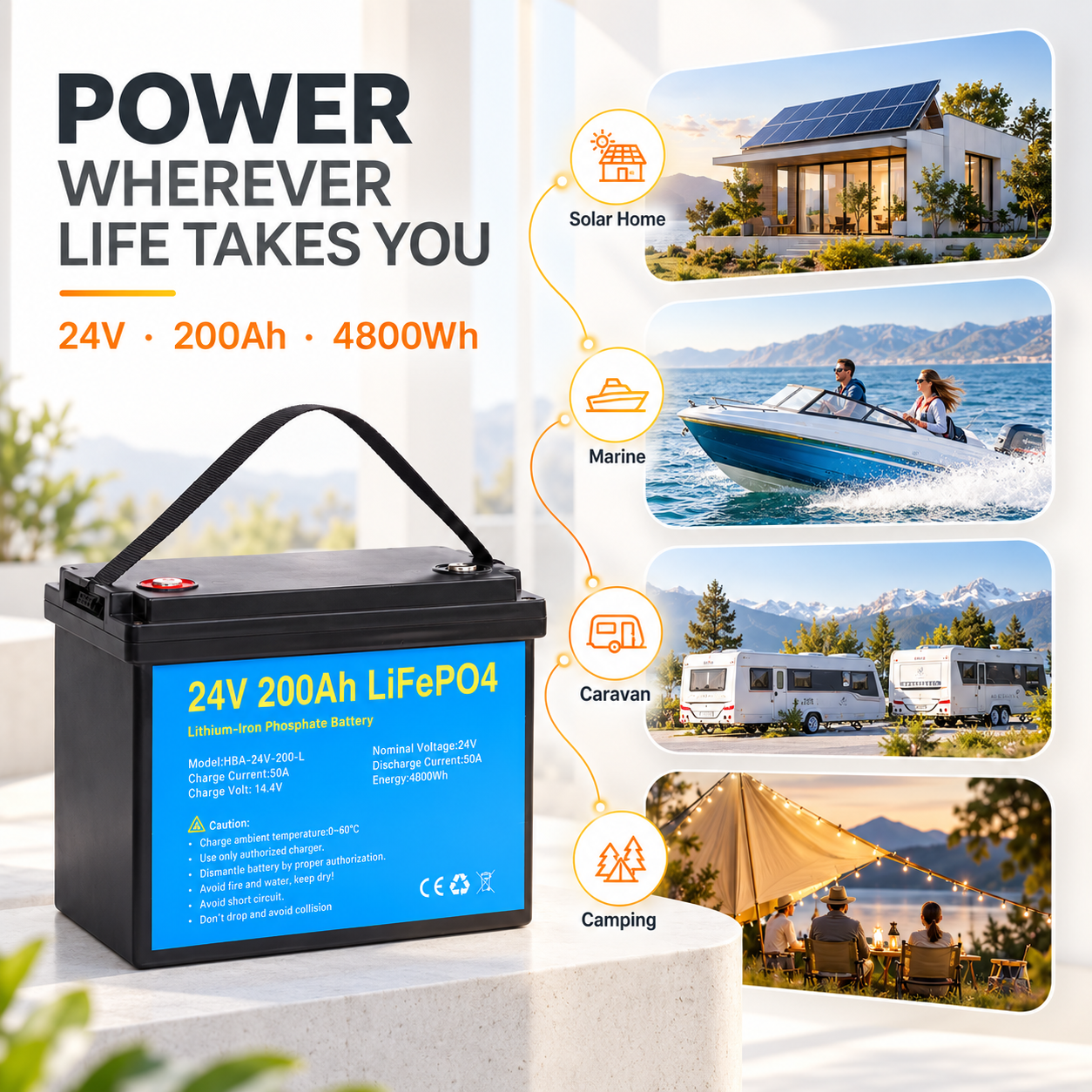
Capacity and Voltage: The capacity determines how much  energy the battery can store, while voltage affects the overall system voltage. Ensure that the battery's capacity aligns  with the energy  demands of your application for deep cycle battery

Cycle Life: This specification indicates how many complete charge and discharge cycles the battery can undergo before its capacity decreases significantly. A higher cycle life translates to lower replacement costs over time

Discharge Rates: Different applications require  different  discharge rates. For instance, a  battery used in a solar installation may  need a slower discharge rate, whereas an RV battery might require a higher rate  for immediate power needs

Temperature Range: Evaluate the operational temperature range  of the battery, especially for applications in extreme environments. Batteries  that can operate  effectively at varied temperatures will ensure reliability and longevity

Weight and Size: These  factors are crucial, especially in mobile applications like RVs  or boats where space and weight  restrictions are paramount

Understanding these specifications will help you make better purchasing decisions  that  align with your application requirements

Deep Cycle Battery Testing Standards

Before purchasing deep cycle batteries,  it is essential  to  ensure they meet industry testing standards. Certifications like UN38.3 and CE mark compliance indicate that the products have undergone rigorous testing for safety and performance

These testing standards cover  various aspects

Safety: Batteries should pass tests for thermal  stability, short-circuit conditions, and impact resistance. Performance: Tests such  as  capacity testing and cycle  life assessments ensure that the mini inverter with battery performs  as advertised. Environmental Compliance: Batteries should  comply  with  environmental regulations, ensuring they are  safe for use in  various  applications in deep cycle battery

When evaluating suppliers, request  documentation that verifies compliance with these standards. This not only  assures  product quality but also minimizes risks  associated with  substandard products

Installation Guidance for Deep Cycle Batteries and Inverter Systems

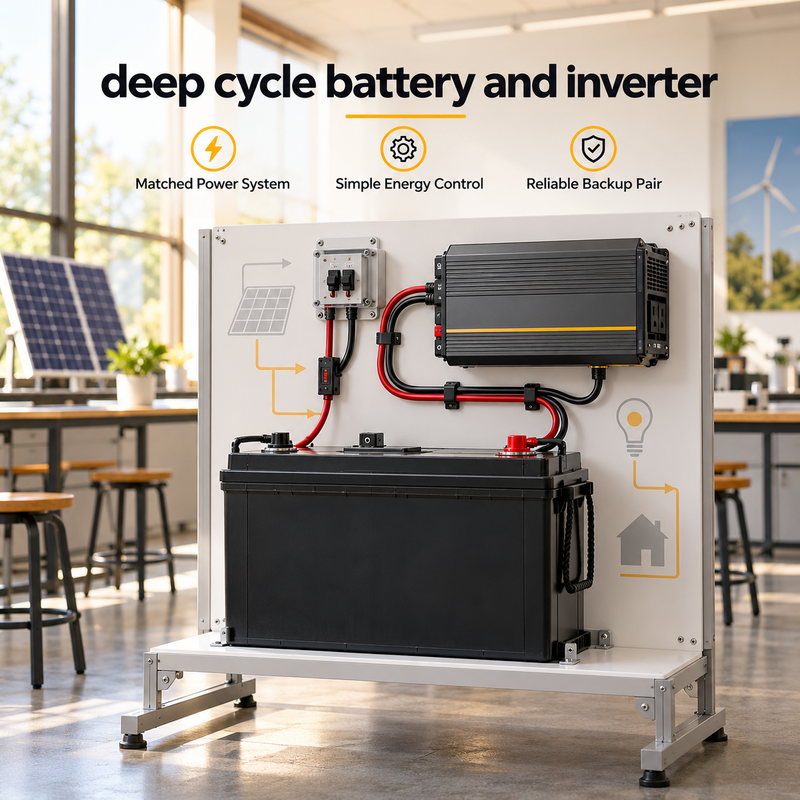
Proper installation of deep cycle batteries and  inverter systems is  critical for maximizing performance and safety. Here are key considerations during installation

Ventilation: Ensure that  the installation area is well-ventilated to prevent heat buildup, which can affect battery  performance and lifespan

Connection:  Use appropriate cabling to connect the battery  to the inverter. The wire  gauge should be sufficient to  handle the maximum current without  overheating


Orientation: Follow manufacturer guidelines regarding battery orientation. Some batteries may have specific requirements  for installation to avoid leakage or damage

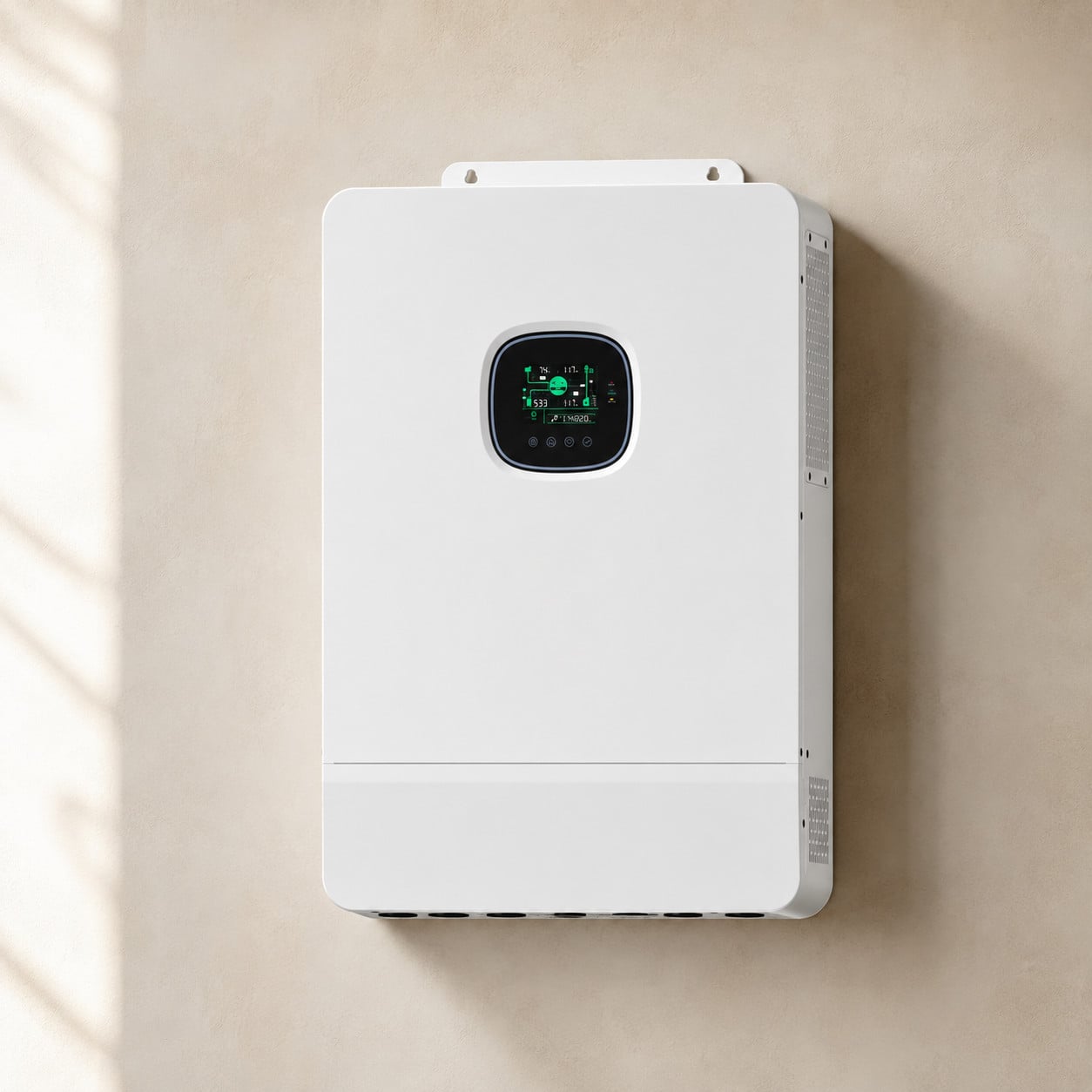
Inverter Compatibility: Ensure that the inverter is compatible  with the  battery type and capacity. Mismatched components can lead to inefficiencies  and potential system failure

Regular Maintenance: Schedule regular maintenance checks to monitor battery health  and  performance. This includes checking connections, cleaning terminals, and ensuring  proper electrolyte  levels in lead-acid deep cycle battery

By following these installation guidelines, you can enhance the reliability and efficiency  of your deep cycle battery and  inverter system

Where to Find Reliable Suppliers for Deep Cycle Batteries

Finding trustworthy suppliers for deep cycle batteries  is vital for ensuring product quality and support. Here are  steps  to identify reliable sources:

Industry Research: Start by researching manufacturers with a proven track record in the industry. Look for  companies that specialize in LiFePO4 batteries and have certifications  such as UN38.3 and CE

Product  Reviews and Testimonials: Seek feedback from existing  customers regarding product performance and supplier reliability. This can provide  insights into the  supplier's reputation

Direct Communication: Engage directly with suppliers to discuss your specific needs. A reputable  supplier should be willing to provide detailed information about their products, including specifications, testing standards, and customization options for deep cycle battery

Sample Testing: Before  finalizing a bulk order, request samples to test in  your application.  This  allows you  to  assess quality and compatibility firsthand


After-Sales Support: Evaluate the level of customer support provided by the supplier. Reliable suppliers should offer assistance with installation,  troubleshooting, and maintenance

By ensuring that you partner with a reputable supplier, you can mitigate risks and enhance the success  of your energy storage solutions.  Additionally, consider exploring options like the Energy Storage Systems for comprehensive energy management

Understanding the nuances of deep cycle portable inverter with battery and inverters is essential for effective energy management across various applications. By considering  the right specifications, testing standards, installation practices, and supplier reliability, businesses can make informed decisions that optimize performance and reduce long-term cost

Choosing the Right Deep Cycle Battery for Your Application Needs

When selecting a deep  cycle tubular inverter battery,  the primary  consideration is the specific application. Different applications, such as solar energy systems, RVs, and marine uses, require batteries  with distinct characteristics. For example, marine batteries  need to withstand harsh environmental conditions,  while solar applications require batteries  that can handle frequent  charging and discharging cycles of deep cycle battery

LiFePO4 (Lithium Iron Phosphate) batteries are a popular choice  due to their  high energy density, longer cycle life, and enhanced safety  features compared to  traditional lead-acid batteries. They provide a  stable output voltage and can handle a greater number of charge cycles, making them suitable  for high-demand applications. Therefore, it's essential to evaluate the voltage, capacity, and discharge  rate of the battery to ensure compatibility with  your specific needs. An example of a suitable option for many applications is the All-in-One Energy Storage System 3KW / 5KW Hybrid Cabinet which caters to typical home energy needs

Additionally, consider factors such as weight and size, particularly in applications where space is limited. The right battery  should not only meet the energy  requirements but also fit within the physical constraints of the  application.


Frequently Asked Questions

What applications suit this deep cycle battery and inverter?

Ideal for solar home storage, RVs, marine systems, UPS and off-grid setups requiring reliable deep-cycle energy and inverter support.
We use LiFePO4 chemistry with independent BMS and UN38.3 and CE certifications for safe, compliant energy storage.
LiFePO4 deep-cycle batteries typically offer long cycle life; specific cycle counts and warranty terms are provided per model—contact us for model details.
Yes, our batteries and inverters are designed for solar integration with compatible controllers and mounting; we can advise on model matching and installation.
We ship to over 50 countries and provide technical support, installation guidance, and documentation for solar, RV, UPS, and marine deployments.

Get a Free Quote

Our representative will contact you soon.
0/1000