Wholesale Options for 48V eBike Chargers

5,000+ units ready stock, 1–5 days fast global delivery

application/ebike-48v-charger, application/ebike-48v-charger, 
Inquiry
Inquiry

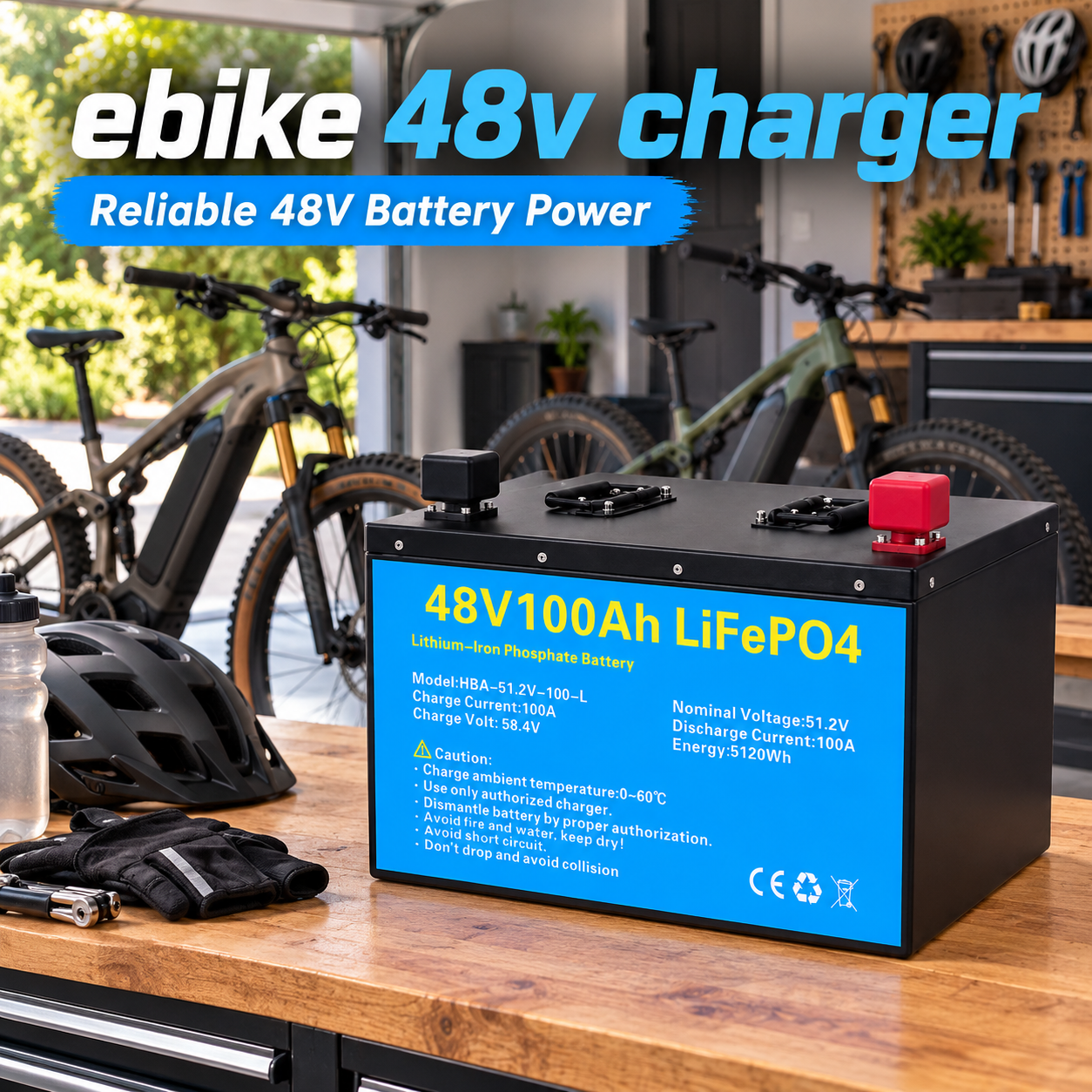
ebike 48v charger

In the rapidly growing eBike market, selecting a reliable and  efficient ebike 48v charger  is crucial  for ensuring optimal performance and longevity of  the  eBike batteries. B2B buyers, such as  purchasing managers  and  product suppliers, often face challenges  in choosing the right charger due to varying specifications, compatibility issues, and  quality concerns. This  article  aims to provide essential  insights into the key specifications, best  practices,  common problems, and  cost factors associated  with 48V eBike  chargers, helping buyers  make informed decisions.

 
Key Specifications to Consider in 48V eBike Chargers

Key Specifications to Consider in 48V eBike Chargers

Understanding the key specifications of 48V  eBike chargers is  vital for ensuring compatibility and performance. Critical  specifications include:

Voltage and Amperage: The charger must match  the specific voltage (48V) required  by the eBike’s battery. Amperage affects charging  speed; higher amperage reduces charging time but may generate more heat.


Charging  Protocol: Look  for chargers that utilize smart charging technology. These chargers automatically adjust their output based on the battery's charge state, preventing overcharging and extending  battery life.

Connector Type: Ensure that the charger connector  is compatible with the eBike battery. Common types include XT60, Anderson Powerpole, and barrel connectors. If necessary, work with suppliers to create custom connector solutions.


Dimensions and Weight:  For portable applications, the charger’s  size  and  weight can be significant. Assess these factors based  on the intended use—whether for personal use or fleet management.

Cooling Mechanisms: Chargers with built-in cooling features can help manage heat during operation, which is essential for prolonging the life  of both the charger and the battery.

By prioritizing these specifications, buyers can  select 48V eBike chargers that provide optimal  performance and reliability.

Best Practices

To ensure satisfaction  and performance with 48V eBike chargers, consider the  following best practices:

Sample Testing: Before  committing to a large  order,  request samples to test compatibility and performance under  actual operating conditions. This step helps identify any potential issues before mass production.

Quality Assurance: Implement quality control measures. Request information  about the supplier’s quality assurance processes, including  inspections during manufacturing  and  final testing  results.


Documentation and Support:  Ensure  that the supplier provides clear documentation, including user  manuals  and safety instructions. This will aid in proper usage and maintenance of the chargers.


Regular Maintenance Checks: Encourage users to perform regular checks on the chargers and batteries to ensure they operate efficiently. Monitoring for signs of wear or damage can prevent safety hazards and enhance longevity.

By adhering to these best practices,  buyers can significantly enhance their experience with 48V eBike chargers, ensuring they  meet operational needs and safety standards.


Common Problems with 48V eBike Chargers and Their Solutions

While 48V eBike  chargers are designed  for efficiency, users may encounter several common issues:

Overheating:  If the charger overheats, it may  indicate a compatibility issue or excessive load. Solution: Make sure the charger’s  output matches the battery specifications and  that it has  adequate ventilation.  

Inconsistent Charging: This can result from poor-quality  chargers or damaged connectors. Solution: Use chargers from  reputable manufacturers  and  verify that connectors are secure and undamaged.

Battery Not Charging:  If the eBike battery fails to charge, it may be due to a faulty  charger or battery. Solution: Test the  charger with a different battery to isolate the problem. If  the charger works, consider replacing the battery.

Short Circuiting: This can occur if the charger or battery is damaged. Solution: Regularly inspect chargers  and batteries for visible damage,  and replace any faulty  components immediately.

By being aware of  these common issues and their solutions, buyers can better manage their eBike  charging systems and minimize downtime.

Cost Factors in Purchasing 48V eBike Chargers in Bulk

When it comes  to purchasing  48V eBike chargers in  bulk, several cost factors should be considered to ensure  a sound investment:

Volume  Discounts:  Many manufacturers offer tiered pricing based on order volume.  Evaluate the potential savings when ordering larger quantities.

Shipping Costs: Consider the logistics of shipping, including any tariffs or customs fees for international shipments. Working with suppliers experienced in export can mitigate unexpected costs.

Long-Term Reliability vs. Initial Price: While lower-cost chargers  may seem appealing,  investing in high-quality products  can reduce long-term costs associated with replacements and  service issues.

Customization Costs: If specific features or  customizations are required, be sure to factor  in these additional costs when budgeting for bulk purchases.</p>

By understanding these cost factors, buyers can make more informed decisions, ensuring they select 48V eBike chargers that offer  both quality and value. </p>

In summary, selecting the right 48V eBike charger is essential for ensuring the reliability and efficiency  of eBike operations. By considering wholesale options,  key  specifications, best  practices, common  problems, and cost factors, B2B buyers can confidently make informed purchasing decisions that align with their operational  needs.

Wholesale Options for High-Quality 48V eBike Chargers

When considering wholesale options for 48V eBike chargers, buyers  should prioritize manufacturers  that specialize in energy storage systems, such as Shenzhen  Yanshuosheng Technology  Co., Ltd.  Opting  for suppliers with extensive experience in  LiFePO4 energy storage can ensure that the chargers  are designed with optimal efficiency and safety standards. For instance, investing in a High Performance 50Ah LiFePO4 Lithium Ion Battery Pack could enhance the overall performance of the eBike.

Buyers should inquire about minimum order quantities (MOQs) to align with their inventory needs, as well as the availability of bulk pricing discounts. Additionally, consider manufacturers  that  offer customization options, allowing clients to tailor specifications such as charger voltage,  amperage, and connector types  to suit specific eBike models.


It's also beneficial to evaluate  the supplier's certifications, such  as UN38.3 and CE, which indicate compliance with international safety standards, thus ensuring product reliability.  By focusing on these wholesale options, buyers can secure  high-quality  48V eBike  chargers that meet their specific  requirements.

Get a Free Quote

Our representative will contact you soon.
0/1000