Common Problems with 48V Ebike Battery Chargers

5,000+ units ready stock, 1–5 days fast global delivery

application/ebike-48v-battery-charger, application/ebike-48v-battery-charger, 
Inquiry
Inquiry

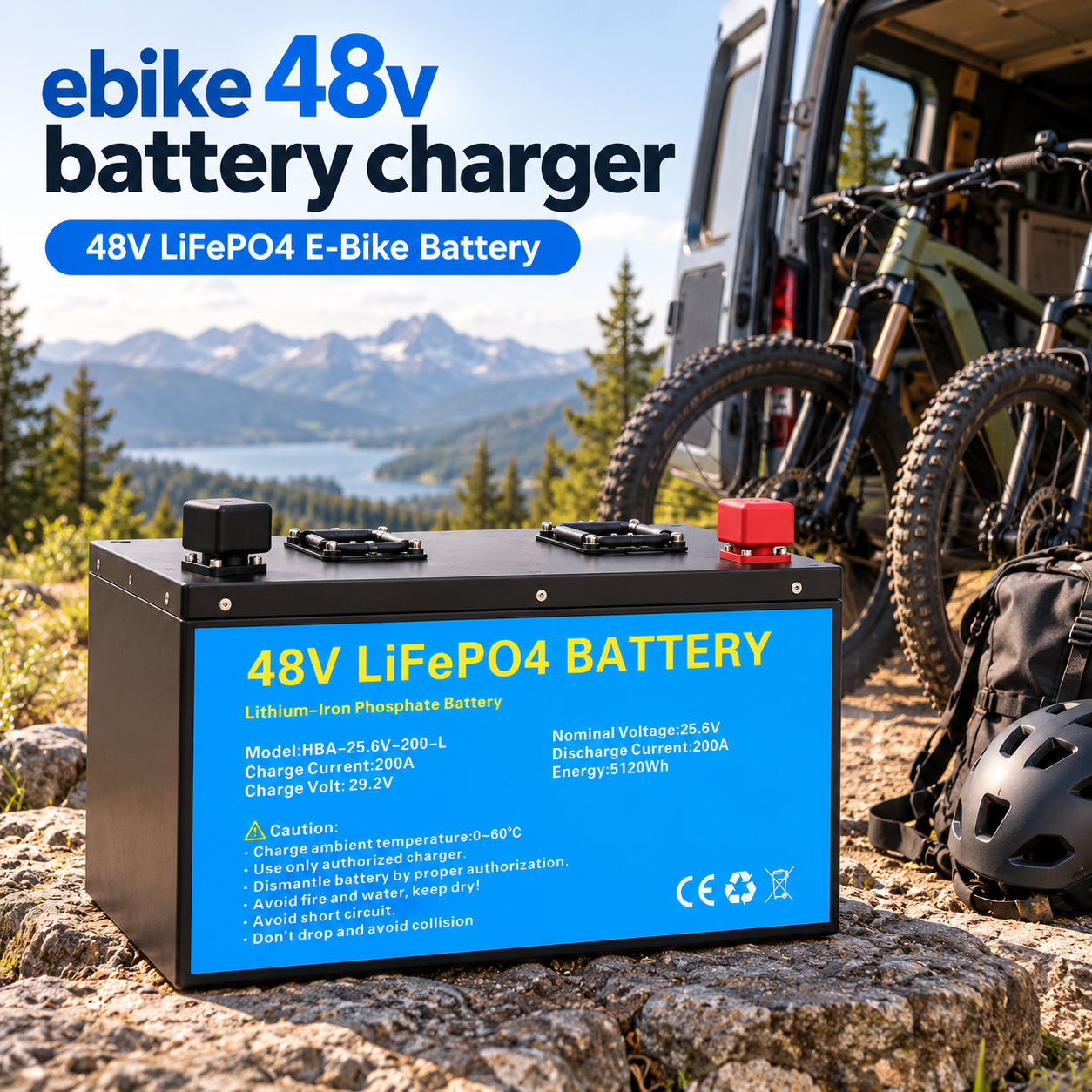
Ebike 48v battery charger

In the realm of electric bicycles (ebikes), a reliable 48V ebike battery chargers is vital for ensuring optimal performance and longevity of the battery system. As a purchasing manager or distributor, understanding the nuances of these chargers is crucial for making informed decisions. This article will delve into common issues associated with ebike 48v battery charger, sourcing high-quality 48V ebike battery chargers options, cost factors, comparison criteria, and the advantages of LiFePO4 technology, ultimately aiding professionals in making educated choices.


Where to Source High-Quality 48V Ebike Battery Chargers

Where to Source High-Quality 48V Ebike Battery Chargers

Sourcing high-quality 48V ebike battery chargers involves evaluating suppliers based on their manufacturing capabilities and reputation. It's advisable to consider manufacturers with established experience in the energy storage sector, particularly those specializing in LiFePO4 technology. 

Companies like Shenzhen Yanshuosheng Technology Co., Ltd. are notable for their focus on high-performance energy systems and a proven track record in delivering compliant products across multiple markets. When sourcing, engage with suppliers who offer transparency regarding their production processes and quality control measures. 

Request detailed information about the materials used, testing procedures, and any certifications that validate the product's safety and reliability. Additionally, leveraging platforms such as trade shows or industry-specific online marketplaces can connect you with reputable manufacturers.


Cost Factors for Wholesale 48V Ebike Battery Chargers

Understanding the cost factors associated with wholesale 48V ebike battery chargers is essential for budgeting and forecasting. Key elements that influence pricing include the materials used, manufacturing complexity, and order volume. 

For instance, chargers that incorporate high-quality components and advanced technology may come at a premium but often result in better performance and longevity. Order volume plays a significant role as well. Manufacturers typically provide tiered pricing structures, where larger orders benefit from reduced unit costs. It's advisable to assess your purchasing patterns and negotiate terms that reflect your expected demand. 

Lastly, consider the total cost of ownership, which encompasses not just the initial purchase price but also potential maintenance, warranty provisions, and replacement costs due to subpar performance. Investing in a higher-quality charger may result in lower overall costs in the long run due to fewer replacements and maintenance requirements.


Comparing 48V Ebike Battery Chargers for Your Business Needs

When comparing 48V ebike battery chargers, there are several specific criteria that should guide your evaluation. First, assess the charging time and output current. A charger with a higher output current can charge batteries more quickly, which may be crucial for businesses that require fast turnaround times. Next, evaluate the safety features integrated into the charger. 

Look for products that include over-voltage protection, short-circuit protection, and thermal management systems. These features are vital for safeguarding both the charger and the ebike good battery for inverter. Additionally, consider the charger’s physical dimensions and weight, particularly if it will be used in mobile applications or requires transportation. A compact, lightweight charger may be more suitable for certain business models, such as rentals or delivery services. 

Lastly, don’t overlook the warranty and customer support provided by the manufacturer. A robust warranty can be indicative of the manufacturer's confidence in their product quality and can offer peace of mind for your business operations.


Advantages of LiFePO4 Technology in 48V Ebike Battery Chargers

LiFePO4 (Lithium Iron Phosphate) technology offers significant advantages for 48V ebike battery chargers, making it a preferred choice in the industry. One of the primary benefits is safety; LiFePO4 batteries have a lower risk of thermal runaway compared to other lithium-ion technologies, which translates to safer charging processes. 

In terms of performance, LiFePO4 batteries exhibit a longer cycle life, often exceeding 2,000 charge cycles. This durability means that businesses can expect fewer replacements and lower lifetime costs. When paired with high-quality chargers, LiFePO4 batteries maintain their capacity for a more extended period, making them ideal for commercial applications. 

Another advantage is the environmental impact. LiFePO4 batteries are composed of non-toxic materials, contributing to a lower environmental footprint compared to other battery chemistries. This sustainability aspect can be a selling point for businesses looking to align with eco-friendly practices. understanding the intricacies of 48V ebike battery chargers is vital for B2B buyers in the ebike industry. 

By addressing common problems, sourcing quality products, analyzing cost factors, making informed comparisons, and leveraging the benefits of LiFePO4 technology, purchasing managers and distributors can enhance their operations and product offerings effectively.

Common Problems with 48V Ebike Battery Chargers and Solutions

When dealing with 48V ebike battery chargers, several common problems can arise, potentially impacting their effectiveness and reliability. One prevalent issue is overheating during charging, which can damage the battery inverter and reduce its lifespan. This can occur if the charger is not equipped with an adequate thermal management system or if it lacks appropriate safety features. To mitigate this, opt for chargers with built-in thermal protection and automatic shutoff features. 

Another issue is compatibility with various battery types. Not all chargers are designed to work with LiFePO4 batteries, which are favored for their longevity and safety. It’s essential to ensure that the charger is compatible with the specific chemistry of the ebike battery you are using. Buyers should verify specifications and consult with manufacturers to confirm compatibility. 

Lastly, inconsistent charging can lead to performance issues. Chargers with poor quality control may not deliver the appropriate voltage or current, risking battery health. Look for suppliers that implement rigorous quality testing and provide certifications like CE or UN38.3, ensuring that the wholesale 48V ebike battery chargers meet safety and performance standards.


Frequently Asked Questions

Is this charger compatible with 48V e-bike batteries?

Yes. The charger is designed for nominal 48V e-bike battery packs, including LiFePO4 systems, when voltage and connector match the battery specifications.
The charger meets CE standards and is compatible with our UN38.3-certified LiFePO4 batteries; it also integrates safety features aligned with our BMS.
Charging time varies by battery capacity; typically a 10–20Ah 48V pack charges in 3–6 hours with a standard charger.
Yes. The charger can be used in solar or RV setups if AC input and connector match; ensure system wiring and BMS compatibility before use.
Built-in protections include over-voltage, over-current, short-circuit, and thermal protection, designed to work with our independent BMS for safe charging.

Get a Free Quote

Our representative will contact you soon.
0/1000