Wholesale Purchasing of House Inverters Explained

5,000+ units ready stock, 1–5 days fast global delivery

application/house-inverter, application/house-inverter, 
Inquiry
Inquiry

house inverter

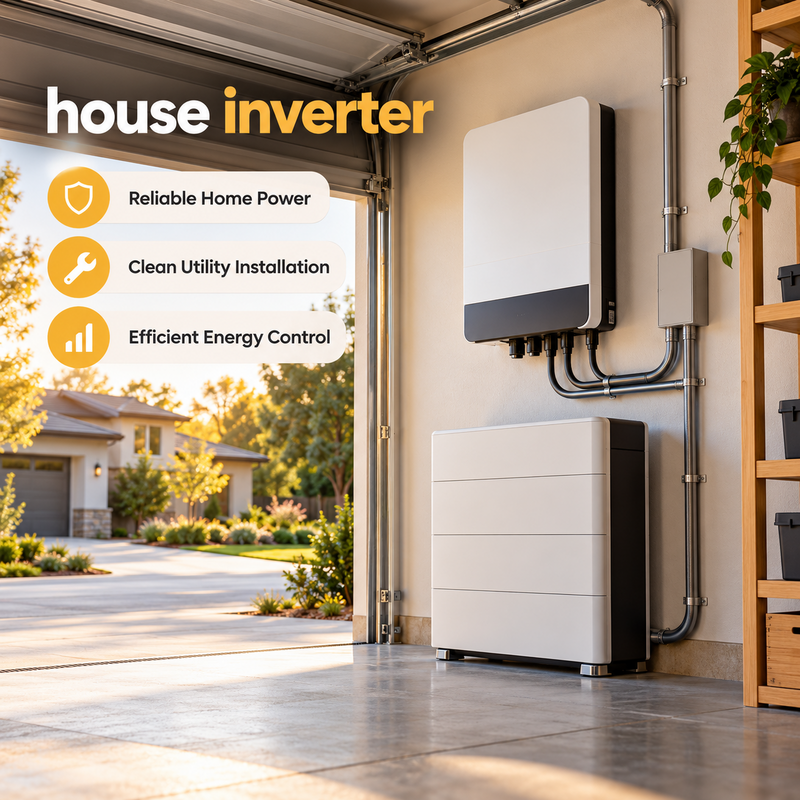
The house  inverter is  a critical component in modern energy solutions, particularly for  residential energy  storage systems. It  converts  the direct current (DC) generated by renewable sources such as  solar panels into alternating current  (AC), which is used to power household  appliances. For B2B buyers, understanding the  technical  specifications,  supply  chain dynamics, and installation  nuances of house inverters is essential for ensuring  optimal performance and cost-effectiveness. This article will explore the benefits of wholesale purchasing for house inverters,  reliable supplier sourcing, key buyer considerations, installation guidance,  and essential cost  factors to consider when buying in  bulk.

 
Where to Find Reliable Suppliers of House Inverters

Where to Find Reliable Suppliers of House Inverters

Finding reliable  suppliers of house  inverters involves  thorough  market research and  due diligence. Start by exploring industry-specific trade shows, online marketplaces, and  professional networks where manufacturers and  wholesalers exhibit their  products. Websites  like  Alibaba and industry-specific directories can provide leads on potential suppliers.

Verifying the supplier's credentials is  crucial. Look for  certifications such as UN38.3 and CE, which indicate  compliance with international safety standards. Additionally,  consider the supplier's reputation by checking customer reviews and case studies. Engaging in direct communication with potential suppliers can also provide insights into their manufacturing capabilities, product range, and  customer support services.

It's advisable&nbsp; to request samples before making bulk purchases. This allows buyers to assess product quality and compatibility with&nbsp; their specific applications, such as solar,&nbsp; UPS, or&nbsp; marine use.</p>&nbsp;

What Buyers Should Know

When considering the purchase of house inverters, buyers&nbsp; should focus on several key&nbsp; specifications:

Power Output: This defines how much energy the inverter can convert and supply. Ensure&nbsp; it meets the requirements of your&nbsp; intended application.&nbsp; Efficiency Rating: A higher efficiency&nbsp; rating means less energy loss&nbsp; during conversion, which directly impacts overall&nbsp; energy&nbsp; savings. Durability and Warranty: Assess the materials used in the&nbsp; inverter’s construction. Quality materials contribute to longevity&nbsp; and performance. A robust warranty can also indicate the manufacturer's confidence in their&nbsp; product. Customization Options:&nbsp; Depending on the application, you may need specific features like&nbsp; remote monitoring or integration with&nbsp; smart home&nbsp; technology.&nbsp;

Understanding these&nbsp; specifications helps in&nbsp; making informed decisions that align with energy needs and budget constraints.&nbsp; Buyers should also consider the manufacturer's experience and track record in the industry, as this can impact product reliability.

Installation Guidance for Efficient Use of House Inverters

Proper installation&nbsp; of house&nbsp; inverters is&nbsp; crucial for maximizing&nbsp; their&nbsp; efficiency and lifespan. Here are some essential&nbsp; guidelines:

Site Assessment: Before installation, conduct a thorough site assessment to&nbsp; determine optimal locations for&nbsp; the inverter and&nbsp; associated components. Factors&nbsp; to consider include ventilation, accessibility for maintenance, and proximity to power sources.

&nbsp;

Electrical Compatibility: Ensure that the inverter is compatible&nbsp; with the existing electrical system. This includes checking voltage levels and circuit capacities.

Professional Installation: While some companies may opt for DIY installation to cut costs, hiring a qualified electrician or technician is recommended. They can&nbsp; ensure&nbsp; that the installation complies with local codes and regulations, which is critical for safety and performance.

&nbsp;

Testing and Monitoring: After installation, perform thorough testing to confirm that the system operates&nbsp; correctly.&nbsp; Implement monitoring solutions to&nbsp; track performance and identify any issues early.

By following these guidelines, companies can enhance the operational efficiency&nbsp; of&nbsp; their house inverters and minimize potential downtimes.

Cost Factors to Consider When Buying House Inverters in Bulk

When purchasing house inverters in bulk,&nbsp; several&nbsp; cost factors need to be considered:

Unit Price&nbsp; vs. Total Cost: While negotiating the unit price, consider the total cost of ownership, which includes installation, maintenance, and potential upgrades over time.

Shipping and Handling: Bulk purchases can&nbsp; lead to significant&nbsp; shipping costs, especially for larger or heavier units. Ensure&nbsp; to factor these into your&nbsp; overall budget.

Custom Duties and Import Taxes: If sourcing from&nbsp; international suppliers, be aware of any&nbsp; customs duties&nbsp; and import taxes that may apply. These can significantly affect the final cost.

Minimum Order Quantities (MOQ): Different suppliers have varying MOQs, which can impact your cash flow and inventory management. It’s essential to align your purchasing strategy with your operational needs.

Payment Terms: Explore&nbsp; different payment options that can ease cash flow,&nbsp; such as installment payments or deferred payment terms, especially when dealing with large orders.

By&nbsp; carefully evaluating these cost factors, businesses can effectively manage their budgets&nbsp; while ensuring&nbsp; they receive high-quality house inverters that meet their operational&nbsp; needs.

In summary, understanding the nuances of house inverters, from wholesale&nbsp; purchasing benefits to supplier sourcing and installation guidance, empowers B2B buyers&nbsp; to make informed decisions that align with&nbsp; their energy&nbsp; management strategies.

The Benefits of Wholesale Purchasing for House Inverters

Wholesale purchasing of house inverters&nbsp; can&nbsp; offer significant advantages for businesses, particularly&nbsp; in terms&nbsp; of cost savings and supply chain efficiency. By&nbsp; buying in bulk, companies can negotiate&nbsp; better prices, which is crucial for maintaining competitive pricing in the&nbsp; market. Additionally, wholesale purchasing streamlines&nbsp; inventory management, allowing businesses to&nbsp; better predict demand and&nbsp; avoid stockouts. For example, the High Performance 50Ah LiFePO4 Lithium Ion Battery Pack is a popular choice for energy storage systems.

<p>Another key benefit is the opportunity to establish long-term relationships with suppliers. This can lead to favorable terms, such as priority access to new products and technologies, which are&nbsp; essential in an industry that is&nbsp; rapidly evolving&nbsp; with advancements in energy storage solutions. Furthermore, purchasing&nbsp; in bulk&nbsp; allows businesses to&nbsp; ensure consistency in product quality, as they&nbsp; can establish quality&nbsp; control measures directly with the manufacturer.</p>&nbsp; <p>For instance, Shenzhen Yanshuosheng Technology Co., Ltd., with its focus on LiFePO4 energy storage systems and deep-cycle&nbsp; batteries, exemplifies how wholesale agreements can provide B2B buyers with reliable, certified products tailored to specific application needs, such as the Energy Storage Systems.

Get a Free Quote

Our representative will contact you soon.
0/1000