LiFePO4 Battery Manufacturer for Diverse Applications

5,000+ units ready stock, 1–5 days fast global delivery

application/lifepo4-battery-manufacture, application/lifepo4-battery-manufacture, 
Inquiry
Inquiry

Lifepo4 battery manufacture

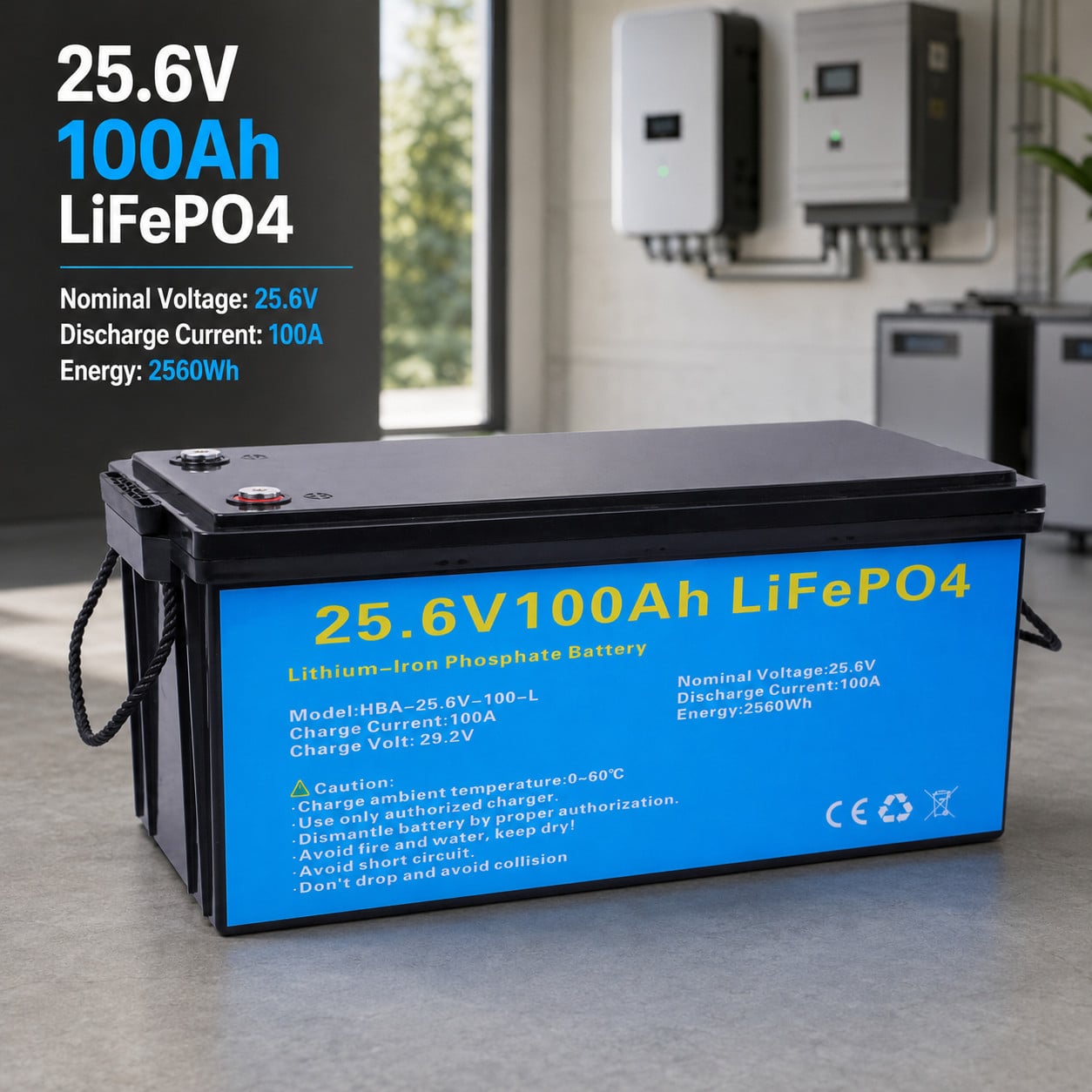
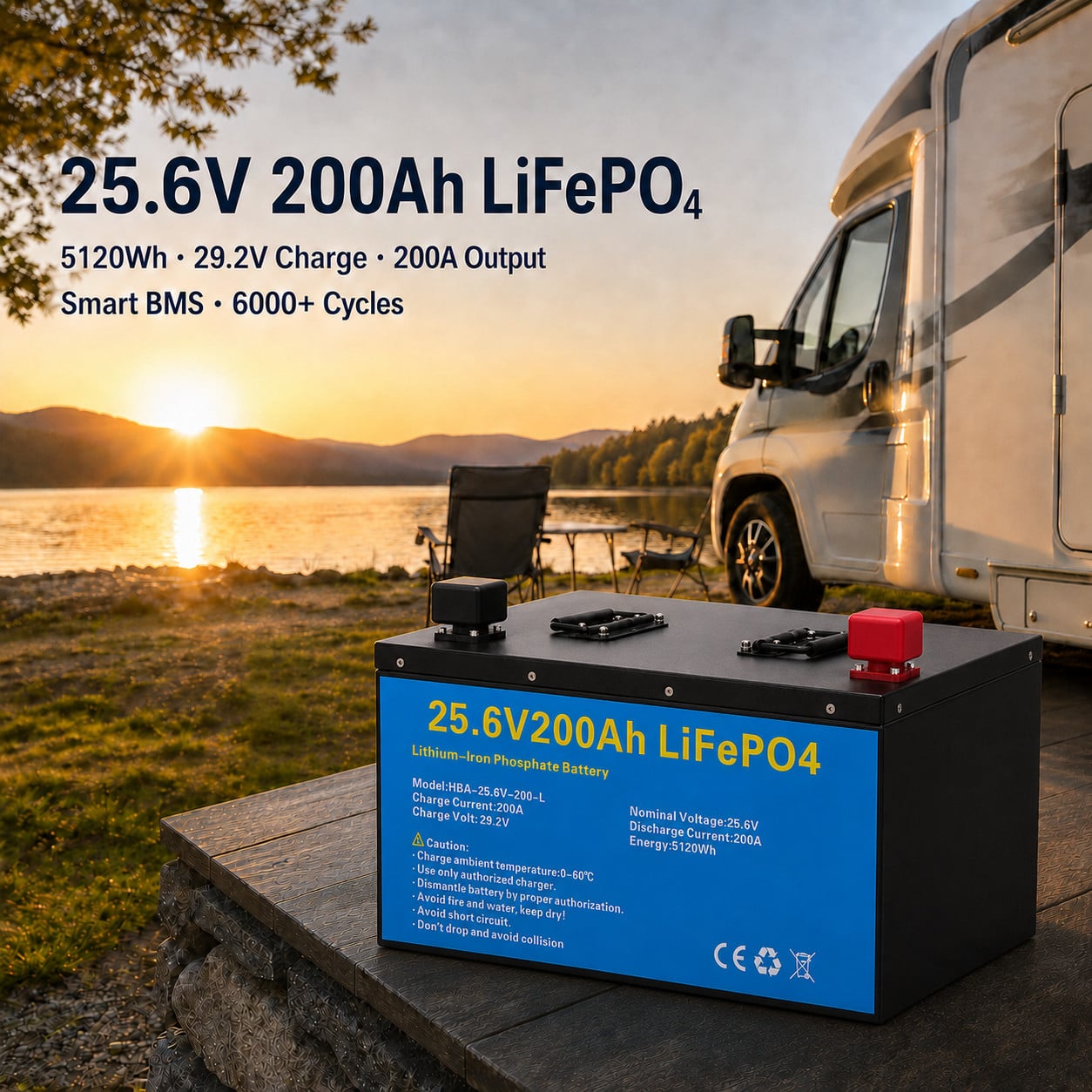
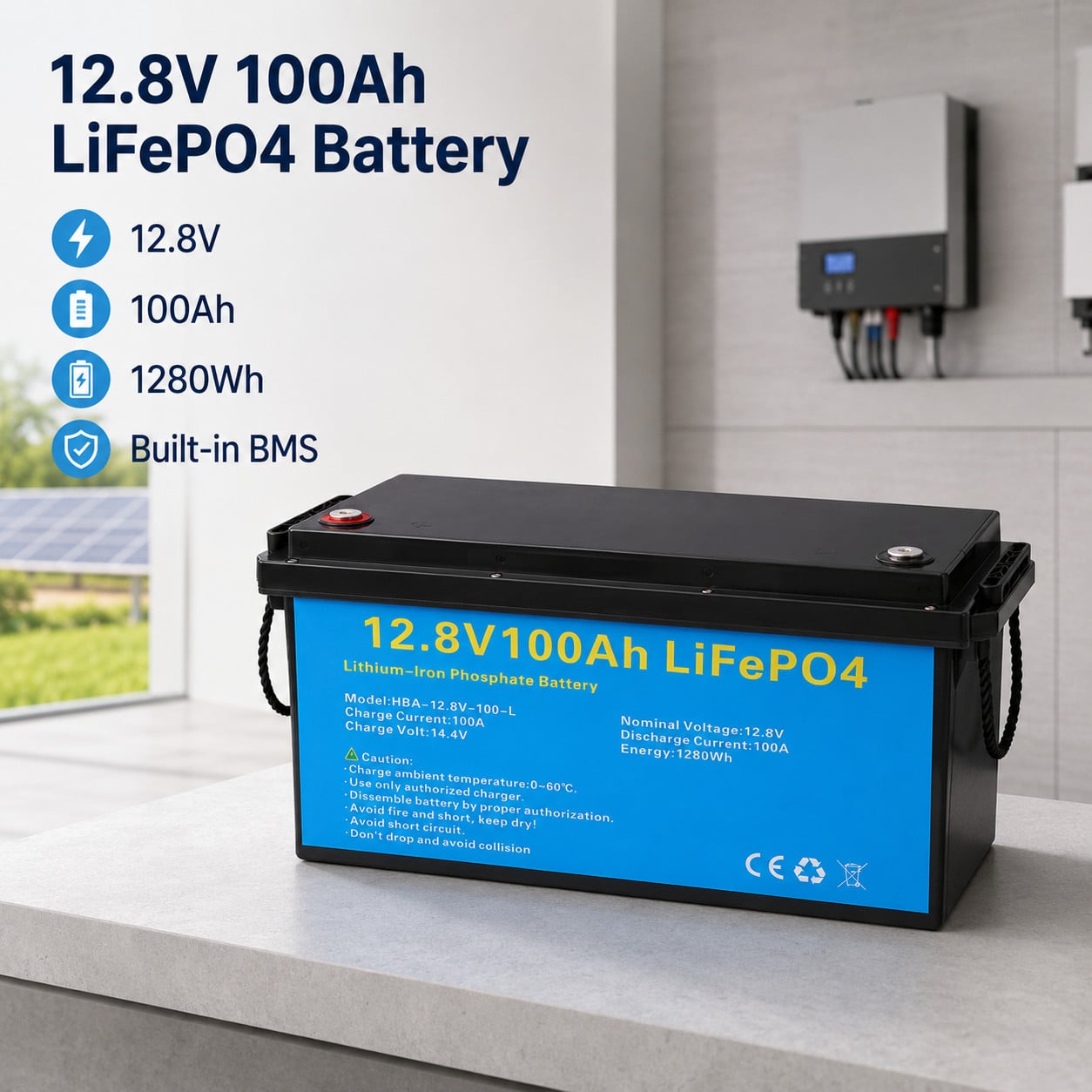
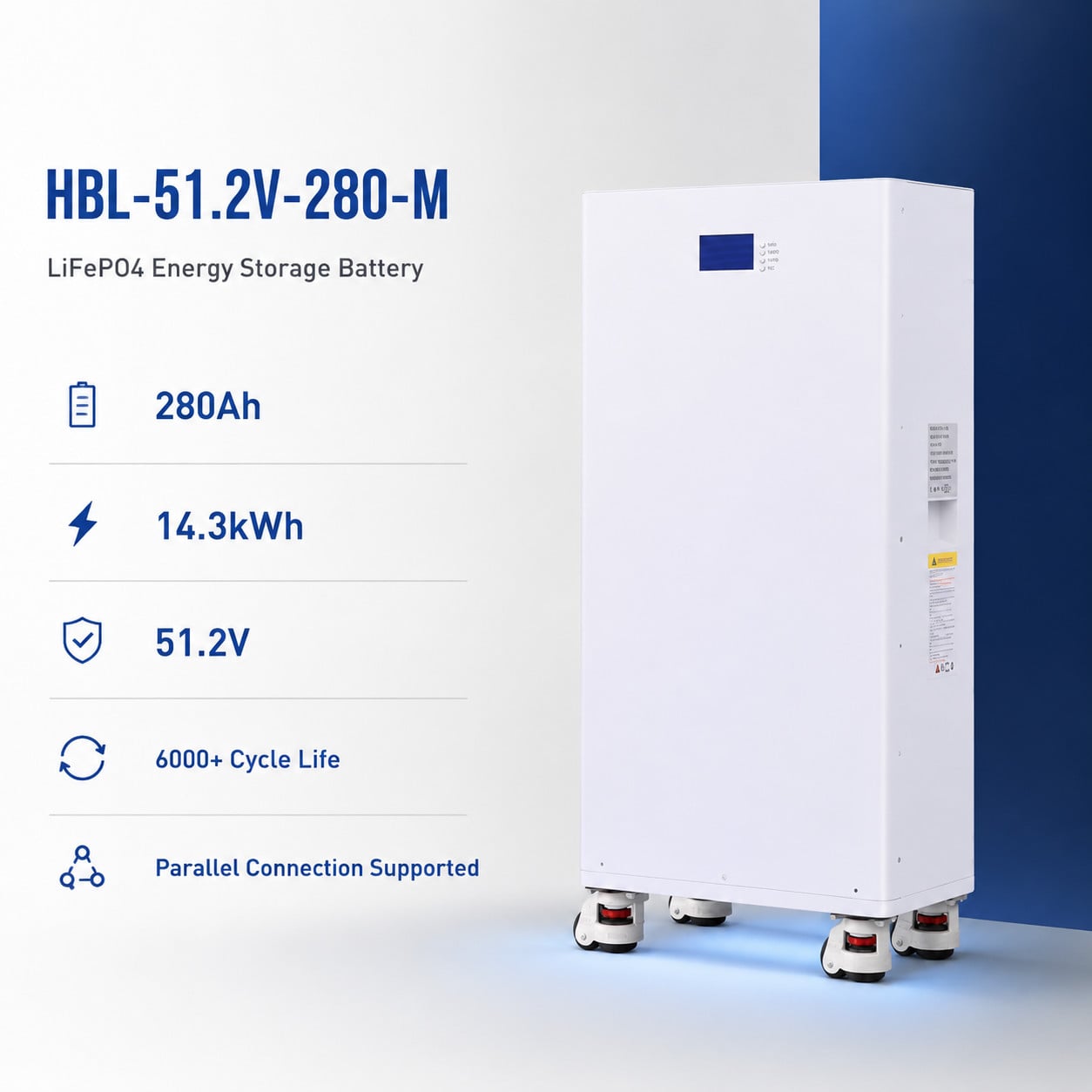
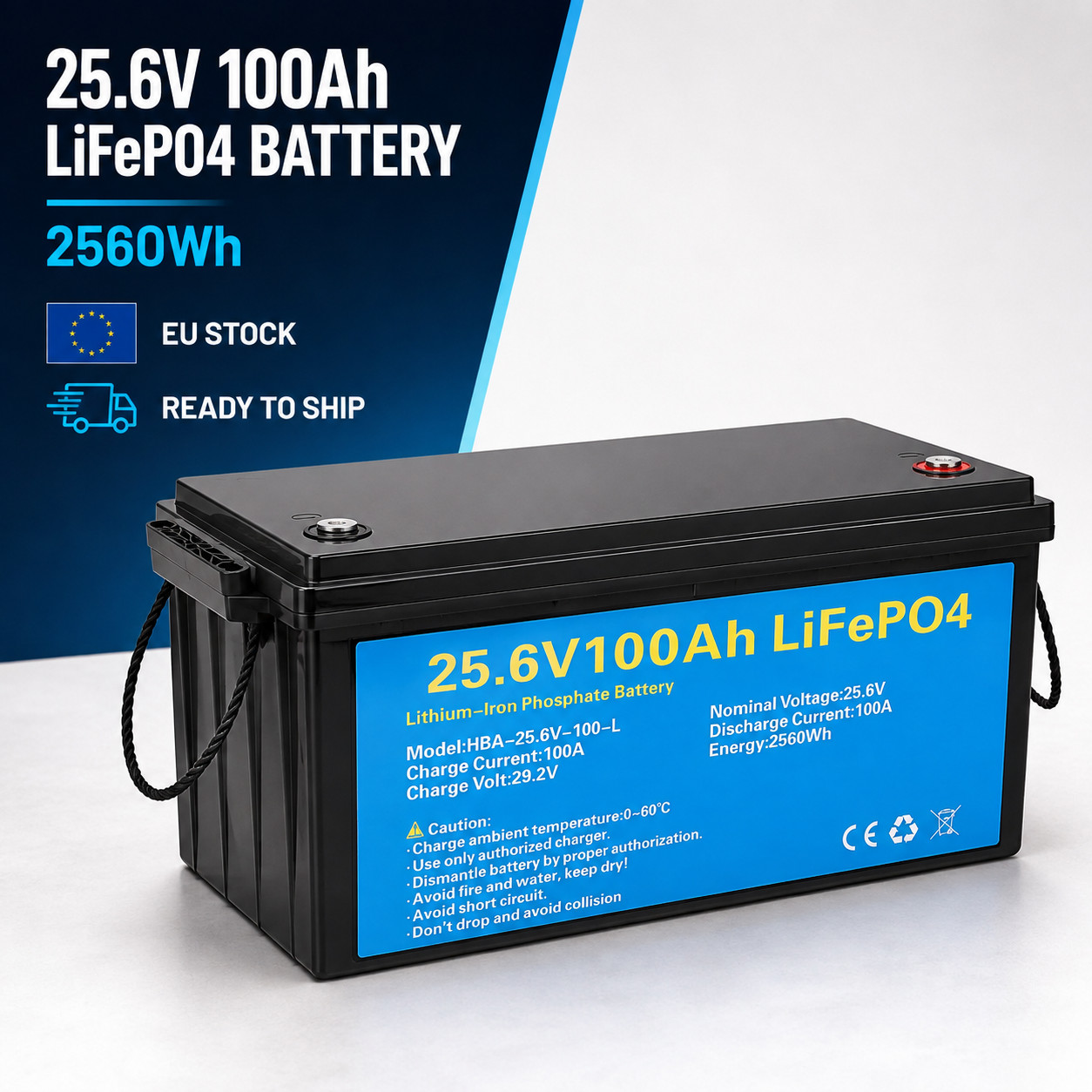
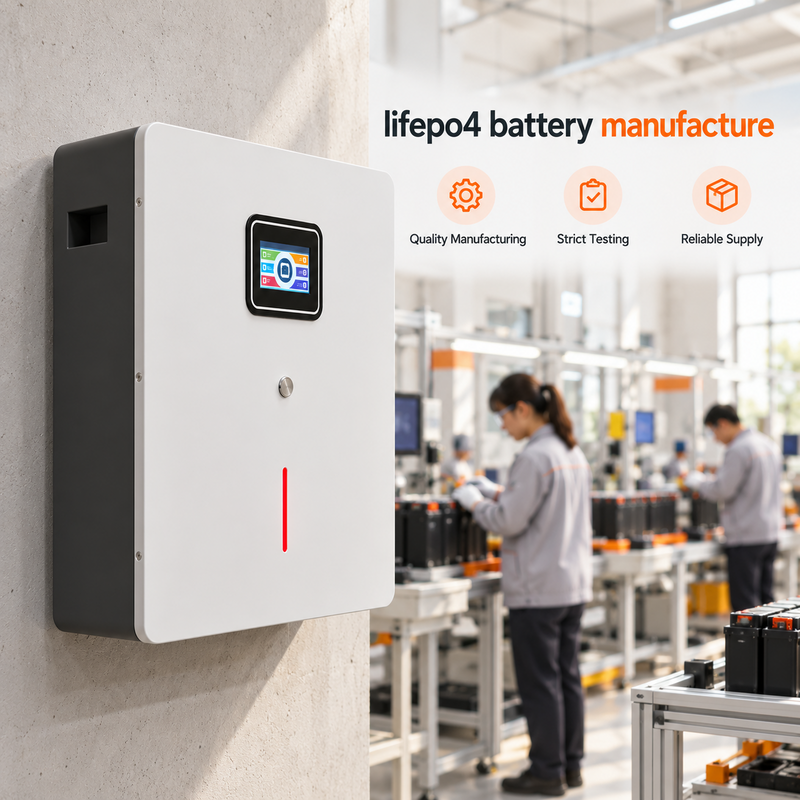
LiFePO4 batteries, or lithium iron phosphate batteries, are gaining traction in various sectors for their reliability and safety in energy storage solutions. As a leading LiFePO4 battery manufacturer, Shenzhen Yanshuosheng Technology Co., Ltd. provides robust energy storage systems suitable for applications in solar energy, RVs, UPS systems, and marine environments. This article aims to address key concerns for B2B buyers, including product selection, quality evaluation, specifications for bulk orders, common issues, and diverse applications ensuring that purchasing managers and engineers can make informed decisions when considering LiFePO4 batteries. 

How to Evaluate the Quality of LiFePO4 Batteries for Wholesale

How to Evaluate the Quality of LiFePO4 Batteries for Wholesale

Evaluating the quality of LiFePO4 batteries is essential, especially when purchasing in bulk. Start by verifying the manufacturer’s certifications, such as UN38.3 and CE, which indicate that the batteries meet safety and performance standards. 

Next, conduct a thorough inspection of the battery’s specifications. Key parameters to check include cycle life, charge/discharge efficiency, and internal resistance. A higher cycle life indicates a longer-lasting LiFePO4 batteries, while efficient charge/discharge rates contribute to better overall performance. 

It’s also advisable to request samples before placing a large order. Testing these samples under actual operating conditions can help identify potential issues, such as heat generation during discharge or inadequate performance under load. Finally, review the manufacturer’s quality control processes to understand how they ensure consistency and reliability in their products. 

Understanding LiFePO4 Battery Specifications for Bulk Orders

When placing bulk orders for LiFePO4 batteries, understanding the specifications is crucial to ensure that the products meet your needs. Start with the battery capacity, typically measured in ampere-hours (Ah), which indicates how much energy the battery can store. This specification should align with your application’s energy demands. 

Next, consider the nominal voltage, which affects system compatibility. Most LiFePO4 batteries operate at a nominal voltage of 3.2V per cell; however, you may require a specific voltage configuration based on your  energy storage systems architecture. 

Another important specification is the discharge rate, expressed as a C-rate. This indicates how quickly the LiFePO4 batteries can be drained relative to its capacity. For instance, a 1C discharge rate means the 48v LiFePO4 battery can be fully discharged in one hour. Understanding these specifications allows buyers to ensure that the batteries will perform adequately in their intended applications. 

Common Problems with LiFePO4 Batteries and Their Solutions

While LiFePO4 batteries are known for their safety and stability, they can still face common issues. One frequent problem is thermal runaway, typically caused by external factors or manufacturing defects. To mitigate this risk, ensure that the LiFePO4 batteries management system (BMS) is robust and capable of monitoring temperature and voltage conditions. 

Another issue is capacity fade over time, which can occur due to improper charging practices or prolonged exposure to extreme temperatures. To address this, it’s vital to adhere to recommended charging protocols and avoid operating the LiFePO4 batteries outside its designated temperature range. 

Lastly, connectivity issues can arise in LiFePO4 batteries packs due to loose connections or poor soldering in the manufacturing process. Regular inspection and maintenance can help identify these problems early, ensuring reliable performance throughout the battery’s lifecycle. 

Exploring Applications of LiFePO4 Batteries in Various Industries

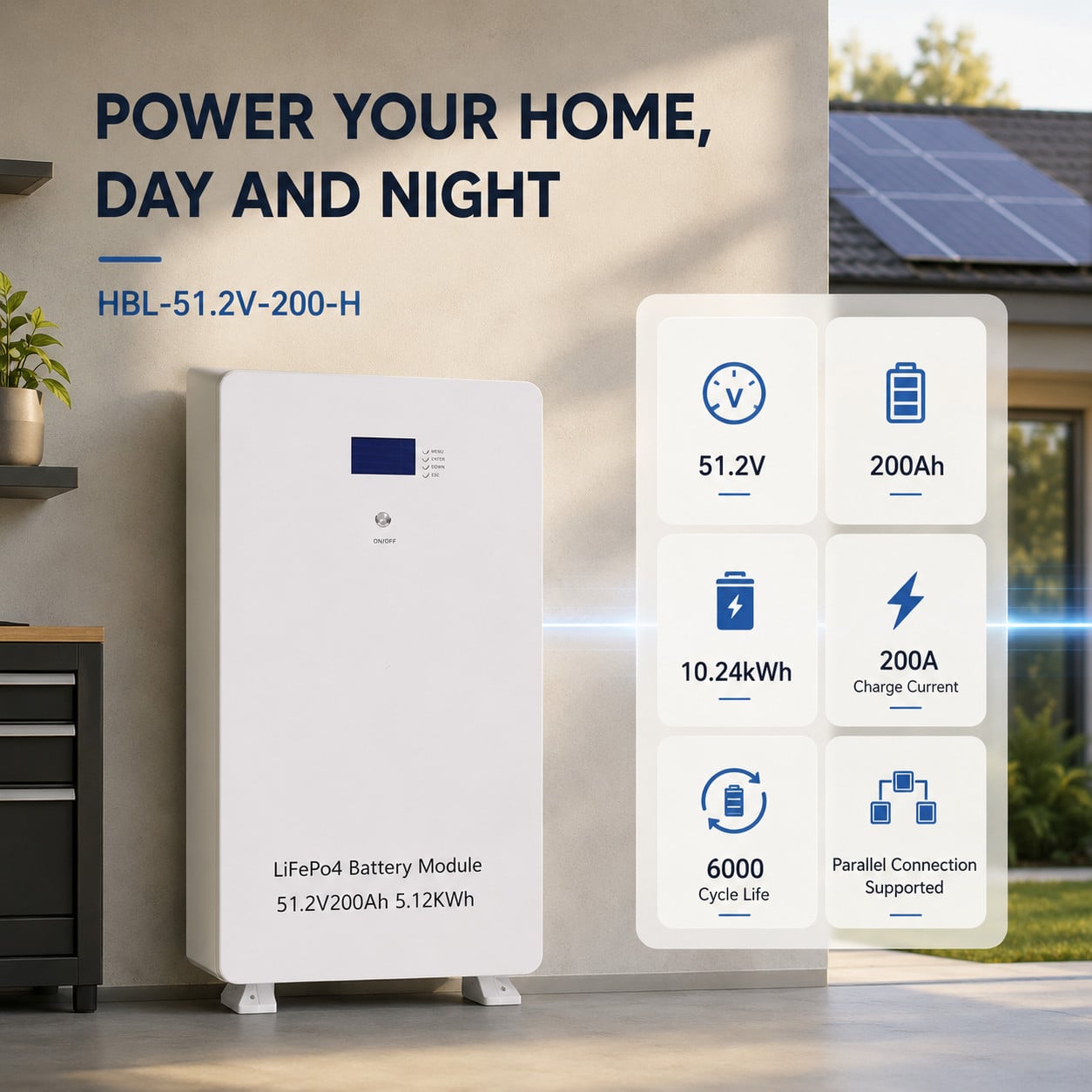
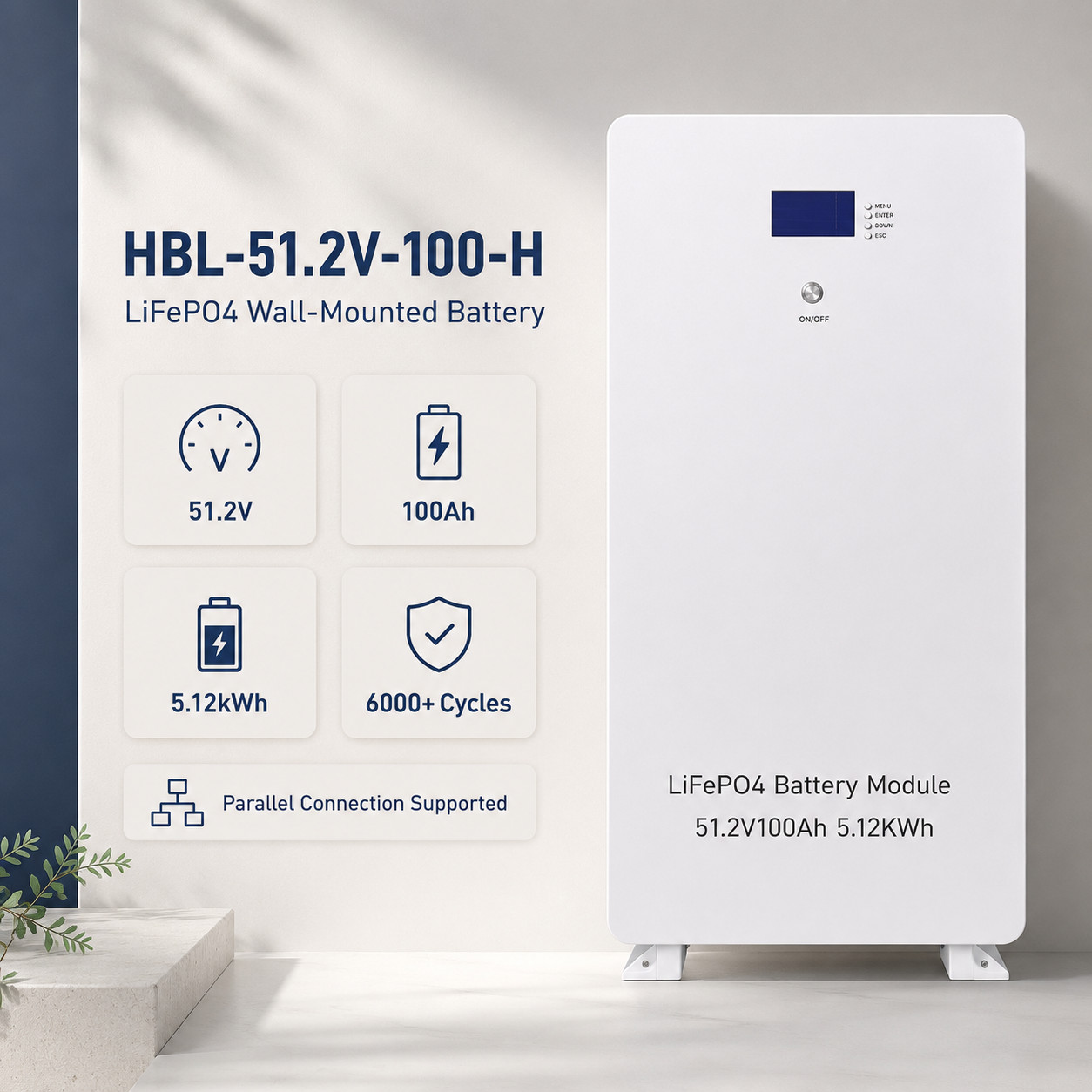
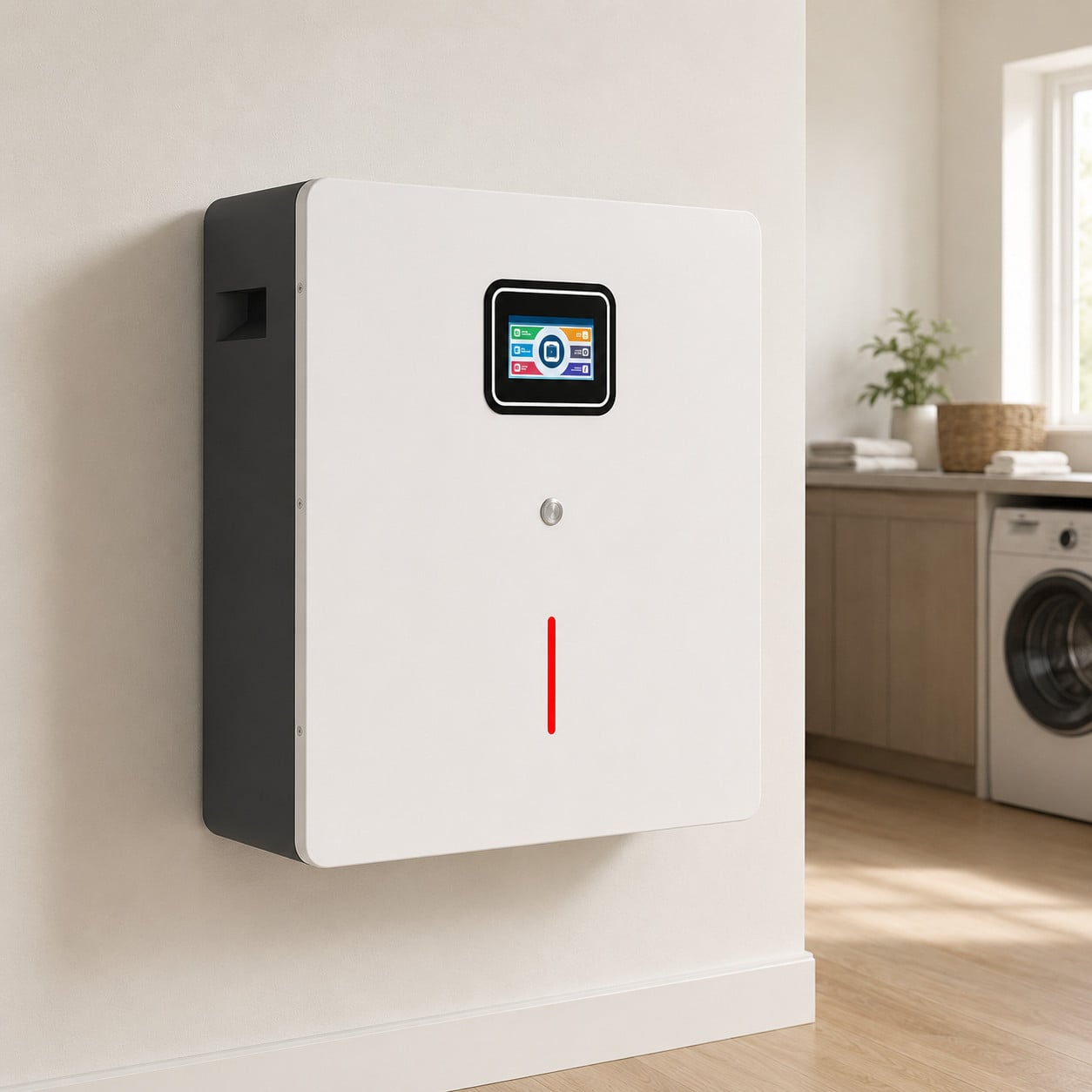
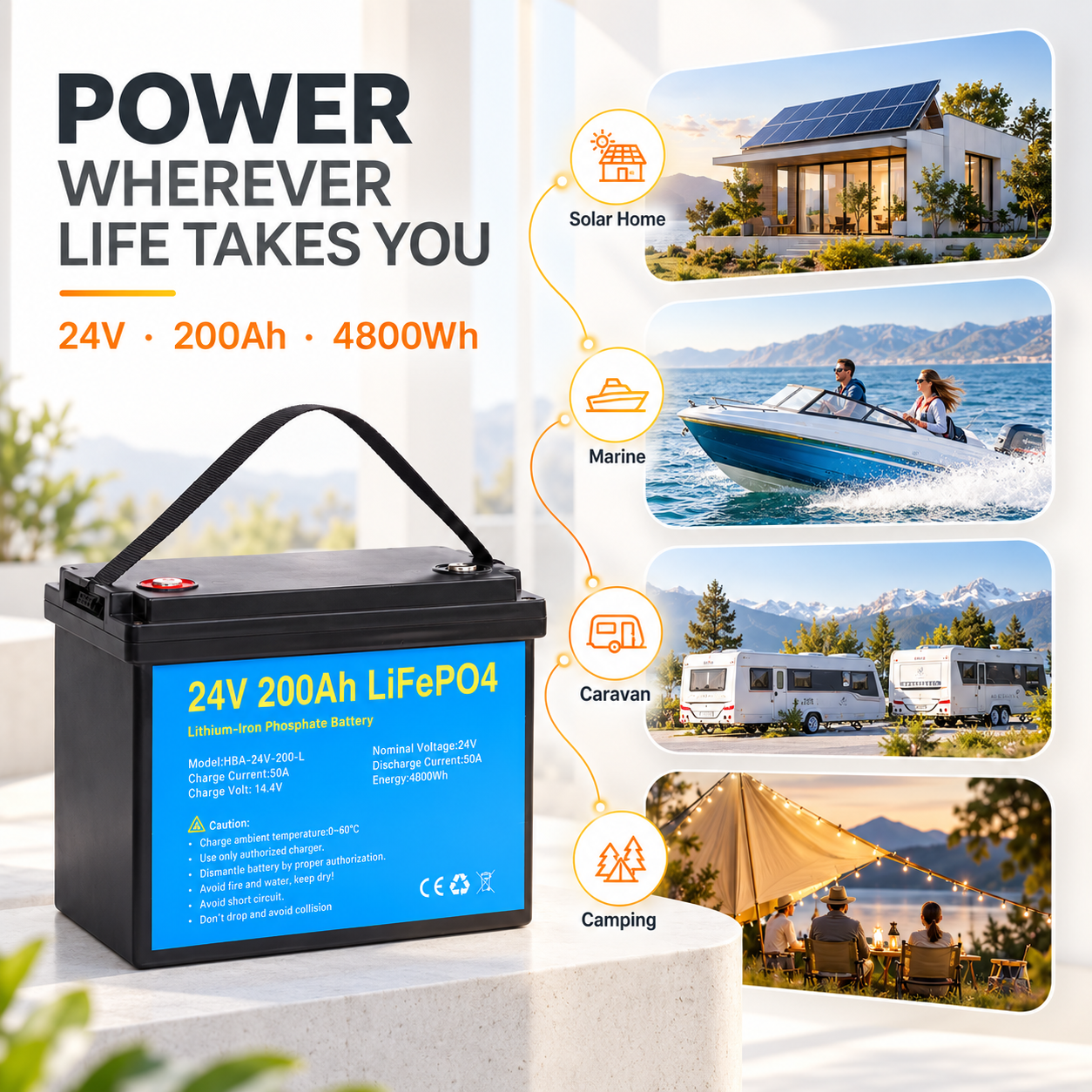
LiFePO4 batteries are versatile and find applications across several industries. In the solar energy sector, they are used for energy storage systems, providing a reliable power source during off-peak hours. Their long cycle life and safety make them an ideal choice for home energy storage solutions. 

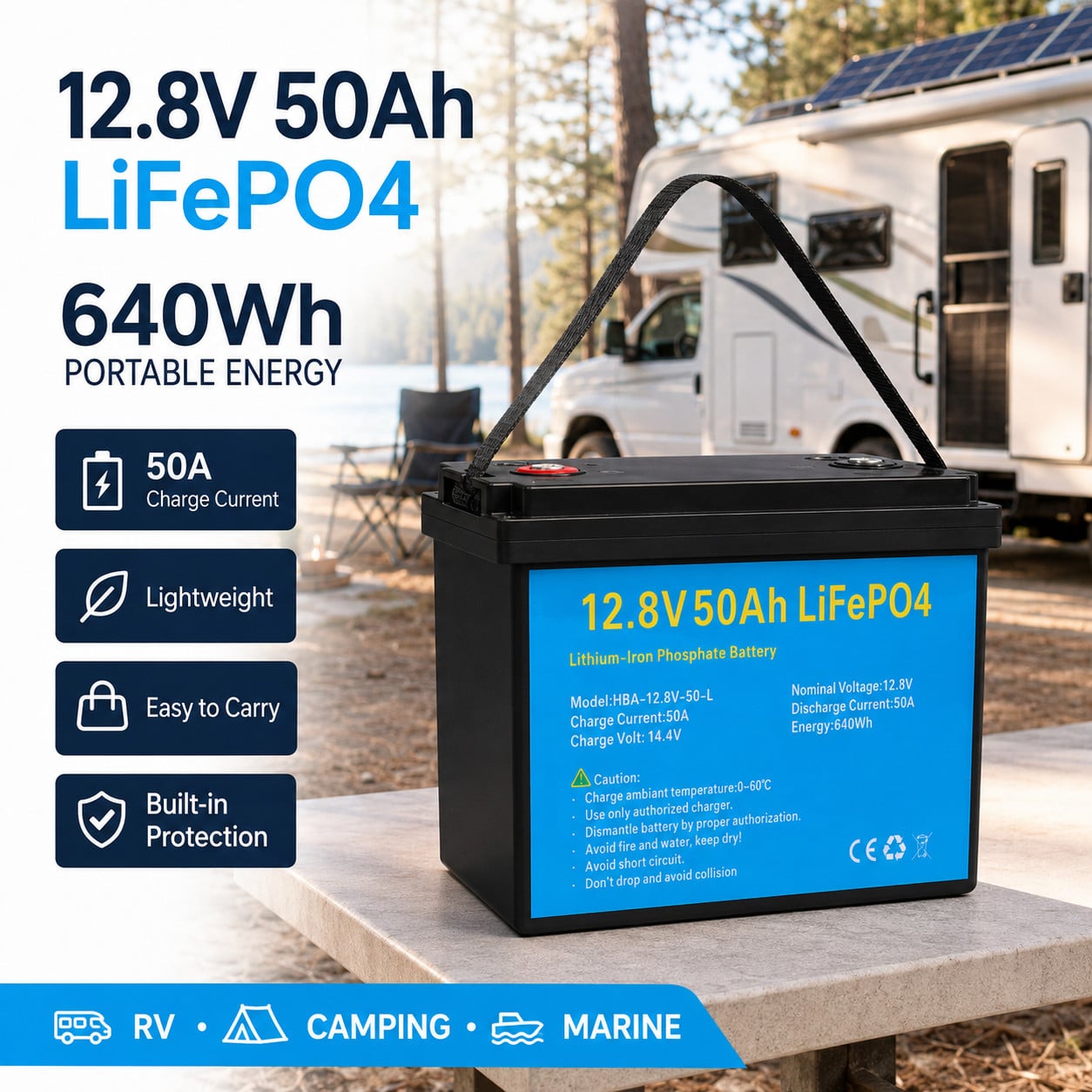
In the recreational vehicle (RV) market, LiFePO4 batteries are favored for their lightweight design and ability to deliver high discharge rates, supporting appliances and devices during travel without the weight burden of traditional lead-acid batteries. 

The uninterruptible power supply (UPS) systems also benefit from LiFePO4 technology, offering a dependable backup solution for critical applications that require consistent power. Additionally, in marine applications, their resistance to corrosion and ability to operate in harsh environments make them a suitable choice for powering boats and other vessels. 

By considering these various applications, buyers can better understand how LiFePO4 batteries can meet their specific needs across different sectors, reinforcing their decision to adopt this advanced LiFePO4 battery for solar energy storage. 

By familiarizing themselves with these aspects of LiFePO4 battery manufacturing and application, B2B buyers can make informed decisions that align with their operational requirements and business objectives. 

Choosing the Right LiFePO4 Battery for Your Application Needs

When selecting a LiFePO4 battery, it is crucial to consider several factors to ensure compatibility with your specific application. First, evaluate the energy requirements this includes understanding the voltage, capacity, and discharge rates necessary for your  energy storage systems. For instance, a solar energy storage solution might require a battery with a higher capacity to store energy generated during peak sunlight hours. 

Another key consideration is the form factor and size of the deep cycle LiFePO4 battery. Depending on space constraints, particularly in residential or marine applications, the dimensions and weight of the battery can significantly impact installation and usability. Additionally, consider the temperature range and environmental conditions the battery will be exposed to, as LiFePO4 batteries perform optimally within specific temperature bands. 

Lastly, ensure that the battery’s certifications like UN38.3 and CE are aligned with industry standards, particularly if the LiFePO4 batteries will be used in sensitive applications such as medical devices or military equipment. 

Get a Free Quote

Our representative will contact you soon.
0/1000