48 Volt LiFePO4 Battery: Key Considerations and Specs

5,000+ units ready stock, 1–5 days fast global delivery

application/48-volt-lifepo4-battery, application/48-volt-lifepo4-battery, 
Inquiry
Inquiry

48 volt lifepo4 battery

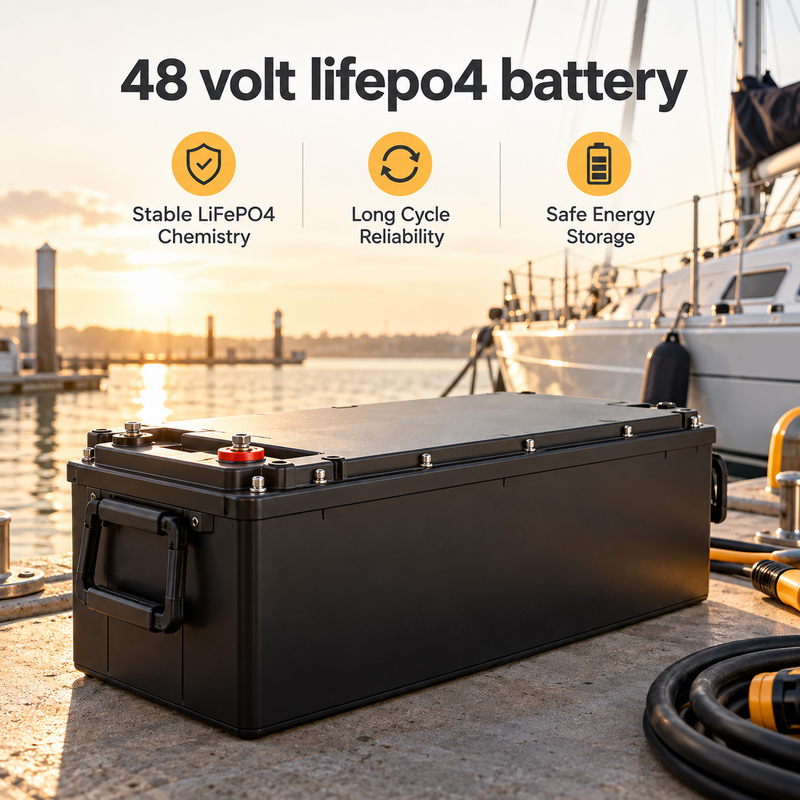
The 48 volt LiFePO4 battery is an advanced energy storage solution designed for various applications, including solar power systems, residential storage, RVs, UPS, and marine uses. As B2B buyers, purchasing managers, and engineers consider these batteries, they are often concerned with specifications, compatibility, cost factors, and installation requirements. This double battery inverter article will guide you through critical considerations when selecting a 48 volt LiFePO4 battery, ensuring you can make an informed purchasing decision.

Several key factors influence the performance

Several key factors influence the performance

Several key factors influence the performance and suitability of a 48 volt LiFePO4 battery. These include: 

Battery Management System (BMS): A robust BMS is essential for monitoring and protecting the battery pack. It ensures safe operation by preventing overcharging, deep discharging, and overheating, which can lead to battery failure. 

Temperature Range: The 12v battery inverter operational temperature range impacts battery performance and lifespan. Ensure that the battery can function efficiently in the environmental conditions expected for its application. 

Weight and Size: Depending on the installation requirements, the physical dimensions and weight of the battery may be factors in your decision-making process, particularly for mobile applications like RVs or boats. 

Certification: Certifications such as UN38.3 and CE ensure compliance with international safety and quality standards. These certifications provide an added layer of assurance regarding the battery's reliability and safety. 

Understanding the technical specifications

Understanding the technical specifications of a 48 volt LiFePO4 battery is vital for ensuring it meets your application needs. Key specifications include: 

Nominal Capacity: Measured in ampere-hours (Ah), this value indicates how much energy the battery can store. For example, a 100Ah battery can theoretically provide 100 amps for one hour or 50 amps for two hours. 

Continuous Discharge Rate: This small inverter with battery specification tells you how much current the battery can supply continuously without overheating or failing. Ensure the battery can handle the load of your application. 

Voltage Tolerance: Look for specifications regarding voltage tolerance. This is important for maintaining efficient operation and compatibility with other system components. 

Cycle Life: As mentioned earlier, the typical cycle life for LiFePO4 batteries ranges from 2000 to 5000 cycles, depending on usage patterns and depth of discharge. 

Self-Discharge Rate: A lower self-discharge rate means the battery retains its charge longer when not in use, which is particularly important for applications that may not be used regularly. 

When considering bulk orders of 48 volt LiFePO4 batteries

When considering bulk orders of 48 volt LiFePO4 batteries, various cost factors come into play. The base price per unit typically decreases with higher quantities due to economies of scale. However, other factors can influence overall costs: 

Customization: If you require specific modifications or features, such as custom BMS programming or physical dimensions, be prepared for additional costs. 

Shipping and Handling: Consider logistics costs, especially if you are importing batteries from overseas. Shipping fees can vary significantly based on the quantity and distance. 

Lead Time: Longer lead times may lead to increased costs if you require expedited shipping. Always confirm production timelines with your supplier to manage costs effectively. 

Minimum Order Quantity (MOQ): Many manufacturers set a MOQ, which can impact your initial purchasing decision. Be sure to understand the implications of MOQ on your budget and inventory management. 

Warranty and Support: A manufacturer offering comprehensive warranties and support may have higher upfront costs but could save you money in the long run through lower failure rates and better service. 

The installation location of your 48 volt LiFePO4 battery

The installation location of your 48 volt LiFePO4 battery can significantly affect its performance and longevity.  Here are some considerations for optimal installation: 

Temperature Control: Install the battery in an environment where temperatures remain within the manufacturer’s specified range. Excessive heat or cold can degrade battery performance and lifespan. 

Ventilation: Ensure proper ventilation around the battery to prevent overheating. This is particularly important for batteries used in confined spaces. 

Accessibility: Position the battery where it can be easily accessed for maintenance and monitoring. This is crucial for checking connections and ensuring the BMS operates effectively. 

Vibration and Shock Absorption: For applications like marine or RV installations, consider mounting solutions that minimize vibration and shock to prolong battery life. 

Safety Considerations: Avoid placing the battery near flammable materials or in areas with high moisture levels. Following safety protocols will help prevent accidents and ensure compliance with regulations. 

In summary, selecting a 48 volt LiFePO4 battery involves understanding the critical specifications, evaluating cost factors, and considering installation requirements. Leveraging this knowledge will help you make informed purchasing decisions that align with your application needs, ensuring optimal performance and longevity of your energy storage solution. 

When evaluating 48 volt LiFePO4 batteries

When evaluating 48 volt LiFePO4 batteries, several key factors must be assessed. First, portable inverter with battery consider the specific application for which the battery will be used. For instance, batteries designed for solar energy storage may require different performance characteristics compared to those used in marine applications. 

Next, assess the battery’s cycle life, which refers to the number of charge and discharge cycles it can endure before its capacity significantly diminishes. A longer cycle life translates to better longevity and value over time.  It’s also essential to evaluate the battery's depth of discharge (DoD) capability, as this determines how much of the battery's capacity can be safely used without damaging it. 

Additionally, compatibility with existing systems is crucial. Ensure the battery's output voltage and current specifications match your application requirements to prevent operational issues. 

Get a Free Quote

Our representative will contact you soon.
0/1000