Evaluating Solar Battery Storage System Costs

5,000+ units ready stock, 1–5 days fast global delivery

application/solar-battery-storage-system-cost, application/solar-battery-storage-system-cost, 
Inquiry
Inquiry

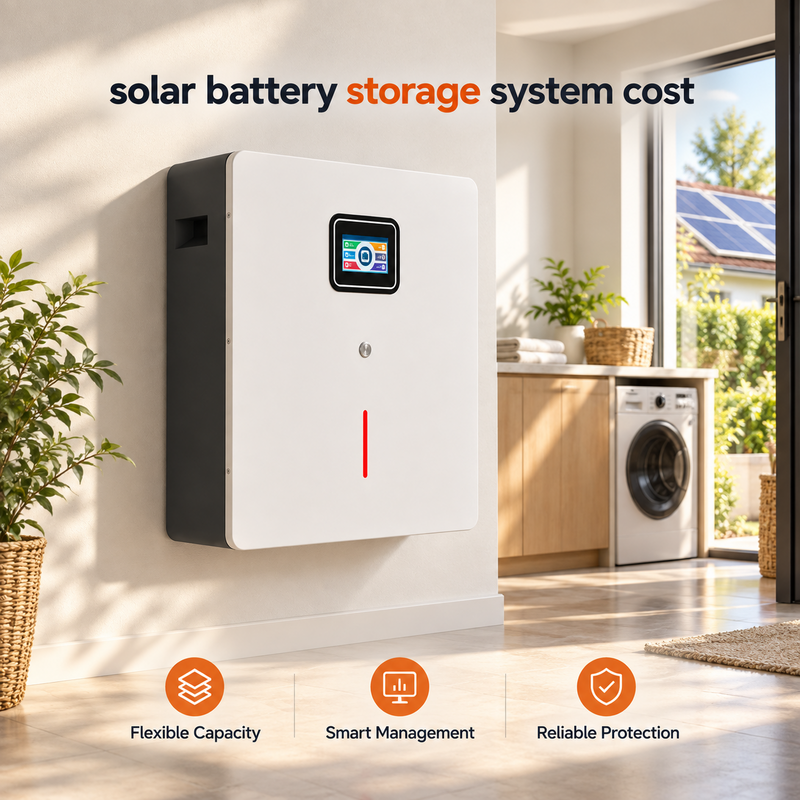
Solar battery storage system cost

Understanding the solar battery storage system cost is essential for businesses considering the integration of renewable energy solutions. These systems are pivotal for maximizing energy efficiency, particularly for industries reliant on solar power. However, potential buyers often have concerns regarding the initial investment, ongoing maintenance costs, and the return on investment. This article will guide you through evaluating costs effectively, key specifications to consider, sourcing reliable suppliers, comparing quality and performance, and addressing common problems with solar panels and micro inverters systems. 

Key Specifications to Consider When Choosing Solar Battery Systems

Key Specifications to Consider When Choosing Solar Battery Systems

Selecting the right solar power micro inverter system involves understanding the key specifications that affect performance and suitability for your applications. 

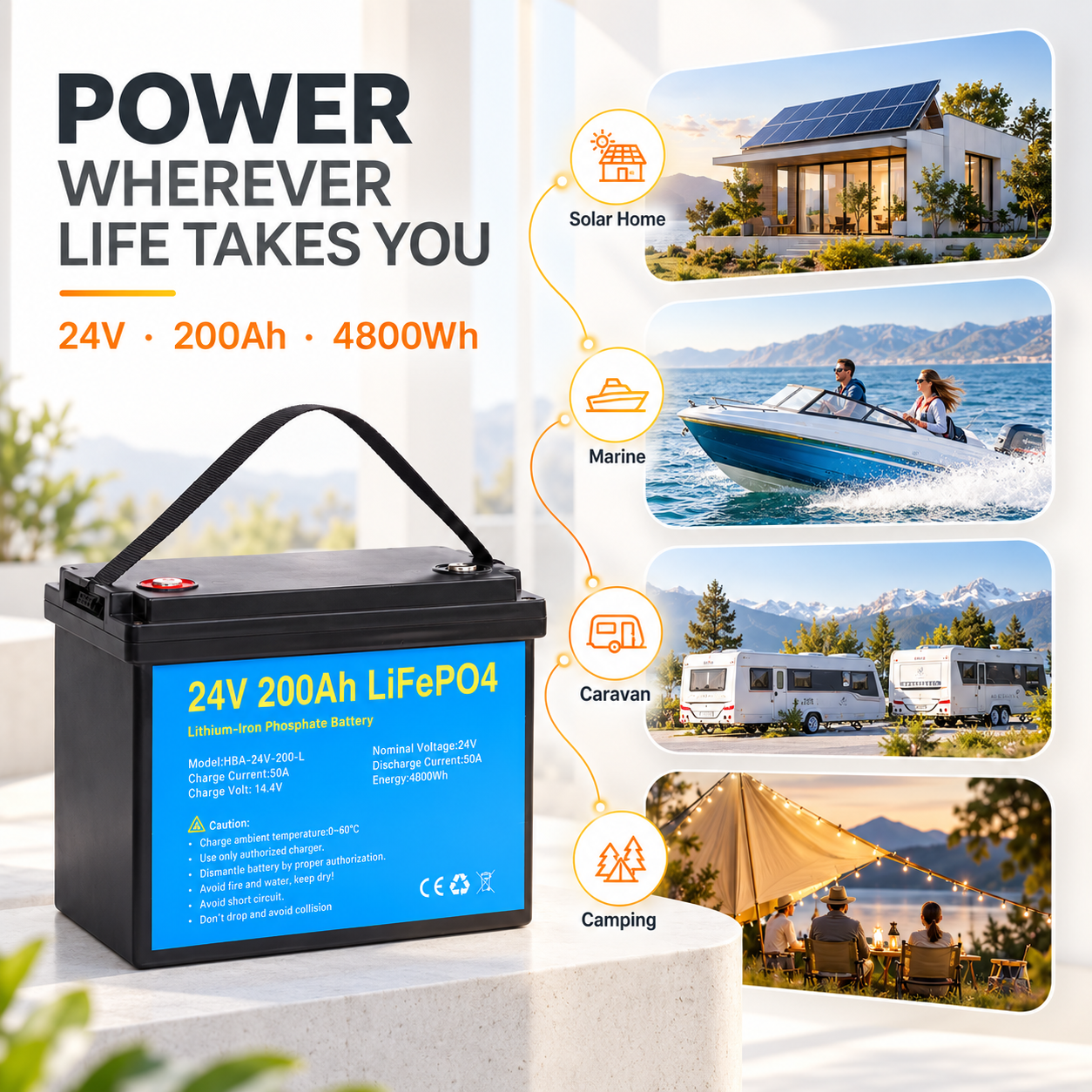
Battery Type and Chemistry: Lithium Iron Phosphate (LiFePO4) batteries are known for their stability and long cycle life, making them a popular choice for commercial applications. Understand the advantages of different battery chemistries based on your energy needs.Capacity and Power Rating: The capacity refers to how much energy the battery can store, while the power rating indicates the maximum output. Assess your energy consumption patterns to determine the required capacity.Depth of Discharge (DoD): This specification indicates how much energy can be safely used from the battery. A higher DoD means more usable energy but may affect overall battery life.Efficiency: Look for systems with high round-trip efficiency, as this impacts the amount of energy you can utilize from the stored power. 

Where to Source Reliable Suppliers for Solar Battery Systems

Finding reliable suppliers for solar battery storage systems is crucial for ensuring quality and support. Start by considering manufacturers with a proven track record in the industry. 

Industry Research: Utilize industry publications, trade shows, and online resources to identify reputable manufacturers. Look for companies that have experience in supplying products for specific applications such as solar, RV, UPS, and marine.Certifications: Verify suppliers’ certifications, such as UN38.3 and CE, which indicate compliance with safety and quality standards. This is essential for ensuring that the products meet regulatory requirements.Customer Reviews and Case Studies: Research customer feedback and case studies to gauge the reliability of the supplier and the performance of their products in real-world applications.After-Sales Support: Assess the level of customer service and technical support offered by the supplier. A responsive support team can be invaluable for troubleshooting and maintenance. 

Comparing Quality and Performance in Solar Battery Systems

To make an informed purchasing decision, it is vital to compare the quality and performance metrics of various solar battery systems. 

Durability and Lifespan: Investigate the expected lifespan of the battery and its cycle life. Products that can endure a high number of charge and discharge cycles will provide better long-term value.Performance in Diverse Conditions: Assess how the battery performs under different environmental conditions, including temperature extremes. Batteries designed for marine or off-grid applications often have superior performance in challenging  environments.Warranty Terms: Evaluate the warranty terms offered by different manufacturers. A more extended warranty period can provide peace of mind regarding the product's reliability.Real-World Performance Data: Request performance data from existing installations to understand how the system operates under typical load conditions.  

Common Problems with Solar Battery Storage and Their Solutions

Like any technology, solar battery storage systems can encounter issues. Understanding these common problems and their solutions is important for prospective buyers. 

Degradation Over Time: Batteries lose capacity over time, which can reduce their effectiveness. To mitigate this, choose high-quality batteries with better cycle life and efficiency ratings. Regular monitoring of battery health can help in early detection of performance issues.Incompatibility with Existing Systems: Ensure that the chosen battery system is compatible with your existing solar setup. This includes checking voltage levels, inverter compatibility, and installation requirements. Consulting with the supplier about integration options can prevent costly installation errors.Temperature Sensitivity: Extreme temperatures can affect battery performance. Ensure that the battery system is rated for the climate in which it will be used, and consider climate control solutions if necessary.Maintenance Challenges: While LiFePO4 batteries require less maintenance compared to other types, neglecting regular checks can lead to performance issues. Establish a maintenance schedule that includes routine inspections and cleaning. 

By prioritizing the right specifications, sourcing trustworthy suppliers, and understanding the common challenges associated with inverter battery price  systems, businesses can make informed decisions that align with their energy goals while effectively managing costs. 

How to Evaluate Solar Battery Storage System Costs Effectively

When evaluating solar battery storage system costs, solar battery systems, LiFePO4 batteries, reliable suppliers for solar battery systemsstorage system costs, it's crucial to consider various factors beyond the initial purchase price. Start by determining the total cost of ownership, which includes installation, maintenance, and potential replacement costs over the system's lifespan. 

Initial Purchase Price: This is the most apparent cost, but be wary of low upfront costs that may indicate compromised quality.Installation Costs: These can vary significantly based on the complexity of the installation and local labor rates. Ensure you receive detailed quotes that outline all installation aspects.Maintenance and Operational Costs: Regular maintenance is necessary to keep the system functioning optimally. Some manufacturers, like Shenzhen Yanshuosheng Technology Co., Ltd., may offer warranties that cover maintenance for a specified period.Return on Investment (ROI): Calculate the expected savings on energy bills versus the total costs incurred. Consider local incentives or rebates that could offset initial expenses. 

Get a Free Quote

Our representative will contact you soon.
0/1000