Guide to Solar Energy Battery Storage Systems

5,000+ units ready stock, 1–5 days fast global delivery

application/solar-energy-battery-storage-system, application/solar-energy-battery-storage-system, 
Inquiry
Inquiry

Solar energy battery storage system

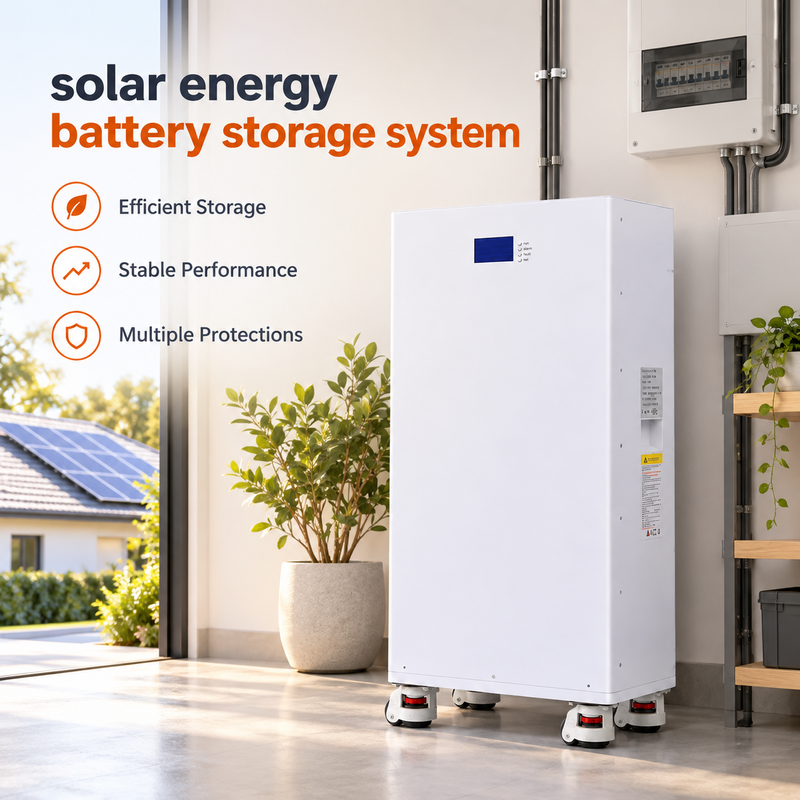
A solar energy battery storage system is a crucial component for effectively harnessing and utilizing renewable energy. These systems not only maximize energy efficiency but also provide backup power during outages, making them essential for various applications, from residential homes to commercial facilities. As a purchasing manager or engineer, understanding the specifications, quality considerations, and installation requirements of solar energy battery storage systems is vital to ensuring your investment meets your operational needs and sustainability goals. This article will guide yousolar energy battery storage system, LiFePO4 energy storage systems, battery chemistry, depth of discharge.

Key Specifications for Solar Energy Battery Storage Solutions

Key Specifications for Solar Energy Battery Storage Solutions

Understanding the technical specifications of Energy Storage Batteries storage systems is fundamental for making an informed purchasing decision. Key specifications include:

Capacity: Measured in kWh, this indicates the total energy the battery can store. Select a capacity that meets your energy consumption patterns, ideally with some room for growth.

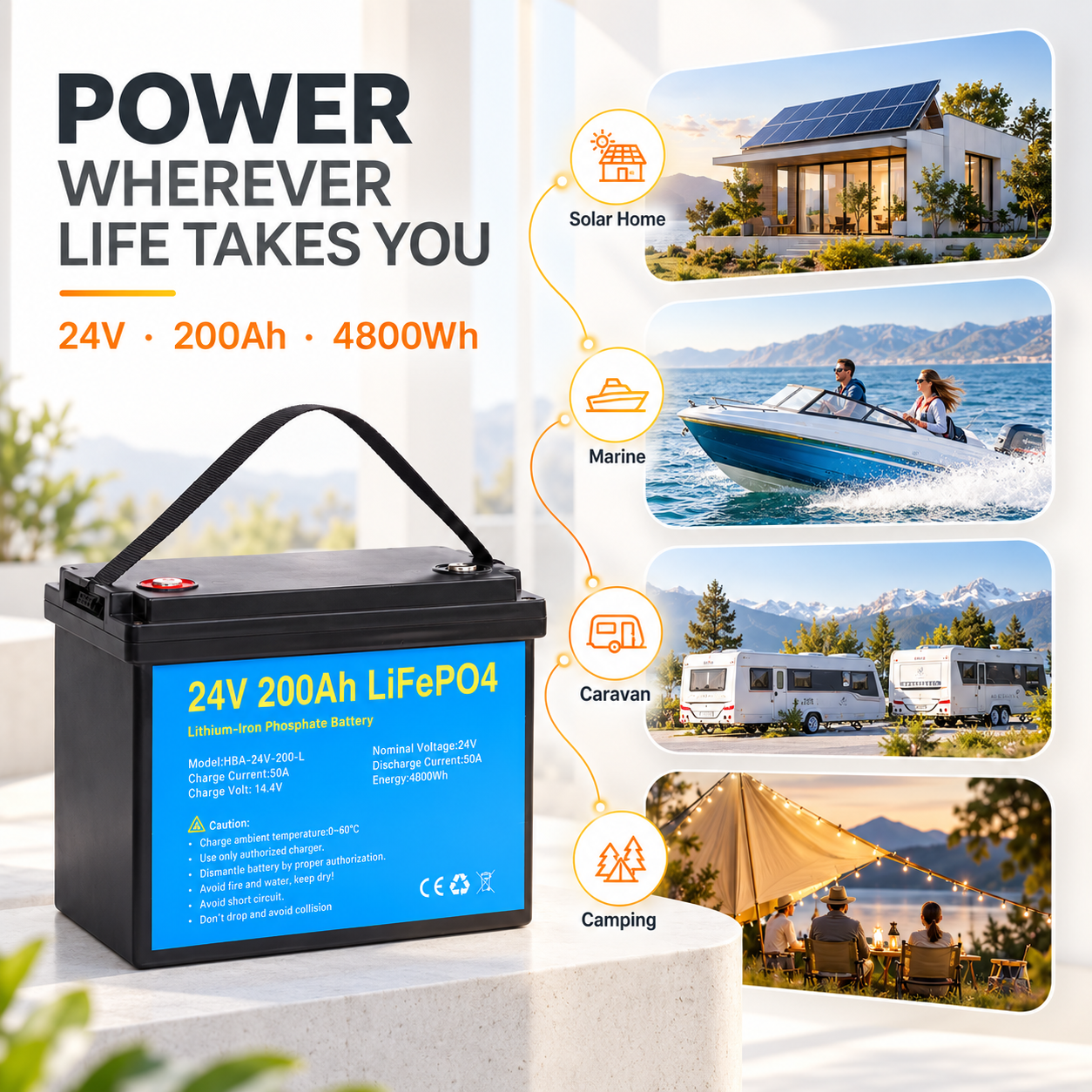
Voltage: The standard voltage options are typically 12V, 24V, or 48V. Your choice will depend on the compatibility with your solar power system and inverter.

Cycle Life: This refers to the number of charge and discharge cycles a battery can undergo before its capacity significantly diminishes. A higher cycle life is indicative of a longer-lasting battery.

Efficiency: This metric shows how much of the stored energy can be effectively used. Look for systems with high round-trip efficiency, ideally above 90%, to maximize energy use.

Temperature Range: Different battery technologies operate optimally in specific temperature ranges. Ensure the selected system can operate efficiently in your local climate conditions.

These specifications not only impact the performance and longevity of the battery but also influence the overall cost-effectiveness of your solar energy investment.

How to Compare Different Solar Energy Battery Storage Options

When comparing various Energy Storage System storage options, start by evaluating the manufacturer’s reputation and experience in the industry. A company like Shenzhen Yanshuosheng Technology Co., Ltd., known for its LiFePO4 energy storage systems, offers insights into the reliability of its products through certifications and customer testimonials.

Next, consider the technical specifications discussed earlier. Create a comparison chart that outlines the capacity, cycle life, efficiency, and warranty terms of each option. Pay attention to the price-to-performance ratio; sometimes a lower-priced unit may not provide the same longevity or efficiency, leading to higher costs in the long run.

Also, look for customer service and technical support offerings. A supplier that provides robust post-purchase support can significantly ease installation and troubleshooting processes.

Lastly, gather feedback from current users in your industry. Understanding real-world performance can provide valuable insights into how different systems hold up under operational conditions.

Ensuring Quality in Battery Storage Systems

Quality assurance in solar energy battery storage systems is paramount for ensuring longevity and reliability. Start with selecting products from manufacturers that adhere to strict quality control processes and have relevant certifications. For instance, compliance with UN38.3 and CE standards indicates that the products have undergone rigorous testing for safety and performance.

Before making a purchase, request a sample or a demo unit to evaluate its performance in real-world conditions. This allows you to assess the build quality, ease of installation, and operational efficiency firsthand. It's also advisable to conduct a comprehensive inspection of the battery during the delivery phase, checking for any physical damage or discrepancies in specifications.

Furthermore, ensure that the system comes with a comprehensive warranty that covers defects in materials and workmanship. A warranty period of at least five years is typical for quality battery systems and can provide peace of mind regarding your investment.

Installation Guidelines for Solar Energy Battery Storage Systems

Proper installation of solar energy battery storage systems is critical to ensure optimal performance and safety. Begin by consulting the manufacturer's installation guidelines, which will provide specific requirements for both equipment and site conditions.

Consider the following key installation aspects:

Location: Install the battery in a well-ventilated area, away from direct sunlight and extreme temperatures, to prolong its lifespan. Ensure there is adequate space for maintenance and potential future expansions.

Electrical Compatibility: The battery system must be compatible with the existing solar inverter and electrical setup. Confirm voltage ratings and wiring configurations to prevent installation issues.

Safety Protocols: Follow all safety guidelines to mitigate risks such as electrical shock or fire hazards. This includes using appropriate personal protective equipment (PPE) and ensuring that the installation complies with local electrical codes.

Professional Installation: If unsure about the installation process, consider hiring qualified technicians. Professional installers can ensure that the system is set up correctly and operates efficiently from the outset.

Following these guidelines can help maximize the performance and safety of your Solar Inverter storage system, ensuring it meets your energy needs effectively.

What to Consider When Choosing a Solar Energy Battery Storage System

When selecting a solar energy battery storage system, several key factors must be evaluated to ensure the system aligns with your specific requirements. First, consider the battery chemistry; lithium iron phosphate (LiFePO4) batteries, for instance, offer a longer lifespan and enhanced safety compared to traditional lead-acid batteries. Additionally, you should assess the capacity of the battery system, measured in kilowatt-hours (kWh), which indicates how much energy can be stored and used.

Another crucial aspect is the depth of discharge (DoD), which reflects how much of the battery's capacity can be used without damaging it. A higher DoD allows for more usable energy, thereby increasing efficiency. Moreover, evaluate the system’s scalability, as future energy needs might grow, necessitating an expandable solution.

Lastly, certifications, such as UN38.3 and CE, highlight the safety and reliability of the battery systems. Solar energy battery storage system, LiFePO4 energy storage systems, battery chemistry, depth of discharge

Get a Free Quote

Our representative will contact you soon.
0/1000