Key Insights on 200 Ah Lithium Ion Batteries

5,000+ units ready stock, 1–5 days fast global delivery

application/200-ah-lithium-ion-battery, application/200-ah-lithium-ion-battery, 
Inquiry
Inquiry

200 ah lithium ion battery

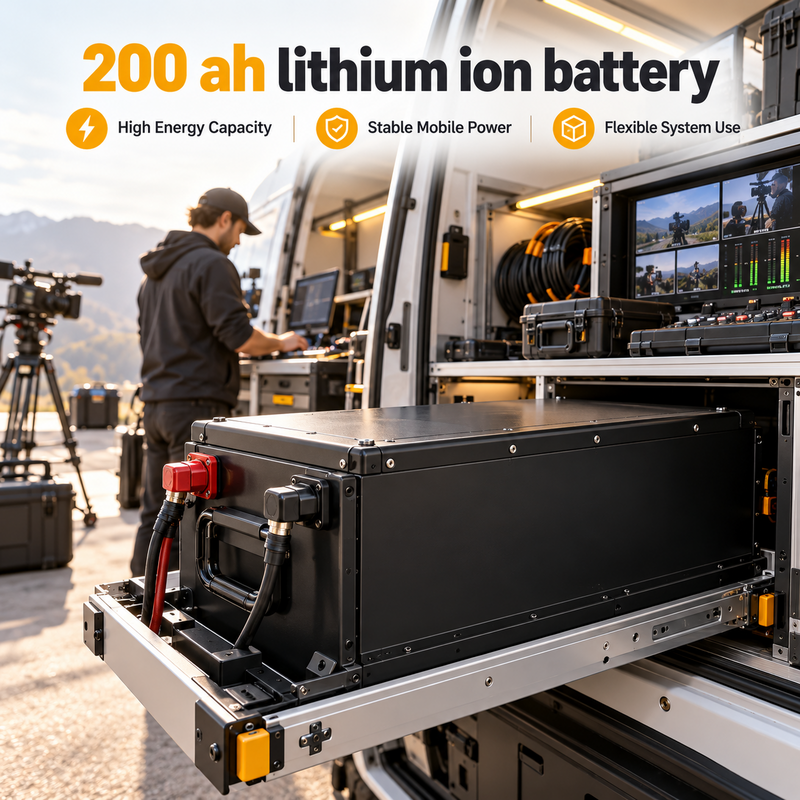
A 200 Ah lithium-ion battery is a powerful energy storage solution designed for various applications including renewable energy systems, electric vehicles, and industrial equipment. This article addresses key considerations for purchasing and utilizing these 200 Ah lithium ion batteries, focusing on specifications, wholesale purchasing tips, applications of 200 Ah lithium ion batteries, common problems with 200 Ah lithium ion batteries, and material advantages. By understanding these aspects, B2B buyers can make informed decisions that align with their specific needs.

Wholesale Purchasing Tips for 200 Ah Lithium Ion Batteries

Wholesale Purchasing Tips for 200 Ah Lithium Ion Batteries

When purchasing 200 Ah lithium-ion batteries in bulk, several factors should be considered to ensure a successful transaction. First, specification confirmation is key. Buyers should provide detailed requirements regarding voltage, dimensions, and intended applications to receive accurate quotes. 

Understanding the minimum order quantity (MOQ) is also essential. Manufacturers may have different MOQs which can impact purchasing decisions. Buyers should evaluate their needs against these MOQs to avoid excess inventory. 

Quality assurance is another critical factor. Engaging with suppliers that have certifications such as UN38.3 and CE is crucial as these ensure compliance with safety and performance standards. Requesting product samples before placing large orders can also help verify quality. 

Another effective strategy is to negotiate pricing based on order volume. Suppliers often offer discounts for larger orders, so discussing potential bulk pricing can lead to cost savings. 

Lastly, consider the lead time for production and delivery. Understanding the typical turnaround time for your chosen supplier can help in planning deployment schedules and managing expectations. 

Applications of 200 Ah Lithium Ion Batteries in Various Industries

200 Ah lithium-ion batteries are highly versatile and find applications across several industries. In the renewable energy sector, they are commonly used in solar energy storage systems, where they store excess energy generated during the day for use at night or during peak demand periods. 

In the marine industry, these batteries power electric propulsion systems and onboard appliances, providing a reliable power source without the weight and maintenance issues associated with traditional lead-acid batteries. 

For recreational vehicles (RVs),12v 200ah lithium battery offer the autonomy needed for off-grid living, powering lights, appliances, and heating systems efficiently. 

In the industrial sector, they are used in material handling equipment such as forklifts, where their high discharge rates and quick charging capabilities enhance productivity and reduce downtime. 

Finally, in the UPS (Uninterruptible Power Supply) applications, these batteries ensure continuous power during outages, safeguarding critical operations across various sectors. 

Common Problems with 200 Ah Lithium Ion Batteries and Solutions

Despite their advantages, 200 Ah lithium-ion batteries can face several common issues. One prevalent problem is capacity fade, which occurs over time due to repeated charge-discharge cycles. To mitigate this, users should avoid deep discharges and maintain the battery within optimal charge levels, ideally between 20% and 80% of capacity. 

Thermal management is another concern. Lithium-ion batteries can overheat during charging or discharging, leading to potential failure or fire hazards. Implementing a robust thermal management system, including temperature monitoring and cooling solutions, can help prevent overheating. 

Battery management system (BMS) failures can also pose risks. If the BMS fails to properly monitor voltage and temperature, it could lead to unsafe conditions. Regular maintenance checks and updates to the BMS software can ensure ongoing reliability. 

Lastly, physical damage to the battery can lead to significant issues. Buyers should inspect batteries during installation and operation to ensure there are no dents or punctures that could compromise safety.  

Understanding Material Advantages of 200 Ah Lithium Ion Batteries

The materials used in 200 Ah lithium-ion batteries significantly influence their performance and suitability for various applications. Primarily, lithium iron phosphate (LiFePO4) is favored for its stability and safety. It offers excellent thermal stability and a lower risk of thermal runaway compared to other lithium chemistries, making it ideal for high-demand applications like solar storage and UPS systems. 

Cobalt, often used in lithium-ion batteries, enhances energy density and stability but raises ethical sourcing concerns. Therefore, manufacturers are increasingly exploring alternatives like nickel-rich formulations to balance performance with sustainable practices. 

The packaging of these batteries is equally important. High-quality, durable packaging protects against moisture and physical damage during transportation and storage. Buyers should ensure that their supplier uses appropriate packaging materials to safeguard 12 volt 200ah battery price integrity. 

In addition, the manufacturing process impacts material quality. Advanced manufacturing techniques, such as automated assembly and rigorous quality control processes, help ensure that each battery meets high standards for performance and safety. 

Overall, understanding these material advantages can help buyers make informed decisions about the right type of battery for their specific applications, ensuring optimal performance and longevity. 

Key Specifications to Consider for 200 Ah Lithium Ion Batteries

When evaluating 200 Ah lithium-ion batteries, several specifications are critical. Firstly, energy density determines how much energy can be stored in a given volume, impacting the overall size and weight of the battery. A higher energy density means more power in a smaller footprint, crucial for applications where space is limited. 

Voltage is another essential specification. Most lithium-ion batteries operate at nominal voltages of 3.2V to 3.7V per cell, with configurations affecting the total output voltage. Buyers should ensure compatibility with their systems’ voltage requirements. 

Cycle life, which indicates how many charge-discharge cycles a battery can endure before its capacity significantly diminishes, is also vital. A 200 amp lithium ion battery should ideally offer a cycle life of 2000 cycles or more at full depth of discharge to ensure longevity and cost-effectiveness. 

Additionally, discharge rates should be evaluated. Depending on the application, the ability to discharge at higher rates can be crucial for devices requiring a quick power draw. Buyers should consider the battery’s Continuous Discharge Current (CDC) and Peak Discharge Current (PDC) to ensure it meets their operational demands. 

Lastly, safety features such as built-in Battery Management Systems (BMS) are important. A reliable BMS helps prevent overcharging, overheating, and short-circuiting, ensuring safe operation across various applications. 

Get a Free Quote

Our representative will contact you soon.
0/1000