Understanding Cost Factors of Home Inverters

5,000+ units ready stock, 1–5 days fast global delivery

application/cost-of-inverter-for-home, application/cost-of-inverter-for-home, 
Inquiry
Inquiry

Cost of inverter for home

When considering the cost of inverters for home use, buyers must navigate a complex landscape of technical specifications, quality considerations, and unique application requirements. The primary keyword, "cost of inverter for home," highlights the need for a nuanced understanding of what influences pricing. This article aims to guide purchasing managers, engineers, and other B2B professionals through the critical factors that impact inverter cost of inverter for home, home inverters, wholesale suppliers for home inverters, quality control standards for home inverters  costs, helping them make informed decisions when sourcing these essential components for residential energy systems. 

Where to Find Wholesale Suppliers for Home Inverters

Where to Find Wholesale Suppliers for Home Inverters

Finding reliable wholesale suppliers for home inverters can enhance purchasing efficiency and cost-effectiveness. One effective way is to explore online B2B marketplaces like Alibaba or ThomasNet, where manufacturers list their products and capabilities. These platforms often provide detailed specifications, customer reviews, and certification information, enabling buyers to make informed comparisons. 

Additionally, industry trade shows and exhibitions present excellent opportunities to connect directly with manufacturers. Events focused on renewable energy and home improvement often feature manufacturers showcasing their latest inverter technologies, allowing buyers to assess products firsthand and establish direct relationships. 

Local distributors can also be a valuable resource. They often provide not only products but also insights into local market trends, pricing strategies, and installation services. Establishing relationships with trusted distributors can facilitate smoother transactions and ensure better support post-purchase. 

Understanding the Cost Factors of Home Inverters for Bulk Orders

When placing bulk orders for home inverters, several cost factors come into play. Volume pricing is perhaps the most significant factor; manufacturers typically offer discounts for larger orders due to reduced production costs per unit. Buyers should inquire about minimum order quantities (MOQ) and pricing tiers to optimize their procurement strategy. 

Shipping costs can also impact the total expense. Orders shipped internationally may incur additional fees, customs duties, and longer lead times. Therefore, it's essential to discuss shipping options and associated costs with suppliers beforehand. 

Another cost consideration is customization. If a buyer requires specific features or specifications, such as modified voltage outputs or tailored packaging, this may increase the price. Engaging in clear communication with manufacturers about customization needs can help avoid unexpected costs while ensuring the final product meets the buyer's requirements. 

Quality Control Standards for Home Inverters from Manufacturers

Quality control is a critical aspect of sourcing inverters for home use. Buyers should ensure that their suppliers adhere to industry standards and certifications, such as ISO 9001 for quality management systems and CE or UN38.3 certifications for safety and performance. These certifications indicate that the manufacturer has implemented stringent quality assurance processes, which can lead to more reliable products. 

It's advisable to request documentation detailing the manufacturer's quality control processes. This may include information on component sourcing, testing methods, and inspection routines. Buyers should also consider the manufacturer's production capacity and the technology they employ in manufacturing to assess whether they can reliably meet demand while maintaining quality. 

Engaging in regular audits or inspections, especially for bulk orders, can further ensure that the products delivered meet the expected quality standards. For instance, testing a sample batch before approving mass production can help identify any potential issues before they escalate. 

Tips for Contractors

For contractors involved in the installation of home inverter systems, understanding the product features and specifications is essential. First, confirm compatibility with other system components, such as the energy storage system and solar panels. The solar cell micro inverter must be capable of handling the system's total power requirements to ensure optimal performance. 

Secondly, contractors should educate themselves about installation best practices. Incorrect installation can lead to operational inefficiencies or even system failures. Familiarity with the inverter's user manual and installation guidelines is crucial for a successful setup. 

Finally, contractors should maintain open lines of communication with their suppliers. This relationship can provide valuable insights into product performance and allow contractors to address any issues quickly. Regular updates on new product features and innovations can also help contractors stay competitive in an evolving market. 

Through careful consideration of these factors, B2B buyers can better navigate the complexities surrounding the cost of inverters for home use and make informed purchasing decisions that align with their operational needs.   

What to Consider When Evaluating Inverter Costs for Home Use

When evaluating the cost of inverters for home use, several key factors must be taken into account. First, the inverter type—whether it is a pure sine wave, modified sine wave, or grid-tie inverter—will significantly affect pricing. Pure sine wave inverters, which produce a smooth and consistent power output, tend to be more expensive due to their advanced technology and ability to handle sensitive electronics without distortion. 

Next, consider the power rating of the microinverters for solar panels measured in watts. Higher wattage units capable of supporting more substantial loads will naturally incur higher costs.  Additionally, efficiency ratings are crucial; inverters with higher efficiencies (above 90%) may have a higher upfront cost but can lead to long-term savings on energy bills. 

Buyers should also evaluate the warranty and support provided by the manufacturer. A robust warranty can indicate a manufacturer's confidence in their product and reduce the total cost of ownership by covering potential repairs or replacements. Lastly, installation costs should be factored in, as they can vary depending on the complexity of the system and the expertise required. 

Frequently Asked Questions

How much does a home inverter typically cost?

Home inverter prices vary by capacity and features. Small units start around $200–$500, mid-range 1–3 kW models $500–$1,200, and high-capacity or hybrid systems can exceed $1,200 depending on specs and installation.
Often not. Quoted inverter prices usually exclude installation, wiring, and permits. Installation costs depend on complexity, site work, and electrician rates; request a detailed quote for total cost.
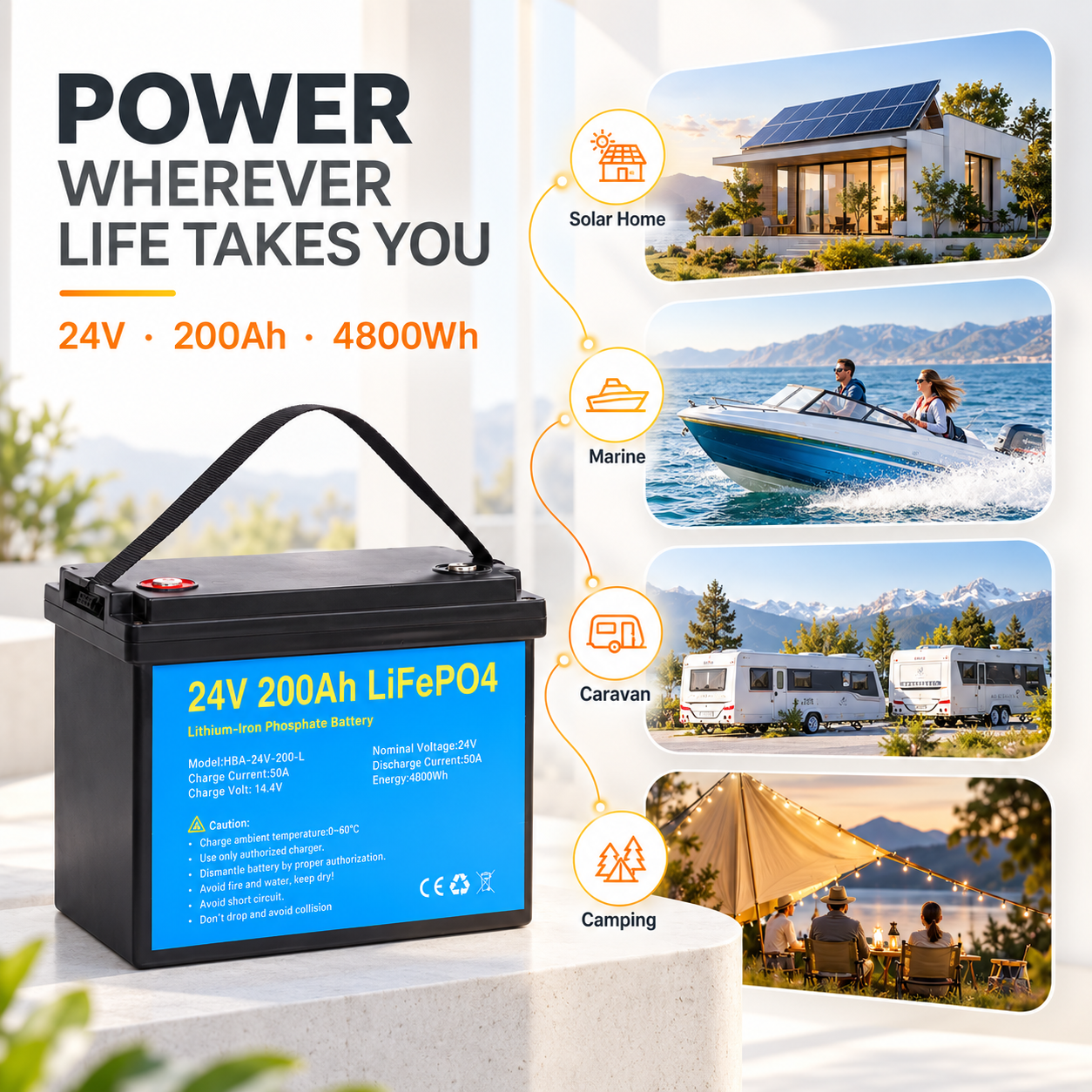
Using LiFePO4 batteries can increase upfront system cost but reduces long-term expenses due to longer life and safety. Inverters compatible with LiFePO4 may cost more for advanced battery management integration.
Yes, hybrid inverters that manage solar, grid, and battery storage are generally pricier than basic inverters due to added functionality, Smart BMS integration, and higher power handling.
Yes. Provide home power needs, peak load, desired backup duration, and existing PV setup. We’ll recommend suitable LiFePO4-compatible inverters and provide a tailored price and installation estimate.

Get a Free Quote

Our representative will contact you soon.
0/1000