Wholesale Deep Cycle Batteries for B2B Buyers

5,000+ units ready stock, 1–5 days fast global delivery

application/deep-cycle-batteries-for-sale, application/deep-cycle-batteries-for-sale, 
Inquiry
Inquiry

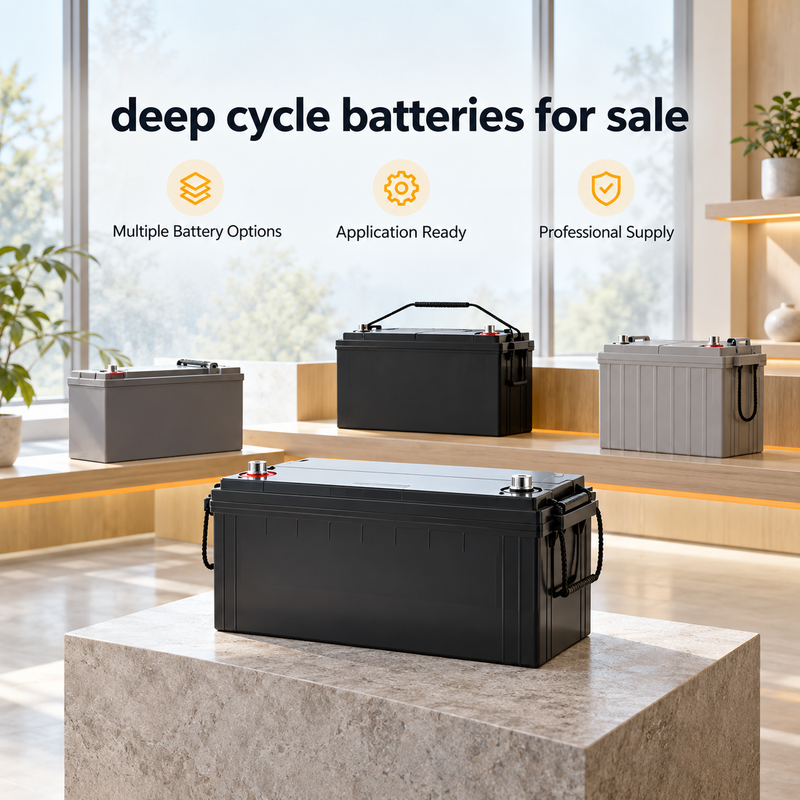
deep cycle batteries for sale

When considering  deep cycle batteries  for sale, B2B buyers  face critical decisions that  influence both performance and cost.  These  batteries are essential  for various  applications, including  solar energy storage, RVs, UPS  systems, and marine uses. Given  the diversity in specifications,  materials, and  applications, this article will guide you  through essential factors to  consider  when sourcing deep  cycle  batteries, ensuring informed purchasing decisions for  your  business needs.

Understanding Deep Cycle Battery Specifications for B2B Buyers

Understanding Deep Cycle Battery Specifications for B2B Buyers

Deep cycle battery specifications are vital for ensuring compatibility and performance in your  specific applications. Here are  some  key specifications to consider:

Capacity: Measured in amp-hours (Ah), capacity indicates how much energy the battery can store. A higher capacity is crucial for applications needing extended power supply.

Voltage: Common voltages for deep cycle batteries include 12V,  24V, and  48V.  Ensure that  the voltage matches  your system requirements to avoid performance issues.

Cycle  Life: This refers to the  number of charge and discharge cycles a battery can undergo before its capacity significantly  diminishes.  LiFePO4 batteries typically  offer longer cycle lives compared to lead-acid variants, making them more  cost-effective in the long run.

Depth of Discharge (DoD): This indicates how much of the battery's capacity can be used without damaging it. A  higher DoD allows for  more usable  energy.

Understanding these specifications not  only aids in selecting the right battery but also helps in negotiating with suppliers  by ensuring you can  discuss your requirements knowledgeably.

Key Factors for Buyers

When purchasing deep cycle  batteries, buyers should consider  several  key factors:

Quality Assurance: Ensure the  manufacturer  has robust quality control processes in  place. This  includes testing methods to verify battery performance and safety standards.

Customization Capabilities: Depending on your application, you may need specific configurations or features.  Discuss customization options with the manufacturer early  in  the process.

Technical  Support: Consider the level of technical support offered by the supplier. Having access to knowledgeable support can help resolve issues that may arise during installation or operation.

Warranty: A solid warranty can  indicate the manufacturer’s confidence in their product. Look for  warranties that cover  defects and performance over a  reasonable period.

Pricing Structure:  Understand  how pricing is structured based  on volume, specifications, and any additional features.  This will help you budget more effectively and  avoid unexpected costs.

Benefits of LiFePO4 Deep Cycle Batteries for Industrial Applications

LiFePO4  deep cycle batteries offer  several advantages that make  them particularly suitable for industrial applications:

Longer Lifespan: These batteries  typically have a cycle life of 2000-5000 cycles,  significantly outlasting  traditional  lead-acid batteries, which usually last around 500-800 cycles.

Enhanced Safety: LiFePO4 batteries are known  for  their thermal  stability, reducing the risk of overheating  and  fires. This is critical for applications in confined spaces or where safety is paramount, such as in marine or  warehouse settings.


Higher Efficiency: These batteries maintain a higher energy efficiency, with less energy lost during charging and discharging cycles. This  translates to lower operating  costs over time, particularly in systems with frequent cycling.

Lightweight and Compact: LiFePO4 batteries  are typically lighter and  more compact than lead-acid batteries, making them easier to install and transport. The Compact All-in-One Energy Storage System is an excellent solution for space-constrained applications.

These benefits  make LiFePO4 batteries an appealing  choice for businesses looking to enhance operational efficiency and safety.

Effective Strategies for Bulk Ordering Deep Cycle Batteries

When planning to order deep cycle batteries  in bulk, consider implementing the following strategies:

Establish Clear Specifications: Before contacting suppliers, define your exact requirements, including quantity, specifications, and any customization needs. This clarity aids suppliers in providing accurate quotes and timelines.

Request Samples: Before committing to  a bulk order, request samples to evaluate the product's performance in your specific application. Testing samples  under actual operating conditions can uncover potential issues.

Negotiate Terms: Bulk orders  often come with the opportunity for better pricing. Don’t  hesitate to negotiate terms, including price per unit,  delivery schedules,  and payment terms.

Plan Logistics: Consider the logistics involved in  receiving a bulk order. Discuss packaging and  shipping options with your supplier to ensure the batteries  arrive safely and on time.

Monitor Inventory Levels: Develop a system to  monitor inventory  levels  post-purchase. This helps manage future orders efficiently and ensures you maintain adequate stock  to  meet demand.

By taking these steps, you can streamline the purchasing process and enhance the overall efficiency of your supply chain.

In summary,  understanding the nuances of deep cycle batteries, particularly  LiFePO4 options, is crucial for B2B  buyers. By focusing on specifications,  quality assurance, and effective purchasing strategies,  businesses can make informed decisions that align with their operational needs and objectives.

How to Choose the Right Deep Cycle Batteries for Wholesale Purchase

Selecting  deep cycle batteries for wholesale  purchase involves understanding your specific application requirements and the product's capabilities. Start by  identifying the intended use—whether for solar energy storage, RV usage, or marine applications—as this will help narrow  down  options.  Consider the chemistry of the batteries; Lithium Iron Phosphate  (LiFePO4) batteries, for instance, offer advantages in terms of lifespan, safety, and efficiency compared  to traditional lead-acid batteries. For example, a High Performance 50Ah LiFePO4 Lithium Ion Battery Pack is a great choice for those looking to enhance their solar energy storage capabilities.

Next, evaluate the  specifications that are critical for your application. Key specifications include capacity (measured in  amp-hours), voltage, and  dimensions. Ensure the  batteries meet your  energy needs  and  space constraints. It's also beneficial  to inquire about certifications, such as UN38.3 and CE, which indicate compliance with international safety and quality standards.

Finally,  assess  the manufacturer’s ability to meet your volume requirements, delivery timelines, and customization options. Discuss minimum order quantities (MOQ) and  lead times to ensure they align  with your project schedules.

Get a Free Quote

Our representative will contact you soon.
0/1000