Evaluating Solar Electric Storage Batteries: A Guide

5,000+ units ready stock, 1–5 days fast global delivery

application/solar-electric-storage-batteries, application/solar-electric-storage-batteries, 
Inquiry
Inquiry

solar electric storage batteries

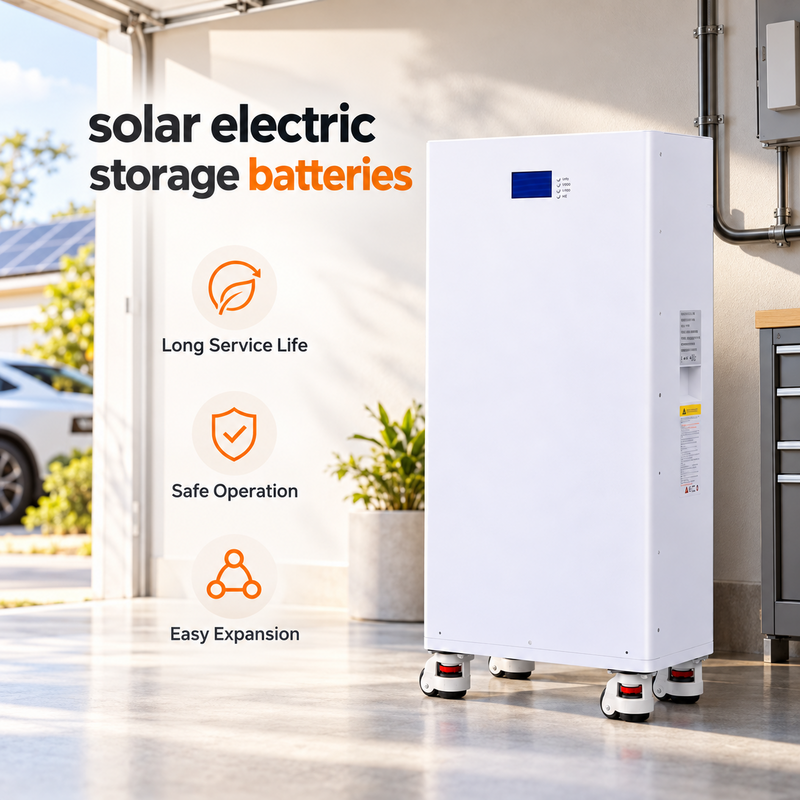
Solar electric  storage  batteries  play a crucial  role in modern energy solutions, particularly for  applications in solar energy systems, RVs,  UPS, and  marine environments. As companies and individuals transition towards renewable energy,  the  need for reliable and  efficient energy storage becomes paramount.  This article addresses the main concerns B2B  buyers face when evaluating solar  electric storage batteries,  including quality, specifications, supplier reliability,  and  application suitability. By the end, readers will gain practical insights  that can guide them  in making  informed purchasing decisions.

 
Where to Find Reliable Suppliers of Solar Storage Batteries

Where to Find Reliable Suppliers of Solar Storage Batteries

Finding trustworthy suppliers of solar electric storage batteries  requires diligent research. Start by identifying  manufacturers with a solid reputation and a proven  track  record in the industry. Online platforms such  as industry-specific directories, trade  shows, and B2B marketplaces can be  valuable resources for finding potential suppliers.

Engage with suppliers directly to discuss their production capabilities, certifications, and experience in exporting  products  to your region. It's  also  beneficial  to request references or case studies from previous clients to  gauge the supplier's reliability  and customer service  track record.

Consider suppliers who offer customization options,  as this can be crucial  for  meeting specific project requirements. A manufacturer like Shenzhen Yanshuosheng Technology Co.,  Ltd., specializing in LiFePO4  energy storage systems, can provide tailored solutions for various applications, enhancing your overall purchasing experience. Additionally, exploring options for All-in-One Energy Storage System 5.5KW / 7.5KW Hybrid Cabinet for Large Homes may further enhance your choices.

Comparing Specifications of LiFePO4 Solar Storage Batteries

When comparing specifications of LiFePO4 solar storage batteries, focus on several critical parameters:

Voltage:  Common  nominal voltages include 12V, 24V, and 48V. The  appropriate voltage  will depend on  your system's requirements.

Capacity: Measured in amp-hours (Ah),  capacity indicates  how long a battery can  deliver a specific current. Higher capacity batteries are suitable for applications requiring prolonged energy supply.

Cycle Life:  As mentioned earlier, this refers to the number of complete  charge-discharge cycles a battery can  undergo. LiFePO4 batteries  typically offer 2000-5000 cycles, significantly enhancing their lifespan.

Charge and  Discharge Rates: These rates affect how quickly the battery can be charged or how quickly it can deliver  energy. Ensure that these rates align with your system's needs to optimize performance.

Temperature Range: Check the operational temperature range of the batteries. LiFePO4 batteries are generally stable across a wide  temperature range, but  performance  can vary outside optimal conditions.

By analyzing these specifications, buyers  can ensure they select batteries that not only  meet their immediate needs but also  provide long-term reliability and efficiency.

Applications of Solar Electric Storage Batteries in Various Industries

Solar electric  storage batteries find applications across  numerous industries,  providing versatile solutions  for  energy management. In the renewable energy sector, they are essential for solar power systems, allowing excess energy  to be stored for later use and enhancing  grid independence.

In the RV and marine  industries,  these batteries provide  reliable power for various  appliances, ensuring a continuous  energy supply during off-grid  adventures. Their  lightweight nature and high energy density make them ideal for mobile applications.

Additionally,  in commercial settings, these batteries support UPS  systems, providing backup power during outages and ensuring operational continuity. Their capability to handle deep cycles makes them suitable for industries such as telecommunications and data  centers.

Understanding these applications enables buyers to  choose batteries  that align with their specific  operational requirements, maximizing the benefits of solar energy systems.

Wholesale Purchasing Tips for Solar Electric Storage Batteries

When purchasing solar electric storage batteries wholesale, several key considerations can help optimize your procurement process. Start  by determining your exact requirements, including the type of  batteries  needed, desired specifications, and order volume. This clarity  will allow suppliers to  provide accurate quotes and  timelines.

Negotiate pricing based on volume, as  larger orders often  lead to discounts. However, be cautious  of compromising quality for cost savings; always prioritize manufacturers  with solid reputations and quality certifications.

Request samples before committing to large orders. Testing samples under actual operating conditions can reveal potential issues that may  arise during  regular  use. Pay  attention to factors such  as weight, dimensions, and  performance metrics during  this phase.

Finally, establish clear communication with your supplier  regarding lead times, shipping methods, and payment terms. Building a strong relationship with your supplier can facilitate smoother transactions and better support in case of any future concerns.

By following these tips, buyers can navigate the wholesale purchasing process for solar electric storage batteries more effectively,  ensuring they secure high-quality products  that meet their needs.

How to Evaluate the Quality of Solar Electric Storage Batteries

When assessing the quality  of solar electric storage batteries, several key factors should be considered.  First, look for certifications such as UN38.3 and CE, which ensure compliance with safety  and  performance standards. These certifications indicate that the batteries have undergone  rigorous  testing and meet international safety requirements.

Next, evaluate the battery's composition, particularly if it's based  on LiFePO4 technology. This type of lithium  battery is known for its  thermal stability and  longevity. Check the cycle life, which refers to the number  of charge and discharge cycles the battery  can undergo before its capacity significantly diminishes. A higher  cycle life often translates to lower long-term costs. For those looking for options, products like High Performance 50Ah LiFePO4 Lithium Ion Battery Pack Deep Cycle 12V High Efficiency Lithium Iron may be worth considering.

Finally, consider  the manufacturer’s quality control processes.  Reliable manufacturers implement stringent quality  control measures throughout production, from  raw material selection to  final assembly. Buyers should inquire about these processes and any warranties or guarantees  offered with the batteries.


Get a Free Quote

Our representative will contact you soon.
0/1000