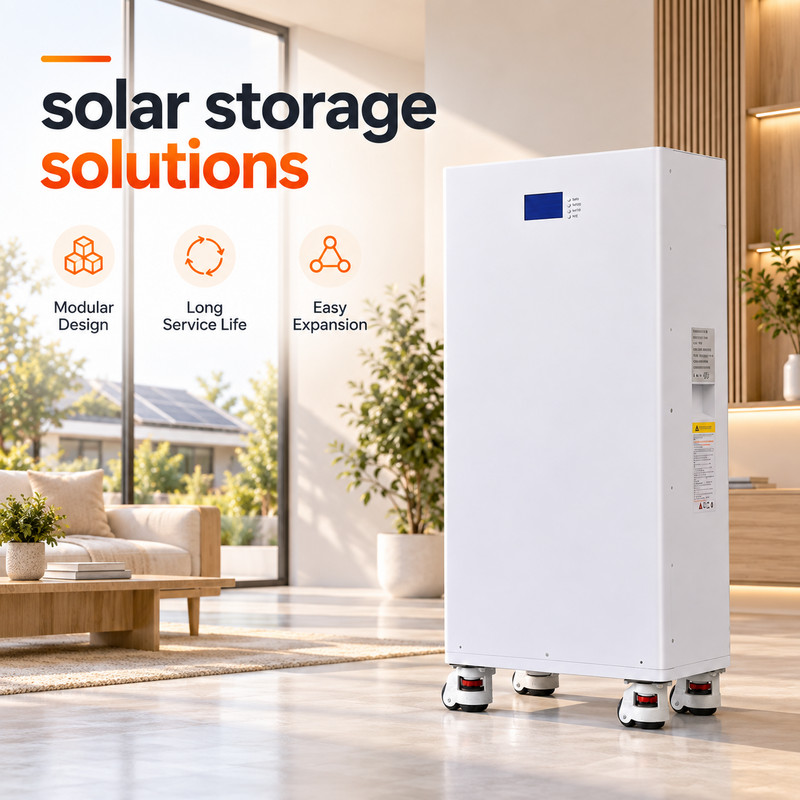
Key Specifications of LiFePO4 Solar Storage Systems Explained
Understanding the key specifications of LiFePO4 solar storage systems is crucial for making informed purchasing decisions. Important specifications include:
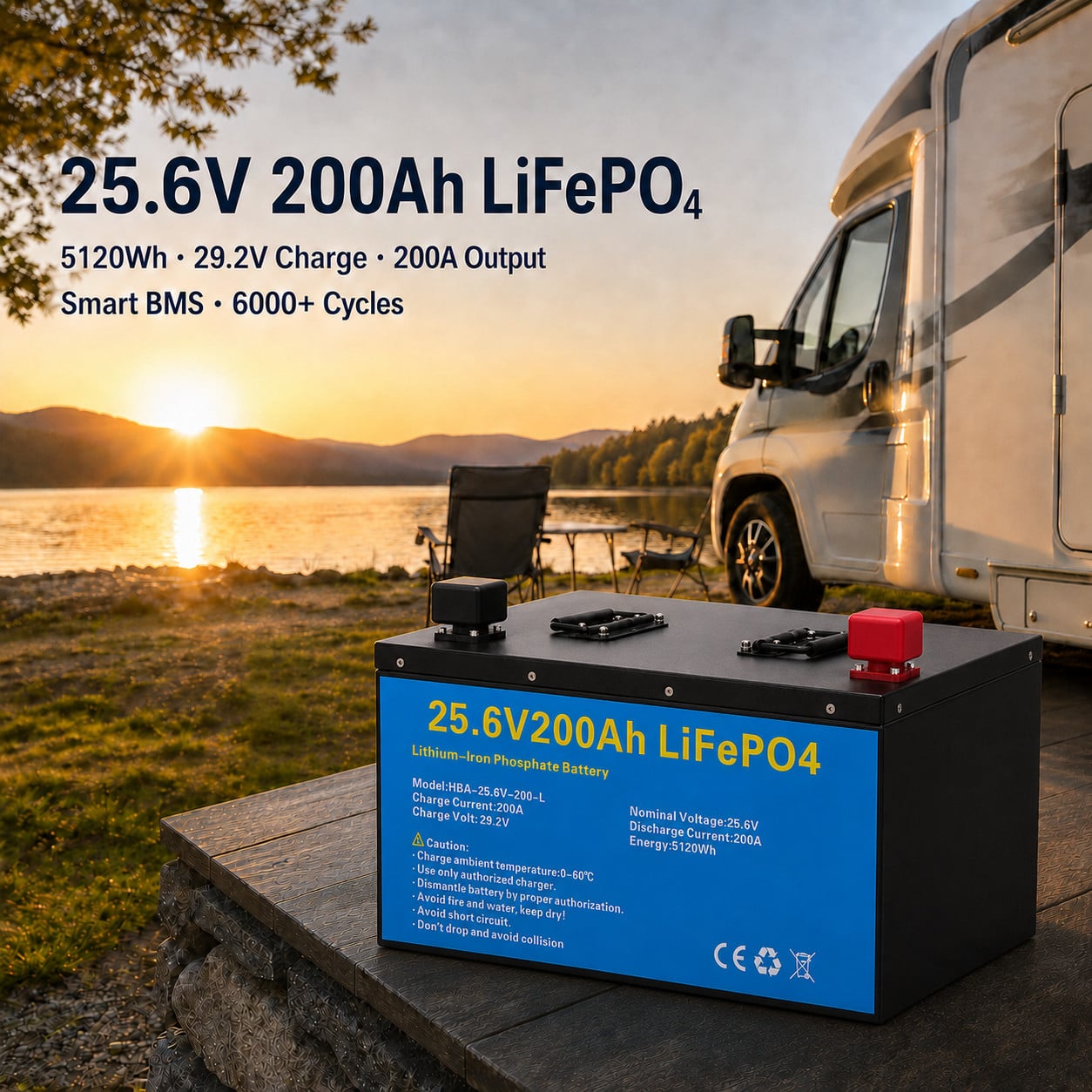
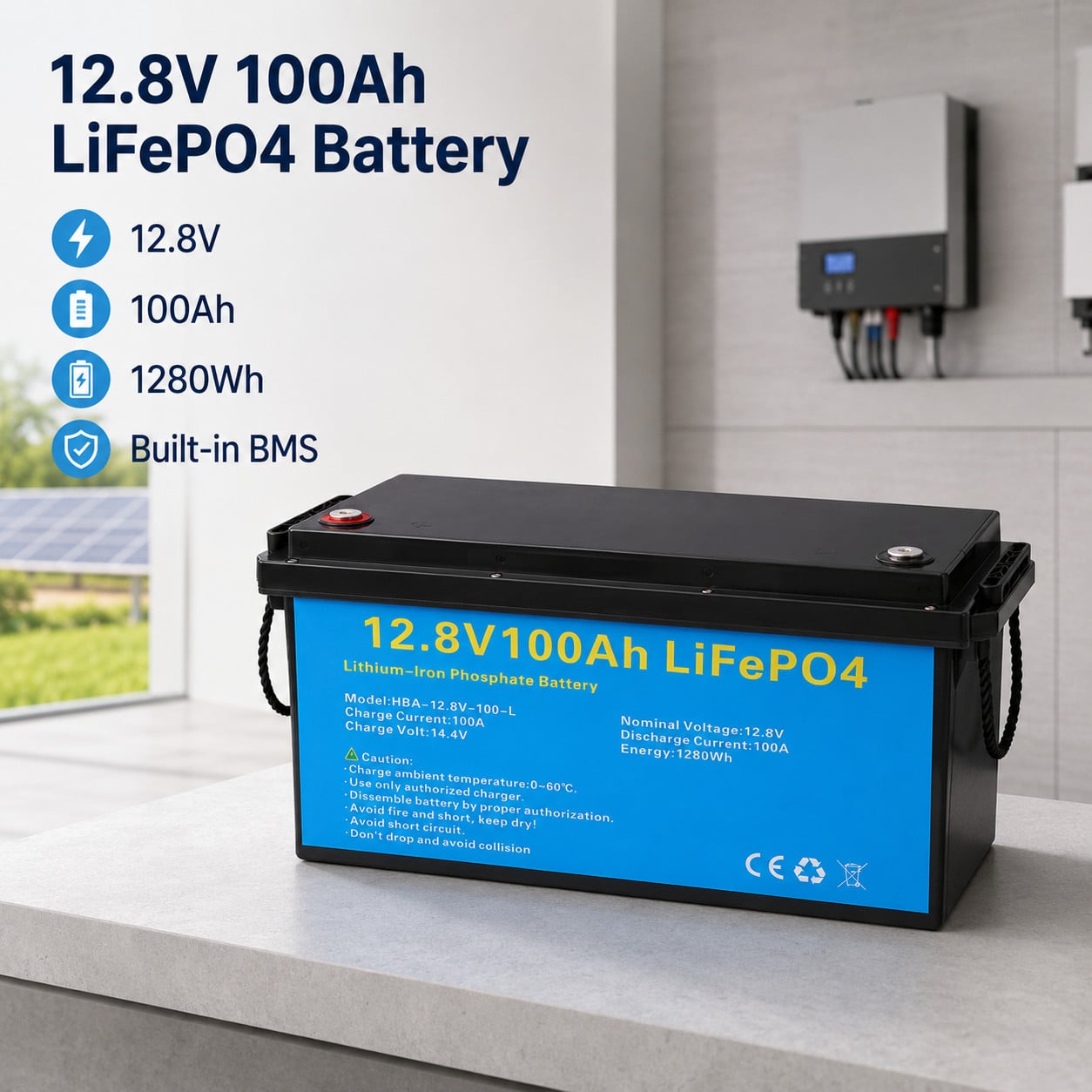
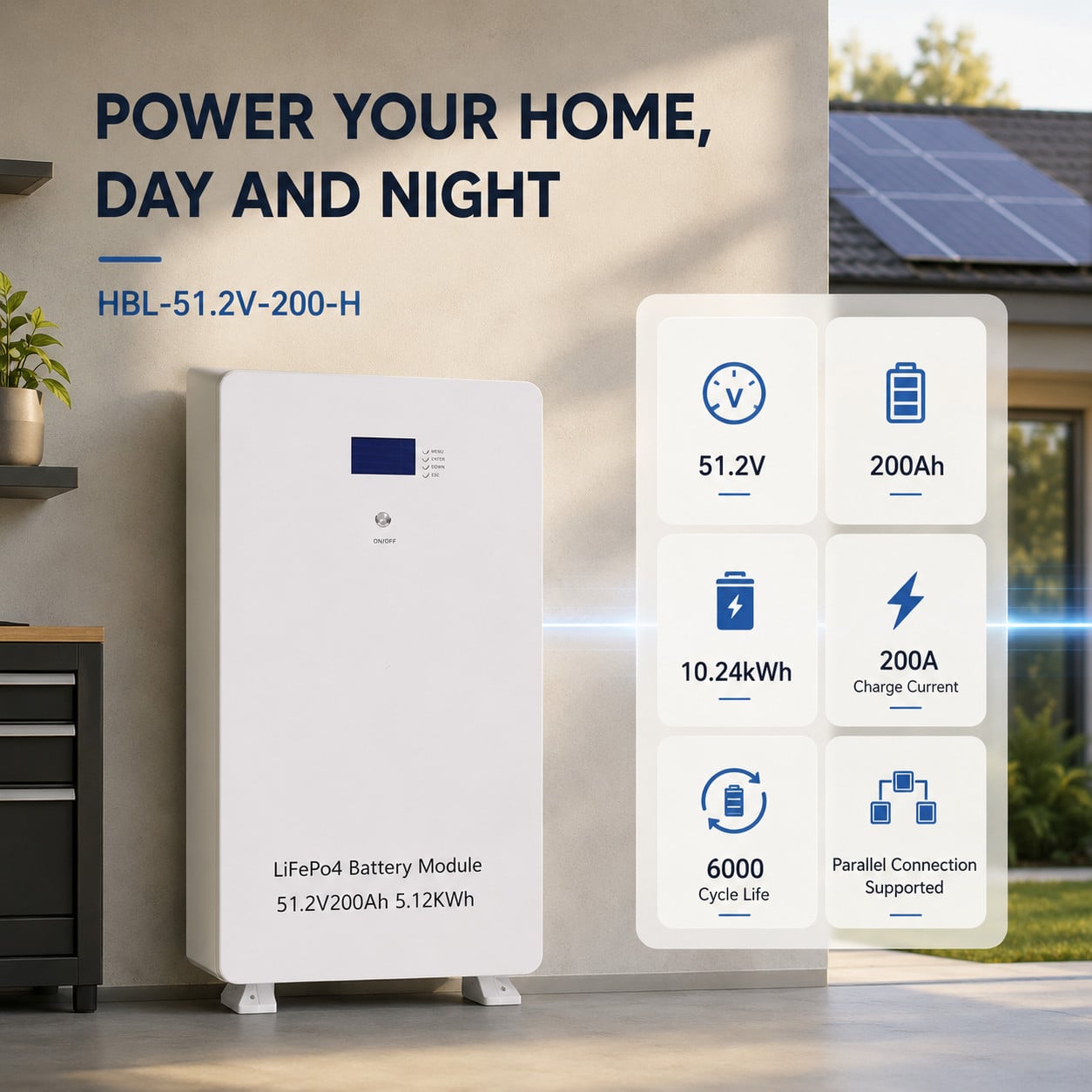
Capacity (Ah): This indicates the amount of energy the battery can store. For example, a 100Ah battery can deliver 100 amps for one hour. Selecting the right capacity is vital to ensure that the system meets your energy needs without underperformance.
Voltage (V): Commonly available in 12V, 24V, or 48V configurations, the voltage must match your system’s requirements. Incompatible voltage can lead to inefficiencies or even damage to equipment.
Cycle Life: This refers to the number of charge/discharge cycles a battery can undergo before its capacity significantly diminishes. LiFePO4 batteries typically offer 2000 to 5000 cycles, making them a more durable option compared to traditional batteries.
Discharge Rate: The maximum rate at which the battery can safely discharge energy. For applications demanding high power output, ensure the discharge rate aligns with your requirements to prevent performance issues.
Temperature Range: Operating temperature can affect battery performance. Ensure the chosen solution can operate efficiently within the temperature range expected in your application environment.
By understanding these specifications, buyers can better evaluate which solar storage solutions align with their operational needs.
 EN