Cost Factors and Installation of Energy Storage Systems

5,000+ units ready stock, 1–5 days fast global delivery

application/storing-electricity-from-solar-panels, application/storing-electricity-from-solar-panels, 
Inquiry
application/storing-electricity-from-solar-panels, application/storing-electricity-from-solar-panels, 
Inquiry

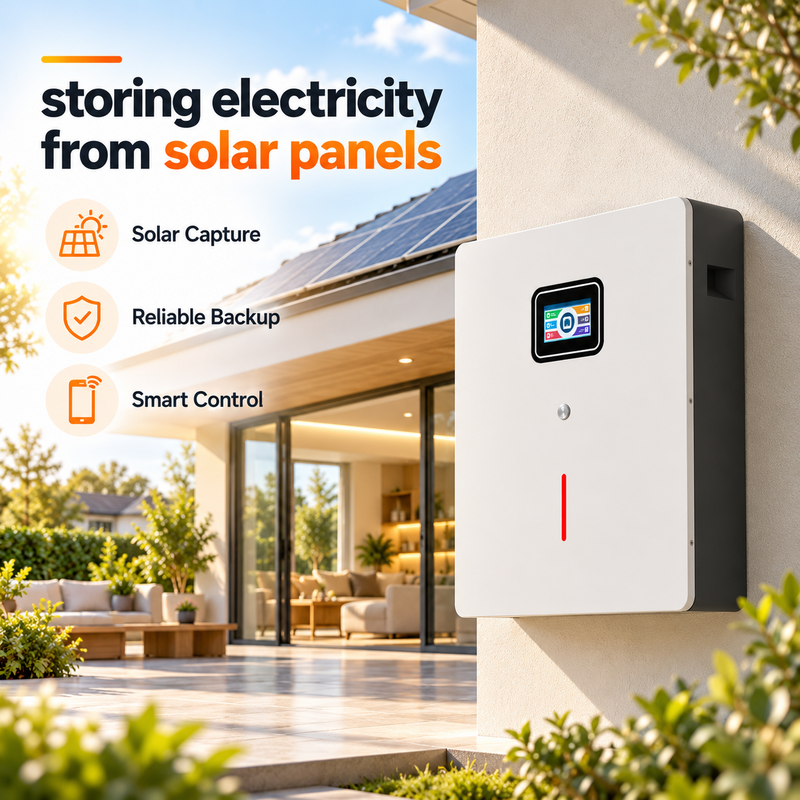
Storing electricity from solar panels

Storing electricity from solar panels is a crucial aspect of maximizing the efficiency and cost-effectiveness of renewable energy solutions. For businesses and organizations investing in solar energy, understanding how to effectively store this energy is essential. Key buyer concerns include system compatibility, cost factors, and installation requirements. This article will provide insights into the considerations for purchasing solar panels and battery storage, addressing common problems, and comparing battery options tailored for various applications.

Installation Guidance for Efficient Solar Energy Storage Systems

Installation Guidance for Efficient Solar Energy Storage Systems

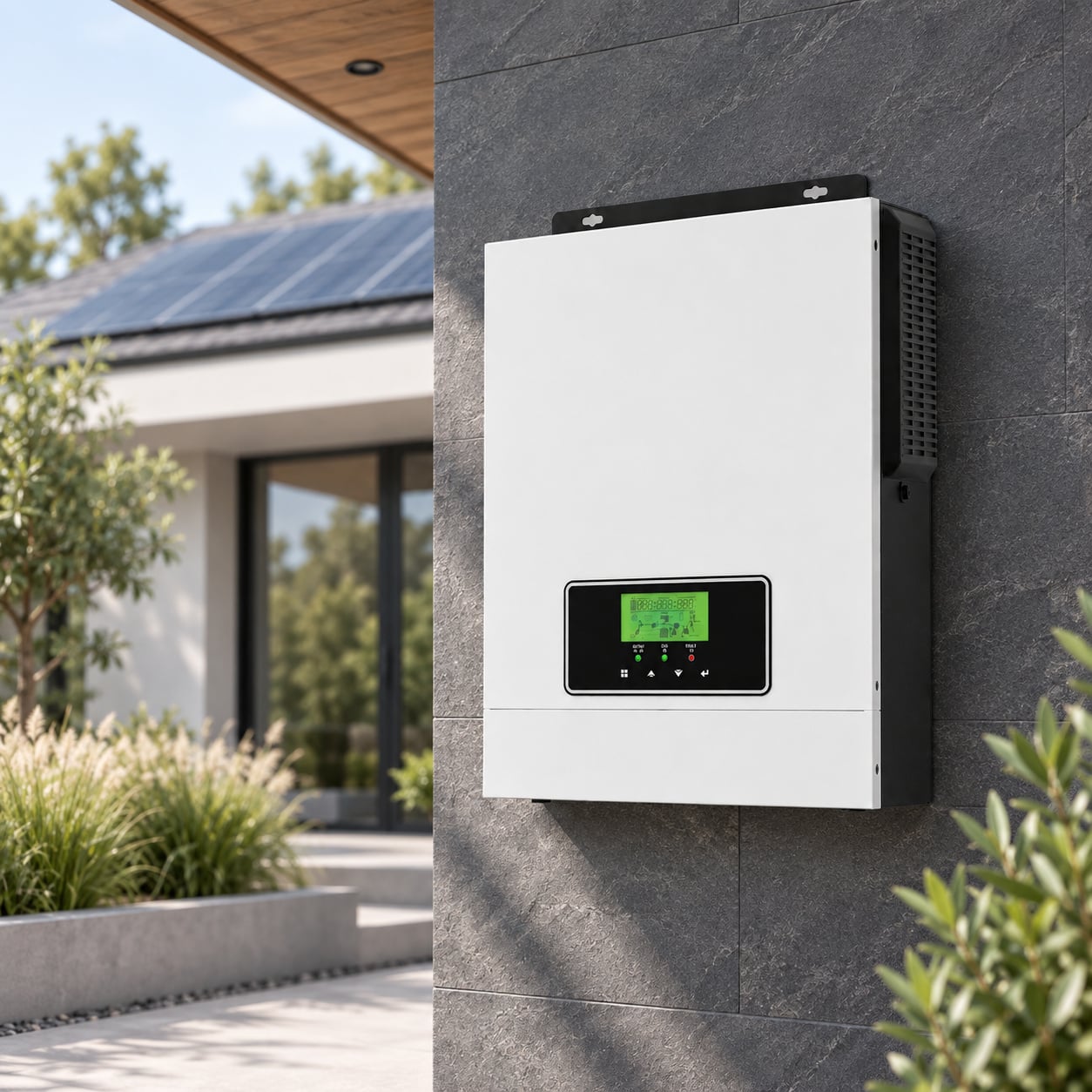
Efficient installation of solar energy storage systems is critical to maximizing performance. Start by ensuring compatibility between the solar panels, storage system, and existing electrical infrastructure. This often involves consulting with a qualified installer who can assess the specific requirements of your facility. 

During installation, attention should be given to the layout of the batteries and their proximity to the storage for solar panels. Proper ventilation and temperature control are vital, as LiFePO4 batteries operate best within specific temperature ranges. It’s also important to follow local regulations and obtain necessary permits. 

Post-installation, regular monitoring and maintenance are essential to ensure optimal performance. This includes checking connections, inspecting battery health, and updating software as needed. By prioritizing these factors during installation, businesses can ensure their energy storage systems operate efficiently and effectively.

Common Problems in Energy Storage and Effective Solutions

Energy storage systems can encounter several common issues that may affect performance. One such problem is battery degradation over time, which can reduce storage capacity. To combat this, selecting high-quality batteries, such as those from Shenzhen Yanshuosheng Technology, which boast robust BMS and safety certifications, can provide enhanced longevity and reliability. 

Another issue is incorrect sizing of the energy storage system. If the storage capacity is too small, it may not meet energy demands during peak usage periods. Conversely, oversized systems can lead to unnecessary costs. Conducting a detailed energy audit and consulting with experts can help ensure the right sizing of the energy storage systems. 

Furthermore, improper installation can lead to inefficiencies. Regular maintenance checks and monitoring systems can help identify and rectify issues before they escalate. By addressing these common problems proactively, businesses can maintain optimal performance and maximize their return on investment.

Comparing LiFePO4 Battery Options for Your Solar Projects

When selecting LiFePO4 batteries for solar applications, it's important to compare various options based on specifications and performance. Key factors to consider include capacity, cycle life, discharge rates, and safety features.

Capacity, measured in amp-hours (Ah), indicates how much energy the battery can store. This should align with your energy needs and usage patterns. Cycle life, or the number of charge-discharge cycles the battery can endure before its capacity significantly declines, directly impacts the long-term value of your investment. Higher cycle life means lower replacement frequency and costs. 

Discharge rates are crucial for applications with high peak loads, as they determine how quickly the battery can deliver energy. Additionally, safety features such as thermal management systems and built-in protection against overcharging should be prioritized to ensure reliable operation. 

Lastly, consider the manufacturer's reputation and service support. A supplier like Shenzhen Yanshuosheng Technology, with extensive export experience and a focus on quality control, can provide valuable insights and assistance in selecting the right battery for your solar projects.

What to Know Before Bulk Ordering Energy Storage Solutions

Before placing a bulk order for microinverters for solar panels, several critical factors should be reviewed to ensure an effective purchase. First, confirm the specific requirements of your project, including capacity, discharge rates, and any customization needs. Detailed specifications help prevent costly mistakes and ensure the products meet your operational goals. 

Next, inquire about the minimum order quantity (MOQ) and lead times. Understanding these factors will help with project planning and inventory management. Additionally, verify the manufacturer's production capacity and their ability to fulfill your order within the required timeframe. 

It's also advisable to request samples for testing before committing to a bulk order. This allows for evaluation of performance under actual operating conditions, ensuring that the products will meet expectations. Finally, review the warranty and service agreements, as these can provide additional assurance in the reliability of your investment. By taking these steps, buyers can confidently proceed with bulk orders, aligning their energy storage solutions with their specific needs.

Cost Factors to Consider When Purchasing Energy Storage Systems

When evaluating energy storage systems, several cost factors come into play. First, the upfront cost of the energy storage systems, including the price of the batteries, inverter, and other components, is crucial. Lithium Iron Phosphate (LiFePO4) batteries, such as those offered by Shenzhen Yanshuosheng Technology Co., Ltd., are known for their longevity and safety, which can mitigate replacement costs over time. 

Second, consider the cost of installation, which may vary based on site-specific factors, such as the complexity of the installation and local labor rates. Additionally, ongoing operational costs, including maintenance and potential energy management software, should not be overlooked. It's also important to assess any available incentives or rebates for renewable energy storage systems, as these can significantly impact the overall financial feasibility of the investment. 

Finally, buyers should evaluate the total cost of ownership (TCO), which includes energy savings and potential revenue generation from selling excess power back to the grid. Engaging with a knowledgeable supplier can provide clarity on the long-term benefits versus initial costs.

Get a Free Quote

Our representative will contact you soon.
0/1000