Understanding Solar Panels with Battery Storage Cost

5,000+ units ready stock, 1–5 days fast global delivery

application/solar-panels-with-battery-storage-cost, application/solar-panels-with-battery-storage-cost, 
Inquiry
application/solar-panels-with-battery-storage-cost, application/solar-panels-with-battery-storage-cost, 
Inquiry

Solar panels with battery storage cost

The integration of solar panels with battery storage systems is becoming increasingly vital for businesses looking to enhance energy efficiency and sustainability. As a B2B buyer, understanding the solar panels with battery storage cost is crucial for making informed purchasing decisions. Key concerns include determining the right specifications, evaluating supplier reliability, and understanding the financial implications of these systems. This article aims to guide you through selecting the appropriate systems, assessing their quality, and navigating the supplier landscape effectively.

Essential Specifications for Quality Solar Panels and Battery Systems

Essential Specifications for Quality Solar Panels and Battery Systems

Quality specifications that buyers should assess include: 

Material Composition: Solar panels are typically made from monocrystalline, polycrystalline, or thin-film materials. Each has its advantages—monocrystalline panels offer higher efficiency and space savings, while polycrystalline panels are generally more cost-effective. 

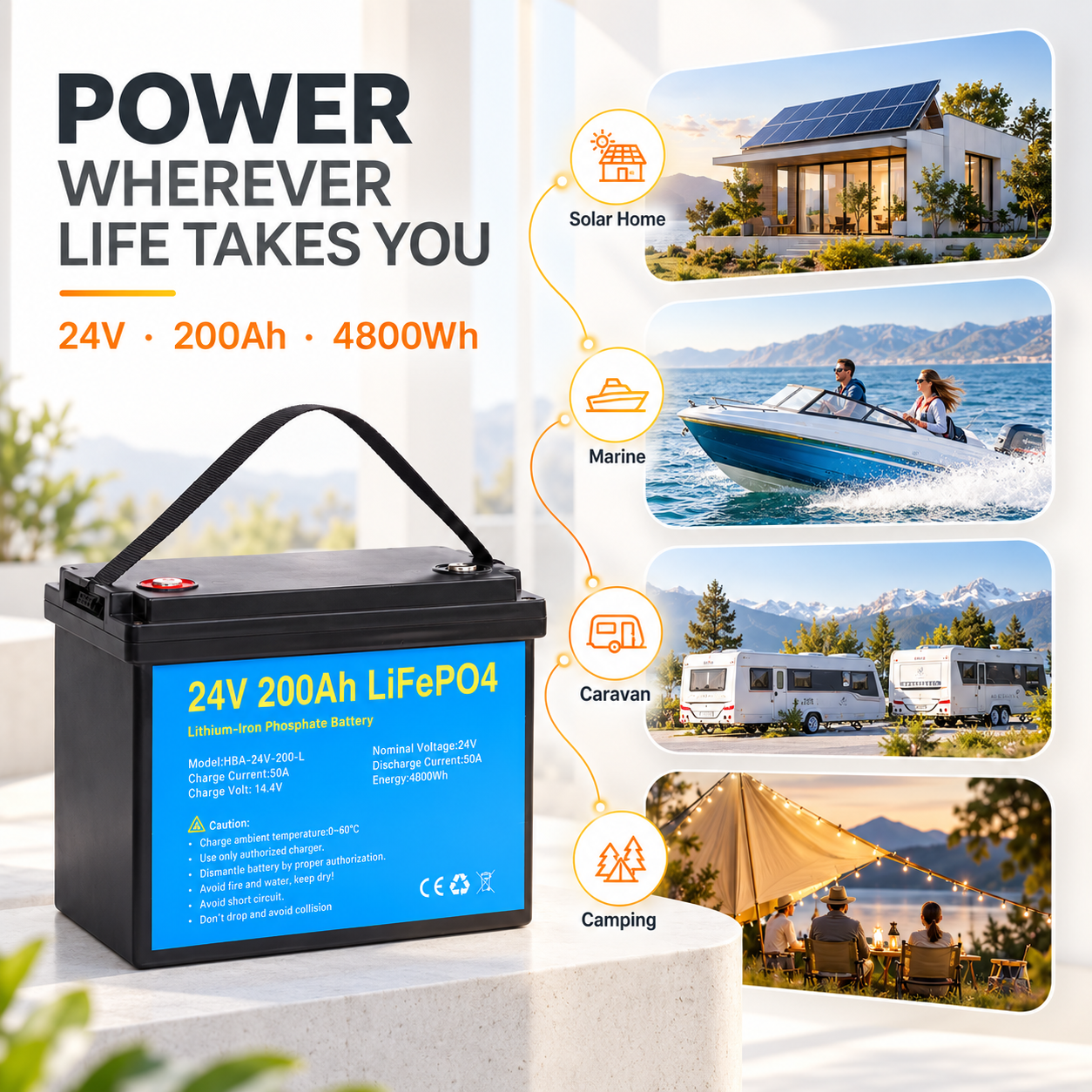
Battery Chemistry: Lithium Iron Phosphate (LiFePO4) is a popular choice due to its safety, longevity, and thermal stability.  Ensure the batteries have appropriate cycle life ratings, typically 2000-5000 cycles, depending on the application. 

Power Output Rating: This is measured in watts and indicates how much power the system can produce. Assess this in relation to your energy needs. 

Temperature Tolerance: Both solar panels and battery systems should perform optimally in extreme temperatures. Check the operational temperature range to ensure durability and performance. 

Warranty: A solid warranty (typically 10-25 years for solar panels and micro inverters and 5-15 years for batteries) can provide reassurance about the longevity and performance of the systems. 

Understanding these specifications will help you make a more informed choice that aligns with your operational requirements.

Where to Source Reliable Suppliers for Solar Battery Storage Solutions

Finding trustworthy suppliers for solar battery storage solutions involves thorough research and evaluation. Start by looking for manufacturers with a proven track record in the industry. Check their export experience and the markets they serve—companies like Shenzhen Yanshuosheng Technology Co., Ltd., which specializes in LiFePO4 energy storage systems, offer products that are already certified and widely used in various applications. 

Networking at industry trade shows and exhibitions can provide firsthand insights into potential suppliers. Additionally, online platforms like LinkedIn and industry-specific forums can help you connect with others who have experience with specific suppliers. 

When evaluating suppliers, consider their production capabilities, quality control processes, and customization options. Requesting sample products can also help assess their manufacturing quality. Lastly, ask for references or case studies to better understand their reliability and customer service.

Solutions Explored

When exploring YANSHUO solar panels with battery storage, consider the various applications that may benefit from these systems. For instance, in residential settings, they can provide backup power and reduce reliance on grid electricity. In commercial applications, they can stabilize energy costs and enhance sustainability initiatives. 

Moreover, consider the integration of smart technology into these systems. Many modern solar battery storage solutions come equipped with monitoring systems that allow for real-time data tracking, enabling businesses to optimize their energy usage. This can lead to significant cost savings and improved operational efficiency. 

Furthermore, evaluate the potential for future scalability. As energy needs grow, having a modular system that allows for easy expansion can be a crucial factor in long-term planning. 

Evaluating Quality in Solar Panels with Battery Storage for Distributors

Distributors play a key role in ensuring that quality standards are upheld in the supply chain. To evaluate quality effectively, implement a structured quality inspection process that includes: 

Incoming Material Inspection: Before accepting shipments, verify that all components meet specified quality standards and certifications. This could include checking the physical condition and ensuring compliance with technical specifications. 

Performance Testing: Conduct performance tests to assess the efficiency and reliability of solar panels and battery systems under expected operating conditions. For example, testing the output of solar panels under varying light conditions can provide insights into their performance range. 

Documentation Review: Ensure all relevant documentation, including warranties, certifications, and compliance reports, is accurate and complete. This can prevent future disputes regarding product performance and liability. 

Supplier Audits: Regularly audit suppliers to ensure their manufacturing processes remain compliant with industry standards. This includes reviewing quality control measures and assessing their production capabilities. 

By focusing on these aspects, distributors can ensure they are providing high-quality solar panels with battery storage systems that meet the demands of their customers while maintaining competitive pricing. 

Navigating the landscape of microinverters for solar panels can be complex, but with the right knowledge and preparation, B2B buyers can make informed decisions that support their operational goals and sustainability initiatives.

How to Choose the Right Solar Panels with Battery Storage for Wholesale

When selecting YANSHUO solar panels with battery storage for wholesale, it’s important to consider several factors that can significantly influence both performance and cost. Start by identifying your energy needs—calculate the total kilowatt-hours (kWh) required to meet your business operations. This helps in determining the capacity of both solar panels and battery storage systems you will need. 

Next, consider the efficiency ratings of the solar panels. Higher efficiency panels convert more sunlight into electricity, which is essential for maximizing energy output, especially in limited space. Look for storage for solar panels with a minimum efficiency of 18-20%. Additionally, evaluate the depth of discharge (DoD) and round-trip efficiency of the battery systems. A battery with a DoD of 80% or higher allows more usable energy, while a round-trip efficiency of 90% or above ensures minimal energy loss during charging and discharging. 

Lastly, confirm compliance with local certifications (like UN38.3 and CE) to ensure safety and reliability. It might be beneficial to request samples to assess the physical quality and performance under real conditions before placing a bulk order.

Get a Free Quote

Our representative will contact you soon.
0/1000