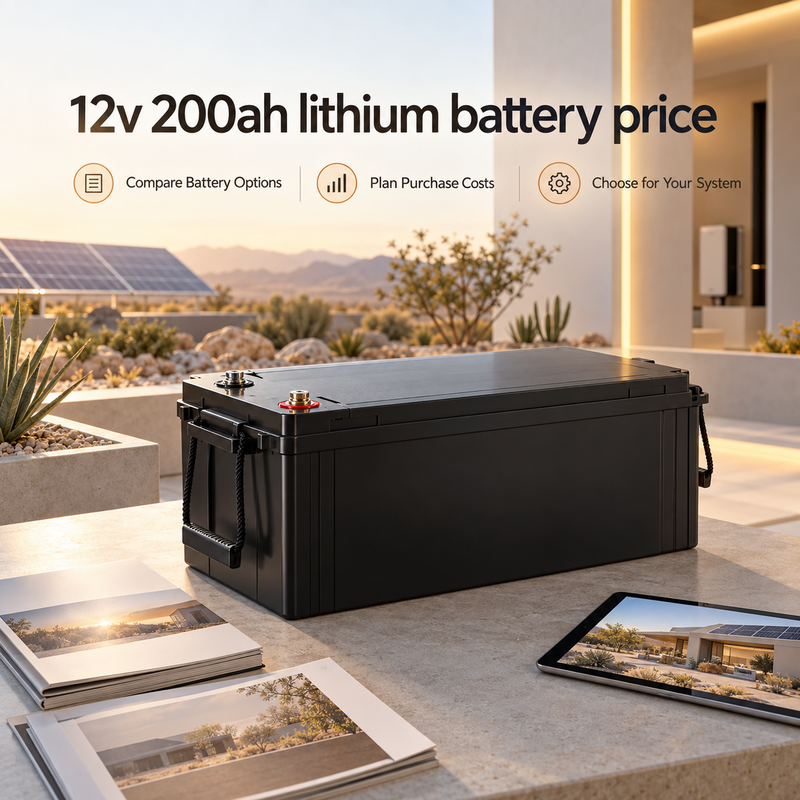
12V 200Ah Lithium Battery Pricing Insights

5,000+ units ready stock, 1–5 days fast global delivery

application/12v-200ah-lithium-battery-price, application/12v-200ah-lithium-battery-price, 
Inquiry
Inquiry

12v 200ah lithium battery price

When evaluating a robust energy solution, the 12V 200Ah lithium battery emerges as a leading contender for various applications, including solar energy systems, RVs, uninterruptible power supplies (UPS), and marine usage. Understanding the 12V 200Ah lithium battery price is crucial for B2B buyers as it directly impacts budgeting and project planning. This article aims to guide purchasing managers, engineers, and other professionals in selecting the right 12 volt lithium deep cycle battery, comparing specifications, and understanding the factors that influence pricing and quality. 

What to Expect

What to Expect

When investing in a 12V 200Ah lithium battery, expect a significant upfront cost compared to traditional lead-acid batteries. However, lithium batteries offer advantages such as longer lifespan, higher efficiency, and reduced maintenance costs, which can lead to lower total ownership costs over time.  

It's also worth anticipating variations in pricing based on bulk purchasing and supplier negotiations. Lead times can vary depending on the manufacturer’s production capacity and supply chain conditions. Understanding these factors can help in planning your projects and budgets more effectively.  

Comparing Specifications of 12V 200Ah Lithium Batteries for Projects

When comparing 12V 200Ah lithium batteries, focus on key specifications that affect performance. These include: 

Cycle Life: A higher cycle life indicates the number of charge-discharge cycles the battery can undergo before its capacity significantly degrades. Look for batteries with a cycle life of 2000 cycles or more, which is common for high-quality lithium models. 

Maximum Discharge Rate: This specification indicates the battery's ability to deliver power quickly. Ensure it meets or exceeds the demands of your application, particularly for appliances that require high initial power. 

Self-Discharge Rate: A lower self-discharge rate is beneficial for applications where the lithium ion battery for solar storage will not be used frequently, such as backup power systems. 

Operating Temperature Range: Ensure the battery can operate efficiently in the environmental conditions where it will be used. Lithium batteries typically perform well in a wide range of temperatures. 

Comparing these specifications will help ensure that the battery you select is well-suited for your intended application and will perform reliably over its lifespan. 

Key Quality Factors to Consider in 12V 200Ah Lithium Batteries

Quality is paramount when choosing a 12V 200Ah lithium battery. Here are some key factors to assess: 

Battery Chemistry: Lithium Iron Phosphate (LiFePO4) is a popular choice for its thermal stability and safety features. Ensure the battery you are considering utilizes high-quality cells that meet industry standards. 

Battery Management System (BMS): A robust BMS is crucial for protecting the battery from overcharging, deep discharging, and thermal runaway. Verify that the battery has a well-designed BMS to enhance safety and longevity. 

Manufacturing Quality Control: Investigate the manufacturer’s quality control processes. Reliable manufacturers will provide detailed documentation of their testing procedures and certifications, ensuring that the batteries meet performance expectations. 

Warranty and Support: A longer warranty period often indicates manufacturer confidence in their product. Look for warranties that cover a range of conditions and offer customer support for troubleshooting and inquiries. 

These quality factors will help ensure that the battery you choose not only meets your initial needs but also provides reliability and performance over time. 

Understanding the Cost Structure of 12V 200Ah Lithium Batteries

The price of a 12V 200Ah lithium battery is influenced by several factors. First, consider the raw materials used. Lithium, cobalt, and nickel prices can fluctuate based on market demand, impacting battery pricing. 

Next, manufacturing processes play a significant role. Batteries produced in facilities with advanced technology and stringent quality control may come at a premium but often offer better performance and reliability. Additionally, the cost of certifications like UN38.3 and CE can also be reflected in the final price. 

Finally, purchasing volume can affect pricing. Bulk orders typically result in better pricing per unit, so if your project requires multiple batteries, negotiating with suppliers for a discount is advisable. 

Understanding these aspects will allow you to make informed purchasing decisions and optimize your budget. 

By considering these elements, potential buyers can navigate the complexities of selecting and purchasing a 12V 200Ah lithium battery, ensuring they choose the right product for their specific needs while also understanding the associated costs and quality factors. 

Sourcing ISO 9001, CE, and UN38.3 certified LiFePO4 batteries with integrated smart BMS protection guarantees high thermal stability, 4,000+ deep charge cycles, and long-term operational efficiency across commercial energy storage deployments. 

How to Choose the Right 12V 200Ah Lithium Battery for Your Needs

Choosing the right 12V 200Ah lithium battery begins with assessing your specific application requirements. Consider factors such as energy needs, discharge rates, and environmental conditions. For instance, a battery used in a solar energy system may require a different discharge profile than one used in an RV. 

Additionally, evaluate compatibility with existing systems. Check whether the battery’s voltage and capacity align with your system's requirements, such as solar inverters or charge controllers. It’s also essential to consider the 12 volt lithium ion deep cycle battery form factor and weight, especially for mobile applications like RVs or boats, where space and weight constraints are critical. 

Don’t overlook the importance of safety certifications such as UN38.3 and CE, which ensure the battery meets international safety standards. These certifications can also impact the purchasing decision, as they often influence the battery’s price and availability.  

Get a Free Quote

Our representative will contact you soon.
0/1000