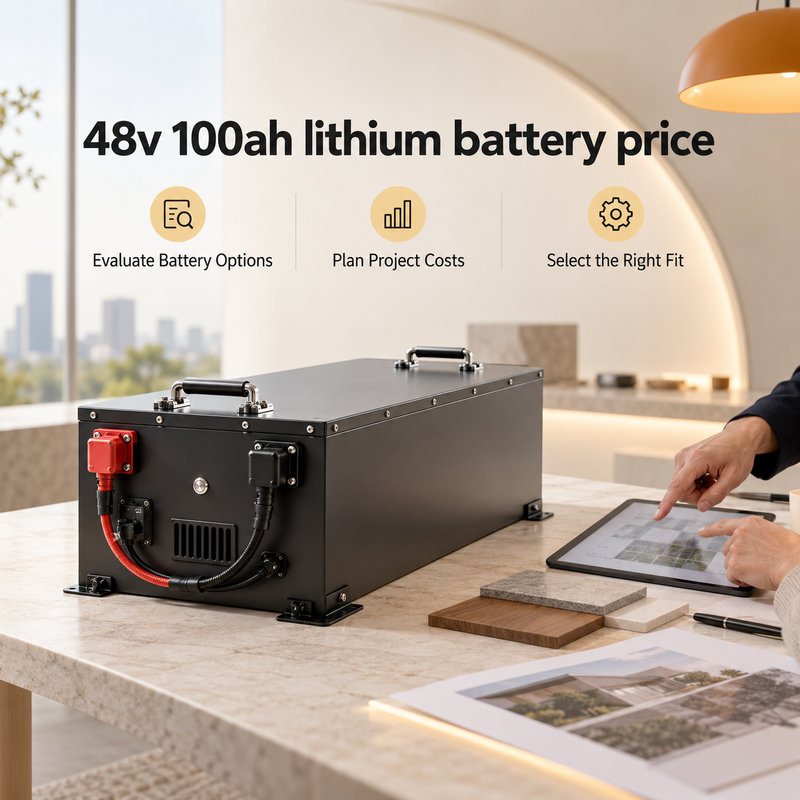
48V 100Ah Lithium Battery Pricing and Sourcing Guide

5,000+ units ready stock, 1–5 days fast global delivery

application/48v-100ah-lithium-battery-price, application/48v-100ah-lithium-battery-price, 
Inquiry
Inquiry

48v 100ah lithium battery price

When sourcing 48V 100Ah lithium batteries, understanding various factors such as pricing, specifications, and supplier reliability is crucial for B2B buyers. The 48V 100Ah lithium battery price can vary significantly based on several factors, car battery power inverter which this article will help clarify. It 48V 100Ah lithium battery price aims to guide purchasing managers, engineers, and product managers in making informed decisions that align with their project requirements while addressing common concerns like quality, application suitability, and supplier evaluation.

When evaluating prices for 48V 100Ah lithium batteries

When evaluating prices for 48V 100Ah lithium batteries

When evaluating prices for 48V 100Ah lithium batteries, it’s essential to compare offers from multiple suppliers. Prices can fluctuate based on several factors, such as material costs, manufacturing processes, and additional features like built-in battery management systems (BMS). 

Start by obtaining quotes from suppliers with a proven track record in the industry. Look for manufacturers who provide transparent pricing, including any additional costs related to shipping and handling. This portable inverter with battery will help you determine the total cost of ownership rather than just the upfront price. 

It’s also beneficial to inquire about bulk pricing or volume discounts, which can significantly reduce overall costs. When comparing prices, consider the value offered, including warranty terms and service support, as these can affect long-term costs and reliability. 

A practical approach is to request samples from suppliers before making a large commitment. This 48V 100Ah lithium battery price allows for a quality assessment of the battery's performance and compatibility with existing systems, ensuring you are making a sound investment. 

Despite their advantages, 48V 100Ah lithium batteries

Despite their advantages, 48V 100Ah lithium batteries can present several common problems that buyers should be aware of. One frequent issue is battery degradation over time, which can affect performance and capacity. To mitigate this, ensure that the battery management system (BMS) is functioning correctly, as it helps monitor the battery's health and optimize charging cycles. 

Another challenge is the risk of thermal runaway, which can occur if the battery is charged incorrectly or exposed to excessive heat. To address this, always follow manufacturer guidelines for installation and operation, and consider implementing cooling systems, especially in high-temperature environments. 

Moreover, buyers should be vigilant about counterfeit products. To avoid this issue, source batteries only from reputable suppliers with solid industry standing and verifiable certifications. Regular quality inspections upon receipt of products can also help identify any discrepancies or defects early. 

Selecting the right 48V 100Ah lithium battery

Selecting the right 48V 100Ah lithium battery requires a thorough understanding of your specific project requirements. Begin by assessing the application—whether it’s for solar energy storage, marine use, or backup power for UPS systems—as this will guide your specifications. 

Evaluate the battery's cycle life, typically ranging from 2,000 to 5,000 cycles for LiFePO4 batteries. A higher cycle life can lead to lower total cost of ownership and less frequent replacements. 

Compatibility with existing systems is also crucial. Ensure the voltage, size, and connection types align with your current setup. Additionally, consider whether the battery needs to support high discharge rates for applications like electric vehicles, which may require specialized configurations. 

Customization options can also play a significant role. Some projects may benefit from batteries with integrated BMS or specific casing materials for enhanced durability. Discuss these requirements with potential suppliers to find the best match. 

Proper installation of 48V 100Ah lithium batteries

Proper installation of 48V 100Ah lithium batteries is vital to ensure optimal performance and safety. Begin by reviewing the manufacturer’s installation guidelines, which typically include recommendations for wiring, mounting, and system integration. 

Ensure that the installation environment is conducive to battery performance. Lithium batteries should be housed in areas with adequate ventilation and temperature control to prevent overheating. Pay attention to the orientation of the batteries, as certain configurations may impact cooling and accessibility. 

When connecting the batteries, use appropriate gauge wires to handle the expected current without overheating. It’s crucial to adhere to polarity and follow proper sequence for connecting multiple batteries, especially in parallel setups. 

Furthermore, 48V 100Ah lithium battery price consider implementing a monitoring system to track battery performance and health post-installation. This can help identify potential issues early, ensuring the longevity and reliability of your energy storage solution. Regular maintenance checks can also enhance performance and safety over the battery's lifespan. 

By following these guidelines and leveraging insights into the 48V 100Ah lithium battery price, buyers can make informed decisions that align with their operational needs and budget constraints. 

When sourcing 48V 100Ah lithium batteries

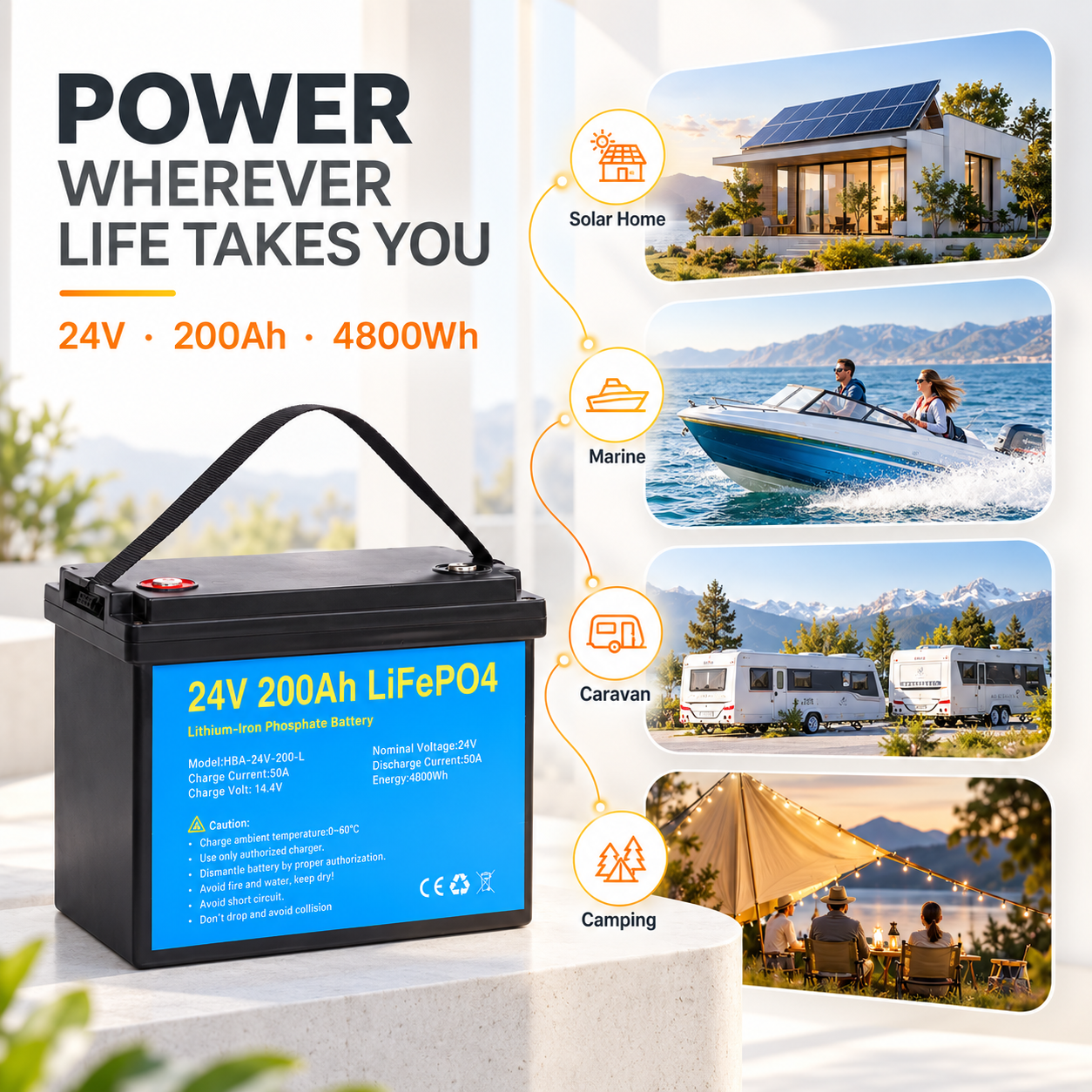
When sourcing 48V 100Ah lithium batteries for wholesale, several critical factors must be taken into account.  First, buyers should evaluate the battery's chemistry, specifically lithium iron phosphate (LiFePO4), known for its stability and safety features. This small inverter with battery chemistry is particularly advantageous in applications such as solar energy storage, RVs, and marine systems. 

Next, consider the battery's specifications, including cycle life, charge and discharge rates, and temperature tolerance. These specifications can significantly impact the battery's performance in various applications. For instance, a battery designed for extreme temperatures may not perform optimally in standard conditions, leading to decreased efficiency and potential damage. 

Additionally, buyers should verify the supplier's certifications, such as UN38.3 and CE, which indicate compliance with international safety standards. This 48V 100Ah lithium battery price ensures that the batteries meet rigorous safety and quality benchmarks, minimizing risks associated with battery failure. 

Lastly, assess the supplier's production capacity and lead times to ensure timely delivery, especially for large orders. Understanding minimum order quantities (MOQs) and customization options will also facilitate better negotiations on price and delivery terms. 

Get a Free Quote

Our representative will contact you soon.
0/1000