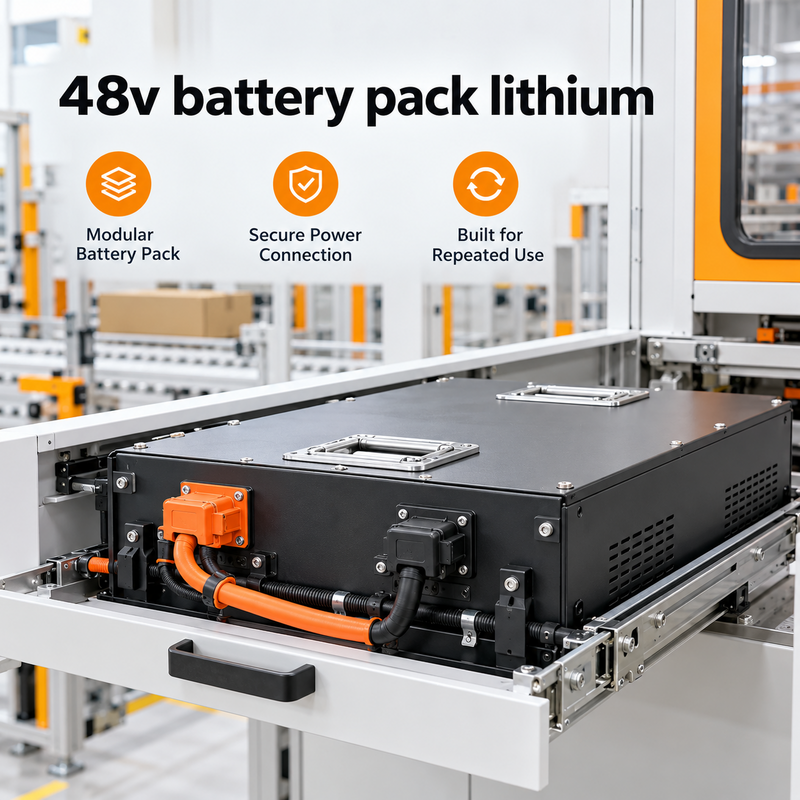
Choosing the Right 48V Lithium Battery Pack

5,000+ units ready stock, 1–5 days fast global delivery

application/48v-battery-pack-lithium, application/48v-battery-pack-lithium, 
Inquiry
Inquiry

48v battery pack lithium

The  48V lithium battery  pack  is  a  critical component in various  applications, offering  reliability and efficiency for energy  storage. As a B2B buyer, understanding the  specifications, sourcing options,  quality factors, installation guidance,  and advantages  of  LiFePO4  technology is essential for making informed purchasing  decisions. This article aims to provide you with comprehensive insights into these important aspects, helping you navigate  the complexities of selecting  the right  battery  pack for your  specific needs.

Where to Source Reliable 48V Lithium Battery Packs Wholesale

Where to Source Reliable 48V Lithium Battery Packs Wholesale

Finding a reliable source for 48V lithium battery packs requires careful evaluation  of potential suppliers. Key considerations include:

Manufacturing Certifications:  Ensure the manufacturer holds relevant certifications, such as UN38.3 and CE, which indicate compliance  with international safety and quality standards. These certifications are crucial for ensuring the  product meets regulatory requirements.

Production Capabilities: Assess the supplier's manufacturing capabilities, including their production capacity and equipment used.  A manufacturer like Shenzhen  Yanshuosheng Technology Co., Ltd. can provide  insights into their  ability to meet  bulk orders and customization needs.

Quality Control Processes: Inquire about the quality control measures in place during the production process. A robust quality assurance  system helps minimize defects and ensures consistent performance.

Customization  Options: Many buyers require specific configurations tailored to  their applications. Confirm that the supplier can accommodate custom specifications, such as size, capacity,  or integration with existing systems.

Lead Times  and MOQs: Understand the supplier’s minimum order quantities  (MOQs)  and lead times for production and delivery. This helps in planning and ensures that the supplier can  meet your project timelines.

Reputation and References: Look for reviews or testimonials  from other customers to gauge reliability and service  quality. A reputable supplier will have a history of successful partnerships with other businesses in your industry.

By considering these factors, buyers can identify trustworthy sources for  purchasing 48V lithium battery packs wholesale.

Quality and Cost Factors

When it comes to 48V lithium battery  packs, quality directly influences cost. Here are some quality and cost factors to consider:

Material Quality:  The choice of materials impacts both the performance and longevity of the battery. LiFePO4 is known for  its stability and safety compared  to other lithium  chemistries, which may  justify a higher price point.

Manufacturing Process: Advanced manufacturing techniques can enhance the quality of  the battery packs. Processes such as automated assembly and rigorous testing protocols contribute to higher reliability and lower failure rates.

Supply Chain Stability: Fluctuations in  raw material costs can affect overall  pricing. Suppliers  with stable and transparent supply chains are more likely to provide consistent pricing and availability.

Warranty and Support: Evaluate the warranty period offered by the  manufacturer. A longer warranty often reflects confidence in the product's quality and  can provide peace of mind for buyers.

Total Cost of Ownership: While initial costs are important, consider the long-term  savings associated with durability and efficiency. Batteries with longer cycle lives  and lower maintenance needs  may  offer better  overall value.

Balancing these quality factors  with cost  considerations will help buyers make informed decisions that align with their budget and performance  expectations.

Installation Guidance for 48V Lithium Battery Packs in Various Applications

Proper installation of 48V lithium battery packs is crucial for optimal performance and safety. Here are some installation guidelines tailored for different applications:

Solar Energy Systems: When integrating battery  packs with solar systems, ensure proper connection to the inverter and charge controller. Follow the manufacturer's guidelines  for wiring to prevent overloading and ensure safe  discharge.

Marine Applications:  Marine environments present unique  challenges, such as moisture and vibration. Secure  the battery pack in a well-ventilated area, ideally in a dry compartment,  and use marine-grade connectors to prevent  corrosion.

RV and Off-Grid Systems: For RV  applications, consider using battery management systems (BMS) that protect the battery from  overcharging and deep  discharging. Properly fuse connections to ensure safety during operation.

UPS  Systems: Installation in  uninterruptible power supply systems requires ensuring compatibility with the UPS's operational requirements. It’s essential to  configure the BMS to  communicate effectively with the UPS for seamless  power transitions.

Safety Precautions: Always follow safety protocols during installation, including using personal protective equipment  and adhering to  manufacturer guidelines. Regularly inspect connections  and components to prevent failures.

By following these installation guidelines, buyers can maximize the performance and lifespan of their 48V lithium battery  packs across various applications.

Advantages of LiFePO4 Technology in 48V Lithium Battery Packs

LiFePO4 (Lithium Iron Phosphate) battery technology has gained popularity for several reasons:


Safety: LiFePO4 batteries are less prone  to  thermal runaway compared to other lithium-ion  chemistries, making them a safer choice for applications where overheating can  be a concern.

Longevity: With a cycle life of over 2000 cycles, LiFePO4 batteries offer durability and reliability, reducing the need for frequent replacements and lowering long-term costs.

Stable Performance: This technology maintains stable voltage and  performance across varying temperatures, enhancing its suitability  for diverse applications, including those with fluctuating environmental conditions.


Environmental  Impact:  LiFePO4 is considered more environmentally friendly, as it  does not contain toxic heavy metals found in other battery chemistries. This aligns with the growing emphasis  on sustainability in  manufacturing and energy solutions.

Fast Charging: These batteries support  fast charging  without significant  degradation, allowing for quicker turnaround  times in applications  that require rapid energy replenishment.

By understanding the advantages  of LiFePO4 technology, buyers can make informed decisions about incorporating 48V lithium battery packs into  their energy systems, ensuring safety, efficiency, and long-term value.

Key Specifications of Our 48V Lithium Battery Packs Explained

When evaluating 48V lithium battery packs, several key  specifications should  be considered:


Capacity: Measured in amp-hours (Ah), this indicates the total amount of energy the battery can  store. A higher  capacity means longer usage times, which is crucial for  applications such as solar energy storage  and RV  systems.

Voltage: The nominal voltage of 48V is standard for many energy storage systems, ensuring compatibility with various  inverters and energy management systems.

Cycle  Life: This refers to the number of charge  and discharge cycles the battery can  undergo before its capacity significantly diminishes. A longer cycle life typically translates to lower long-term costs.

Discharge  Rate: The maximum  current the  battery can provide continuously without overheating. This is important for applications demanding high power outputs, such as electric vehicles and marine systems.

Temperature Range: Understanding the operational temperature  range is vital to ensure the battery performs optimally without risk of failure. LiFePO4 batteries generally perform well in wider temperature ranges compared to other lithium-ion batteries.

Size and Weight:  The physical dimensions and weight of the battery  can affect installation and integration into existing  systems.

These specifications help buyers assess the suitability of a battery pack  for their specific application, ensuring that it meets performance and reliability needs.

Get a Free Quote

Our representative will contact you soon.
0/1000