Choosing the Right 48V 20Ah Lithium Ion Battery

5,000+ units ready stock, 1–5 days fast global delivery

application/battery-lithium-ion-48v-20ah, application/battery-lithium-ion-48v-20ah, 
Inquiry
Inquiry

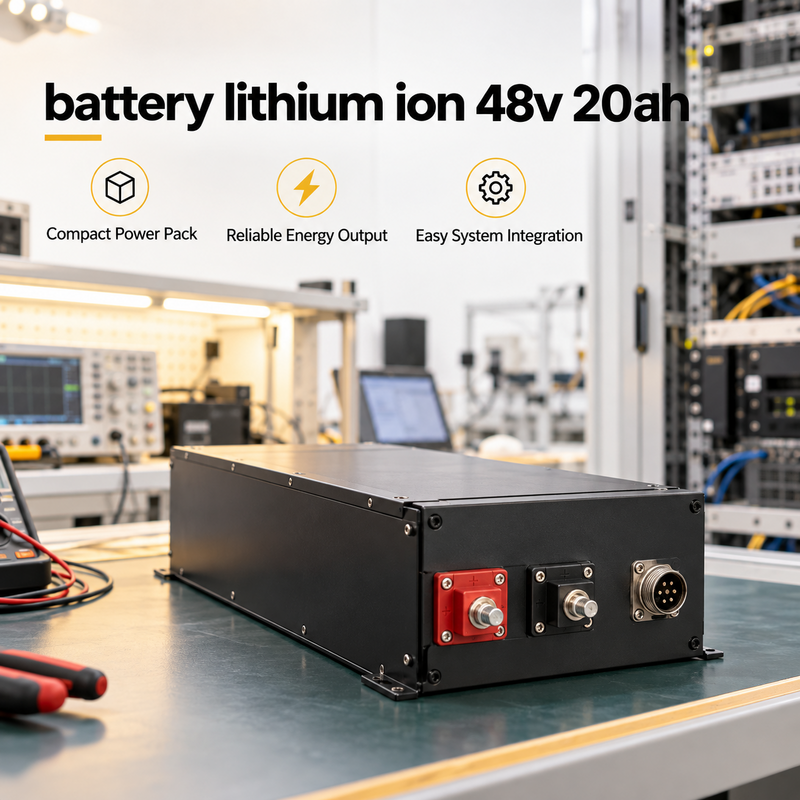
battery lithium ion 48v 20ah

The 48V 20Ah  lithium-ion battery is  a vital  component in  various applications, including solar  energy storage,  RVs, and marine systems. Its performance can significantly impact the efficiency and  reliability  of  these systems. For B2B buyers, understanding the key specifications, quality control measures, and  cost factors is crucial when selecting the right battery  for  their projects. This article will provide insights into choosing the right battery, explain its technical specifications,  discuss  quality  control  processes, and outline cost considerations to  help you make  an informed purchasing decision.

 
How to Choose the Right 48V 20Ah Lithium Ion Battery for Your Project

How to Choose the Right 48V 20Ah Lithium Ion Battery for Your Project

Selecting the right 48V 20Ah lithium-ion battery involves a thorough assessment of your specific needs. Begin by defining the energy requirements of your project. Calculate the total energy consumption and peak load, which will help in determining the necessary battery capacity and discharge rate.

Next, evaluate compatibility  with existing systems. Ensure that the battery integrates seamlessly with your power management  systems, including inverters or charge controllers. If the application involves  renewable  energy, consider batteries  that can handle variable charging  rates.

Customization capabilities  are also an important consideration. Some manufacturers offer  options for tailored  battery configurations,  such as different protection features or additional monitoring systems, which  can  be beneficial for specialized applications.

Lastly, consider  the total cost of ownership,  including initial purchase price, installation costs, and  potential savings from energy  efficiency. Requesting a sample for testing under actual operating conditions  can also provide  insight into performance expectations before committing to a large  order.


Technical Specifications of 48V 20Ah Lithium Ion Batteries Explained

Understanding the technical  specifications of  a 48V 20Ah lithium-ion battery is essential for making an informed purchase. Key specifications include:

Voltage: A nominal voltage  of  48V is standard, making it suitable for various applications.  Ensure that your system operates within this voltage range for optimal performance.

Capacity: The 20Ah capacity indicates that the battery can deliver 20 amps for one hour, or a proportionate amount  over a longer period. This is crucial  for determining how long the battery can power your application.

Energy Density: Measured  in watt-hours per liter (Wh/L), this specification indicates how much energy  the battery can store relative to its size. Higher energy density is desirable for compact applications.

Cycle Life: This indicates the number of complete charge/discharge cycles the battery can  undergo before its capacity drops  below a specified level. Typical lithium-ion batteries  offer between 2,000 to  5,000 cycles, depending on usage and care.


Temperature Range: Operating temperature range is critical for performance. Ensure the battery can function effectively in the expected environmental conditions.

These specifications should be aligned with the specific requirements  of  your  application, as they directly affect performance,  longevity, and  safety.

Quality Control Measures for 48V 20Ah Lithium Ion Batteries

Quality control  is paramount in the manufacturing of  48V 20Ah lithium-ion batteries. At Shenzhen Yanshuosheng Technology Co., Ltd.,  rigorous quality assurance practices ensure that every battery meets established safety and performance standards.

Material Inspection: All raw materials undergo thorough  inspection  before production. This includes checking for  battery grade lithium and  ensuring  the integrity of cell  components.

Production Oversight: During  the manufacturing process, continuous monitoring is implemented. This includes checking  for consistency in cell formation and alignment, as any deviation can lead to performance  issues.


Testing: Each battery is subjected to  a series of tests, including capacity testing, cycle life testing, and safety testing. These tests ensure that the batteries perform as expected under various conditions.

Certification Compliance:  The UN38.3 and  CE certifications are critical for ensuring that the batteries meet international safety and quality standards.  Compliance with these certifications is a prerequisite for export to many countries.

Final Inspection: Before  shipping, a final inspection is  conducted to ensure that all specifications are met. This includes checking for physical defects and ensuring proper labeling  and packaging for safe transport.

Cost Factors to Consider When Purchasing 48V 20Ah Lithium Ion Batteries

Pricing for 48V 20Ah lithium-ion batteries can vary significantly based on several factors. First, consider the materials used in battery production. Higher-quality materials often result in better performance and longer lifespan, but they can increase costs.

Next, manufacturing  processes play  a crucial role. Advanced manufacturing techniques that ensure consistency and reliability may come at a premium but can save costs in the long run through reduced warranty claims and improved performance.

Another factor is the scale of your  order. Manufacturers  often have Minimum Order Quantities  (MOQs), and larger orders  may qualify for discounts. However, be cautious  about ordering more than  you need, as battery  performance can degrade over time  if stored improperly.

Shipping costs should  also be  factored in,  especially for international orders. Ensure that you account for any tariffs or customs fees  that may apply.

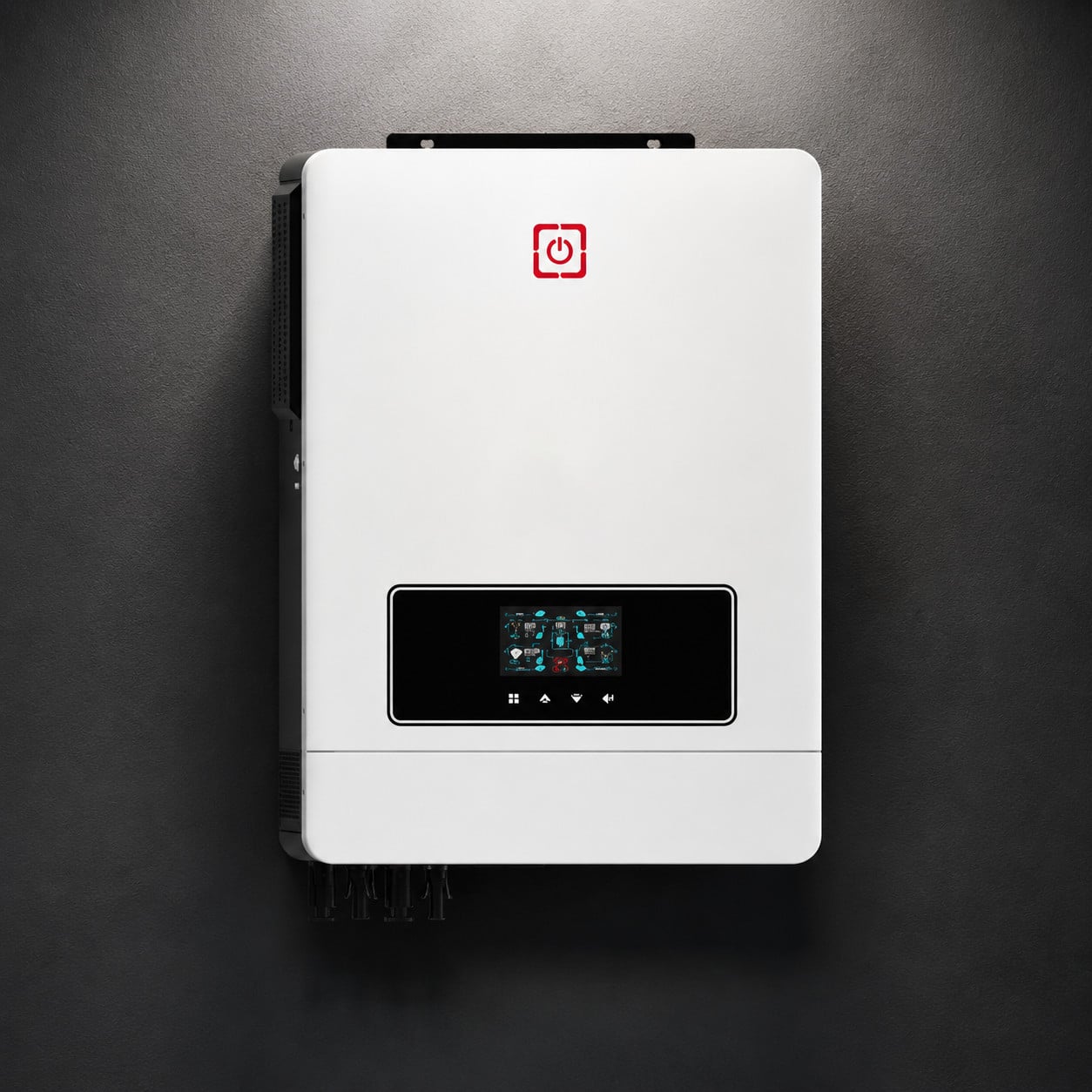
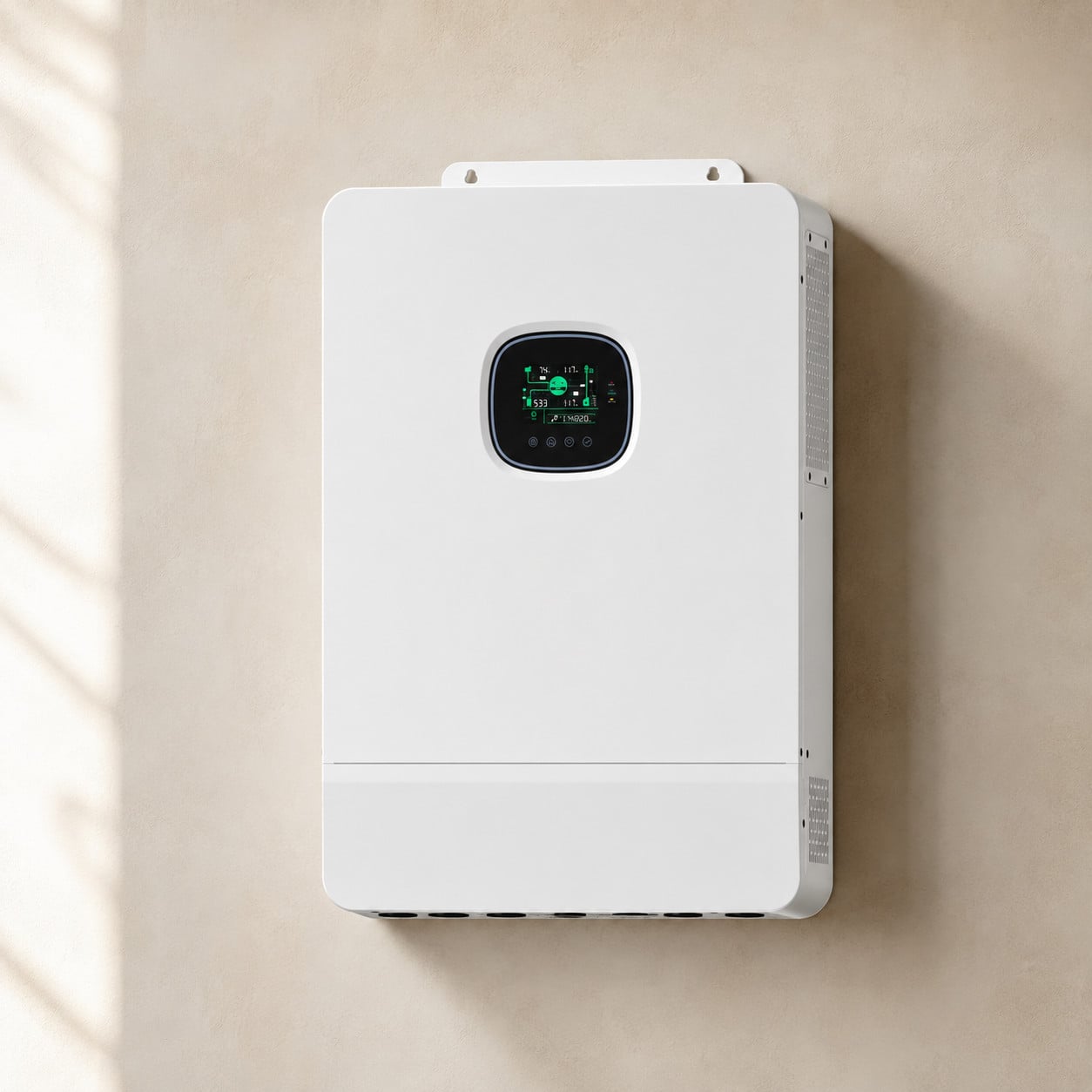
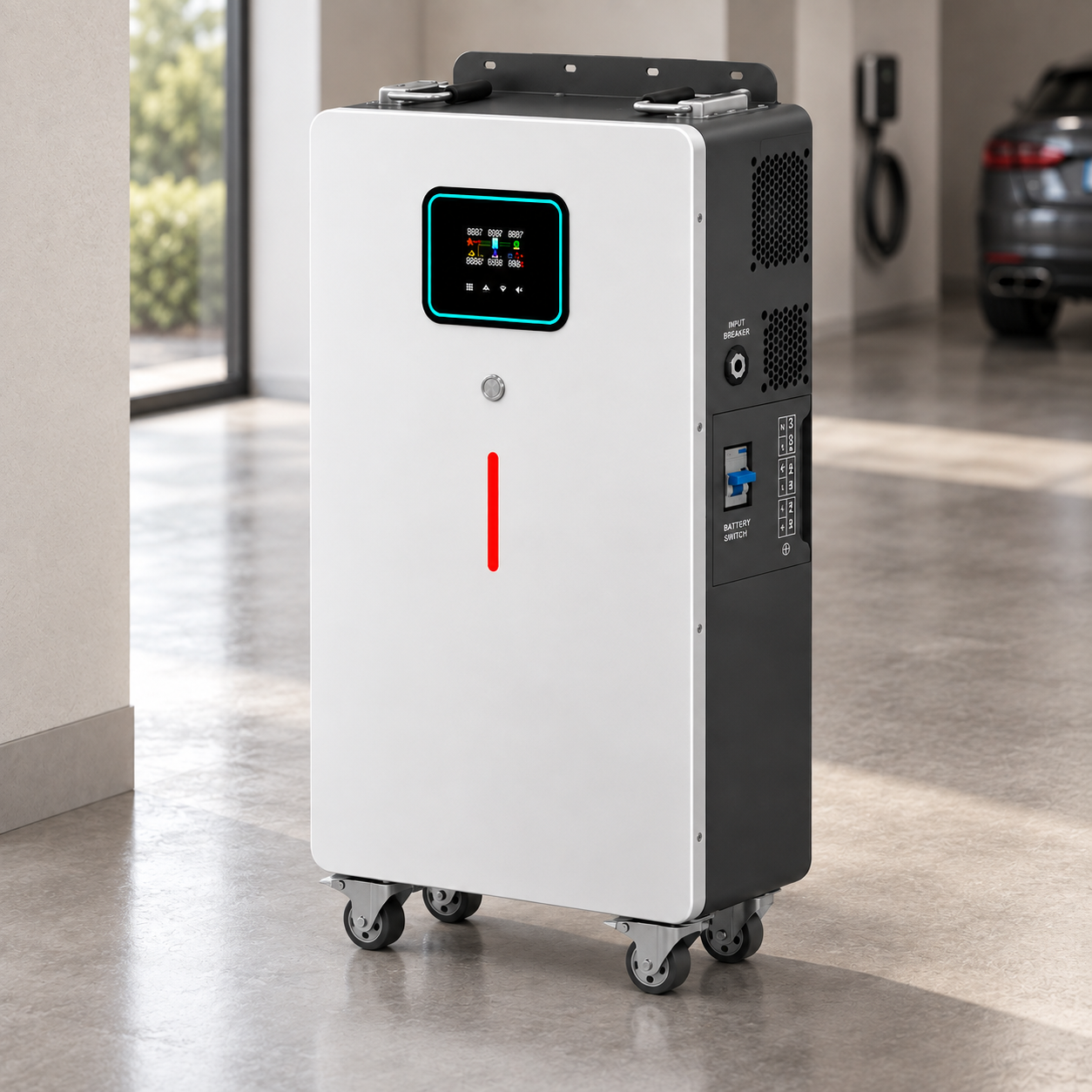
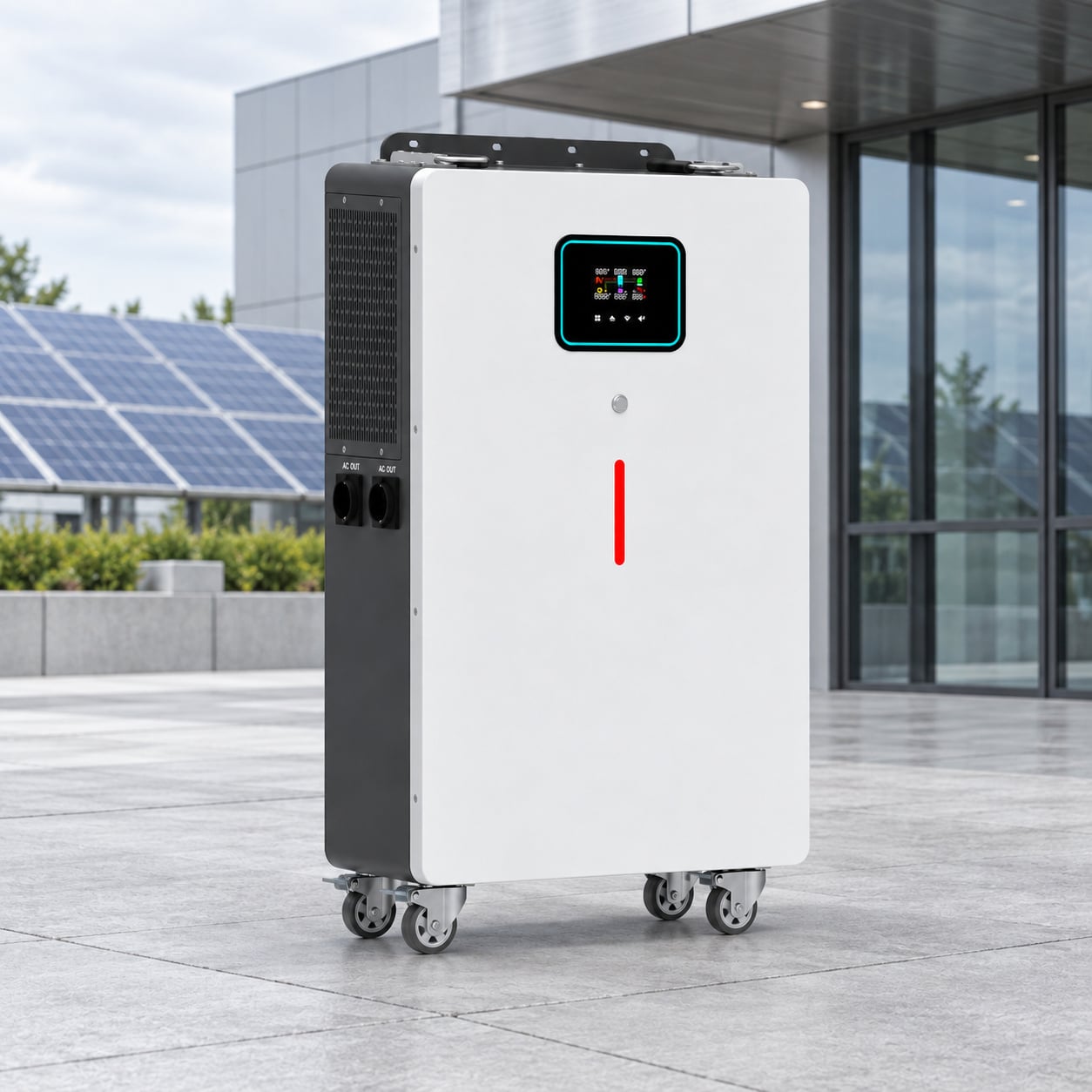
Finally, consider the cost of potential after-sales support and warranty coverage. A slightly  higher upfront cost may be justified if it includes  robust support and a comprehensive  warranty  program that protects your investment. For example, consider the Energy Storage Systems 3.6KW 5.5KW 24V 48V On/Off Grid Solar Inverter for enhanced support.

By carefully evaluating these factors, you  can better navigate the complexities of purchasing 48V 20Ah lithium-ion batteries and ensure that you select  the best option for your specific needs.

Key Considerations

When evaluating  a 48V 20Ah lithium-ion battery,  several key  factors come into  play. First, consider  the application environment. For instance, batteries used in marine applications must withstand moisture and temperature fluctuations, whereas  those used in residential energy storage systems  may  require more stringent safety standards.

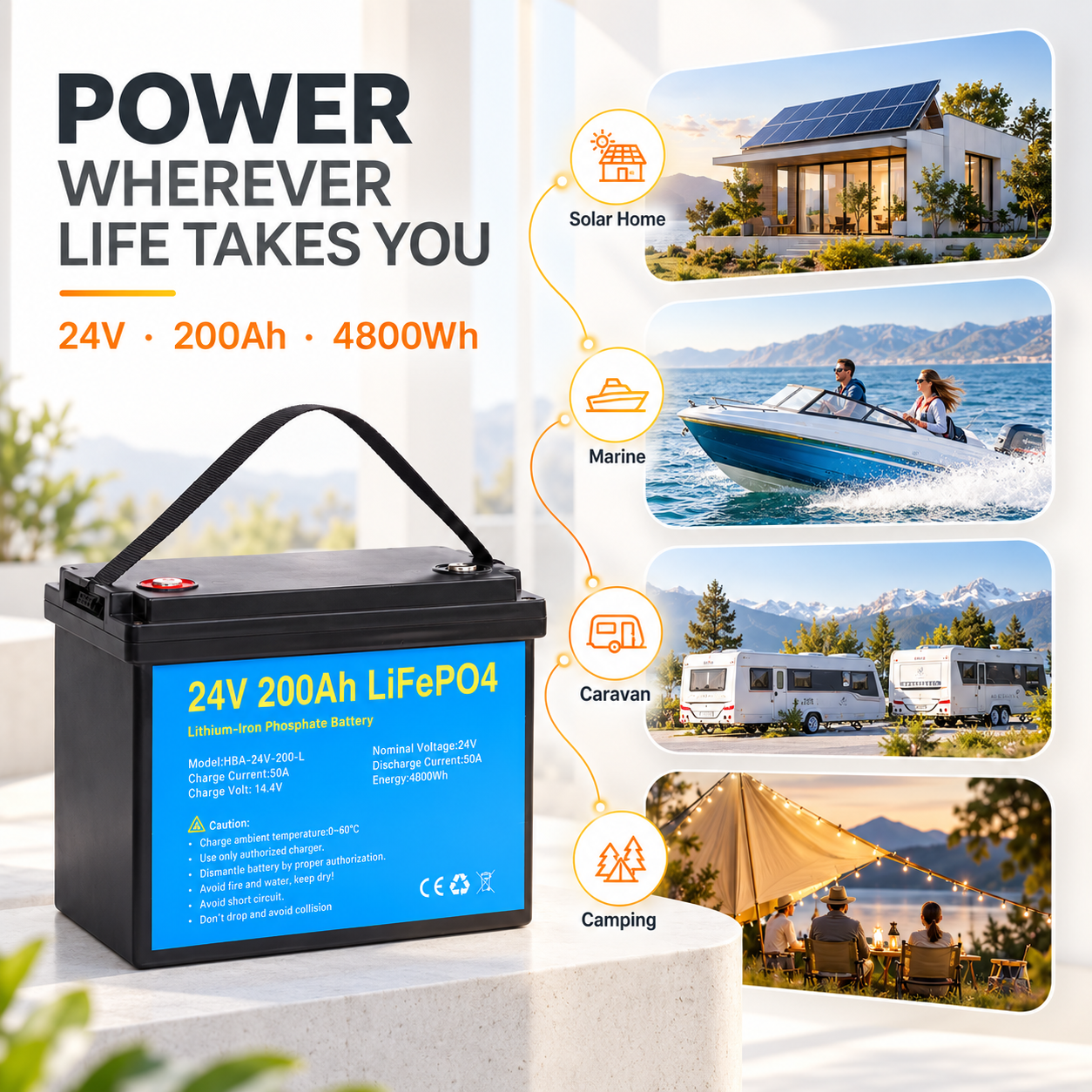
Next, assess the battery's energy density, cycle  life, and discharge rates. A higher energy density allows for more energy storage in a smaller volume, which is crucial for  space-constrained applications.  Cycle  life refers to the number of charge and discharge cycles  the battery can undergo before its capacity significantly diminishes. For applications that demand frequent cycling, such as solar energy systems, a battery  with a higher cycle life will  provide better  long-term value. For instance, you might consider the Deep Cycle 12V 24V 50Ah 100Ah 200Ah LiFePO4 Lithium Ion Solar Energy Battery Storage Systems for optimal performance in such scenarios.

Additionally, ensure that the battery includes a robust Battery Management System (BMS) that monitors and protects battery health, optimizing  performance and extending lifespan. Certifications like UN38.3 and CE ensure compliance with  safety  and performance standards, which are  particularly important for international shipping and installation.

Get a Free Quote

Our representative will contact you soon.
0/1000