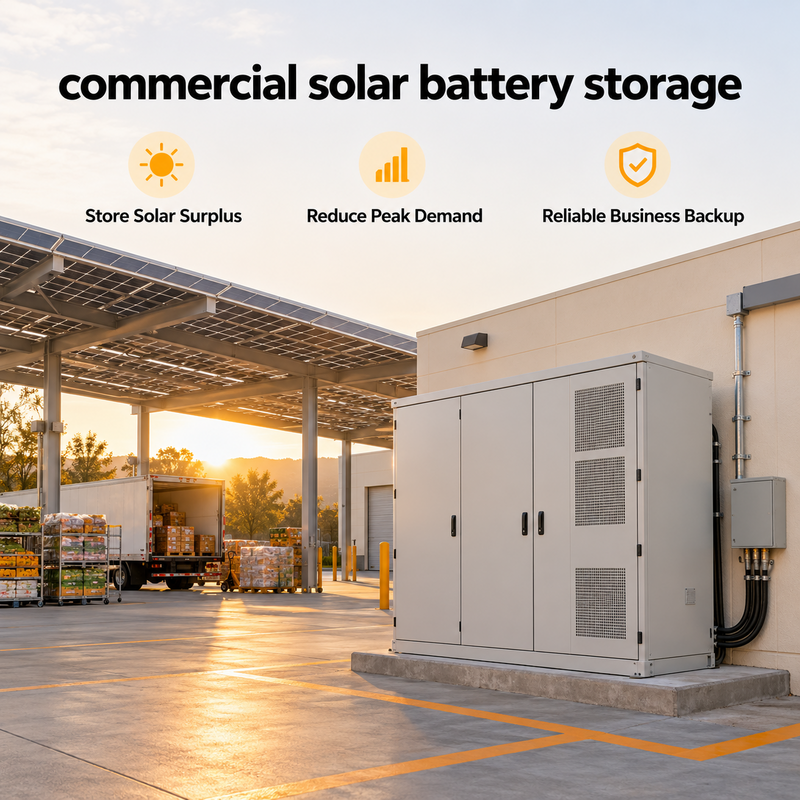
Commercial Solar Battery Storage: Key Insights

5,000+ units ready stock, 1–5 days fast global delivery

application/commercial-solar-battery-storage, application/commercial-solar-battery-storage, 
Inquiry
Inquiry

Commercial solar battery storage

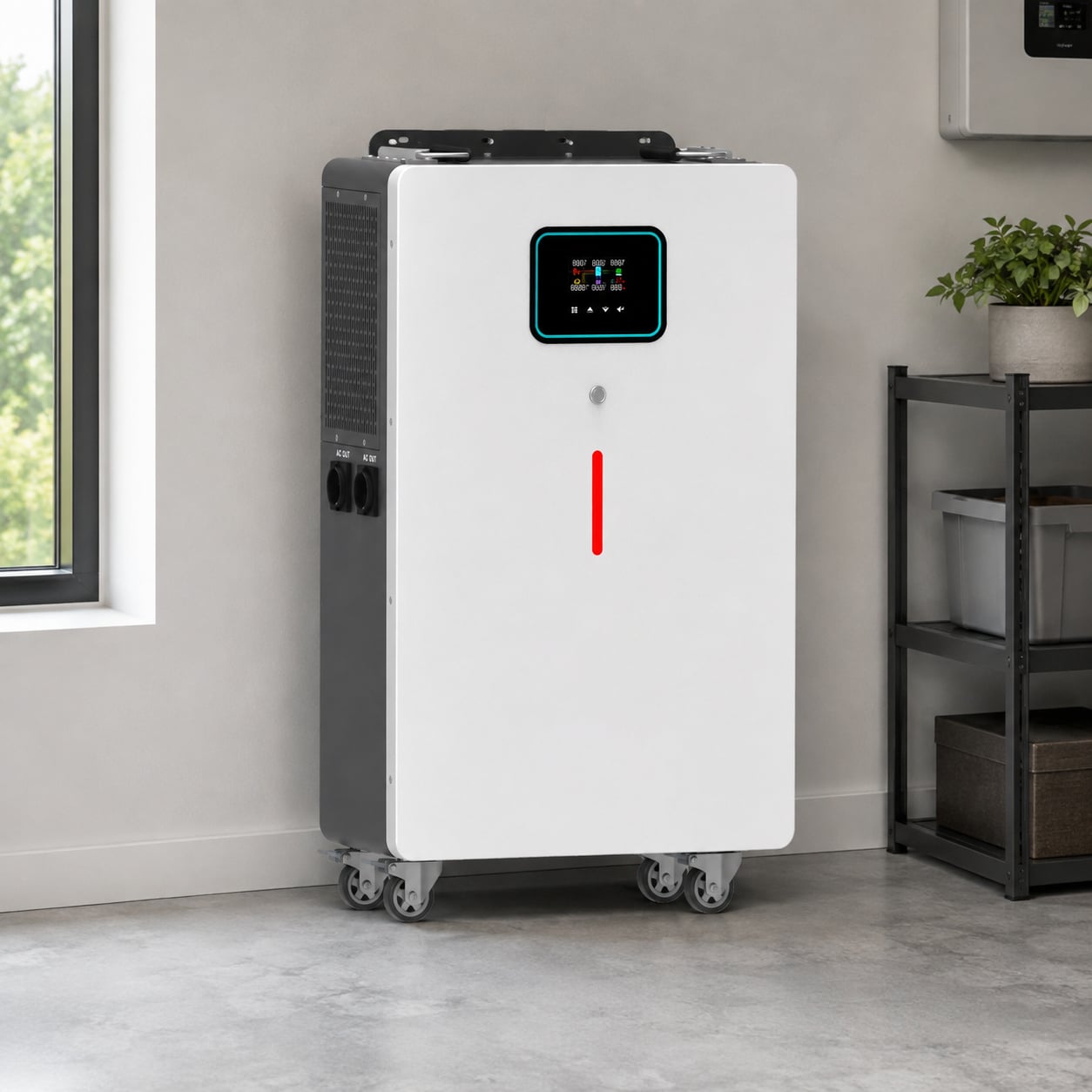
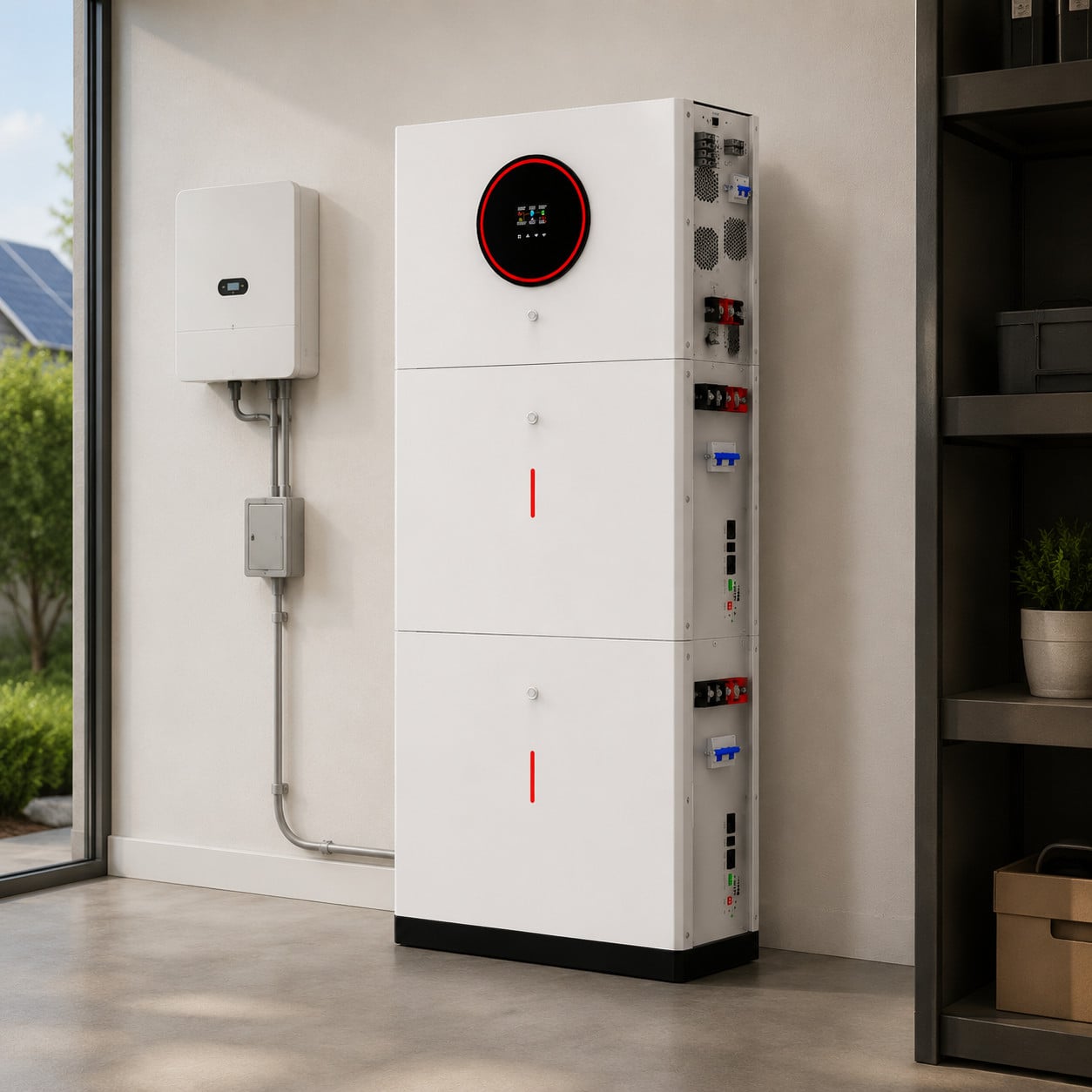
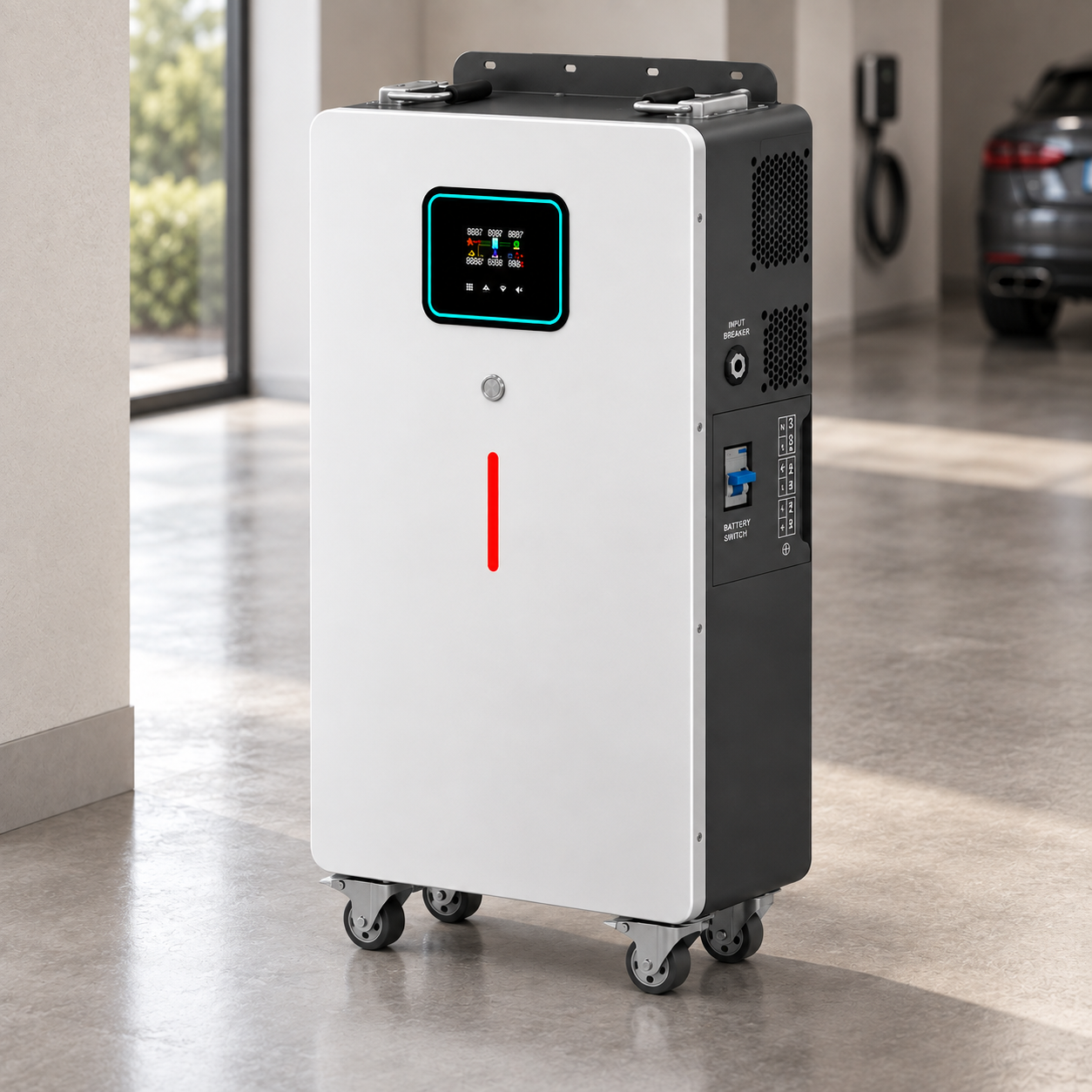
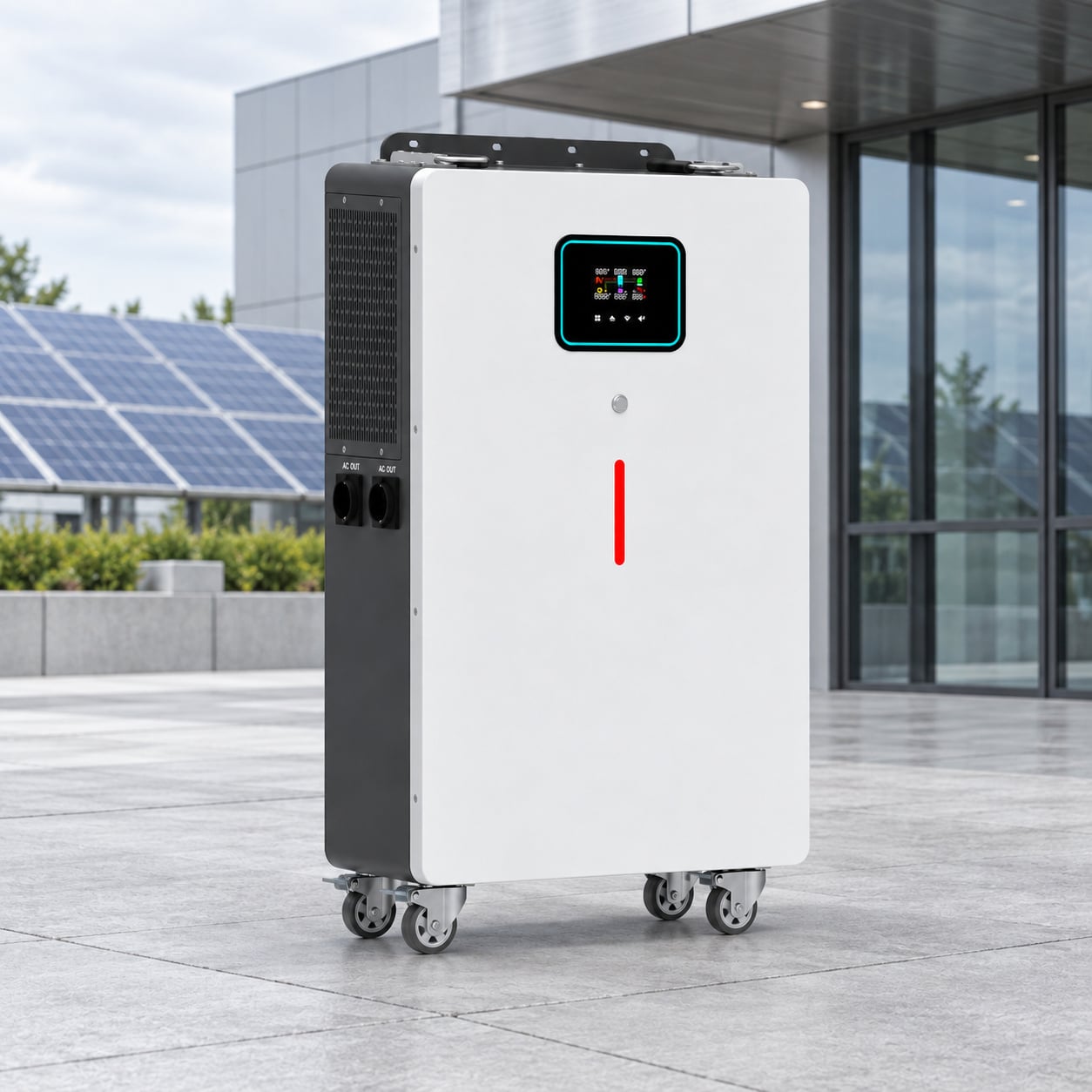
Commercial solar battery storage systems are essential components for businesses looking to harness renewable energy effectively. These systems allow for the efficient storage of solar energy, enabling companies to reduce operational costs and enhance energy independence. However, selecting the right solar power and battery storage solution involves several considerations that can significantly impact performance and overall return on investment. This article will guide you through key factors to consider, specifications that ensure high performance, pricing structures for bulk orders, practical applications of YANSHUO LiFePO4 batteries in commercial settings, and how to find trusted suppliers. 

Key Specifications for High-Performance Solar Battery Systems

Key Specifications for High-Performance Solar Battery Systems

Understanding key specifications is crucial for selecting a high-performance commercial solar battery storage system. Here are the most vital specifications to evaluate: 

Voltage Rating: The battery's voltage must match the solar inverter to ensure compatibility. Most commercial systems operate at 48V or higher. 

Charge/Discharge Rate: This determines how quickly a battery can be charged and how fast it can supply power. Look for batteries that can handle high charge and discharge rates to ensure efficient energy usage during peak demand times. 

Temperature Range: Batteries need to operate effectively within a specified temperature range. YANSHUO LiFePO4 batteries typically perform well in a wider temperature range, making them suitable for various climates. 

Weight and Size: Consider the physical dimensions and weight of the battery, especially if space is limited. This impacts installation and integration into existing systems. 

Warranty and Support: A robust warranty demonstrates the manufacturer's confidence in their product. Look for warranties that cover both performance and lifespan. 

These specifications are essential in ensuring that the solar panels and battery storage system meets your operational needs and delivers reliable performance over its lifetime.

Understanding Pricing for Bulk Battery Orders

Pricing for commercial solar battery storage can vary widely based on several factors: 

Quantity and MOQ: The minimum order quantity (MOQ) often influences pricing. Larger orders typically yield lower per-unit costs due to economies of scale. Understanding the MOQ is crucial for budget planning. 

Customization Options: Customized solutions, such as specific dimensions or integrated features, may increase costs. Buyers should assess whether customization is necessary or if standard models meet their needs. 

Shipping and Logistics: Costs associated with transportation can significantly affect pricing. Evaluate shipping options and potential tariffs, especially if importing from international suppliers. 

Payment Terms: Flexible payment terms might be available for bulk orders. Discussing these terms upfront can help manage cash flow. 

Market Trends: Prices can fluctuate based on market demand for raw materials and battery components. Keeping an eye on market trends can help in timing your purchase effectively. 

Understanding these pricing dynamics enables businesses to make strategic purchasing decisions and plan their budgets accordingly.

Applications of LiFePO4 Batteries in Commercial Settings

LiFePO4 batteries are versatile and suitable for various commercial applications, including: 

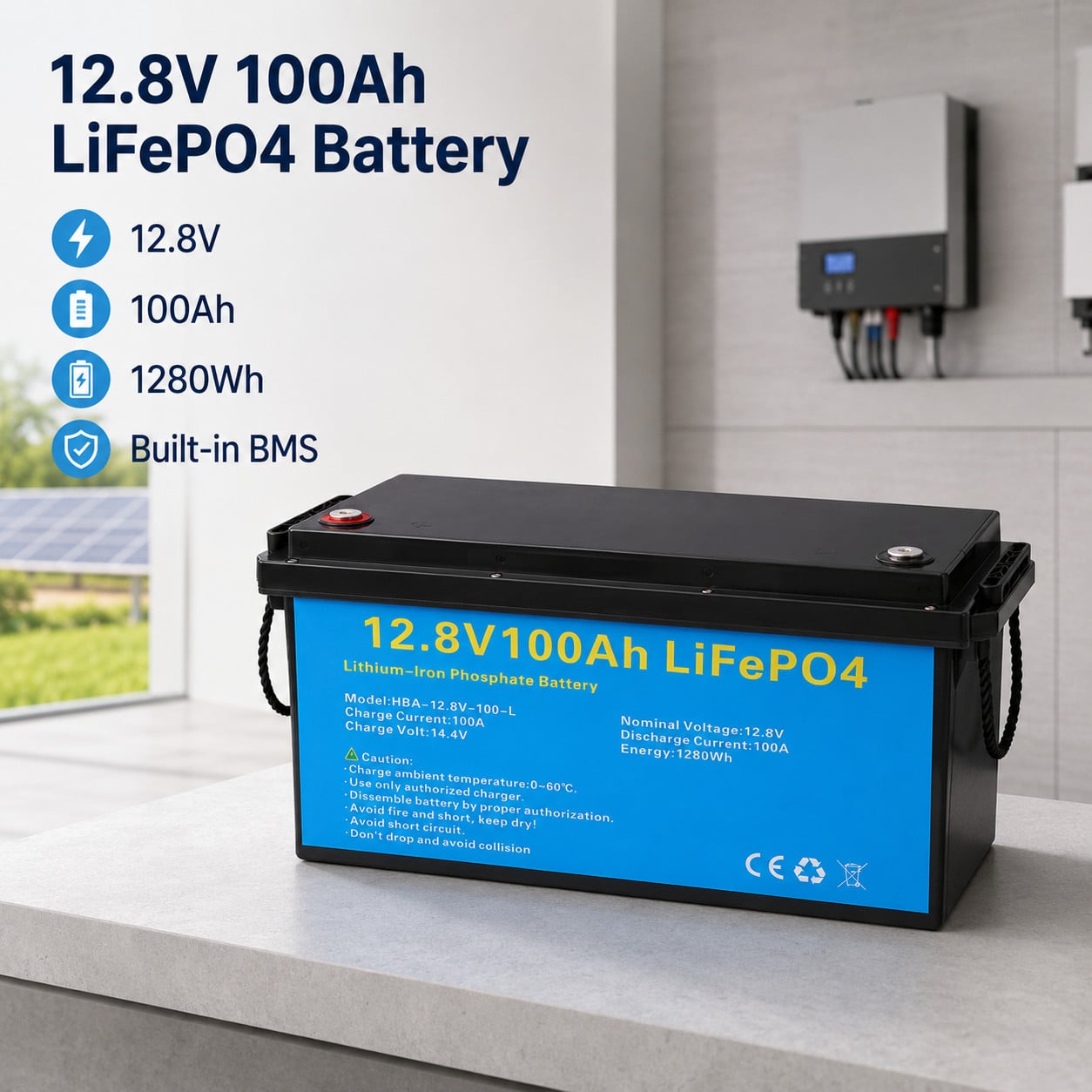
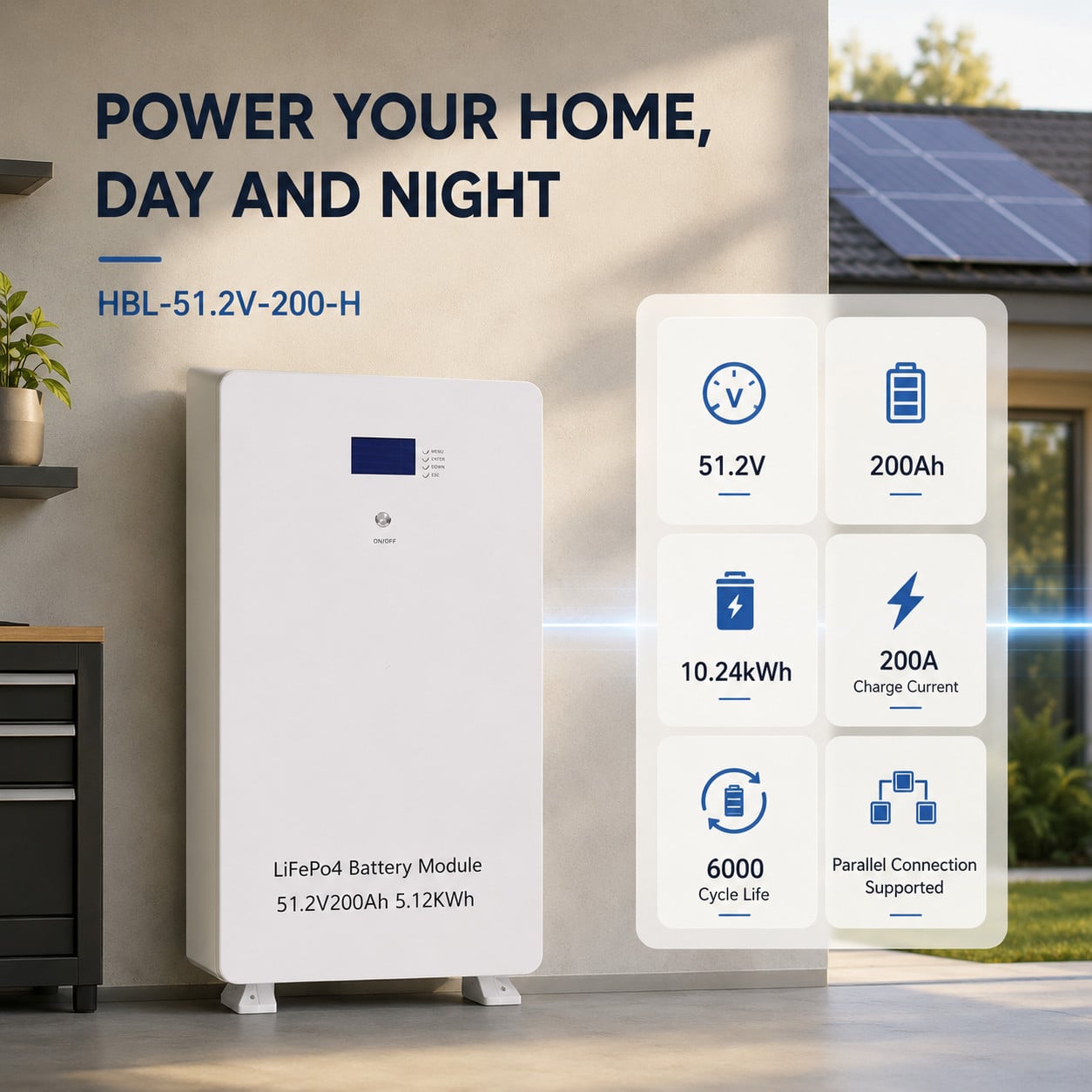
Solar Energy Storage: Businesses with solar panels can store excess energy produced during the day for use at night or during peak demand, reducing reliance on the grid and lowering electricity costs. 

Backup Power Systems: These batteries can provide uninterrupted power supply (UPS) for critical operations in sectors like healthcare, telecommunications, and data centers, ensuring business continuity during power outages. 

Electric Vehicles (EV) Charging Stations: As more companies invest in EV infrastructure, LiFePO4 batteries can serve as reliable power sources for charging stations, optimizing energy use and reducing costs. 

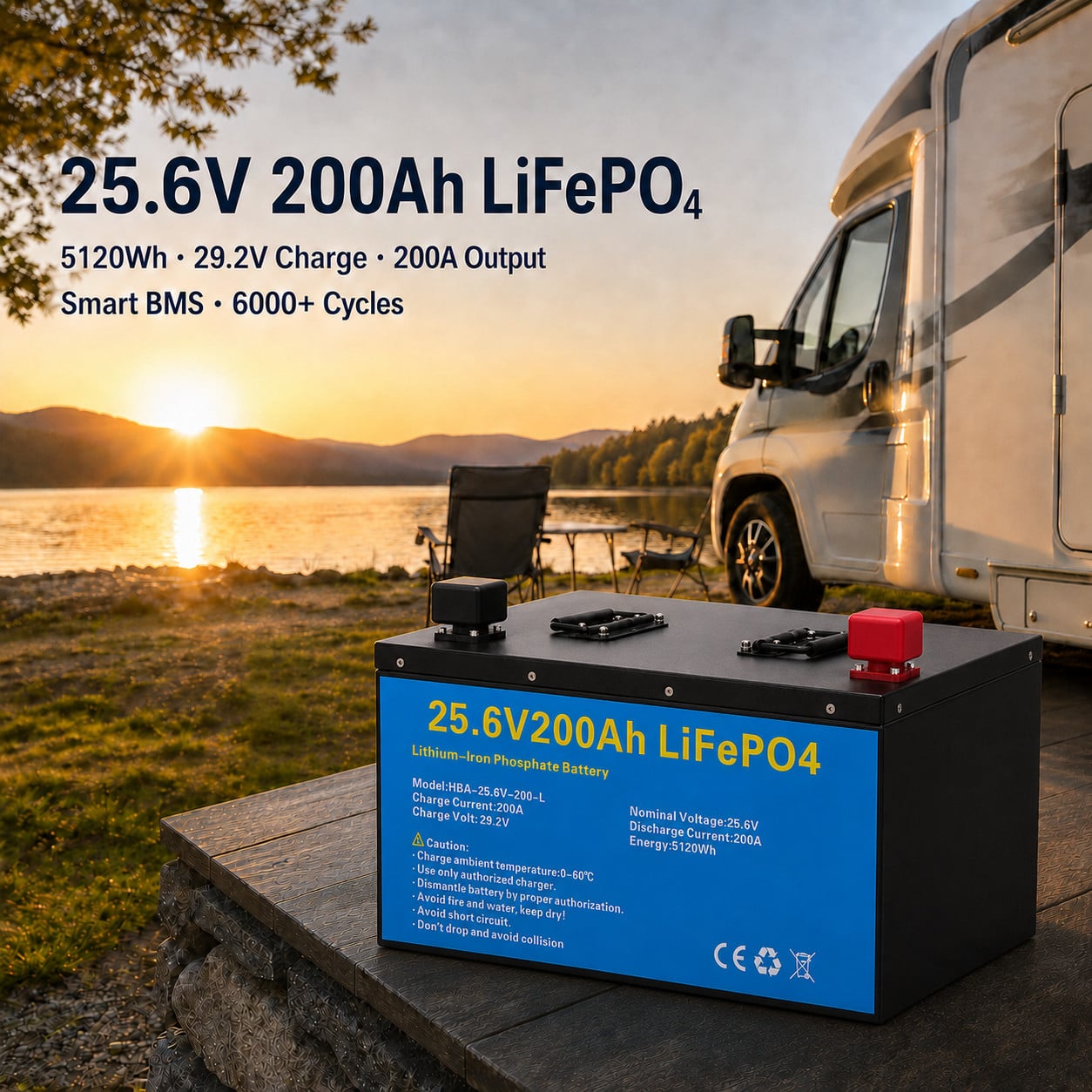
Marine and RV Applications: LiFePO4 batteries are also suitable for marine and recreational vehicle (RV) applications, where their lightweight and compact design offer significant advantages. 

By understanding these applications, businesses can leverage YANSHUO LiFePO4 batteries effectively to enhance their operational efficiency and sustainability efforts.

Where to Find Trusted Suppliers for Solar Battery Storage Products

Finding reliable suppliers for commercial solar battery storage systems is crucial for ensuring quality and performance. Here are steps to identify trustworthy partners: 

Research and Reviews: Conduct thorough research on potential suppliers. Look for customer reviews and testimonials to gauge their reputation within the industry. 

Certifications and Compliance: Verify that suppliers hold relevant certifications such as UN38.3 and CE, which signify compliance with international safety standards. This adds an additional layer of confidence in their products. 

Manufacturer Capabilities: Assess the manufacturer’s production capabilities, including their technology, quality control processes, and customization options. This can often indicate their ability to meet specific requirements. 

Experience and Market Reach: Suppliers with a proven track record and experience serving multiple countries or industries are often more reliable. Consider their ability to support international shipments and provide after-sales service. 

Request Samples: Before making a bulk order, request samples to evaluate product quality firsthand. This allows you to assess specifications, performance, and compatibility with existing systems. 

By following these guidelines, businesses can establish fruitful partnerships with suppliers that will support their solar battery storage needs effectively. 

This article serves as a comprehensive guide for B2B buyers considering home battery storage system. By understanding the critical specifications, pricing factors, applications, and supplier evaluation methods, purchasing managers and decision-makers can confidently navigate the complexities of this market and make informed choices that align with their business objectives. 

What to Consider When Choosing Commercial Solar Battery Storage

When evaluating commercial solar battery storage solutions, several key factors should be considered: 

Capacity and Energy Needs: Determine the energy requirements of your business to ensure the battery can store sufficient energy. Capacity is usually measured in kilowatt-hours (kWh) and should align with your daily energy consumption patterns. 

Battery Chemistry: Lithium Iron Phosphate (LiFePO4) batteries are a popular choice due to their stability, safety, and long cycle life. They offer better thermal stability and lower risk of overheating compared to other lithium-ion technologies. 

Depth of Discharge (DoD): This refers to the percentage of the battery that can be used before recharging. A higher DoD means more usable energy, which can lead to better economic returns. 

Cycle Life: This indicates how many charge and discharge cycles a battery can undergo before its capacity significantly diminishes. LiFePO4 batteries typically have a longer cycle life, making them a cost-effective choice over time. 

Compatibility with Solar Systems: Ensure the battery system is compatible with existing solar panels and inverters, as this will affect overall system efficiency and performance. 

Regulatory Compliance: Check for certifications such as UN38.3 and CE, which ensure safety and compliance with international standards. 

By considering these factors, businesses can make informed decisions that align with their energy goals and operational needs.

Get a Free Quote

Our representative will contact you soon.
0/1000