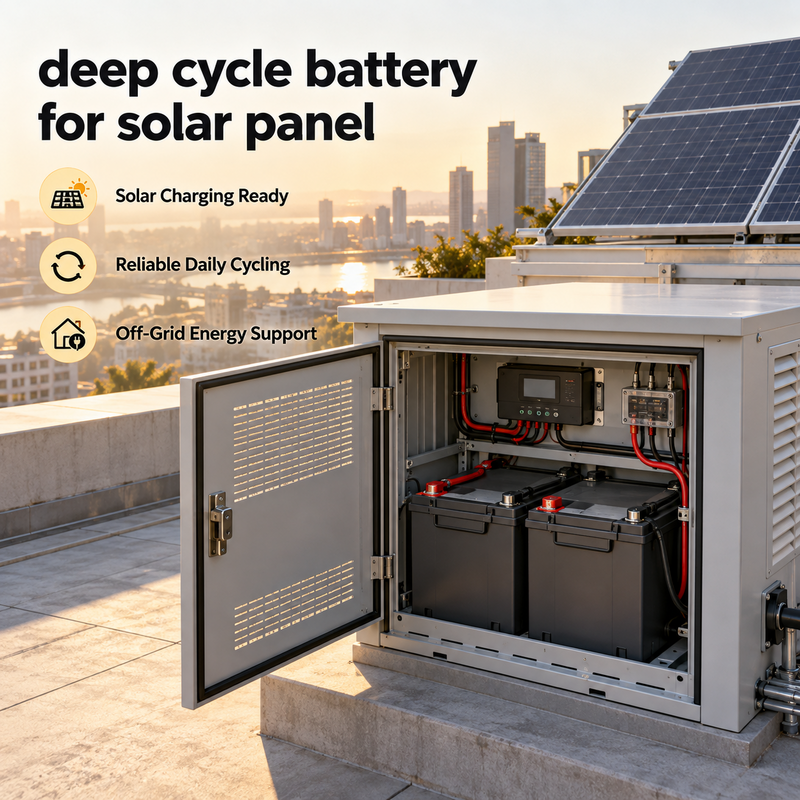
Choosing the Right Deep Cycle Battery for Solar Panels

5,000+ units ready stock, 1–5 days fast global delivery

application/deep-cycle-battery-for-solar-panel, application/deep-cycle-battery-for-solar-panel, 
Inquiry
Inquiry

Deep cycle battery for solar panel

Choosing the right deep cycle battery for solar panel systems is crucial for optimizing energy storage and ensuring long-term reliability. As a B2B buyer, you need to address several concerns, such as performance specifications, compatibility with your solar setup, and the overall quality of the batteries. This portable inverter with battery article will guide you through the essential considerations when selecting a deep cycle battery for solar applications, helping you to make informed purchasing decisions.

Understanding the specifications of deep cycle batteries

Understanding the specifications of deep cycle batteries

Understanding the specifications of deep cycle batteries is essential to ensure they meet your solar energy requirements. Key specifications include: 

Cycle Life: This double battery inverter indicates how many charge and discharge cycles the battery can handle before its capacity significantly diminishes. For solar applications, a cycle life of 2,000 to 5,000 cycles is desirable, especially for LiFePO4 batteries, which often last longer than traditional lead-acid options. 

Depth of Discharge (DoD): This reflects how much of the battery's capacity can be used without causing damage. A higher DoD means more usable energy; for example, a battery rated for 80% DoD allows 80% of its capacity to be utilized, maximizing your energy storage efficiency. 

Charge and Discharge Rates: Measured in C-rates, these rates indicate how quickly the battery can be charged or discharged. A higher C-rate allows for faster energy input and output, which can be crucial during peak usage times. 

Temperature Range: Batteries perform best within specific temperature ranges. Verify that the chosen battery can operate effectively in the environmental conditions typical for your installation site. 

By scrutinizing these specifications, you can select a battery that not only fits your operational needs but also promises longevity and reliability. 

When purchasing deep cycle batteries in bulk

When purchasing deep cycle batteries in bulk, it's essential to establish a clear understanding of your requirements and the supplier's capabilities. Here are some tips for a successful wholesale purchase: 

Minimum Order Quantity (MOQ): Ensure you are aware of the supplier’s MOQ, which varies by manufacturer.  This can affect your total costs and inventory management. 

Request for Quotation (RFQ): When preparing an RFQ, specify the battery type, capacity, voltage, and any additional features required. Providing detailed information helps suppliers give accurate pricing and availability. 

Verify Certifications: Check for certifications such as UN38.3 and CE, which are essential for safety and compliance, especially when dealing with lithium batteries. These certifications assure that the batteries have undergone rigorous testing. 

Lead Time: Discuss lead times for delivery and any potential delays. A reliable supplier should provide a clear timeline for production and shipping, which helps in planning your project schedules. 

Shipping and Packaging: Confirm how the batteries will be packaged for transport to prevent damage during shipping. Proper packaging is critical, especially for sensitive lithium batteries. 

By following these guidelines, you can streamline your purchasing process and ensure a smooth transaction.

Quality is a critical factor when comparing deep cycle batteries for solar applications.

Quality is a critical factor when comparing deep cycle batteries for solar applications. Here are key aspects to consider: 

Material Quality: The deep cycle battery materials used in battery construction affect performance and longevity. For example, LiFePO4 offers superior thermal stability and safety compared to traditional lead-acid batteries, making it a better choice for solar applications. 

Manufacturing Processes: Investigate the manufacturer’s production capabilities and quality control processes. A reputable manufacturer should have stringent testing protocols in place to ensure that each battery meets performance specifications. 

Warranty and Support: A strong warranty can indicate the manufacturer's confidence in their product. Look for warranties that cover a reasonable period and include support for defects or performance issues. 

User Reviews and Case Studies: Research user experiences and testimonials related to specific battery models. This can provide insights into real-world performance and reliability. 

By thoroughly comparing these quality indicators, you can select a battery that ensures optimal performance for your solar energy system. 

Evaluating the reliability of deep cycle battery manufacturers is crucial

Evaluating the reliability of deep cycle battery manufacturers is crucial for ensuring a consistent supply of quality products. Here are some steps to take: 

Industry Reputation: Research the manufacturer’s standing in the industry. Established manufacturers with a solid track record are often more reliable. Look for companies that have been operational for several years and have a history of serving multiple markets. 

Certifications and Compliance: As mentioned earlier, certifications like UN38.3 and CE are indicators of safety and quality. Verify that the manufacturer complies with international standards and regulations. 

Production Capacity: Assess the manufacturer’s production capacity to ensure they can meet your bulk order requirements. This is especially important if you plan to scale your purchases over time. 

Customization Capabilities: Determine if the manufacturer can customize batteries according to your specific needs. Customization may involve adjustments to specifications, sizes, or packaging, which can be critical for unique project requirements. 

Customer Support: Reliable manufacturers should offer strong customer service, including technical support and responsiveness to inquiries. This deep cycle battery ensures that you receive assistance when needed, enhancing your overall purchasing experience. 

By taking these factors into account, you can build confidence in your supplier choice and ensure a successful partnership for your deep cycle battery needs. 

When selecting a deep cycle battery for your solar panel system

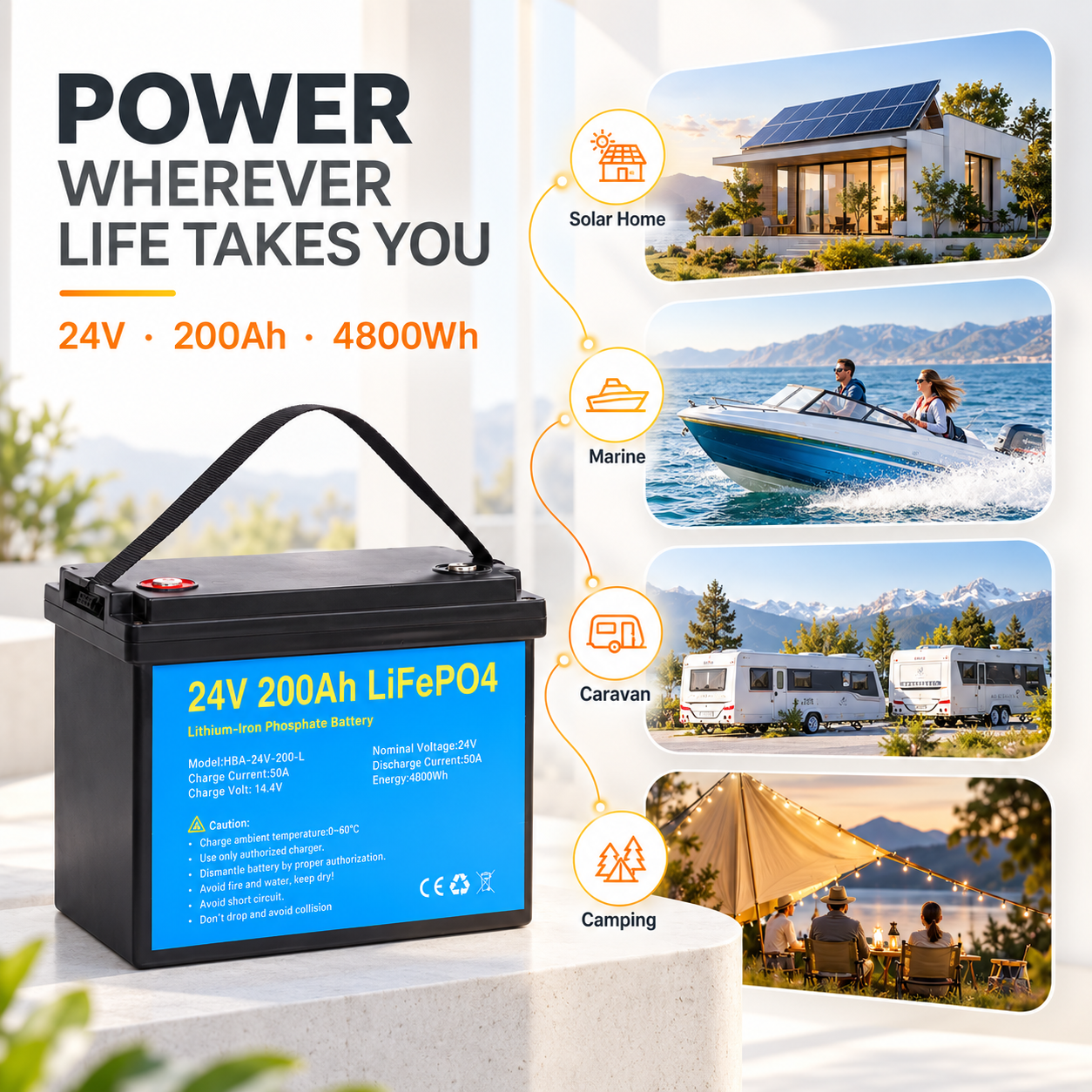
When selecting a deep cycle battery for your solar panel system, you'll first want to consider the type of battery technology. Lithium Iron Phosphate (LiFePO4) batteries are increasingly favored for their long cycle life, high efficiency, and safety features. These deep cycle battery are capable of providing consistent power over extended periods, making them suitable for solar energy applications where reliability is vital. 

Next, evaluate the battery's capacity, measured in amp-hours (Ah). The small inverter with battery capacity should align with your energy needs and system design. For instance, if your solar setup generates 1,000 watts daily and you require backup for three days, a battery with a total capacity of at least 3,000 watt-hours (or 250 amp-hours) would be necessary. Additionally, consider the voltage compatibility with your solar inverter; common configurations include 12V, 24V, and 48V systems. 

Lastly, look for features such as built-in Battery Management Systems (BMS) that protect against overcharging and deep discharging, which can extend the battery's life and enhance safety. 

Get a Free Quote

Our representative will contact you soon.
0/1000