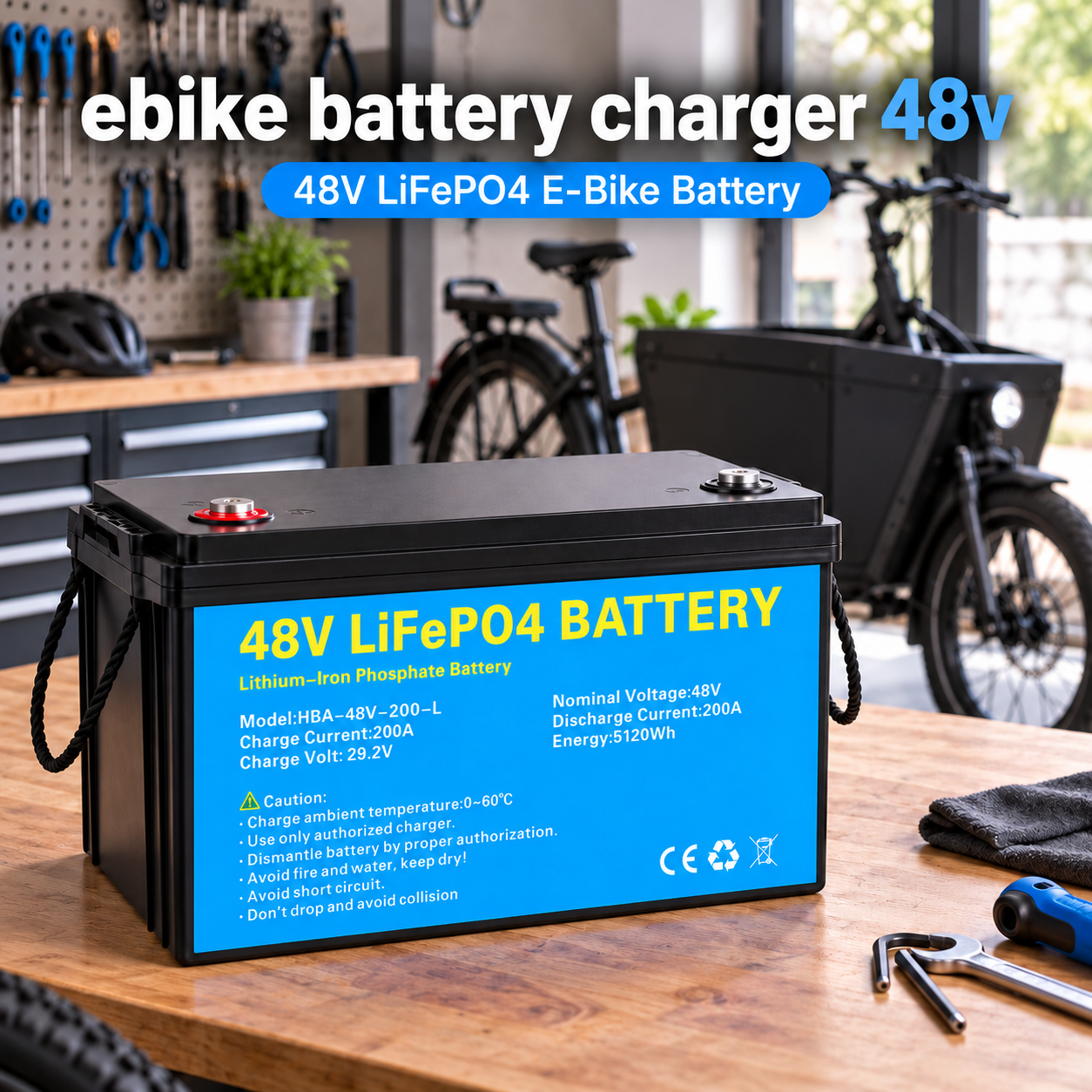
Choosing the Right 48V eBike Battery Charger

5,000+ units ready stock, 1–5 days fast global delivery

application/ebike-battery-charger-48v, application/ebike-battery-charger-48v, 
Inquiry
Inquiry

ebike battery charger 48v

Choosing the right eBike battery charger is  crucial for ensuring longevity and optimal performance of  your battery  system.  With the growing popularity of electric bikes, particularly those utilizing a 48V battery system, understanding how to select an effective eBike battery charger is essential for  manufacturers, distributors, and purchasing  managers. This article  will  guide  you through  the  key  considerations for choosing  a 48V eBike  battery  charger, evaluating suppliers, understanding cost factors for  bulk purchases,  comparing different  chargers, and  recognizing the  material advantages of these chargers.

Reliable Suppliers of 48V eBike Battery Chargers

Reliable Suppliers of 48V eBike Battery Chargers

Finding a reliable supplier for 48V eBike battery chargers  is paramount to ensuring quality and performance.  Look for manufacturers with a robust reputation in the industry, preferably those with extensive  experience in battery technology and a proven track record. Suppliers  like Shenzhen Yanshuosheng Technology Co.,  Ltd. specialize in energy  storage systems, including eBike  chargers, and are certified to operate in international markets.

When evaluating suppliers, consider their ability to provide technical support and product documentation. A strong customer  service  team  can  assist with installation issues, warranty claims, and troubleshooting,  which can  significantly impact your purchasing experience. Additionally, ask for references  or  case  studies from other businesses in  similar markets to gauge the supplier's reliability  and the performance  of their  products.

Cost Factors When Purchasing 48V eBike Battery Chargers in Bulk

When purchasing 48V eBike  battery chargers in bulk, several cost factors come into  play that B2B buyers should  consider. The unit price typically  decreases with larger orders, but it’s essential to analyze the total cost of ownership. This total includes  not only the initial purchase price  but  also shipping, handling, and  any potential import tariffs.

Another important aspect to factor  in is the quality of the chargers. While a lower-priced option may seem attractive, it could lead to higher failure  rates or shorter lifespans,  increasing long-term  costs. Therefore, investing in quality chargers from reputable manufacturers can lead to better  performance and  reduced replacement costs.

Lead times  are also a critical consideration. Ensure that the supplier  can meet your delivery timelines, especially if you have specific project deadlines. Delays could impact your operations and  customer satisfaction. Inquire about minimum order quantities (MOQ) and  discuss potential price breaks for  larger  quantities to optimize your purchasing strategy.

How to Compare 48V eBike Battery Chargers for Your Projects

To effectively compare  different 48V eBike battery chargers, create a checklist  of  specifications  and features that are most relevant to your applications. Key areas  to  evaluate include:

Compatibility: Ensure that the  charger matches the battery's voltage and chemistry. Output Current: Higher  currents can decrease charging time but  must align with  battery specifications. Charging Efficiency: Look for chargers with high efficiency ratings to minimize energy loss.  Smart Features: Evaluate safety features like over-voltage  protection, thermal protection, and charging  status indicators. Durability: Assess the build quality, including weather  resistance if the charger will  be used outdoors. 

It  may also be beneficial to request samples from potential suppliers to conduct real-world testing under your specific operational conditions. This hands-on evaluation  can expose any compatibility issues or performance  concerns that may not be apparent from technical specifications alone.


Understanding Material Advantages of 48V eBike Battery Chargers

The materials used in 48V eBike battery chargers significantly impact their performance and durability. High-quality chargers often feature plastic casings  that are both lightweight and resistant  to impact,  as well as connectors made  from copper for enhanced  conductivity. Copper connectors  ensure  efficient  power transfer and reduce  heat generation during charging, which is crucial for battery longevity.

Additionally, consider the internal components, such as capacitors and transformers. Chargers  with high-grade components will  typically offer better thermal management and longevity. Understanding these material  advantages can help you make more informed decisions when selecting chargers that not only  provide reliable power  but also meet safety standards.

In summary,  selecting  the right 48V eBike battery charger requires careful  consideration of technical specifications, supplier reliability,  cost factors,  and material advantages. By following these guidelines, B2B buyers can ensure they choose chargers that optimize battery performance and meet their operational  needs efficiently.

Choosing the Right 48V eBike Battery Charger for Your Needs

When selecting a  48V eBike battery charger, several factors are critical to ensure compatibility and performance. First, consider the charger's output current, typically measured in amps. A higher amp rating  will charge the battery faster, but it must  match the battery's specifications to avoid damage. For example, most lithium-ion batteries standardize around 2A to 10A charging rates, and exceeding  this can lead to overheating or reduced battery  life.

Moreover, the charger must have a compatible  connector  with the battery's port. Understanding whether your battery uses an XT60, Anderson, or another  type of connector is crucial. The charger should  also feature smart charging capabilities,  which include built-in protections  against over-voltage, under-voltage, and  short circuits.  These features extend the life  of both the charger and the battery, making them  vital considerations for any B2B buyer.

Lastly, check for certifications like UN38.3 and CE,  as these  ensure safety and reliability. A reputable supplier will provide documentation  for  these  certifications, ensuring compliance with international safety standards.

Get a Free Quote

Our representative will contact you soon.
0/1000