Choosing the Right Solar Panel Energy Storage System

5,000+ units ready stock, 1–5 days fast global delivery

application/solar-panel-energy-storage, application/solar-panel-energy-storage, 
Inquiry
Inquiry

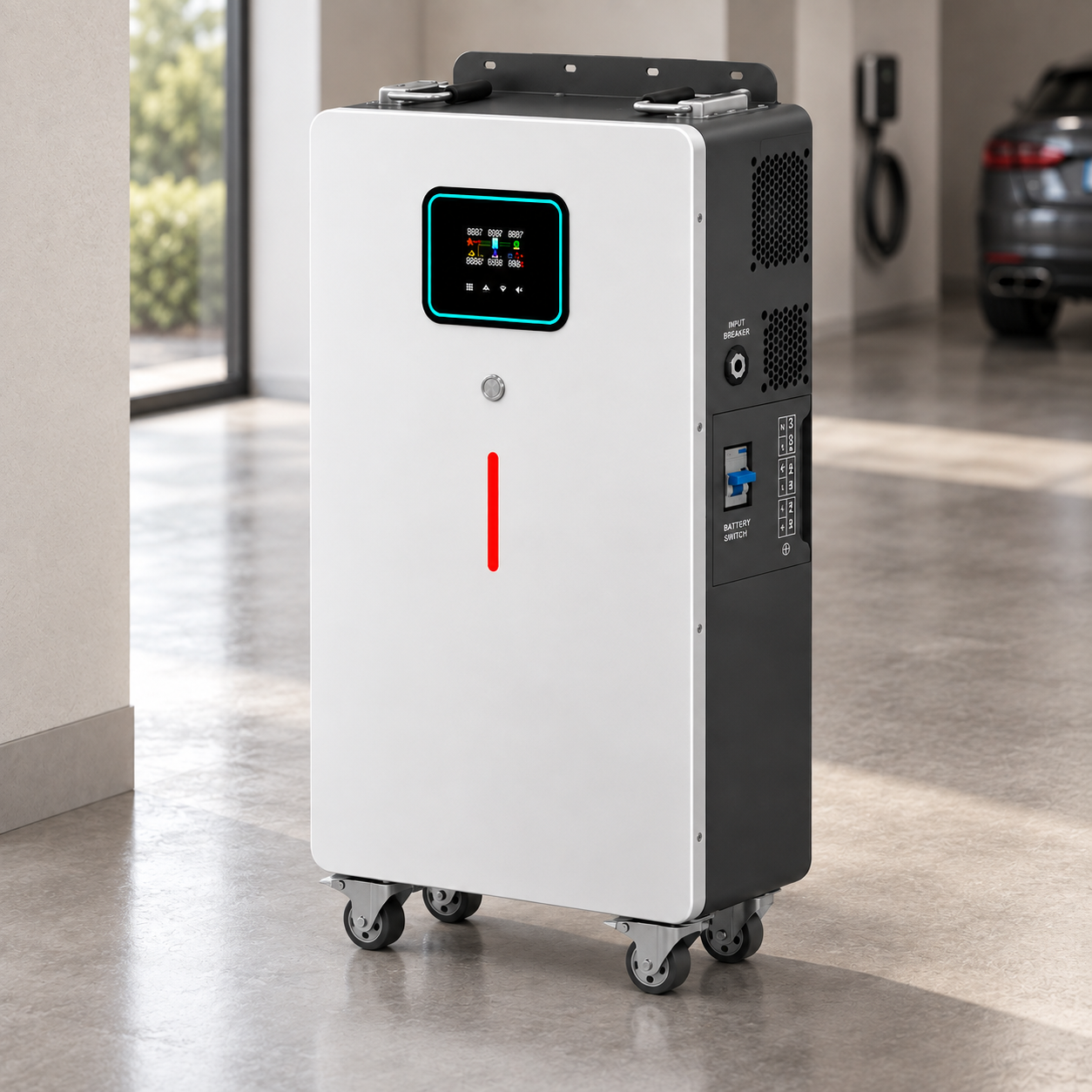
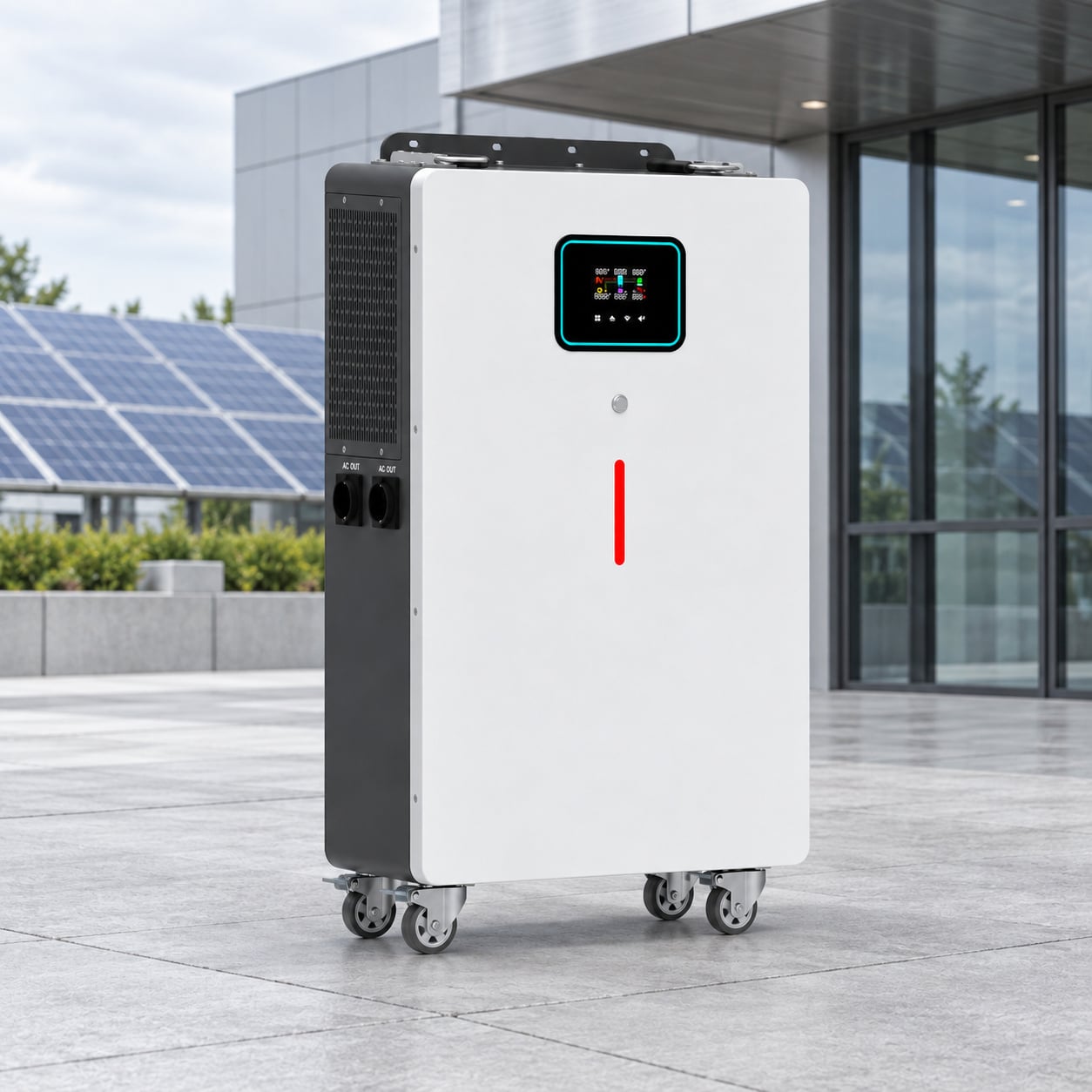
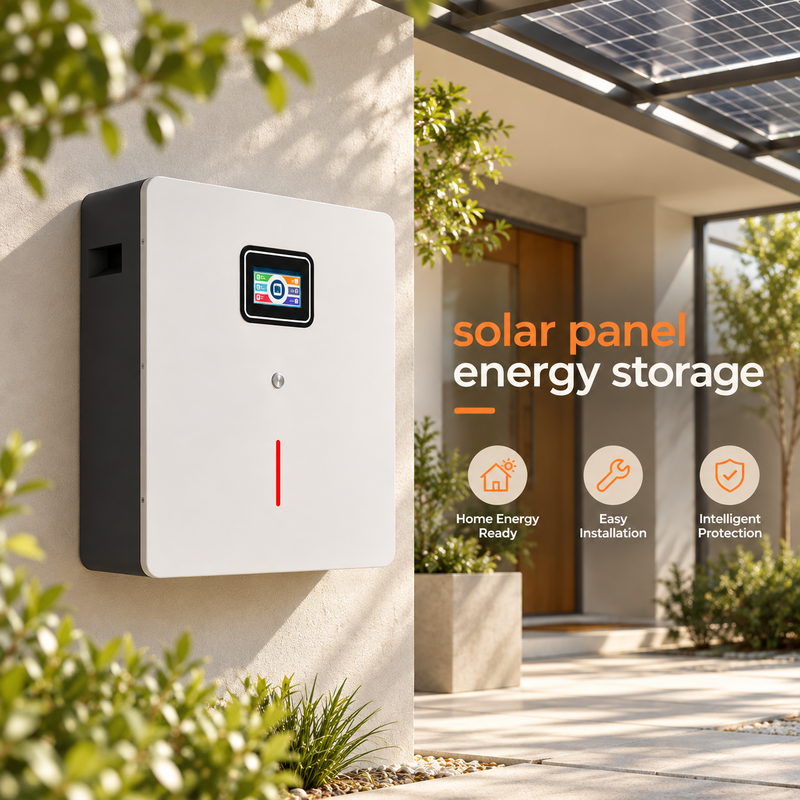
Solar panel energy storage

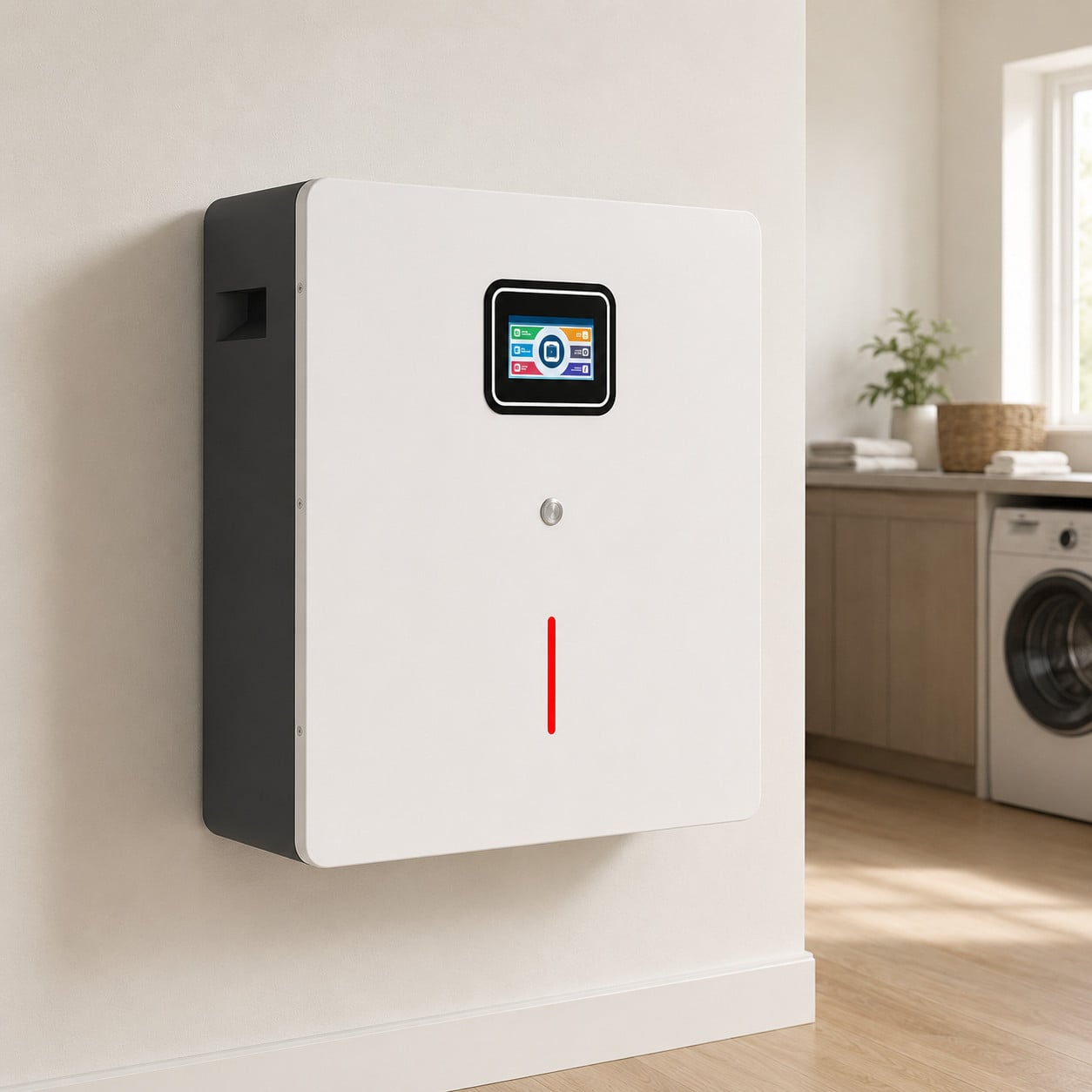
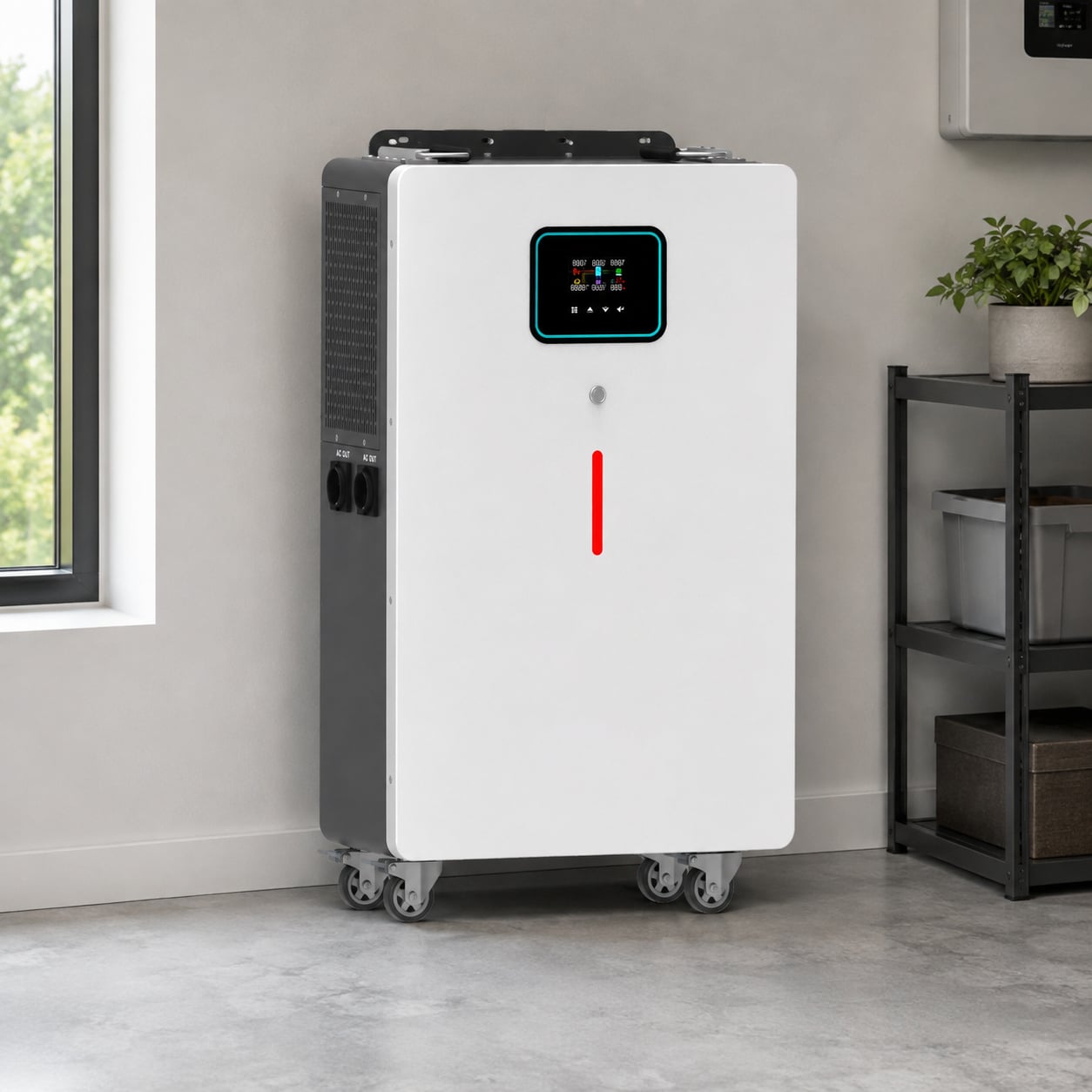
The solar panel energy storage system is vital for maximizing the efficiency of solar energy production, allowing businesses to store energy generated during peak sunlight for use when demand is high or sunlight is low. For B2B buyers, selecting the right energy storage solution involves understanding key specifications, application suitability, and installation challenges. This article will guide you through essential considerations when choosing an energy storage system, focusing on LiFePO4 solutions from Shenzhen Yanshuosheng Technology Co., Ltd., a trusted manufacturer with extensive experience in the industry.

Key Specifications for LiFePO4 Solar Energy Storage Solutions

Key Specifications for LiFePO4 Solar Energy Storage Solutions

Understanding the key specifications of LiFePO4 solar energy storage systems is crucial for making an informed purchasing decision. Here are some important parameters to consider: 

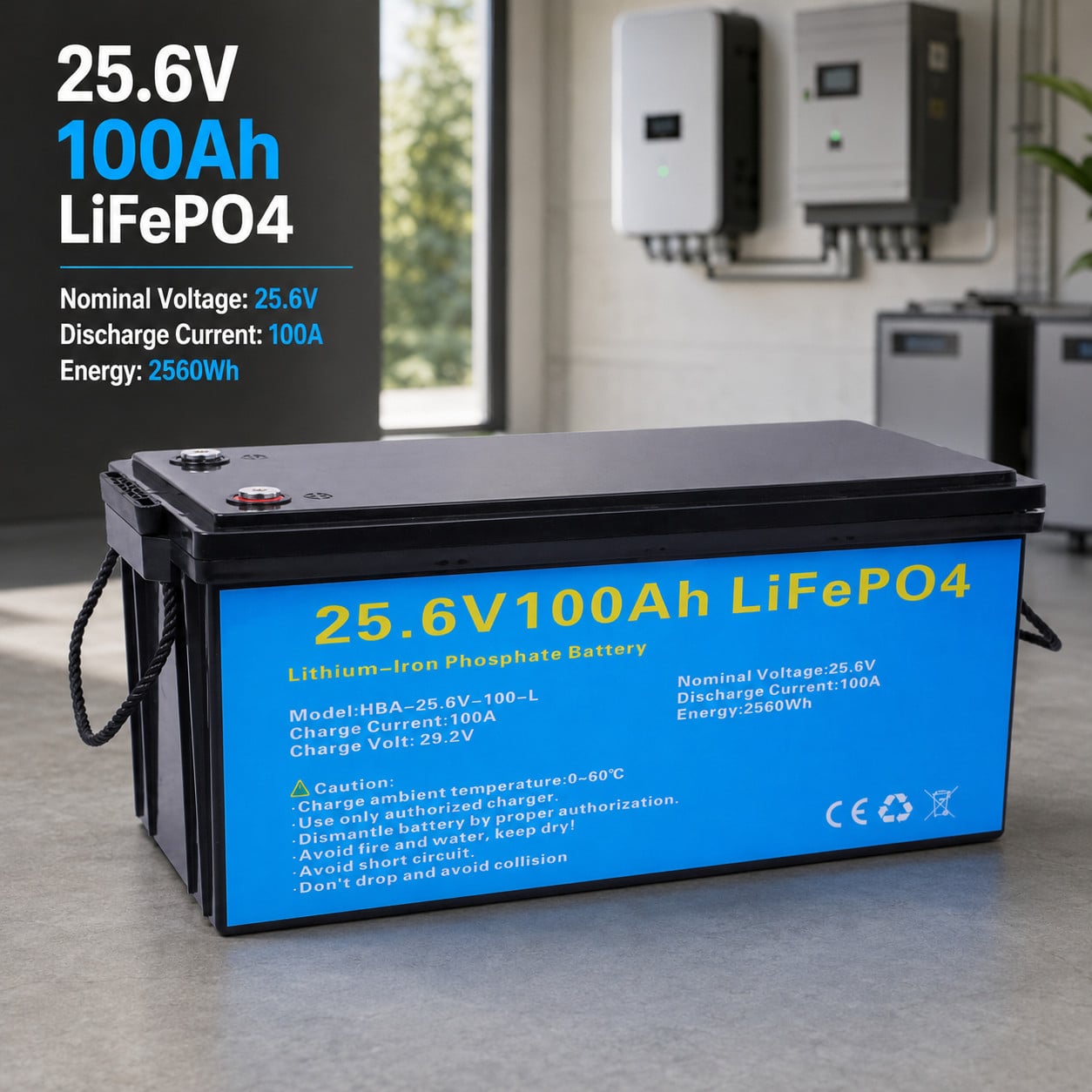
Capacity: The capacity of a battery system, measured in kWh, indicates how much energy it can store. Buyers should calculate their energy needs to choose a system that can handle peak loads without depleting the stored energy too quickly. 

Cycle Life: This refers to the number of charge-discharge cycles a battery can undergo before its capacity significantly diminishes. LiFePO4 batteries typically offer a cycle life of 2000 to 5000 cycles, providing a substantial return on investment. 

Discharge Depth: Known as Depth of Discharge (DoD), this metric indicates how much of the battery's capacity can be used without causing damage. A higher DoD allows for more usable energy, which is beneficial for efficiency. 

Efficiency: Round-trip efficiency measures the amount of energy that can be retrieved from the battery compared to what was put in. A higher efficiency percentage means less energy loss during charging and discharging. 

Safety Certifications: Look for products that have received certifications such as UN38.3 and CE, ensuring compliance with safety and quality standards. 

By understanding these specifications, buyers can ensure they select a home energy storage solution that aligns with their operational needs and safety standards.

Wholesale Purchasing Guide for Solar Panel Energy Storage Systems

When purchasing YANSHUO solar panel energy storage systems wholesale, it's essential to prepare adequately to ensure a smooth procurement process. Here are some key steps to consider: 

Determine Requirements: Clearly define your specifications, including capacity, expected cycle life, and any customization needs. Providing this information will help suppliers offer tailored solutions. 

Request Quotations: Prepare a detailed Request for Quotation (RFQ) that includes information about the required models, specifications, quantities, and delivery timelines. This will streamline the quoting process and provide you with comparable offers from multiple suppliers. 

Minimum Order Quantity (MOQ): Be aware of the MOQ for the products you are interested in. Different manufacturers may have varying MOQs, which can affect your purchasing decision. 

Evaluate Suppliers: Assess potential suppliers based on their manufacturing capabilities, product quality, and certifications. Consider their experience in the industry and their ability to provide ongoing support. 

Sample Testing: Always request samples to evaluate the product's performance and quality before committing to a full order. Testing samples under actual operating conditions can reveal potential issues that may not be apparent from specifications alone. 

By following these guidelines, you can make informed purchasing decisions that align with your business requirements.

Common Installation Challenges with Solar Panel Energy Storage

Installing solar panel energy storage systems can present several challenges, which can impact overall performance if not addressed correctly. Here are some common installation issues to consider: 

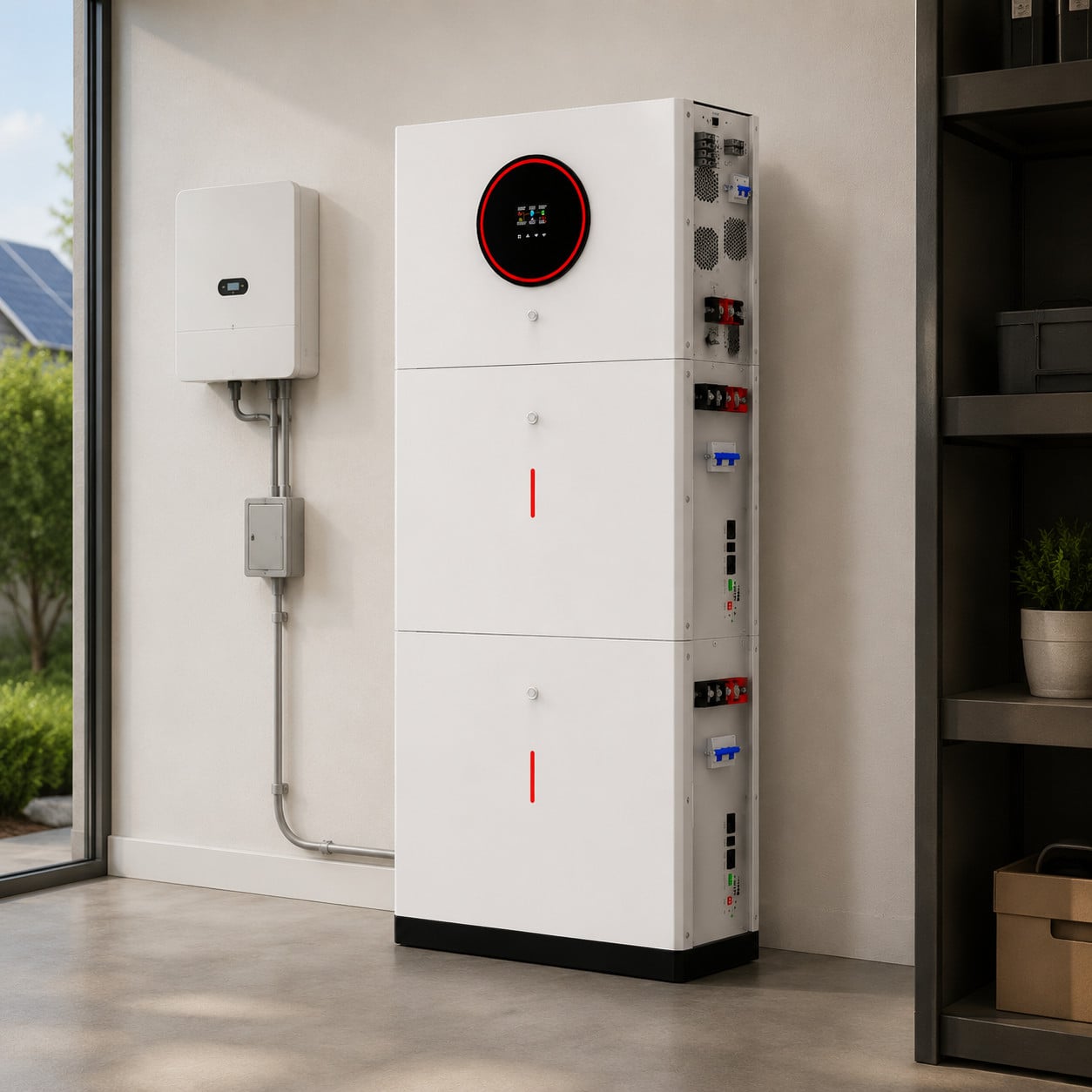
Compatibility: Ensuring that the new energy storage system is compatible with existing solar panels and inverters is crucial. Mismatched components can lead to inefficiencies or even system failures. 

Space Constraints: Assessing the available installation space is vital. Depending on the capacity, LiFePO4 batteries can vary in size, and adequate ventilation may be necessary to prevent overheating. 

Electrical Connections: Proper electrical connections are critical for safety and performance. Hiring a qualified electrician familiar with energy storage systems is recommended to ensure that connections comply with local codes and standards. 

Battery Management System (BMS) Configuration: The BMS plays a crucial role in monitoring battery health and performance. Properly configuring the BMS is essential for optimizing the lifespan and efficiency of the household energy storage. 

By anticipating these challenges and addressing them ahead of time, buyers can ensure a smoother installation process and maximize system performance.

Applications of LiFePO4 Energy Storage in Various Industries

LiFePO4 energy storage solutions have diverse applications across multiple industries, showcasing their versatility and efficiency. Here are some key sectors where these systems are commonly utilized: 

Solar Energy: In residential and commercial solar installations, YANSHUO LiFePO4 batteries allow users to store excess energy generated during the day for use at night or during peak demand periods. 

Recreational Vehicles (RVs): The lightweight and compact nature of LiFePO4 batteries makes them ideal for RV applications, where space and weight are critical considerations. 

Uninterruptible Power Supplies (UPS): Businesses rely on LiFePO4 energy storage in UPS systems to provide backup power during outages, ensuring continuity of operations. 

Marine Applications: The marine industry benefits from the deep-cycle capabilities of LiFePO4 batteries, which can withstand harsh environments and provide reliable power for onboard systems. 

By leveraging the advantages of LiFePO4 technology, businesses in these sectors can enhance their energy management strategies, reduce operational costs, and improve sustainability.  

understanding the various aspects of solar panel energy storage systems, particularly those utilizing LiFePO4 technology, empowers B2B buyers to make informed purchasing decisions. By considering specifications, installation challenges, and applications, businesses can optimize their energy storage solutions for greater efficiency and reliability.

How to Choose the Right Solar Panel Energy Storage System

When selecting a solar panel energy storage system, buyers should consider several factors to ensure compatibility with their specific applications. First, assess the energy capacity required for your operations. This is typically measured in kilowatt-hours (kWh). Evaluate your energy consumption patterns to determine how much storage is necessary. 

Next, consider the type of battery technology. Lithium Iron Phosphate (LiFePO4) batteries are a popular choice for solar energy storage due to their safety, longevity, and thermal stability. They generally have a longer cycle life compared to lead-acid batteries, making them a more cost-effective solution over time. 

Additionally, it’s important to verify the system's compatibility with your existing solar setup. Ensure that the battery management system (BMS) is designed to work seamlessly with your solar inverter and panels. Discussing your system requirements with a knowledgeable supplier can provide insights into the best configurations for your needs.

Get a Free Quote

Our representative will contact you soon.
0/1000