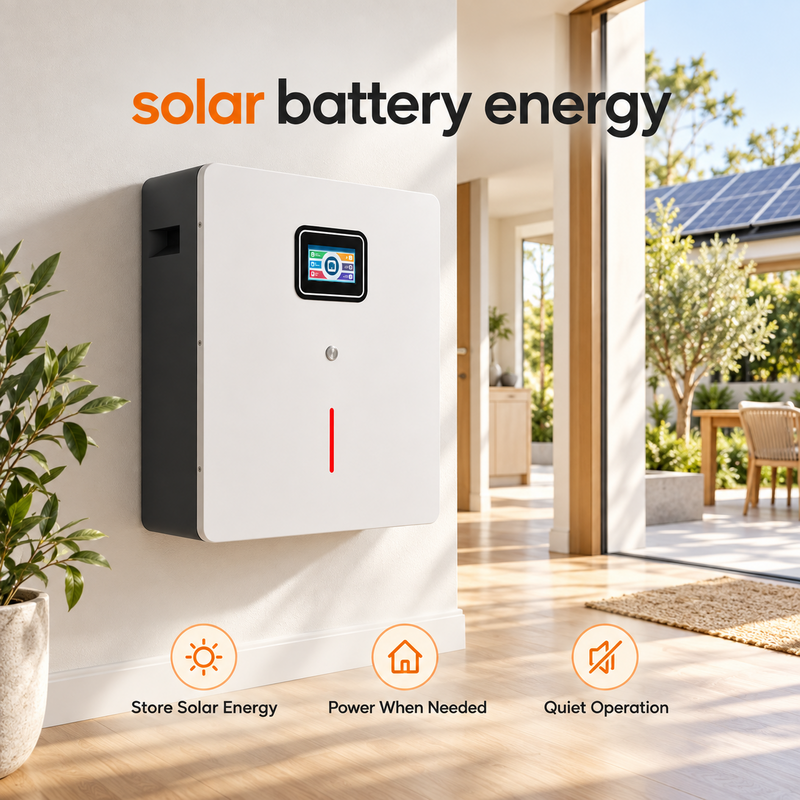
Understanding Solar Battery Energy Systems

5,000+ units ready stock, 1–5 days fast global delivery

application/solar-battery-energy, application/solar-battery-energy, 
Inquiry
Inquiry

Solar battery energy

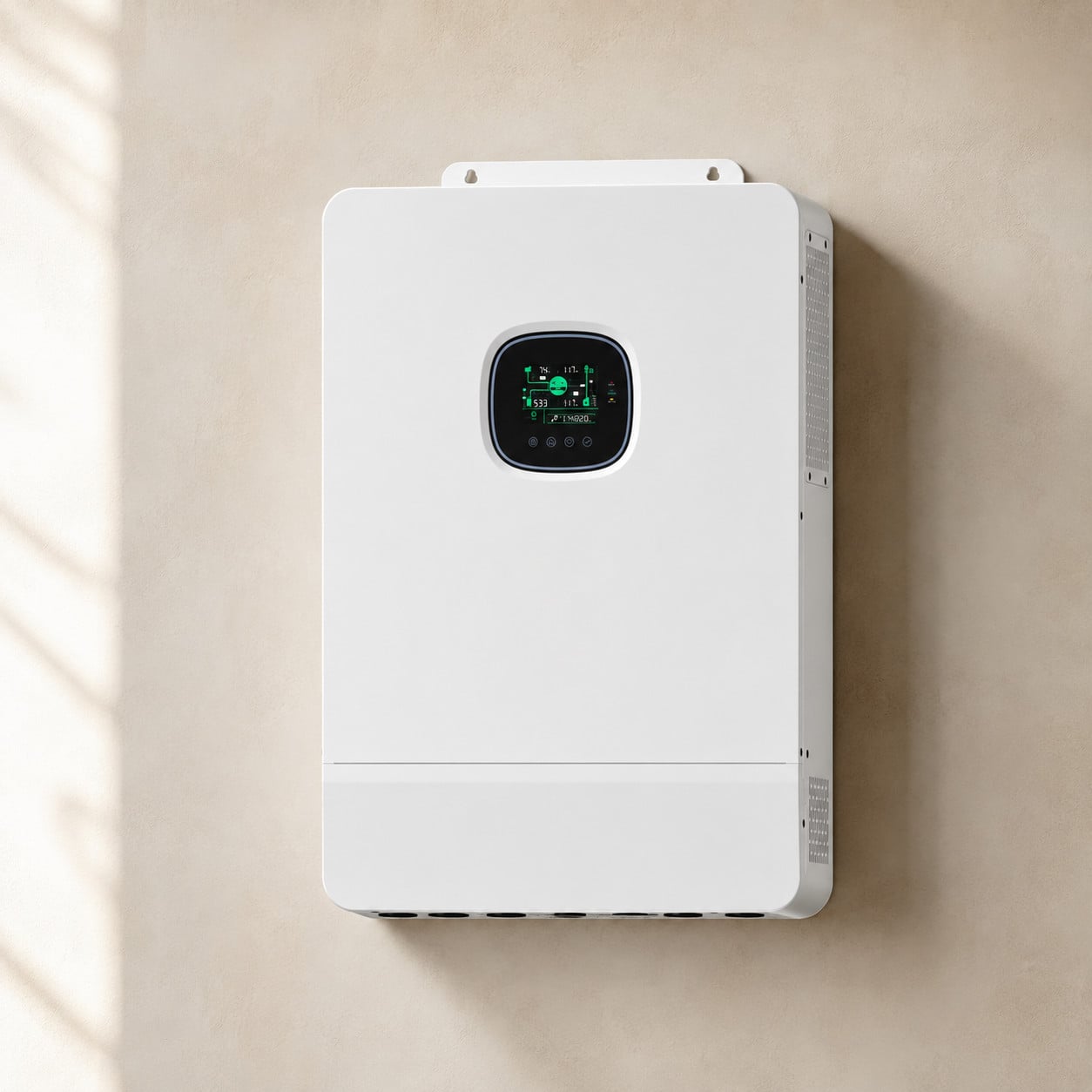
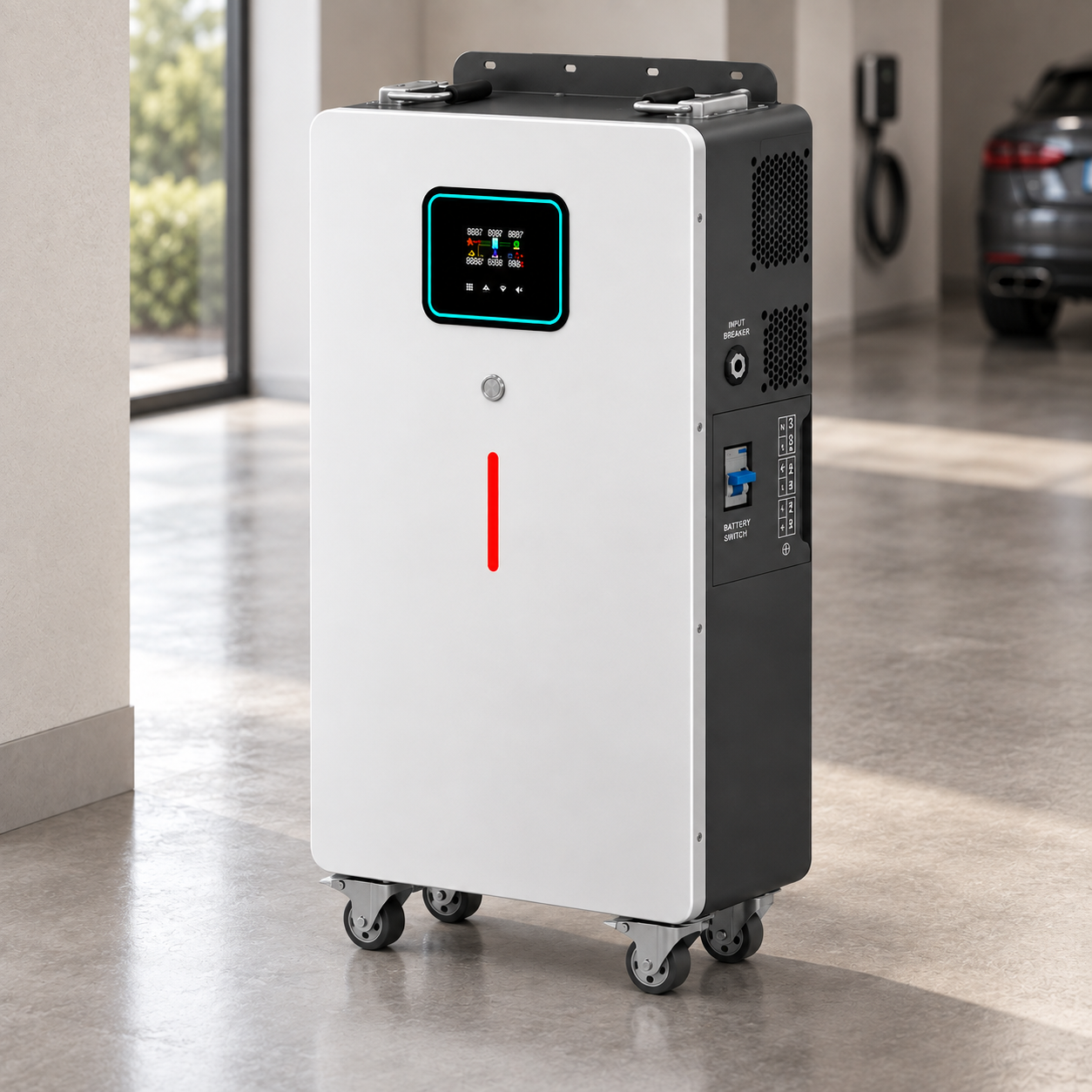
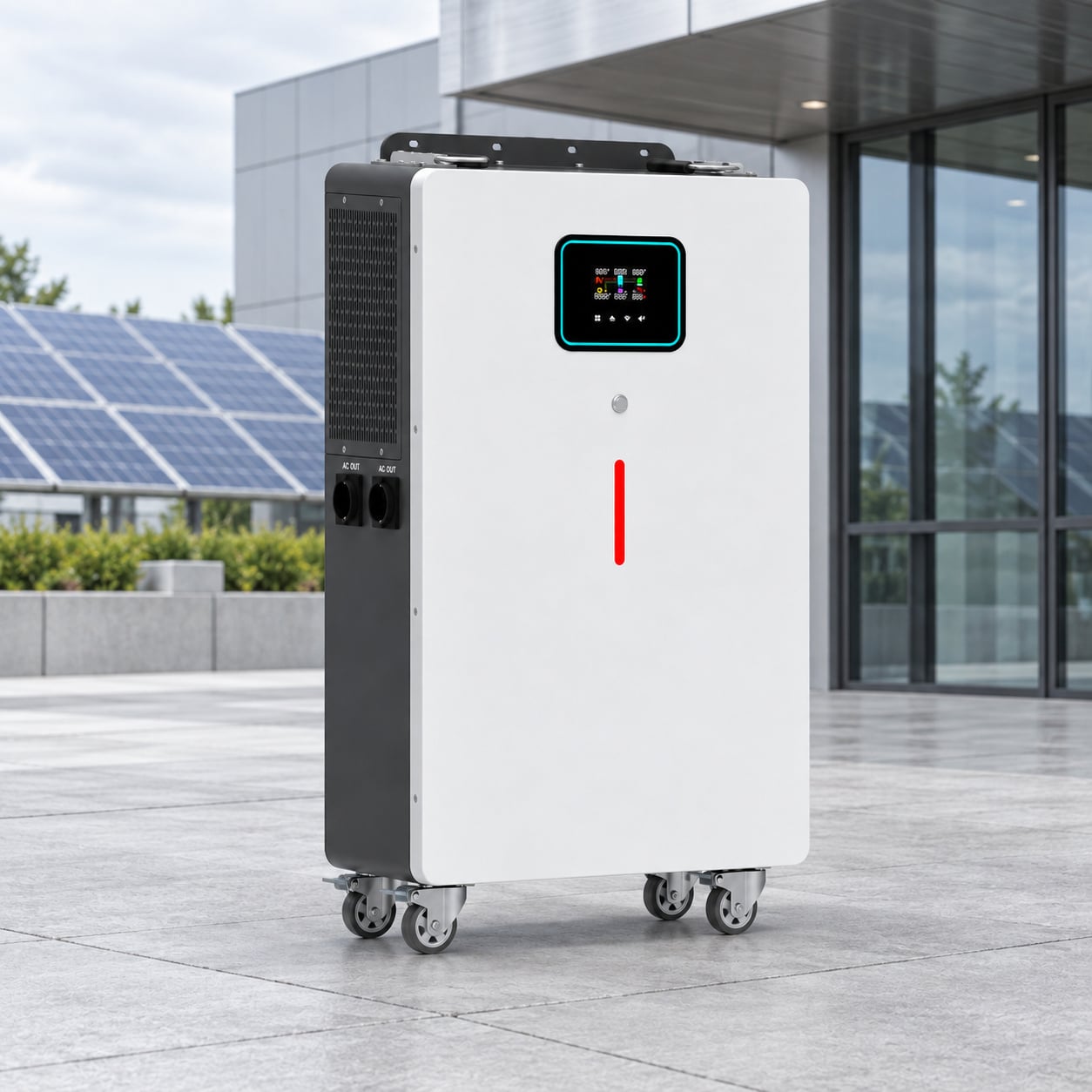
Understanding the cost factors associated with solar battery energy systems is essential for businesses looking to invest in renewable energy solutions. As the demand for sustainable energy increases, purchasing managers and procurement specialists must consider various aspects that influence the overall investment. This double battery inverter article will explore the key cost factors, installation guidance, common issues, advantages of LiFePO4 materials, and critical insights for wholesale buyers, all aimed at enabling informed decisions in the solar battery energy market.

Proper installation of solar battery energy

Proper installation of solar battery energy

Proper installation of solar battery energy storage systems is critical for maximizing performance and longevity.  First, buyers should ensure that the installation site meets the necessary electrical codes and safety standards.  A professional installer familiar with local regulations and best practices is recommended to ensure compliance. 

Prior to installation, it is essential to conduct a thorough site assessment. This single battery inverter price includes evaluating the available space for battery placement, ensuring adequate ventilation, and assessing the proximity to the solar panel system. Proper placement can prevent overheating and ensure optimal battery performance. They can endure more charge and discharge cycles, thus providing a better return on investment over time. Buyers should consider the total lifecycle cost, as the longer lifespan contributes to lower replacement frequency and overall cost savings. 

Buyers should also confirm that the installation includes appropriate safety features, like disconnect switches and surge protection devices, to safeguard against electrical faults. After installation, routine maintenance checks are necessary to ensure that the system operates efficiently and that the battery health is monitored. 

While solar batteries are robust

While solar batteries are robust, they can encounter specific issues that may affect performance. One common problem is capacity degradation over time, which is influenced by factors such as temperature and depth of discharge. For instance, regularly discharging a battery below its recommended threshold can reduce its lifespan. Buyers should ensure they understand the recommended usage patterns for their specific battery model to mitigate this issue. 

Another issue is improper installation, leading to connectivity problems or electrical faults. To avoid this, it is crucial to work with certified professionals who can ensure that all electrical connections are secure and that the overall system is correctly configured. 

Lastly, buyers should be aware of warranty terms and conditions. Understanding what is covered under warranty can help in addressing potential problems swiftly. Manufacturers often provide guidelines for common issues and troubleshooting steps, which can be valuable in maintaining system performance. 

LiFePO4 batteries offer numerous advantages

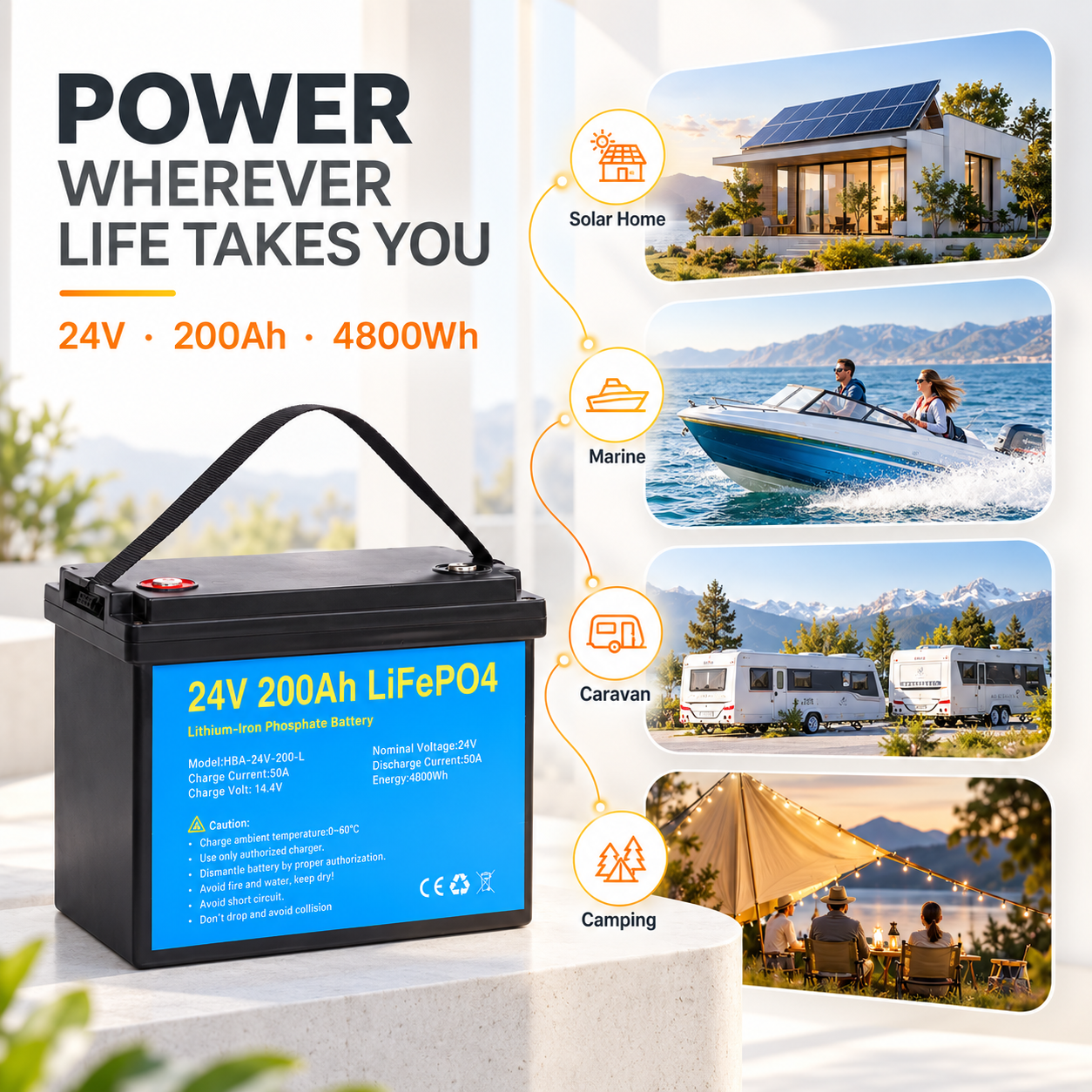
LiFePO4 batteries offer numerous advantages that make them suitable for solar energy applications. One significant benefit is their thermal stability, which reduces the risk of overheating and fires, a concern with other lithium-ion technologies. This makes LiFePO4 a safer option for residential and commercial installations. 

Additionally, LiFePO4 batteries have a longer cycle life compared to traditional lead-acid batteries. They can endure more charge and discharge cycles, thus providing a better return on investment over time. Buyers should consider the total lifecycle cost, as the longer lifespan contributes to lower replacement frequency and overall cost savings. 

Moreover, LiFePO4 batteries are more efficient in energy conversion, which means that more of the stored energy can be utilized. This efficiency translates into better performance during peak energy usage times, making them an excellent choice for businesses looking to optimize their energy consumption. 

Wholesale buyers considering solar battery energy

Wholesale buyers considering solar battery energy systems need to take several critical factors into account. First, understanding the manufacturer's capabilities is vital. Buyers should inquire about production capacity, customization options, and the ability to meet specific order requirements. 

Buyers should also ask about minimum order quantities (MOQ) and potential discounts for bulk purchases. This can significantly influence the overall cost and profitability of reselling these products. 

Furthermore, it is essential to verify certifications, such as UN38.3 and CE, which ensure that the products meet international safety and quality standards. These certifications can be crucial for gaining customer trust and ensuring compliance with local regulations. 

Lastly, it’s advisable to establish clear communication with manufacturers regarding lead times and shipping logistics. Understanding these factors upfront can help buyers plan their inventory and avoid potential delays in fulfilling customer orders. 

By considering these aspects, buyers can make informed decisions about partnering with suppliers and selecting the right solar battery energy systems that meet their specific needs. 

The cost of solar battery energy systems

The cost of solar battery energy systems is influenced by several factors that potential buyers should consider. Firstly, the type of battery technology impacts pricing; lithium iron phosphate (LiFePO4) batteries, while generally more expensive upfront than lead-acid batteries, offer longer life cycles and better performance efficiency, leading to lower total costs over time. 

Secondly, capacity is crucial. Systems are typically rated in kilowatt-hours (kWh), and higher capacity systems will naturally cost more. Buyers should assess their energy needs to determine the appropriate capacity that balances initial investment with ongoing energy savings. 

Additionally, installation costs should be factored in. These solar inverter with battery price can vary widely based on the complexity of the installation and local labor rates. Buyers should also consider the necessary electrical components, such as inverters and charge controllers, which may add to the overall expense. 

Finally, regulatory incentives, such as tax credits or rebates, can significantly affect the overall cost of ownership. It's essential to stay informed about local regulations that may provide financial benefits for solar energy investments. 

Get a Free Quote

Our representative will contact you soon.
0/1000