Wholesale Solar Battery Storage Units for B2B Buyers

5,000+ units ready stock, 1–5 days fast global delivery

application/solar-battery-storage-units, application/solar-battery-storage-units, 
Inquiry
Inquiry

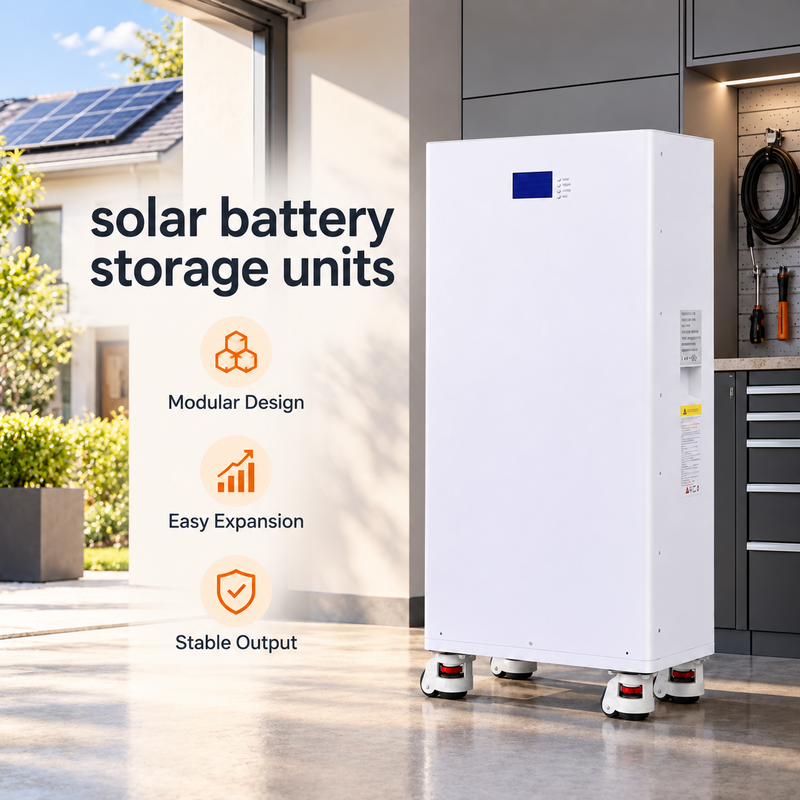
Solar battery storage units

Solar battery storage units are critical components for various applications, including residential energy systems, RVs, uninterruptible power supplies (UPS), and marine uses. These units store energy generated from solar panels, allowing for efficient energy use and backup during outages. For B2B buyers, key concerns often include cost, application suitability, and reliable performance. This article will delve into the factors influencing the cost of wholesale solar battery storage, compare their applications across different industries, address common issues, highlight the benefits of LiFePO4 technology, and provide guidance on making bulk orders. 

Comparing Applications of Solar Battery Storage in Various Industries

Comparing Applications of Solar Battery Storage in Various Industries

Solar battery storage units find applications across diverse industries, each with unique requirements. 

Residential Applications: Homeowners utilize solar battery storage to optimize energy use, particularly during peak hours. These systems can reduce electricity bills and provide backup power during outages. 

RV and Marine Uses: In recreational vehicles and marine applications, solar battery storage units provide reliable power for appliances and equipment. Compact size and lightweight design are essential considerations for these applications. 

UPS (Uninterruptible Power Supply): Businesses rely on solar battery storage for UPS systems to ensure continuous power supply during outages. Here, the focus is on fast response times and high reliability. 

Commercial and Industrial Sectors: These sectors use solar battery storage to manage energy costs and enhance sustainability. Systems need to handle higher loads, requiring robust battery solutions that can deliver consistent performance. 

Telecommunications: Solar battery storage supports remote telecommunications infrastructure where grid access is limited. Reliability is paramount, as downtime can lead to significant service interruptions. 

Each application demands specific technical parameters, such as capacity, discharge rates, and environmental resilience, which should be evaluated before making a purchasing decision. 

Solutions for Common Problems in Solar Battery Storage Systems

While solar battery storage systems are generally reliable, issues can arise that may affect performance and longevity. Understanding these problems and their solutions is essential for buyers. 

Overcharging and Deep Discharge: Both can damage battery cells. Implementing a Battery Management System (BMS) can monitor charge levels and prevent these issues, ensuring longer battery life. 

Temperature Sensitivity: Solar power and battery storage can be sensitive to extreme temperatures, affecting performance. Ensuring proper thermal management and installation in climate-controlled environments can mitigate these effects. 

Connection Issues: Loose or corroded connections can lead to energy loss and system failures. Regular maintenance checks and using high-quality connectors can help maintain system integrity. 

Capacity Decline: Over time, battery capacity can decrease. Buyers should factor in cycle life and warranty terms when evaluating battery options to ensure they meet long-term needs. 

System Integration Challenges: Compatibility with existing energy systems can pose challenges. Buyers should consult with suppliers to ensure integration capabilities before purchase. 

Benefits of LiFePO4 Technology in Solar Battery Storage Units

LiFePO4 (Lithium Iron Phosphate) technology offers several advantages for solar battery storage units, making it a preferable choice for many applications. 

Safety: LiFePO4 is inherently safer compared to other lithium batteries, with a lower risk of thermal runaway. This safety feature is vital for residential and commercial installations. 

Longevity: These batteries typically have a longer cycle life, often exceeding 3,000 cycles. This longevity translates to reduced replacement costs over time, enhancing overall value. 

Thermal Stability: LiFePO4 batteries perform better in higher temperatures, making them suitable for various environments without significant performance degradation. 

Environmental Impact: LiFePO4 batteries are more environmentally friendly, as they do not contain toxic heavy metals. This aspect appeals to businesses looking to improve their sustainability profiles. 

Efficiency: These batteries offer high discharge rates and efficiency, ensuring reliable performance during peak demand or emergencies. 

Investing in LiFePO4 technology may have a higher initial cost, but the long-term benefits often justify the expense. 

How to Make Bulk Orders for Solar Battery Storage Solutions

Making a bulk order for solar battery storage solutions involves several key steps to ensure a successful procurement process. 

Define Specifications: Before reaching out to suppliers, clearly define the required specifications, such as capacity, dimensions, and any necessary certifications. This clarity helps suppliers provide accurate quotes. 

Request Quotes from Multiple Suppliers: Engage with several manufacturers to compare pricing and service offerings. It’s essential to consider not only the initial cost but also the warranty terms and post-sale support. 

Assess Customization Needs: If specific modifications are required, communicate these clearly. Custom solutions should be discussed early in the order process to avoid delays. 

Discuss Payment Terms and Lead Times: Understand the payment expectations and typical lead times for delivery. This information is crucial for planning inventory and project timelines. 

Check for Quality Assurance: Before finalizing an order, inquire about the manufacturer’s quality control processes. Request samples if possible to verify the product meets expectations before mass production. 

Review Shipping and Handling Procedures: Given the weight and size of battery storage system units, ensure that shipping arrangements are in place to prevent delays and damages during transportation. 

By following these steps, buyers can streamline the ordering process and ensure they receive the right products for their applications. 

In summary, understanding solar battery storage units' cost factors, applications, common issues, benefits of technology, and bulk ordering processes will empower B2B buyers to make informed purchasing decisions that align with their specific energy needs. 

Cost Factors to Consider for Wholesale Solar Battery Storage

When evaluating wholesale solar battery storage units, several cost factors come into play. The primary considerations include the type of battery technology, the size of the battery unit, and the manufacturing processes involved. 

Battery Technology: Lithium Iron Phosphate (LiFePO4) technology is known for its safety, thermal stability, and longevity, making it a popular choice despite typically higher upfront costs compared to lead-acid batteries. Buyers should weigh the initial investment against the expected lifespan and efficiency gains. 

Unit Size and Capacity: The storage capacity measured in kilowatt-hours (kWh) directly affects the price. Larger units or those with higher capacity often come at a premium but can provide better value for applications with greater energy demands. 

Manufacturing Processes and Quality Control: High-quality production methods and stringent quality control measures can increase costs. However, these investments ensure reliability and compliance with certifications like UN38.3 and CE, crucial for safety and market acceptance. 

Customization Options: Custom features tailored to specific applications can also impact pricing. Buyers should consider their exact needs and the potential cost implications of customization. 

Shipping and Handling: Given the weight and size of energy storage batteries units, shipping costs can significantly affect the overall price. It's beneficial to understand the logistics involved and plan for these expenses in the budget. 

Get a Free Quote

Our representative will contact you soon.
0/1000