Top Solar Storage Companies for LiFePO4 Solutions

5,000+ units ready stock, 1–5 days fast global delivery

application/solar-storage-companies, application/solar-storage-companies, 
Inquiry
Inquiry

Solar storage companies

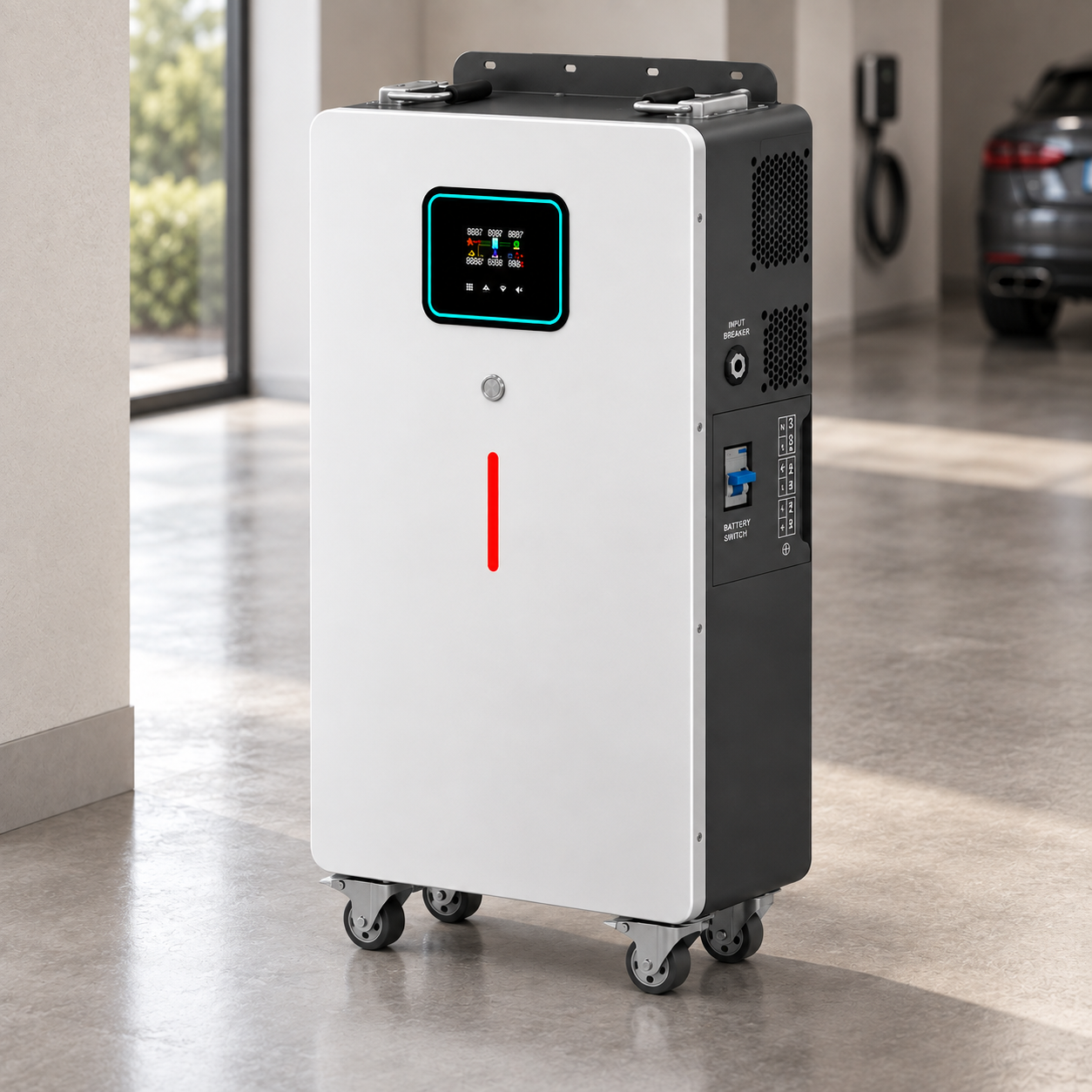
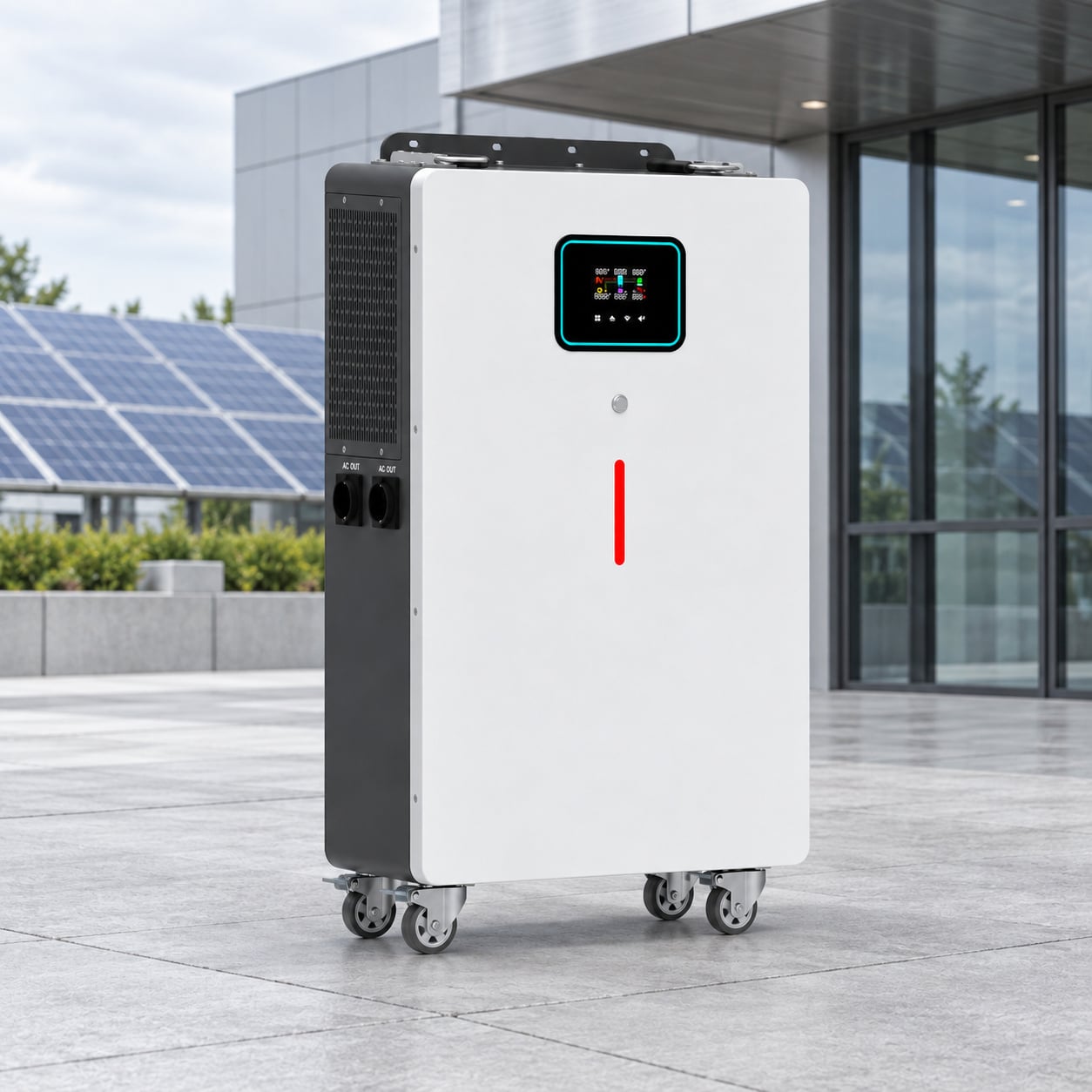
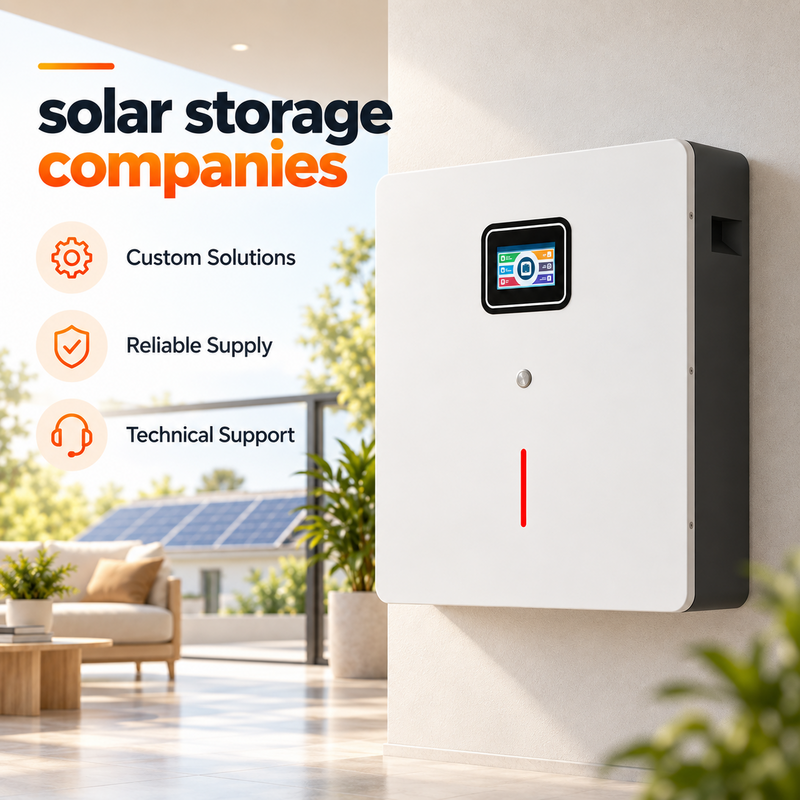
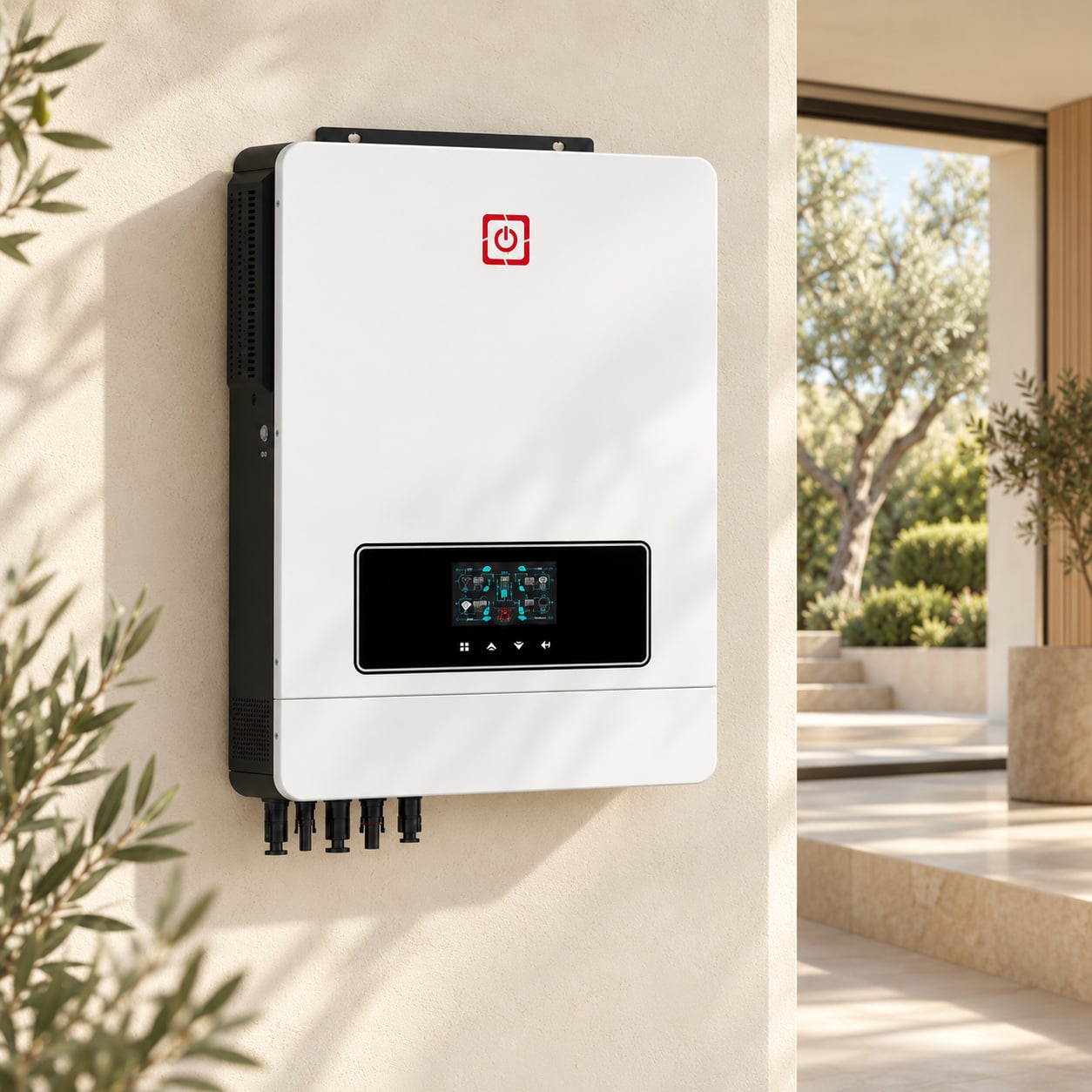
The growing demand for renewable energy solutions has led to the emergence of many solar storage companies, particularly in the realm of lithium iron phosphate (LiFePO4) energy storage systems. These systems are essential for optimizing solar energy usage in various applications, including residential and commercial settings. B2B buyers, such as purchasing managers and engineers, often seek reliable and efficient solar storage solutions that meet specific performance and safety standards. This solar inverter with battery price article will provide insights into key specifications of LiFePO4 energy storage systems, sourcing options for bulk orders, cost considerations, application comparisons, and the advantages of using LiFePO4 materials.

buyers should consider several pathways

buyers should consider several pathways

When sourcing bulk orders of LiFePO4 energy storage systems, buyers should consider several pathways.

Direct Manufacturers: Sourcing directly from manufacturers like Shenzhen Yanshuosheng Technology Co., Ltd. can offer advantages such as competitive pricing, customization options, and the ability to establish long-term partnerships. Direct communication can lead to better understanding of product specifications and supply chain management. 

Distributors: Established distributors often have a wide range of products and can provide valuable guidance on product selection based on application requirements. They may also offer additional services like logistics management and technical support. 

Industry Trade Shows: Attending trade shows and industry fairs can facilitate connections with multiple suppliers, allowing buyers to compare product offerings and negotiate pricing. 

Online Marketplaces: Platforms dedicated to industrial supply can be useful for quick comparisons and procurement. However, buyers should verify the supplier's credibility and product specifications before making a decision. 

By exploring these sourcing options, buyers can identify the most suitable suppliers for their bulk purchasing needs. 

When sourcing bulk orders of LiFePO4

The cost of purchasing LiFePO4 energy storage systems can vary based on several factors: 

Cell Chemistry and Quality: The purity of materials used and the quality of manufacturing processes directly impact cost. Higher-quality cells may come at a premium but can offer better performance and longevity. 

Customization Requirements: Customization options, such as specific dimensions or additional features (like integrated battery management systems), can increase costs. Buyers should clearly define their requirements to understand how these affect pricing. 

Volume Discounts: Ordering in bulk often leads to volume discounts. Buyers should discuss potential pricing structures with suppliers to optimize their procurement costs. 

Logistics and Shipping: Shipping costs can vary widely based on the destination, weight, and dimensions of the shipment. It's important to factor these into the overall budget, especially for international orders. 

Warranty and Support: Evaluating the warranty offered by the supplier is important, as a longer warranty may indicate confidence in product quality and can minimize long-term costs associated with replacements or failures. 

By considering these factors, buyers can make more informed purchasing decisions. 

LiFePO4 energy storage systems can be tailored for both

LiFePO4 energy storage systems can be tailored for both residential and commercial applications, each with distinct requirements and benefits. 

Residential Applications: In residential settings, these systems are primarily used to store solar energy for home use. Key considerations include capacity (typically ranging from 5kWh to 20kWh) and compatibility with home solar panel systems. Buyers should evaluate their energy consumption patterns and select a system that meets daily needs while allowing for future expansion. 

Commercial Applications: Commercial entities often require larger capacity systems (20kWh and above) to manage higher energy demands. These systems may be integrated with energy management systems to optimize usage and reduce peak demand charges. Commercial applications may also involve complex regulatory requirements, necessitating consultation with suppliers who understand local compliance. 

Performance Requirements: While both applications benefit from the long cycle life and safety of LiFePO4 batteries, commercial applications typically emphasize higher discharge rates for peak load requirements.  Buyers should assess the specific power demands of their application to ensure optimal system performance. 

Understanding the application differences will help buyers select the appropriate LiFePO4 energy storage system for their needs. 

LiFePO4 materials offer several advantages

LiFePO4 materials offer several advantages that make them an excellent choice for solar energy storage systems: 

Safety: LiFePO4 has a stable chemical structure, reducing the risk of thermal runaway and making it one of the safest lithium-ion chemistries available. This is particularly important for applications in residential areas or where safety regulations are stringent. 

Long Cycle Life: The durability of LiFePO4 batteries means they can withstand a high number of charge and discharge cycles, leading to reduced replacement costs and less environmental impact over time. 

Environmental Compliance: LiFePO4 batteries are more environmentally friendly compared to other lithium-ion battery types, as they do not contain cobalt, which is associated with ethical sourcing issues. 

Cost-Effectiveness: Although initial costs may be higher, the longevity and lower maintenance needs of LiFePO4 batteries can lead to overall cost savings for both residential and commercial applications. 

Temperature Tolerance: LiFePO4 batteries perform well across a range of temperatures, making them suitable for diverse environmental conditions, from hot climates to cooler regions. 

These advantages underscore the practicality of selecting LiFePO4 energy storage systems for solar applications, supporting both sustainability goals and long-term cost efficiency. 

LiFePO4 energy storage systems

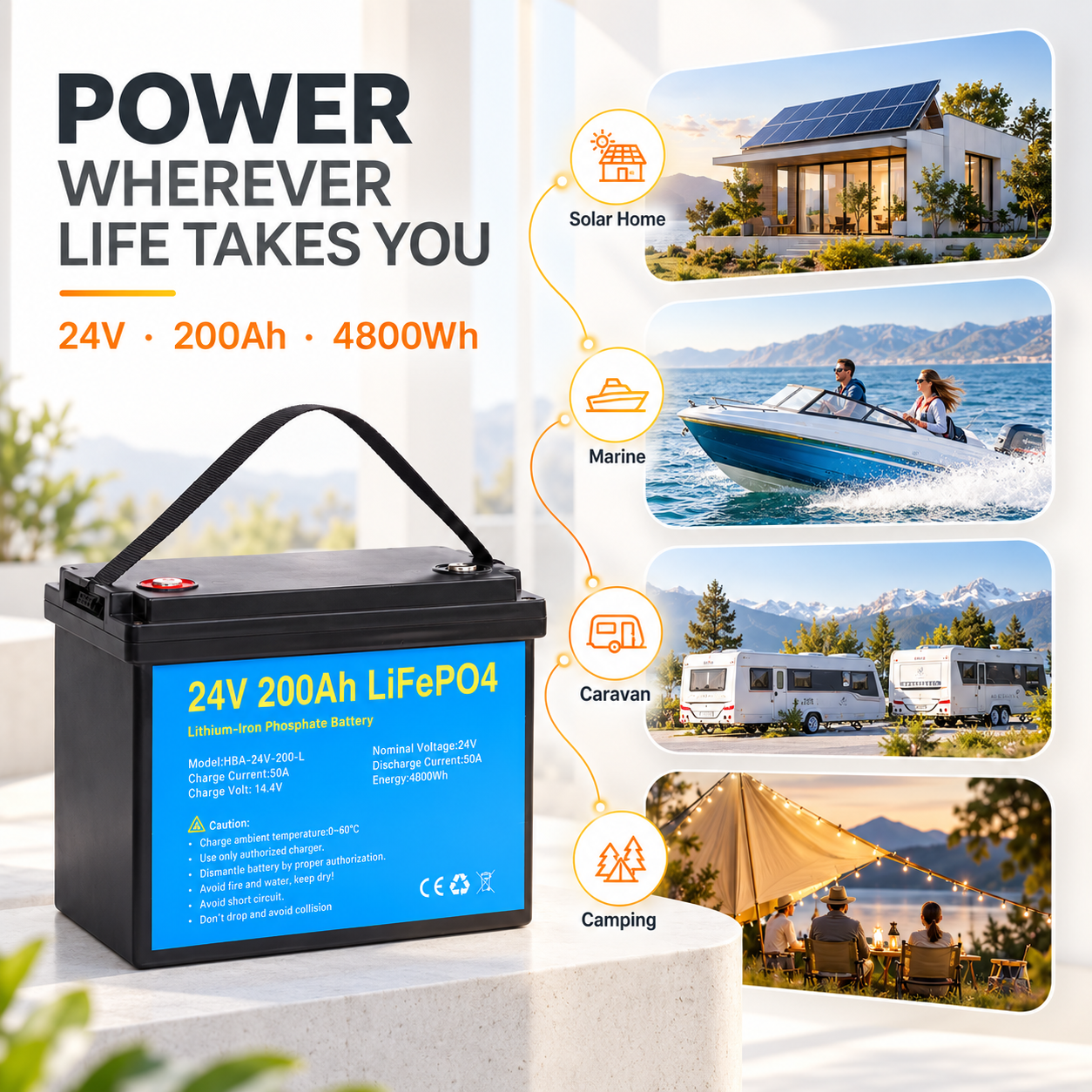
LiFePO4 energy storage systems are characterized by several important specifications that influence their performance in various applications. 

Capacity: This is measured in ampere-hours (Ah) and indicates how much energy the battery can store. A higher capacity is essential for applications requiring significant energy output, such as in larger residential units or commercial systems. 

Voltage: The operating voltage of LiFePO4 batteries typically ranges from 3.2V to 3.7V per cell. Understanding the voltage is crucial for compatibility with existing solar inverters and energy management systems. 

Cycle Life: LiFePO4 batteries have a cycle life of approximately 2000 to 7000 cycles, depending on depth of discharge (DoD) and operating conditions. A longer cycle life reduces the frequency of replacements, making it a cost-effective solution over time. 

Discharge Rate: The discharge rate, usually expressed as a C-rate, indicates how quickly the battery can release its stored energy. Applications with high power demands, like RVs and marine systems, require batteries with higher discharge rates. 

Safety Certifications: Look for certifications such as UN38.3 and CE, which ensure that the battery meets international safety standards. These price of inverter battery for home certifications are critical for compliance and risk management in commercial applications. 

Understanding these specifications will help buyers evaluate the suitability of LiFePO4 energy storage systems for their specific needs. 

Get a Free Quote

Our representative will contact you soon.
0/1000