Choosing the Right 100Ah Deep Cycle Battery

5,000+ units ready stock, 1–5 days fast global delivery

application/100ah-deep-cycle-battery, application/100ah-deep-cycle-battery, 
Inquiry
Inquiry

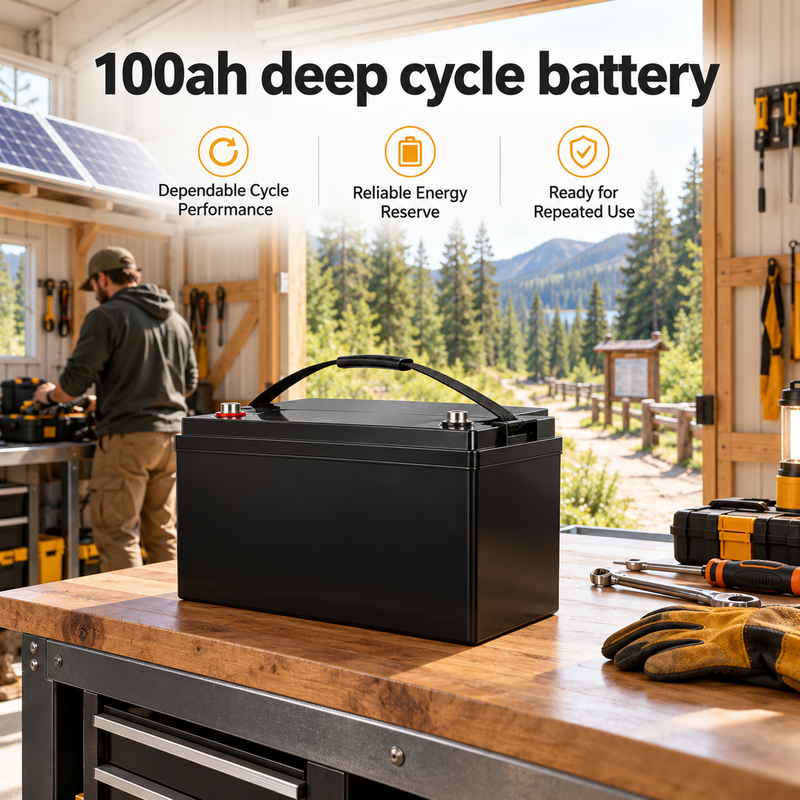
100ah deep cycle battery

The 100Ah deep cycle battery is an essential component for various applications, including solar energy systems, recreational vehicles (RVs), uninterruptible power supplies (UPS), and marine setups. B2B buyers often prioritize reliability, performance, and cost-effectiveness when evaluating these batteries. This article will guide you through selecting the right 100Ah deep cycle battery for your needs, installation guidance, common problems and solutions, cost considerations for bulk orders, and their applications across different industries

Installation Guidance for 100ah Deep Cycle Battery Systems

Installation Guidance for 100ah Deep Cycle Battery Systems

Proper installation of a 100Ah deep cycle battery is crucial for optimal performance. Begin with safety precautions: ensure the workspace is well-ventilated and that you wear protective gear. Before installation, check the battery's voltage and state of charge to confirm it's ready for use

When connecting the battery, use appropriate gauge wiring to handle the expected current load, minimizing the risk of overheating. Positive and negative terminals should be securely connected, and all connections should be inspected for corrosion or damage

It’s also essential to consider the battery management system (BMS). A BMS protects the battery from overcharging and excessive discharging, which can significantly extend its life. Ensure that the BMS is compatible with the battery and your application requirements

Finally, monitor the battery’s performance regularly to identify any issues early. This includes checking voltage levels, temperature, and overall condition

Common Problems with 100ah Deep Cycle Batteries and Their Solutions

While 100Ah deep cycle batteries are generally reliable, some common problems can arise. One frequent issue is sulfation in lead-acid batteries, which occurs when the battery is left in a discharged state for too long. This can be mitigated by regularly charging the battery to maintain its state of health

For LiFePO4 batteries, overheating can be a concern, especially during high discharge rates. Ensure that your small inverter with battery has adequate ventilation and is not exposed to direct sunlight or excessive heat. If overheating occurs, consider installing a thermal management system

Another potential issue is capacity fade, where the battery's ability to hold a charge diminishes over time. To combat this, avoid deep discharges and adhere to the manufacturer's recommended charging cycles. If you notice significant capacity loss, it may be time to evaluate replacement options

Lastly, ensure that your battery connections are tight and free of corrosion. Loose or corroded connections can lead to performance drops and even safety hazards

Cost Considerations for 100ah Deep Cycle Battery Bulk Orders

When purchasing 100Ah deep cycle batteries in bulk, several cost considerations come into play. First, evaluate the unit price versus the total cost of ownership. While the initial cost of a battery may be lower, consider factors like lifespan, maintenance, and efficiency when calculating the overall expense

Be aware of minimum order quantities (MOQs) set by manufacturers, as these will impact your initial investment. Some manufacturers, like Shenzhen Yanshuosheng Technology Co., Ltd., may offer discounts on larger orders, providing significant savings for bulk purchases

Additionally, factor in shipping and handling costs, as these can vary based on destination and logistics providers. Inquire about packaging options that minimize damage during transit and ensure compliance with international shipping regulations

Lastly, consider potential warranty and service agreements. A robust warranty can provide peace of mind and protect your investment, especially when purchasing a significant quantity of batteries

Applications of 100ah Deep Cycle Batteries in Various Industries

100Ah deep cycle batteries have diverse applications across multiple industries. In the solar energy sector, these batteries serve as reliable energy storage solutions, allowing users to harness solar power for off-grid living or backup systems. Their ability to withstand deep discharges makes them ideal for energy management in residential and commercial solar installations

For recreational vehicles (RVs), a 100Ah deep cycle mini inverter with battery ensures that essential systems, such as lighting and appliances, function smoothly during trips. Their lightweight design and long cycle life make them a perfect choice for campers and adventurers seeking reliable power

In the marine industry, these batteries are utilized for powering navigation systems and onboard electronics, offering the high discharge rates necessary for starting engines and supporting various electrical systems. Their resilience to vibrations and harsh environmental conditions further enhances their suitability for marine applications

Lastly, in uninterruptible power supply (UPS) systems, 100Ah deep cycle batteries provide essential backup power during outages. Their efficiency and reliability ensure that critical operations can continue without disruption, making them a vital component in data centers and other critical infrastructure

By understanding the diverse applications and considerations surrounding 100Ah deep cycle batteries, B2B buyers can make informed decisions that align with their operational needs and budget constraints

How to Choose the Right 100ah Deep Cycle Battery for Your Needs

Selecting the appropriate 100Ah deep cycle battery involves considering several key factors. First, evaluate the battery inverter type. Lithium Iron Phosphate (LiFePO4) batteries are increasingly preferred for their longevity, safety, and efficiency compared to traditional lead-acid batteries. LiFePO4 batteries generally have a longer cycle life, allowing for deeper discharges without damage, making them suitable for applications requiring consistent power output

Next, consider the discharge rate. A battery's discharge rate, often expressed in C-rates, indicates how quickly it can deliver energy. For instance, a battery rated at 1C can discharge its rated capacity (100Ah) in one hour. Assess your application requirements, as high-demand devices may necessitate a battery with a higher discharge rate

Also, pay attention to the dimensions and weight of the battery. Ensure that the physical size fits within your existing infrastructure and confirms that the weight is manageable for your intended setup. Additionally, check for certifications such as UN38.3 and CE, which ensure safety and compliance with international standards

Frequently Asked Questions

What is the capacity and chemistry of this 100Ah battery?

The product is a 100Ah LiFePO4 deep-cycle battery designed for stable, long-life energy storage with high cycle life and thermal safety.
Yes, it includes an independent BMS that protects against overcharge, over-discharge, short circuit, and balancing to optimize performance.
The battery is UN38.3 and CE certified, meeting transport safety and European conformity standards for energy storage products.
Ideal for solar storage, RVs, UPS systems, and marine applications, offering reliable deep-cycle performance across these uses.
Yes, the company supplies products to over 50 countries and provides technical support for installation and system integration.

Get a Free Quote

Our representative will contact you soon.
0/1000